
Last updated November 15, 2026
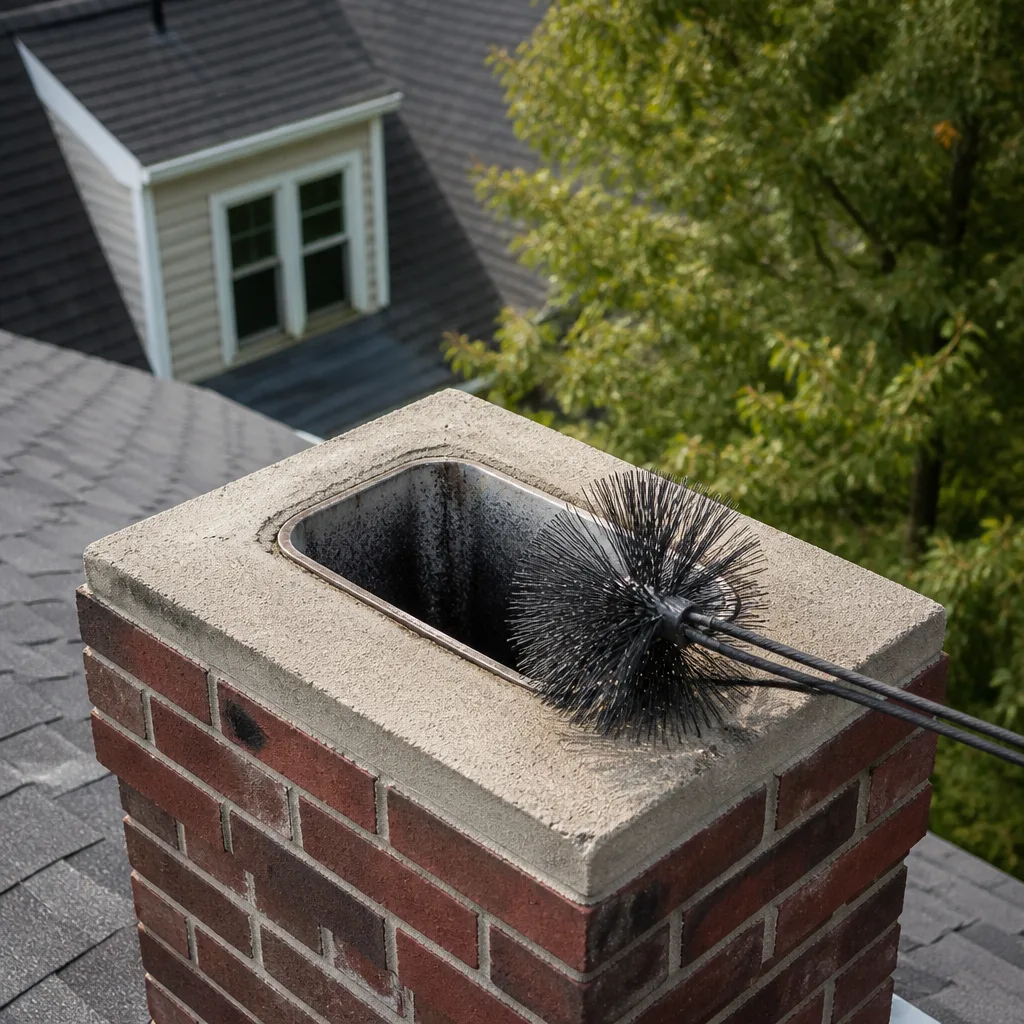 Sweep & inspection
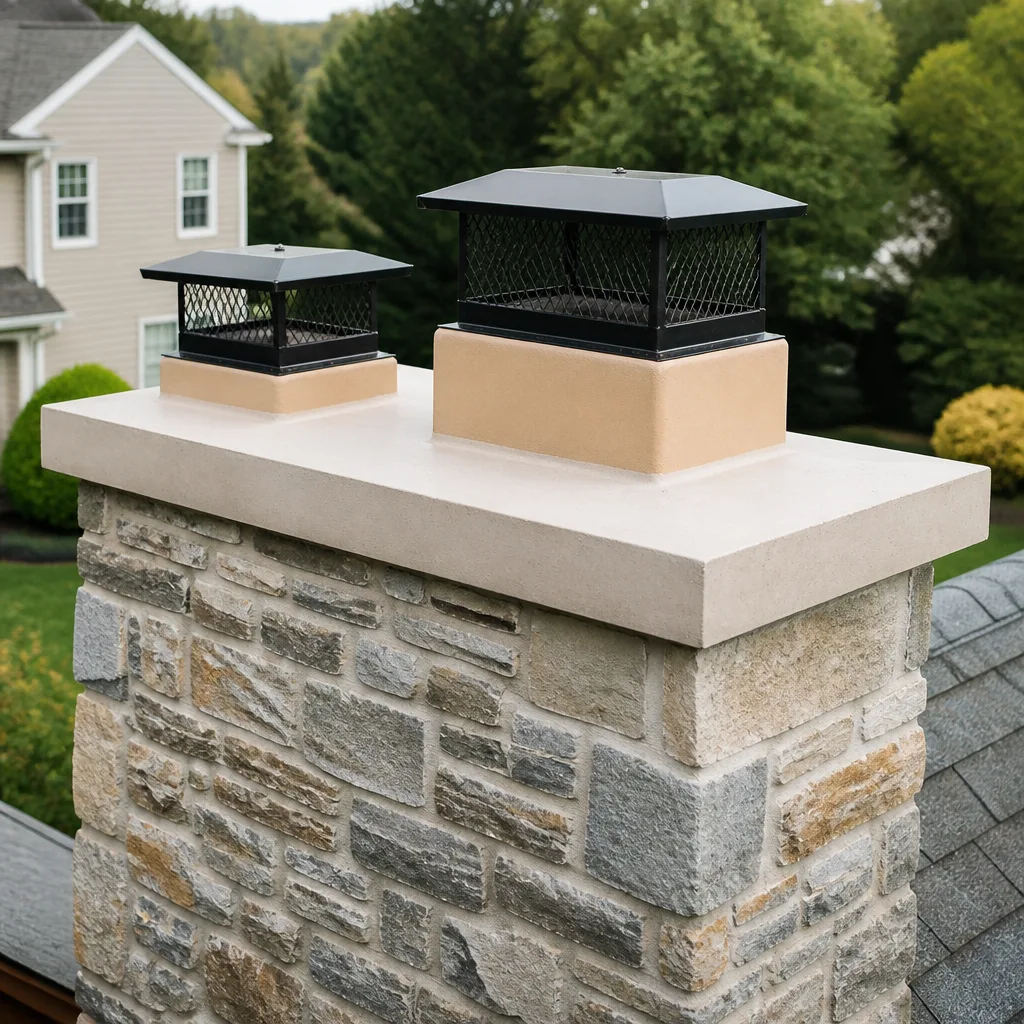 Caps & crowns
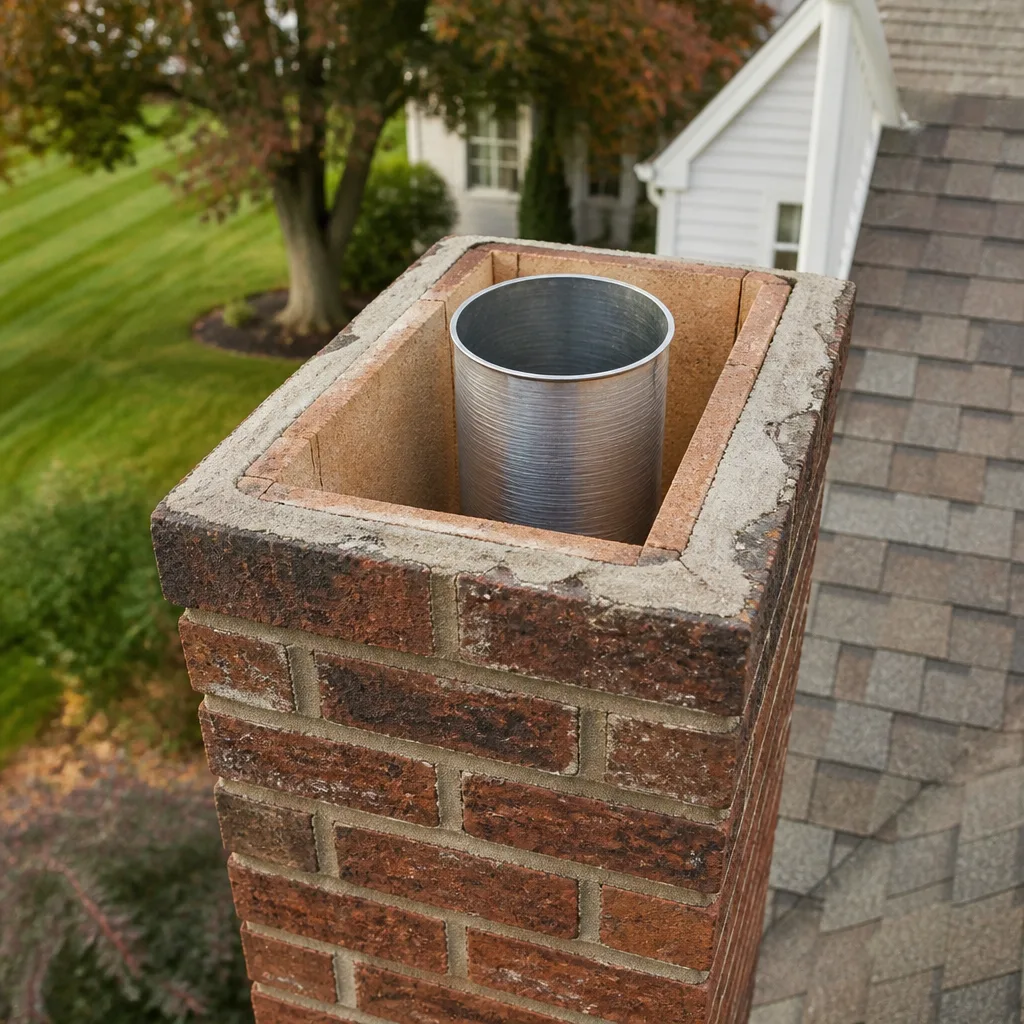 Flue relining
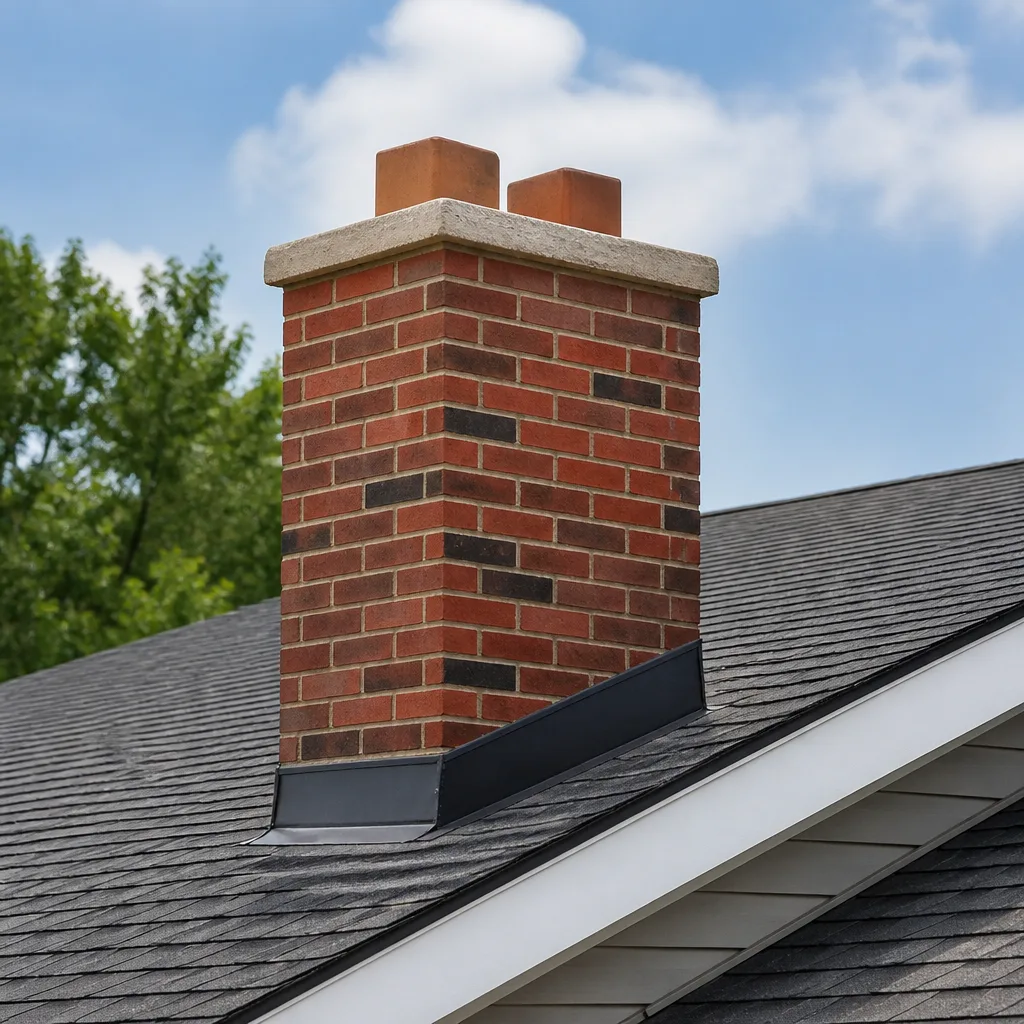 Masonry repair
 Gas fireplace service
Level 1 sweep and inspection to the NFPA 211 annual standard - flue, crown, cap, and flashing checked and photographed
Chimney sweep logs do not sweep chimneys. They loosen some creosote - which then falls where a brush and vacuum still have to collect it.
Chimney Sweep Maintenance Schedule: What to Do and When
The National Fire Protection Association says “at least once a year,” and most homeowners stop reading right there. But that standard was written for wood-burning fireplaces in four-season climates, not for a gas insert that runs six weeks a year in Gulf Coast humidity. A chimney’s real maintenance clock is set by what you burn, how often you burn it, and what the local weather does to the masonry between fires. Follow a generic annual schedule and you’ll either over-service a lightly used gas log set or miss the inspection window that actually matters for a wood-burning firebox. This guide lays out a usage-based schedule built for how chimneys really age in Sugar Land, plus the liner and cap intervals most sweeps never put on a calendar.
Quick Answer
Most Sugar Land homes need a chimney sweep and inspection once a year, but the right interval depends on fuel type and burn frequency: wood-burning fireplaces used regularly should be swept every 50 to 75 fires or annually, whichever comes first; gas systems need an annual inspection even with light use; and every chimney deserves a post-summer humidity check and a post-storm look after hurricane season. Liner and cap condition should be tracked on their own schedule, separate from cleaning.
Styles & brands we work with
- Sweep & inspection
- Caps & crowns
- Flue relining
- Masonry repair
- Gas fireplace service
Table of Contents
- Why the Generic Annual Schedule Falls Short in Sugar Land
- The Usage-Based Service Matrix: Wood, Gas, and Dual-Fuel
- The Two Sugar Land Calendar Windows That Matter Most
- Liner and Cap Maintenance Intervals Most Sweeps Skip
- The Maintenance Tasks That Stay Constant Regardless of Usage
- How to Keep a Chimney Log That Works for Every Future Technician
- A Season-by-Season Walkthrough
- What a Maintenance Schedule Costs in Sugar Land
Why the Generic Annual Schedule Falls Short in Sugar Land
An annual sweep is a good default, but it isn’t a plan. It treats a chimney used twice a month and a chimney used twice a week as identical, and it assumes a cold climate where fireplaces run hard for five months. Sugar Land doesn’t work that way. Winters are mild, burning is often seasonal and sporadic, and the bigger wear factor is the long humid stretch from late spring through early fall that quietly attacks masonry, crowns, and metal components while the fireplace sits idle.
That mismatch creates two failure modes. The first is over-servicing: a homeowner with a gas log set that gets a handful of cool-evening fires pays for cleaning they don’t need. The second, more expensive failure is under-inspecting: a wood-burning fireplace that creosote-buildup-wise is fine gets skipped entirely, so a hairline crown crack or a lifted cap goes unnoticed through a whole storm season. By the time water intrusion shows up as a stained ceiling or crumbling mortar, the repair is structural rather than cosmetic.
The variables that should drive your schedule:
- Fuel type – wood produces creosote and ash; gas produces moisture and acidic condensate; dual-fuel systems change the equation month to month.
- Burn frequency – a fireplace used weekly accumulates deposit far faster than one used a few times a season.
- Local humidity and storm exposure – Sugar Land’s wet season and hurricane-season wind and rain stress the exterior chimney in ways a dry climate never does.
- Chimney age and construction – older masonry flues with clay tile liners behave differently from modern factory-built systems.
Set your schedule around those four things and the annual “once a year” rule becomes a floor, not a ceiling. Our technicians have up to 9 years of experience reading exactly these signals, and we’ll tell you plainly when your chimney can safely wait another season. For the basics on what a visit involves, see our guide to chimney sweep service.
The Usage-Based Service Matrix: Wood, Gas, and Dual-Fuel
Match your system to the row below and you’ll have a real inspection trigger instead of a vague annual reminder. These intervals assume a properly installed, code-compliant chimney; a damaged flue or a known creosote problem shortens every timeline.
Wood-Burning Fireplaces and Stoves
- Heavy use (several fires a week through the season): sweep every 50 to 75 fires, and inspect at least annually. Creosote builds in layers, and glazed, third-degree creosote is the hard-to-remove kind that raises chimney fire risk.
- Moderate use (a few fires a month): sweep once a year, ideally before the first fall burn, and inspect the flue and cap at the same visit.
- Light use (a handful of fires a season): annual inspection still applies, but cleaning may only be needed every other year if the flue stays clean. The inspection is what tells you which.
Gas Fireplaces and Inserts
- Gas doesn’t create creosote, but it does create moisture and mildly acidic condensate that can degrade a flue over time, especially in a humid climate. Inspect once a year even with light use.
- Check the burner, logs, and venting for blockages, corrosion, and debris (birds and insects nest in caps). A gas log set that looks fine can still have a partially blocked vent.
- If you smell gas or the pilot behaves erratically, stop using it and have it looked at before the next fire. That’s a safety call, not a maintenance one.
Dual-Fuel and Wood-to-Gas Conversions
- These systems get the strictest schedule because the flue has handled both fuel types. Inspect annually and clean based on the wood-burning portion of your usage.
- A converted fireplace often has a flue sized for wood that’s now venting a gas appliance, which changes draft and condensation behavior. Have the liner assessed when you convert and re-checked at each annual inspection.
Safety note: chimney flues, liners, and any work inside the firebox involve confined spaces, sharp edges, and combustion residue. Creosote removal and liner work are jobs for trained technicians with the right tools and inspection cameras, not a homeowner project. We handle the dangerous parts so you don’t have to.
The Two Sugar Land Calendar Windows That Matter Most
Beyond fuel type, two dates on the Sugar Land calendar deserve their own inspection slots. Miss them and you find problems at the worst possible time, either right when you want to light the first fire or right after a storm has already done its damage.
Window 1: The Post-Summer Humidity Inspection (Late Summer, Before the First Fall Fire)
Sugar Land’s humid season runs long, and masonry, mortar joints, and the chimney crown absorb and release moisture across those months. A crown that developed a hairline crack in the spring can let water into the chimney structure all summer, and you won’t see it from the hearth. A late-summer inspection catches:
- Crown cracks and spalling mortar before fall rains find them
- Rust or corrosion on a metal firebox, damper, or cap from months of humidity
- Nests, debris, or a blocked cap from the idle season
- Creosote left from last winter that’s had all summer to harden
Booking this inspection before your first fall fire means any repair happens on your schedule, not the night you have guests over. That’s the whole point of a calendar window: it moves the problem to a convenient time.
Window 2: The Post-Storm Inspection (After Hurricane Season)
Storm season brings wind-driven rain and the kind of gusts that loosen caps, shift flashing, and crack crowns. A chimney that looked fine in June can have a lifted cap or a displaced flashing seal by October. A post-storm look at the exterior chimney, cap, and flashing catches the small problems before they become water intrusion into the ceiling or wall. This is a visual exterior check as much as a flue inspection, which is why it’s worth doing even in a year you’ve already had your annual sweep.
In our experience, Sugar Land homeowners who schedule both windows stop discovering chimney problems mid-winter. Combine the post-storm check with your annual inspection when the timing works, and keep them separate when it doesn’t. If you’re in a neighboring community, the same seasonal logic applies; see our Sugar Land area page for how we work with homeowners across the region.
Liner and Cap Maintenance Intervals Most Sweeps Skip
Cleaning and structural maintenance are two different clocks, and most service visits only track the first one. Your liner and cap age on their own timeline regardless of how often you sweep, and they’re the components that most affect safety and repair cost.
Flue Liner
- Inspect annually with a camera. A visual glance from the firebox can’t see cracks, gaps, or deterioration higher up the flue.
- Clay tile liners in older Sugar Land masonry chimneys are the most likely to develop cracks and gaps over time. Each annual inspection should confirm the tiles are intact and the joints sound.
- When a liner is damaged but not failed, resurfacing can sometimes restore it without a full reliner. HeatShield ceramic resurfacing is one option we apply when the flue qualifies, and it can save significant cost over a full replacement when a reliner isn’t yet necessary. When replacement is the right call, DuraFlex flexible liner systems allow proper installation even in offset or irregularly shaped flues where rigid liners can’t go.
- Metal liners need checking for corrosion and joint integrity, especially in a humid climate.
Chimney Cap and Crown
- Cap: check at every inspection for rust, loose fasteners, and animal nests. A missing or damaged cap lets water and wildlife straight into the flue.
- Crown: inspect annually for cracks and spalling. The crown is the chimney’s roof, and a failed crown is the most common entry point for water. Sealing or repairing a small crack is far cheaper than rebuilding the crown later.
- Flashing: the seal where the chimney meets the roof should be checked each year and after any storm that produces wind damage.
We install and work with professional-grade products including Gelco and Olympia Chimney components, so a liner or cap finding from an inspection can be resolved in the same relationship rather than handed off to another contractor. If you want to understand the difference between resurfacing and full relining, that’s a conversation worth having before you approve either.
The Maintenance Tasks That Stay Constant Regardless of Usage
Some items don’t care whether you burn wood, gas, or nothing at all. They’re driven by weather, time, and gravity, and skipping them costs more than the sweep itself because they turn into structural repairs.
- Crown sealing and repair. Check the crown for cracks every year. A sealed or patched crown keeps water out of the chimney structure; a failed one lets it in all season. This is the highest-value small task on the list.
- Cap condition. Confirm the cap is intact, fastened, and free of nests. Replace a rusted or damaged cap before it fails.
- Flashing check. Inspect the roof-to-chimney seal annually and after storms. Lifted or cracked flashing is a leading cause of chimney-adjacent leaks.
- Exterior masonry inspection. Look for spalling brick, crumbling mortar joints, and staining that suggests water is getting in.
- Damper operation. Confirm the damper opens, closes, and seats properly. A damper that won’t seal lets conditioned air escape and pests in.
- Dryer vent check. If your dryer vent runs through or near the chimney chase, inspect it too. Lint buildup is one of the leading causes of residential house fires, and it’s easy to forget because it’s not part of the fireplace.
- Carbon monoxide and smoke detector check. Test both and replace batteries on a set schedule. A chimney is one part of your home’s combustion safety picture, and the alarms are the backstop.
These tasks aren’t glamorous, but they’re the ones that keep a maintenance visit from turning into a repair estimate. When we find a crown crack or a lifted flashing, we can fix it rather than refer it out, which keeps the whole chimney on one schedule. Our Sugar Land Chimney Cleaning team handles sweeps, repairs, and dryer vents so nothing falls between contractors.
How to Keep a Chimney Log That Works for Every Future Technician
A simple chimney log is one of the most useful things a homeowner can keep, and almost nobody does. It makes every future visit faster, documents your service history for insurance, and turns vague memory (“we had it swept a couple years ago, I think”) into a real record. Keep it in a folder near the fireplace or as a note on your phone.
What to record at each service and between them:
- Date and service performed – sweep, inspection, repair, liner work, or dryer vent cleaning.
- Fuel type and approximate usage – wood, gas, or both, and roughly how many fires since the last service.
- Findings – creosote level, liner condition, crown and cap condition, any recommended repairs. Note what was fixed and what was flagged for later.
- Products installed – if a liner, cap, or resurfacing was done, note the brand and product so future work matches.
- Photos – keep any camera inspection photos or reports. They’re especially useful if you sell the home or file an insurance claim.
- Between-service notes – a stain on the ceiling, a smell after rain, a damper that sticks. Small observations become clear patterns over a few seasons.
When a technician arrives with a log in hand, they skip the twenty questions and get straight to the work. When you go to sell, the log answers buyer questions about maintenance history. And when something goes wrong, the record shows you maintained the system, which matters for insurance. Ask for the camera inspection report and photos at every visit and file them in the log. If you want to see what a thorough inspection looks like, start with a chimney sweep and request the report.
A Season-by-Season Walkthrough
Here’s the schedule laid out across a Sugar Land year, so you can slot the work around the weather rather than react to it.
Late Winter to Early Spring: The Post-Burn Check
- Schedule your annual sweep and inspection after the last regular fires of the season, or before the humid months arrive.
- Note creosote accumulation from the winter so you know whether next season needs a shorter interval.
- Check the damper and firebox for corrosion after a season of use.
Late Spring to Summer: The Humidity Watch
- Watch the exterior chimney for staining, spalling, or efflorescence that suggests moisture is getting in.
- Confirm the cap is secure and free of nests during the idle season.
- Keep the log current with any changes you notice.
Late Summer: The Pre-Season Inspection (Window 1)
- Book the post-summer humidity inspection before the first fall fire.
- This is the visit that catches crown cracks, corrosion, and hardened creosote before fall rains and the heating season.
- Approve any repairs now so they’re done on your schedule.
Fall: First Fire and Dryer Vent
- Test smoke and carbon monoxide detectors before the first fire.
- Have the dryer vent cleaned if it’s been a while; pair it with the chimney visit for convenience.
- Verify the damper and cap are ready for the season.
Post-Hurricane Season: The Storm Check (Window 2)
- Inspect the cap, flashing, and crown after storm season for wind and rain damage.
- Catch any lifted flashing or displaced cap before winter rains find the gap.
- Note any findings in the log for the next annual visit.
The full cycle keeps your fireplace, liner, and exterior on one coherent schedule. For the drying side of the house, our dryer vent cleaning service covers the other common combustion-related fire hazard in a single visit.
What a Maintenance Schedule Costs in Sugar Land
Costs vary by the size of the chimney, the condition of the flue, and whether repairs are needed, so treat the ranges below as typical estimates rather than a quote. The written estimate you get before booking sets the final price.
- Routine sweep and inspection: $150 to $300, depending on flue size and condition
- Annual inspection with camera and photo report: often bundled with the sweep
- Crown repair or sealing (small cracks): a modest repair, quoted after inspection
- Cap replacement: quoted by product and fit; professional-grade caps outlast the generic ones
- Liner resurfacing (HeatShield): can save significant cost over a full reliner when the flue qualifies
- Full liner replacement (DuraFlex flexible system): a larger repair, quoted after inspection
- Dryer vent cleaning: quoted with the chimney visit
The schedule that saves the most money is the one that catches small problems before they multiply. A crown seal at the right time costs far less than a crown rebuild; a liner resurfacing costs far less than a full reliner. That’s the case for following a real calendar instead of a generic annual reminder. Call (866) 809-2352 for a free estimate and we’ll tell you what your chimney actually needs this season, not what it needs in theory.
Common Mistakes to Avoid
- Treating “once a year” as the whole schedule. It’s a floor, not a plan. Fuel type, usage, and the Sugar Land climate each change what your chimney actually needs, and the annual sweep alone can miss a liner or crown problem.
- Skipping the post-summer inspection. Booking only in the fall means problems found at the first fire, when you most want the fireplace working. Moving the inspection earlier gives you time to fix what’s found.
- Ignoring the exterior. Crown, cap, and flashing problems start outside and show up inside. A maintenance visit that never looks at the roof line misses the leading cause of water intrusion.
- Assuming gas needs no service. Gas produces moisture and condensate, and vents still clog. An annual inspection applies to gas systems too.
- Forgetting the dryer vent. Lint buildup is one of the leading causes of residential house fires, and it’s easy to overlook because it isn’t part of the fireplace. Have it cleaned on a schedule.
- Keeping no records. Without a log, every technician starts from scratch, and you can’t show a maintenance history when you sell or file a claim.
- Waiting until something smells or stains. By the time you smell smoke or see a ceiling stain, the problem has usually been developing for a while. The post-storm check exists to catch it earlier.
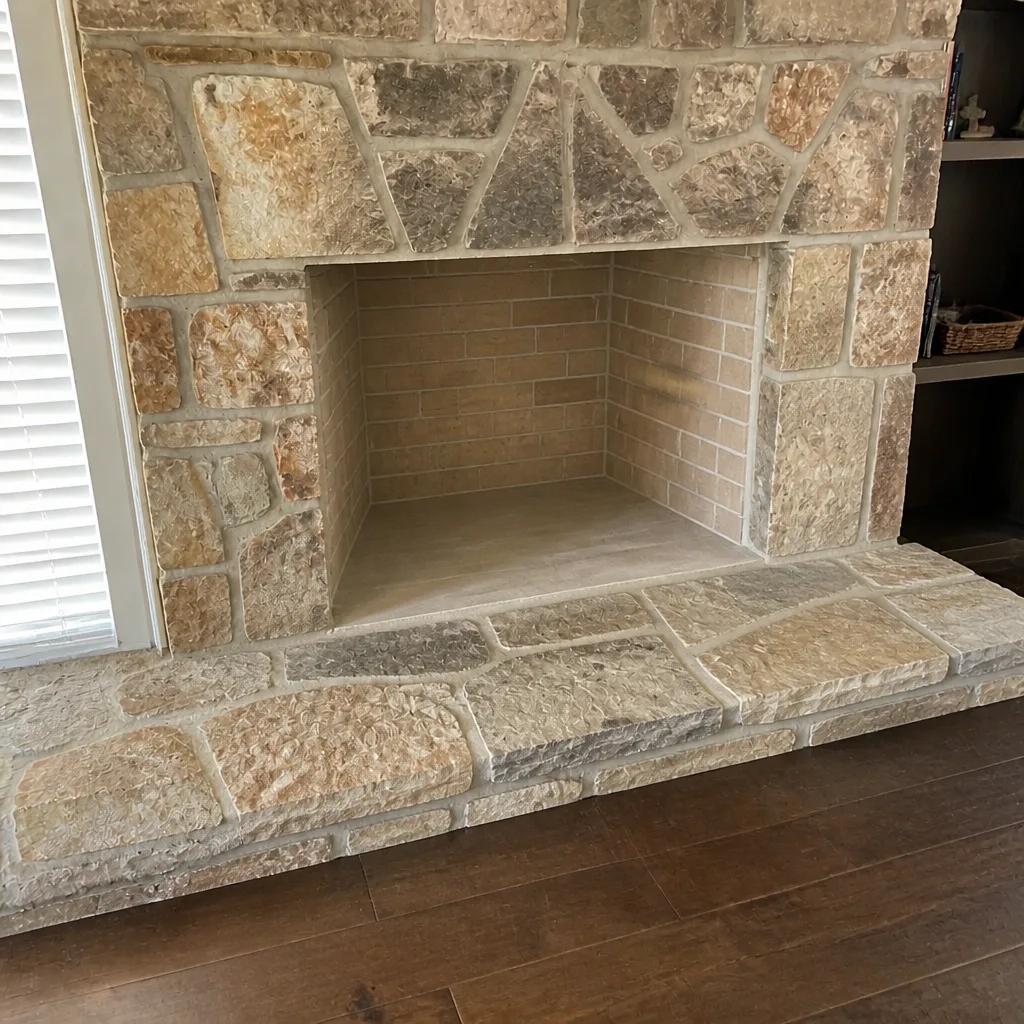
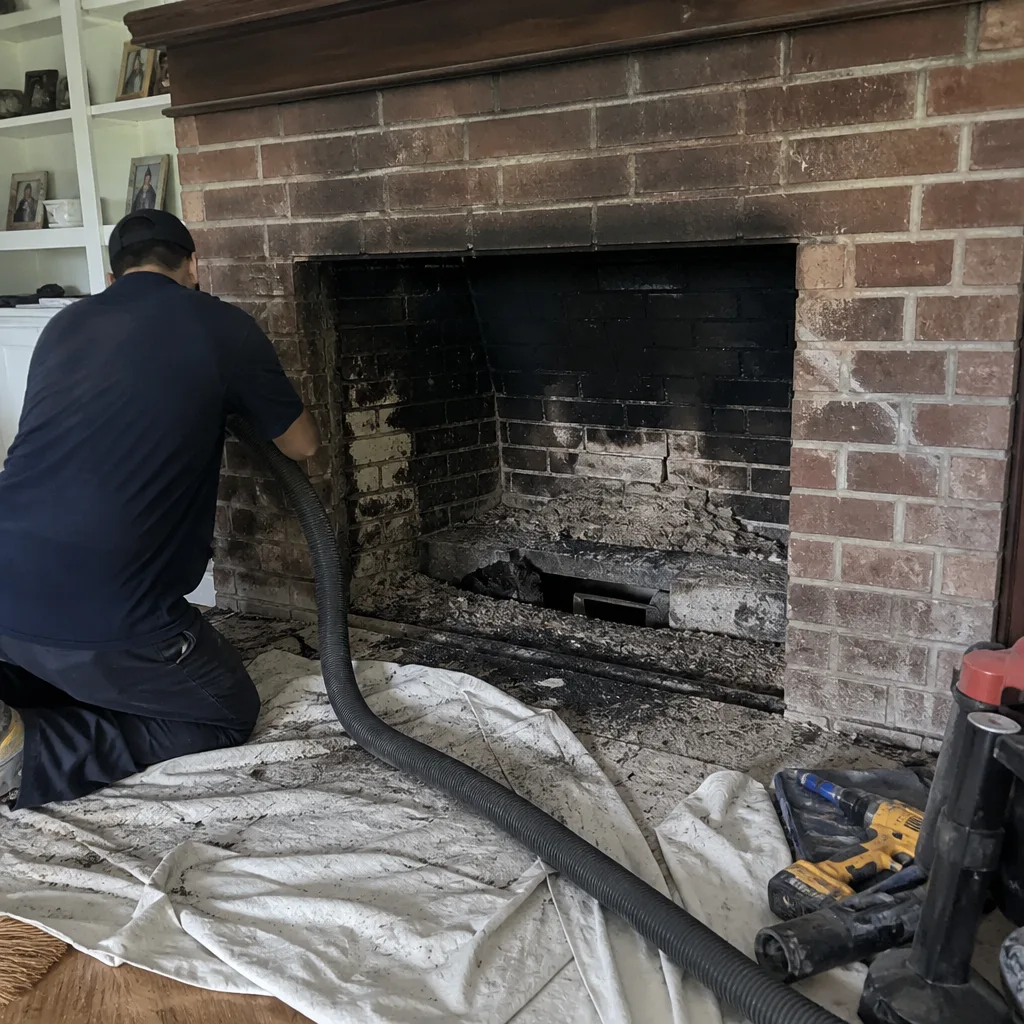
See the difference
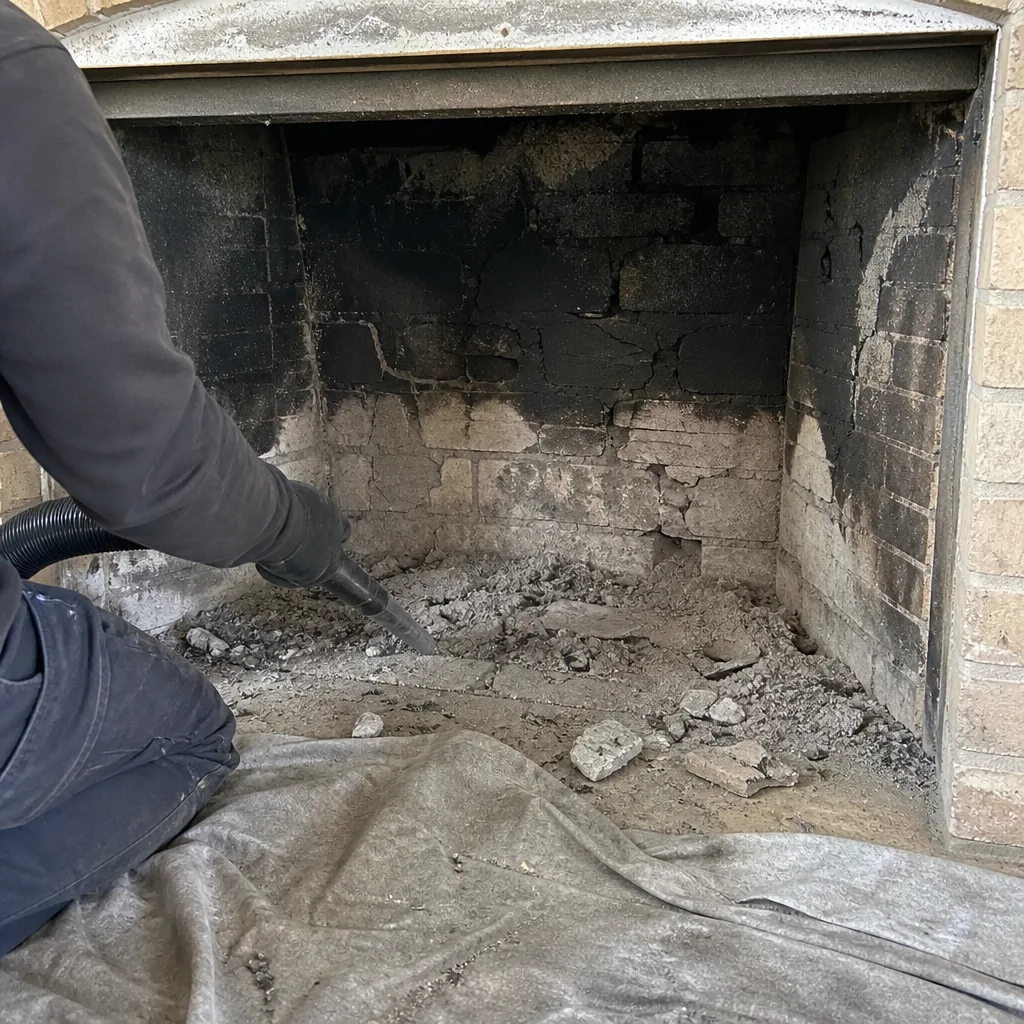 Before
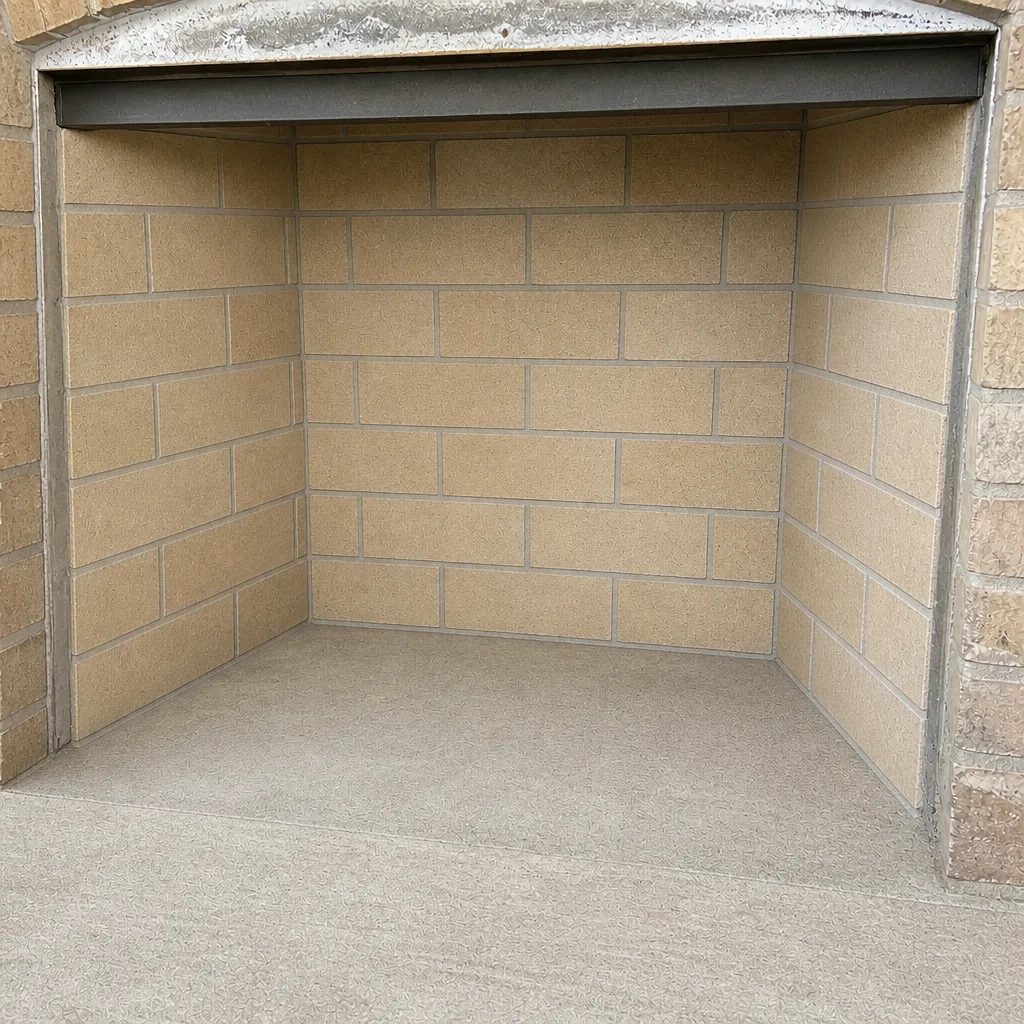 After
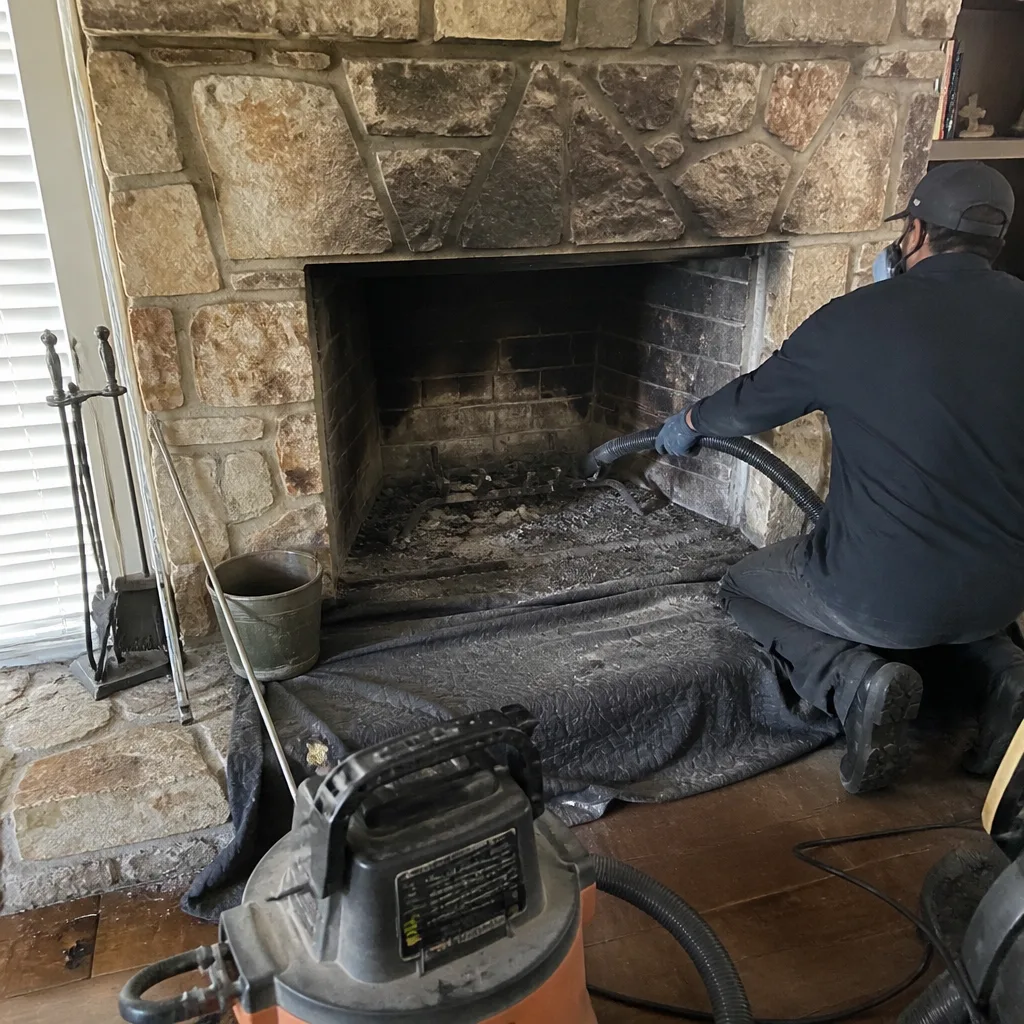 Before
 After
 Before
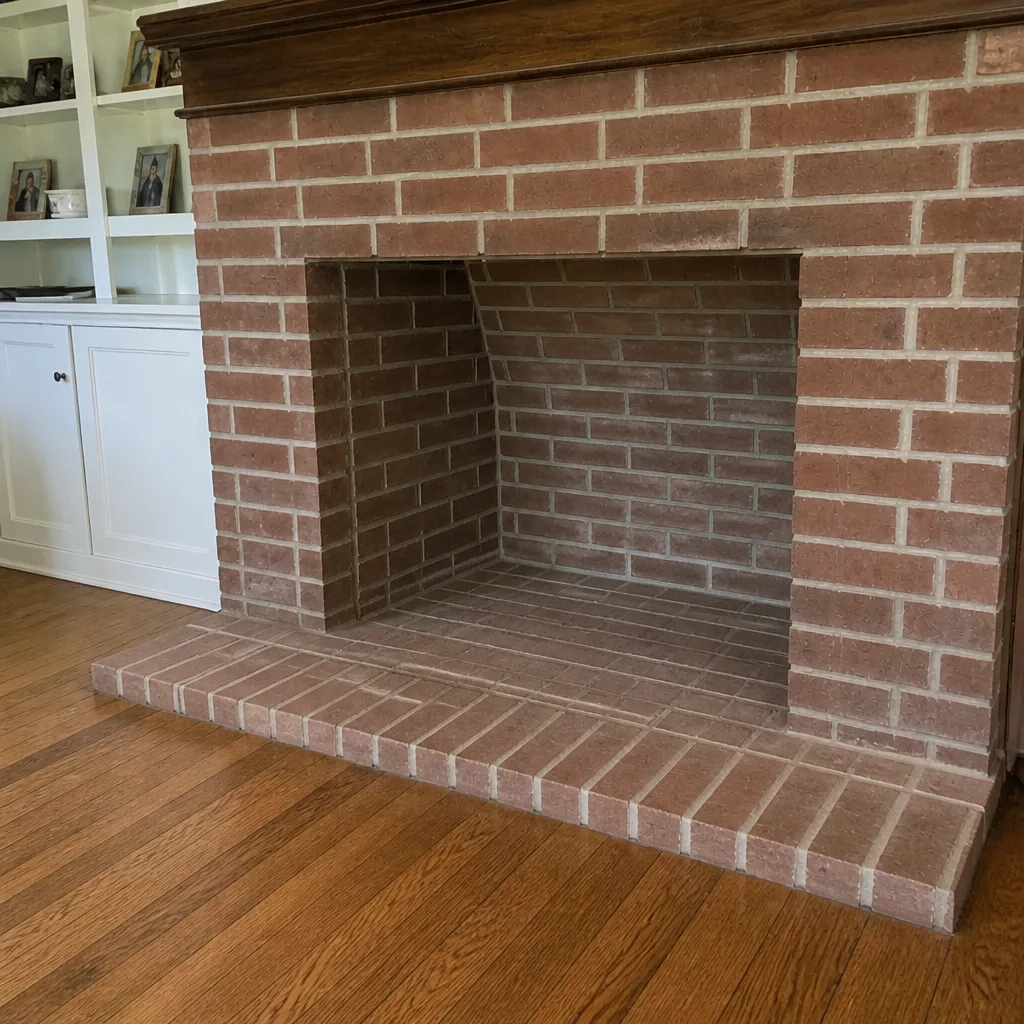 After
When to Call a Professional
Call in these situations: your last sweep was more than a year ago, or you don’t know when it was; you’ve burned through a full season without an inspection; you notice smoke coming back into the room, a smell after rain, or a stain on the ceiling or wall near the chimney; the cap is damaged or missing; the crown is cracked; or storm season has passed and you haven’t had the exterior checked. Also call if you smell gas near a gas fireplace, if the damper won’t seal, or if a smoke or carbon monoxide alarm has ever sounded near the fireplace. Those are stop-and-check signals, not “wait and see” ones.
Sugar Land Chimney Cleaning offers free estimates in Sugar Land – call (866) 809-2352. We answer 24/7. Fast dispatch from 7am to 7pm, Sunday through Friday. We sweep it, inspect it, and fix it, so findings from an inspection can be resolved rather than referred elsewhere.
Frequently Asked Questions
Most Sugar Land homes should have a chimney sweep and inspection once a year, with wood-burning fireplaces that see regular use swept every 50 to 75 fires. Gas systems need an annual inspection even with light use, and the two seasonal windows (post-summer and post-storm) add value beyond the annual visit. Call (866) 809-2352 for an exact quote – estimates are free.
You still need an annual inspection, though you may not need cleaning every year. A lightly used wood fireplace can pass inspection with only a sweep every other season, but the inspection is what determines that. Skipping inspections entirely is how small liner and crown problems go unnoticed for years. Call (866) 809-2352 to book an inspection and find out which category your chimney is in.
Yes. Gas doesn’t create creosote, but it produces moisture and mildly acidic condensate that can degrade a flue, and the vent can clog with debris. An annual inspection covers the burner, venting, and cap. If you smell gas, treat it as a safety matter and stop using the fireplace until it’s checked. Call (866) 809-2352 to schedule a gas fireplace inspection.
A routine chimney sweep and inspection in Sugar Land typically runs $150 to $300, depending on flue size and condition, and an inspection with a camera and photo report is often bundled with it. Repairs and liner work are quoted separately after inspection. The written estimate sets the final price. Call (866) 809-2352 for a free estimate.
It depends on the condition of the flue. When a liner is damaged but hasn’t failed, HeatShield ceramic resurfacing can restore it without a full reliner and save significant cost. When the damage is more extensive, a full reliner using a DuraFlex flexible system may be necessary. Nothing is recommended without camera evidence you can see for yourself, and we’ll tell you plainly when work can safely wait. Call (866) 809-2352 to book an inspection with a photo report.
Usually nothing dramatic right away, which is the trap: creosote builds in layers, small crown cracks let water in, and a loose cap goes unnoticed until a smell or stain appears. The problems that result are chimney fire risk from heavy creosote, water damage from a failed crown or flashing, and surprise repair bills. A maintenance schedule catches them while they’re still small. We answer 24/7 – call (866) 809-2352 for a free estimate.
The Bottom Line
The “once a year” rule is a starting point, not a schedule. Set your intervals around fuel type and burn frequency: wood-burning fireplaces on a 50-to-75-fire cycle or annually, gas systems on an annual inspection, and dual-fuel systems on the strictest timeline. Add the two Sugar Land calendar windows – the post-summer humidity inspection before the first fall fire, and the post-storm check after hurricane season. Track liner and cap condition separately from cleaning, keep a simple chimney log, and don’t skip the crown, cap, and flashing checks. Do that and you’ll catch the small problems before they become structural ones. Our technicians have up to 9 years of experience, and we handle sweeps, repairs, and dryer vents as one scope.
Call (866) 809-2352 for a free estimate. We answer 24/7. Fast dispatch from 7am to 7pm, Sunday through Friday.
Written by the team at Sugar Land Chimney Cleaning.