
Last updated November 15, 2026
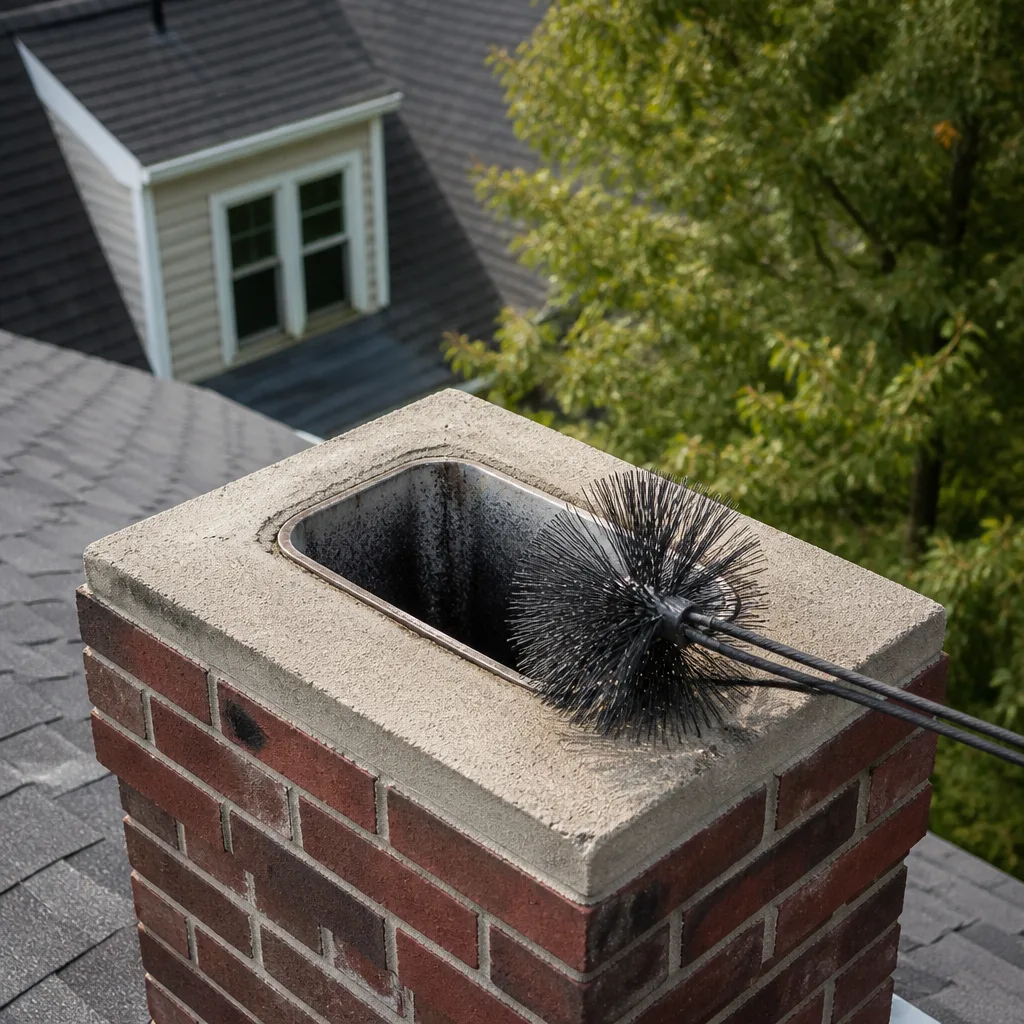 Sweep & inspection
 Caps & crowns
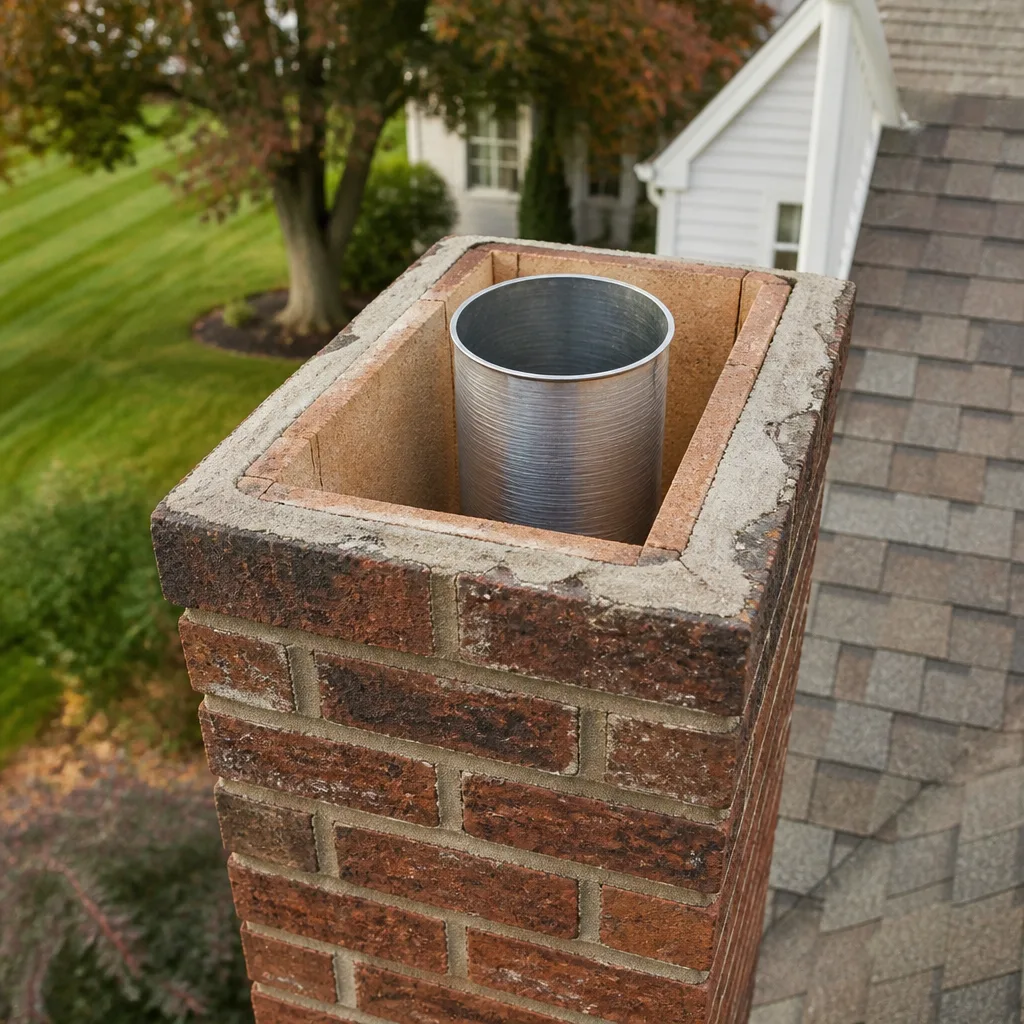 Flue relining
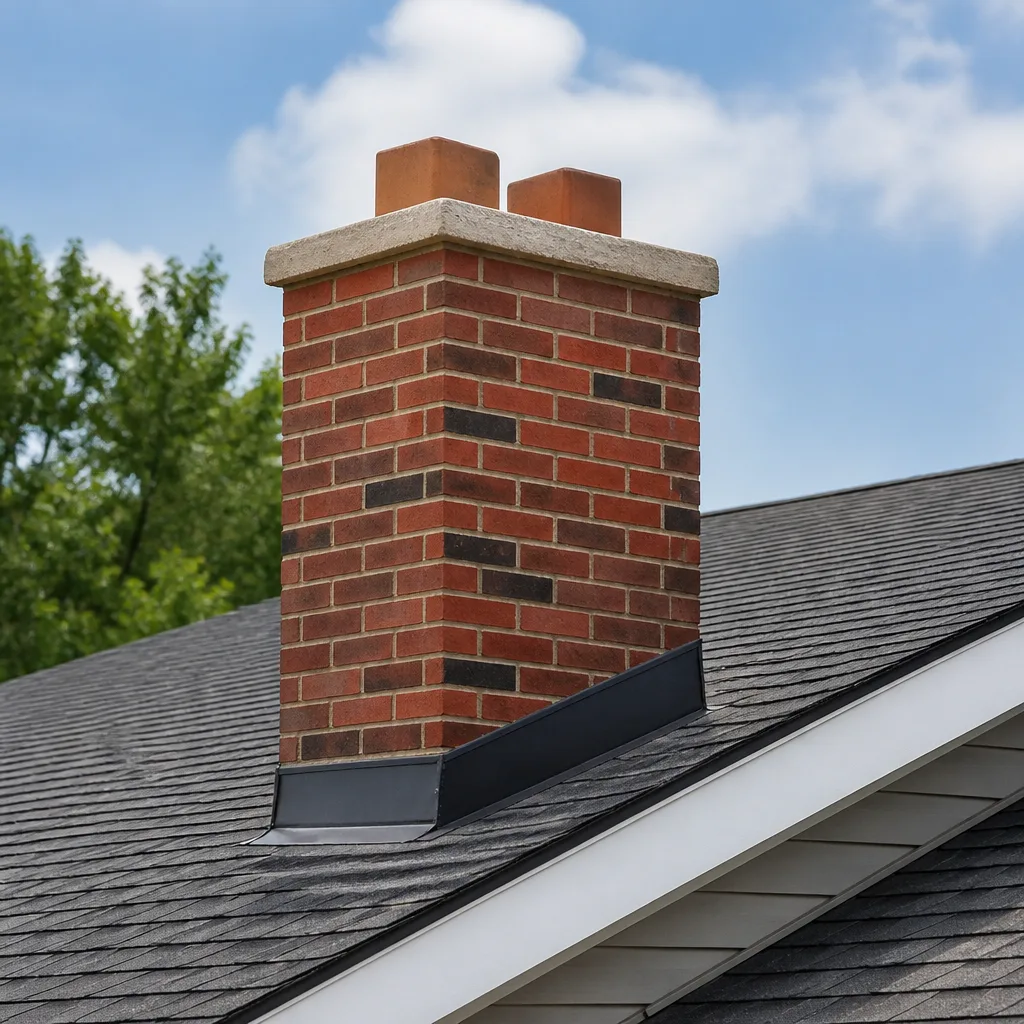 Masonry repair
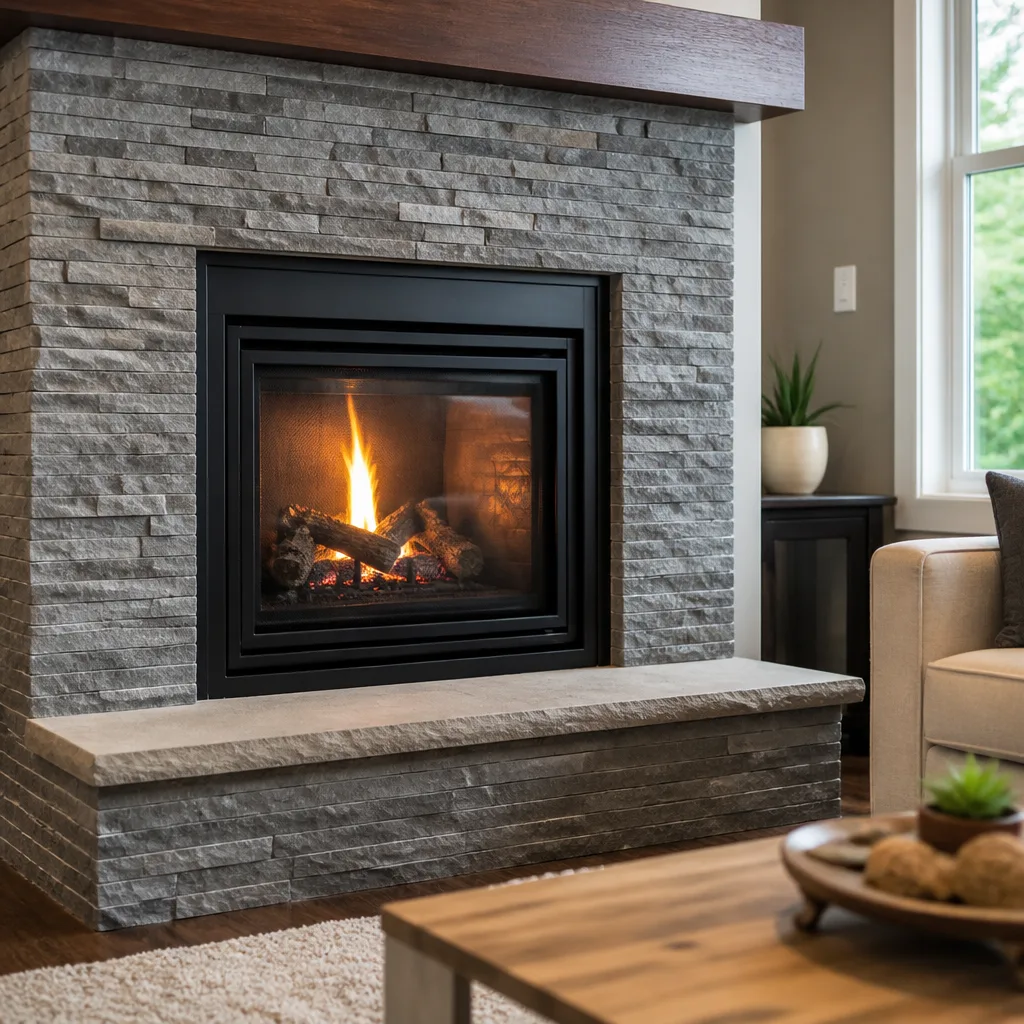 Gas fireplace service
Level 1 sweep and inspection to the NFPA 211 annual standard - flue, crown, cap, and flashing checked and photographed
Chimney sweep logs do not sweep chimneys. They loosen some creosote - which then falls where a brush and vacuum still have to collect it.
The Complete Guide to Chimney Cleaning in Sugar Land
Most chimney fires we hear about in mild-climate homes don’t start with a thick, glossy layer of creosote built up over a long heating season. They start with moisture. A chimney in Sugar Land sits through humid summers, driving rain against the crown, and clay soil that shifts under the footing, and all of that quietly works on the masonry and the flue between the handful of fires a family actually lights each winter. That’s a different failure pattern than the one most national chimney guides describe, and it’s why a sweep alone doesn’t tell the whole story here. This guide translates general chimney knowledge into what actually applies to a Houston-area home: how humidity and soil shape deterioration, why a fireplace used 15 times a season still needs annual service, and what a complete appointment should include.
Quick Answer
Chimney cleaning in Sugar Land should happen once a year for any wood-burning fireplace, even one used only 10 to 20 times a season, because humidity, animal nesting, and debris build up between burns regardless of how often you light a fire. A complete appointment covers more than brushing the flue: it includes a Level 1 inspection of the cap, damper, liner, crown, and firebox, plus a camera look at the interior where needed. Gas fireplaces need their venting checked too, and dryer vents deserve the same attention since they’re the other leading cause of residential house fires.
Styles & brands we work with
- Sweep & inspection
- Caps & crowns
- Flue relining
- Masonry repair
- Gas fireplace service
Table of Contents
- Why Chimney Care in Sugar Land Looks Different
- Why an Annual Sweep Still Matters for Light Use
- Level 1, 2, and 3 Inspections: Which One Do You Need?
- Gas Fireplace Venting vs. Wood-Burning Problems
- What a Complete Service Appointment Should Include
- Cleaning vs. Repair: When Sweeping Isn’t Enough
- The Other Fire Hazard: Your Dryer Vent
- What Chimney Cleaning Costs in Sugar Land
Why Chimney Care in Sugar Land Looks Different
Chimney guidance written for New England or the upper Midwest assumes a long, cold burn season and a freeze-thaw cycle that punishes masonry every spring. Sugar Land doesn’t work that way. Winters here are mild, the burn season is short, and the real pressure on a chimney comes from the other three seasons: heat, humidity, and soil that holds water.
The clay-heavy soil common across Fort Bend County is the quiet culprit. It swells when it’s wet and shrinks as it dries, and that movement happens right under the chimney footing. Over time, that subtle shift opens hairline cracks in the mortar joints and around the flashing where the chimney meets the roof. Once water finds a path in, high summer humidity keeps the masonry damp for weeks. Damp mortar crumbles faster than dry mortar, and a chimney that would last decades in a dry climate can show real spalling and joint erosion here in a fraction of that time.
That changes the priority order for a Sugar Land homeowner. In a cold climate, the annual question is mostly about creosote. Here, the annual question is structural as much as it is about soot:
- Mortar joints erode from moisture before they ever fail from heat.
- Flashing at the roof line lifts and cracks as the roof and chimney move at different rates.
- Crowns develop hairline cracks that let water straight into the flue.
- Liner interiors can pit and flake from condensation when a rarely used chimney stays cool and damp.
This is why we treat the structural check as important as the sweep itself, and why a company that only cleans and hands you a report leaves you chasing a second contractor for the repairs. We sweep it, inspect it, and fix it, all under one call.
Why an Annual Sweep Still Matters for Light Use
If you light your fireplace a dozen times between November and February, it’s easy to assume there’s nothing to clean. That assumption is where a lot of Sugar Land chimney problems start. Debris accumulates whether or not you burn, and a chimney that sits idle most of the year is an attractive, protected space for wildlife and a slow collector of moisture and nesting material.
Here’s what actually builds up in a lightly used chimney over 12 months:
- Animal nesting. Birds, squirrels, and raccoons find an uncapped or damaged-cap flue inviting. Nests block the flue and are highly combustible.
- Moisture intrusion. Rain and humid air carry water into the flue, and that water combines with soot to form a sticky, corrosive paste that damages the liner.
- Concentrated creosote. A few hot fires followed by long idle periods can leave dense, glazed deposits in the smoke chamber and the upper flue, because the chimney never gets warm enough for long enough to burn them off.
- Debris and leaves. The cap screens and the firebox collect whatever the wind brings.
- Soot from even a small number of fires. Every burn leaves a film, and that film is what the brush is there to remove.
The national standard is a sweep and inspection once a year for any chimney in use, and that standard holds in Sugar Land for exactly these reasons. It’s not about how many fires you light; it’s about everything that happens in the 350-odd days you don’t. Keeping that annual rhythm is the single most reliable way to know what’s going on with your flue before you light the next fire.
If you’ve never had the flue looked at, or it’s been more than a year, a chimney sweep is the right place to start. A proper sweep is a booked appointment, and the value is in the inspection that comes with it.
Level 1, 2, and 3 Inspections: Which One Do You Need?
Chimney inspections come in three recognized levels, and the difference isn’t about how thorough the technician feels like being, it’s about what access the situation requires. Most Sugar Land homeowners need a Level 1 as part of their annual service. The higher levels come into play for specific reasons.
- Level 1: A visual inspection of all readily accessible parts of the chimney and venting, done during a routine sweep. It covers the firebox, damper, smoke chamber, visible flue, cap, crown, and the exterior where it meets the roof. This is what an annual maintenance visit includes.
- Level 2: Everything in a Level 1 plus a closer look, including a camera inspection of the flue interior. You need this when you’ve changed the appliance (a new insert, a new stove), after a chimney fire or a seismic event, when you’re buying or selling a home, or when you’ve noticed a problem the Level 1 can’t explain.
- Level 3: The most involved, and it’s reserved for when a Level 2 finds something that requires access behind or inside the chimney structure, such as concealed damage. It can mean removing parts of the chimney or wall to see what’s going on.
For a Sugar Land home, the practical takeaway is this: annual service should give you a Level 1 every time, and a camera inspection is worth requesting whenever the flue has never been scoped, when moisture damage is suspected, or before you buy a house with a fireplace you intend to use. Camera inspection and a photo report are how you see the inside of the flue for yourself instead of taking someone’s word for it. That matters here, because the degradation pattern in this climate hides in the interior of the liner far more than it does on the brick you can see.
Gas Fireplace Venting vs. Wood-Burning Problems
Gas fireplaces get overlooked in mild climates because they don’t produce creosote, and homeowners reasonably assume there’s nothing to clean. The problem is that gas venting fails for different reasons, and those reasons are easy to miss when nobody’s looking at the flue.
A gas fireplace still vents combustion byproducts, including water vapor and carbon monoxide, up and out through the flue. In a Sugar Land home that runs the fireplace lightly, that venting system rarely gets hot enough to dry itself out fully. The result is condensation inside the vent, which can rust metal vent components, degrade seals, and in some setups let moisture pool where it shouldn’t. A blocked or disconnected vent doesn’t announce itself; it just means exhaust has a path it shouldn’t have, which is a carbon monoxide concern, not just a fireplace performance issue.
What a gas fireplace check should cover:
- The vent termination and cap, to confirm it’s clear of nests and debris.
- Vent connections and joints, to make sure the flue is still sealed and properly attached.
- The firebox and glass, and the condition of the logs or media.
- Whether the venting runs at the correct rise and terminates where it should.
If you have a gas fireplace, don’t skip it because there’s no creosote to sweep. The check is about the vent path and the seal, and it’s quick to fold into a broader appointment. And because carbon monoxide is involved with any gas appliance, this is not a job to diagnose yourself; a trained professional with the right equipment should look at the venting and confirm it’s doing its job.
What a Complete Service Appointment Should Include
A brush down the flue is the visible part of the job. The useful part is everything that happens around it, because that’s where the findings that protect your home actually come from. A complete appointment should walk through the whole system and tell you the condition of each piece in plain terms.
- The firebox and damper. Check the firebox for cracked brick and failing joints, and confirm the damper opens and closes smoothly and seals when shut.
- The smoke chamber and flue. Sweep the flue and inspect the interior for cracks, gaps, and deposits. A camera inspection shows what a visual look can’t.
- The liner. Confirm the liner is intact and properly sized for the appliance. Pitting, gaps, and separation are the things to catch early.
- The cap and crown. The cap keeps water and animals out; the crown sheds water off the top of the chimney. Both fail quietly and both are fixable.
- Exterior masonry and flashing. Look at the mortar joints and the flashing where the chimney meets the roof, especially given the soil movement and humidity here.
- The firebox-to-flue connection. Confirm there’s no path for smoke or carbon monoxide to escape into the home.
A proper appointment ends with a clear report, photos you can actually look at, and a straightforward answer to a simple question: is this safe to use, and if not, what needs to happen first. Nothing should be recommended that you can’t see the evidence for.
Cleaning vs. Repair: When Sweeping Isn’t Enough
Cleaning removes what’s in the flue. Repair fixes what’s wrong with the chimney. In Sugar Land’s climate, the second part comes up more often than national guides suggest, because moisture and soil movement work on the masonry continuously.
When a sweep turns up damage, the fix depends on what’s found. Cracks in the crown, spalling mortar, and lifted flashing are structural chimney repairs, and they’re the kind of thing that only gets more expensive the longer water gets in. A damaged flue liner is the more serious category, because an unlined or cracked flue lets heat and combustion gases reach the framing and the interior of the house. That’s a safety problem, and it’s not something to patch over.
For liner problems, there are more options than a full reliner. HeatShield ceramic resurfacing restores a damaged flue from the inside, rebuilding the liner surface without the cost of a full replacement when the existing structure is sound enough to support it. We’re HeatShield-certified for exactly this application, and it’s a repair we recommend when it’s the right fit and not when it isn’t. When a full liner is genuinely needed, DuraFlex flexible liner systems let us install a proper liner even in offset or irregularly shaped flues where a rigid system simply won’t fit. Both are professional-grade products, not big-box materials, and installing them correctly is the whole point.
The honest version: not every finding means work right now. Some things can safely wait and be watched. Others can’t. Our job is to tell you which is which with camera evidence in front of you, not to talk you into thousands of dollars of liner and masonry work you have no way to verify.
The Other Fire Hazard: Your Dryer Vent
Here’s the part of home fire safety that gets almost no attention next to the fireplace. A clogged dryer vent is one of the leading causes of residential house fires, and it’s a hazard that builds silently in the same homes we service for chimneys. Lint accumulates in the vent run over time, the dryer works harder and runs hotter, and the vent itself becomes the fuel path.
In a humid climate, there’s an added wrinkle: moisture in the vent run can cause lint to clump and stick instead of moving through, which speeds up the clog. If your dryer takes longer than it used to, the outside of the dryer gets hot, or you notice a musty smell in the laundry area, those are reasons to have the vent checked.
What dryer vent cleaning actually involves:
- Disconnecting the dryer and clearing the vent run from the appliance to the exterior termination.
- Removing accumulated lint from the full length of the duct, not just the part you can reach.
- Checking the exterior flap to confirm it opens and closes properly and isn’t blocked by lint or nesting.
- Confirming the duct material is the kind that won’t trap lint or sag and collect moisture.
We handle both hazards in one visit because they’re both combustion-related and both in your home. Your dryer vent deserves a look at least as often as your chimney does, and there’s no reason to deal with two different companies when the same appointment can cover both.
What Chimney Cleaning Costs in Sugar Land
Chimney cleaning in Sugar Land is priced per job, and a written estimate sets the final number once the technician has seen the chimney. The ranges below reflect what typical service falls into for a Houston-area home, but treat them as a starting point, not a quoted price; a straightforward single-story flue and a two-story chimney with a damaged crown are not the same job.
| Service | Typical Estimated Range |
|---|---|
| Standard chimney sweep (cleaning + Level 1 inspection) | $150 – $300 |
| Level 2 inspection with camera | $200 – $400 |
| Dryer vent cleaning | $120 – $250 |
| Chimney cap installation | $150 – $350 |
| Crown repair | $250 – $600 |
| Mortar joint and flashing repair | Varies with scope, quoted on site |
| HeatShield flue resurfacing | $800 – $2,000 |
| DuraFlex liner installation | $2,000 – $5,000 |
The estimate itself is free, and the price is set by the written estimate per job. Camera inspection and a photo report are part of the process where they’re needed, so you see what the technician sees before anything is approved. Call (866) 809-2352 for an exact quote; estimates are free.
Common Mistakes to Avoid
- Skipping the annual sweep because you only burn a little. Light use is exactly the situation where moisture, nesting, and concentrated deposits build up unseen; a few fires a season is a reason to check, not a reason to skip.
- Treating the sweep as the whole job. A brush with no real inspection of the crown, cap, damper, liner, and flashing misses the moisture damage that this climate causes; the inspection is where the value lives.
- Ignoring a cracked crown or spalling mortar. These are the quiet failures that let water into the flue, and in Sugar Land’s humidity and shifting clay soil, a small crack gets worse faster than you’d expect.
- Assuming the gas fireplace needs no attention. No creosote doesn’t mean no maintenance; gas venting collects condensation, can rust, and needs its seal and termination checked.
- Waiting for “symptoms” before calling anyone. By the time you notice a draft, smoke coming into the room, or a smell, the problem is usually well along. An annual check catches it early.
- Letting one company inspect and another repair. When the inspection and the repair are split, findings get dropped between contractors; we can resolve what the inspection finds without subcontracting it out.
- Forgetting the dryer vent entirely. The chimney gets the attention, but the dryer vent is the other leading fire risk in the same house, and it gets neglected for years at a time.
See the difference
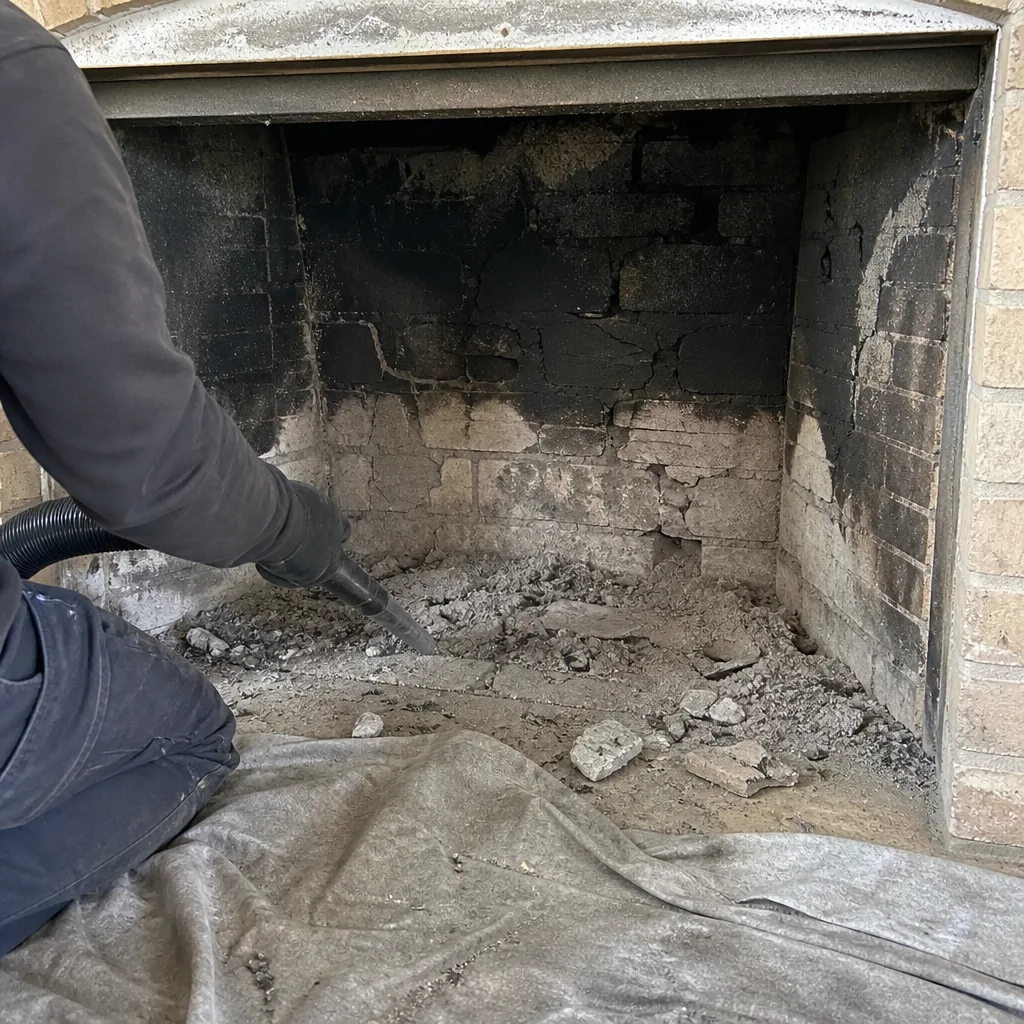 Before
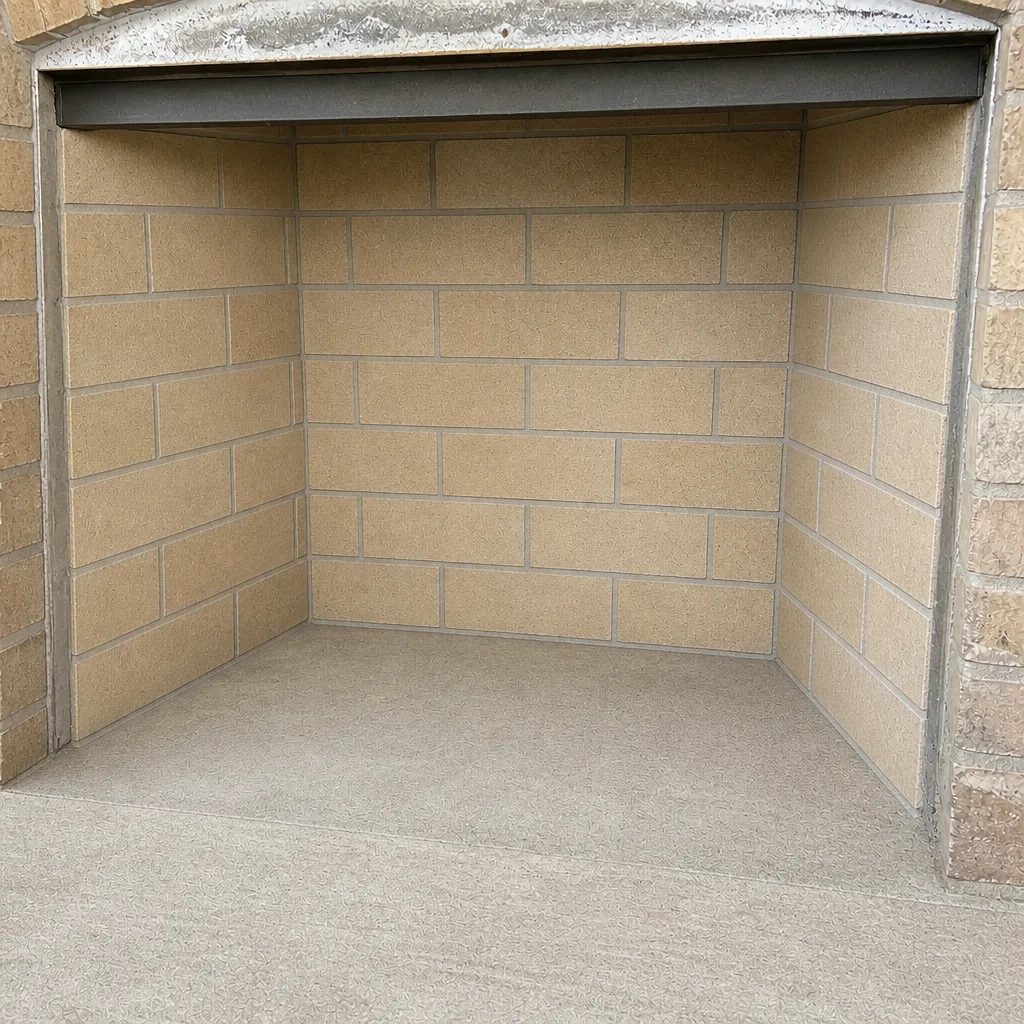 After
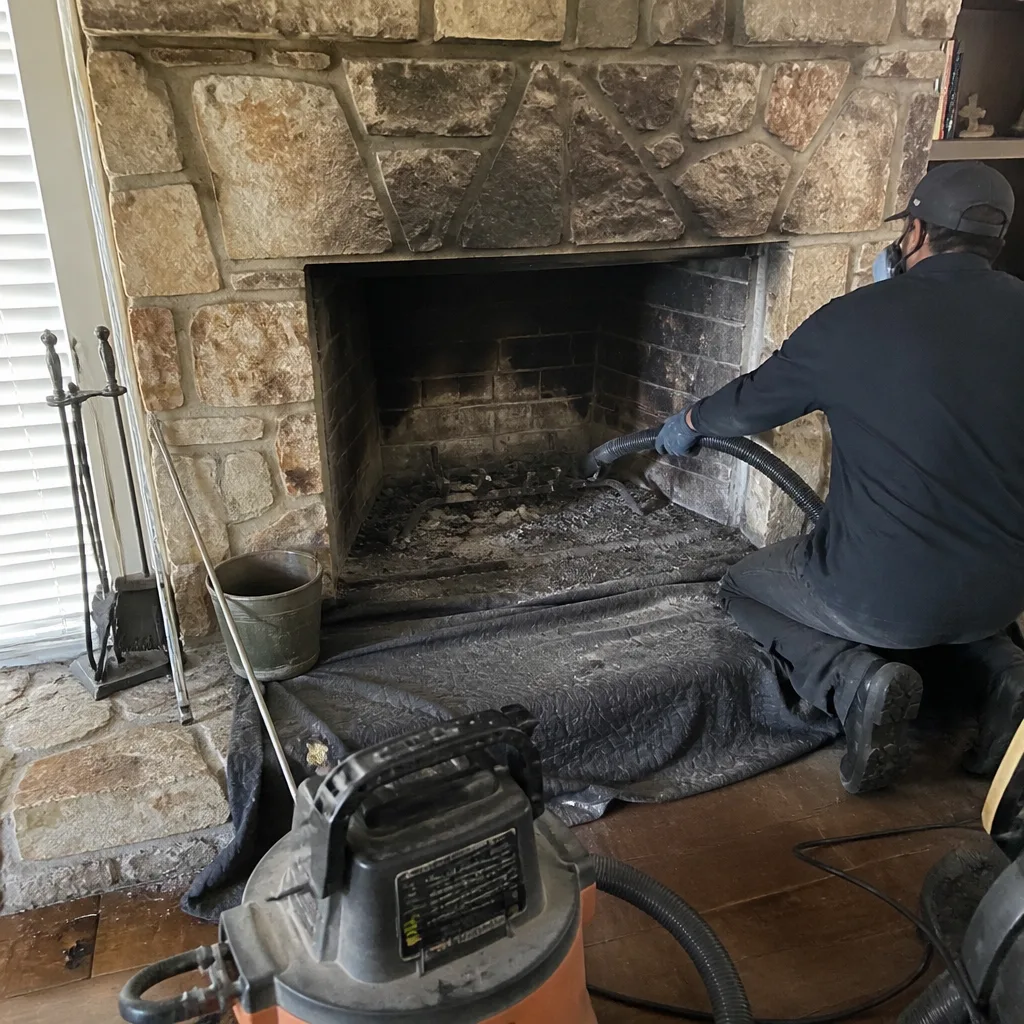 Before
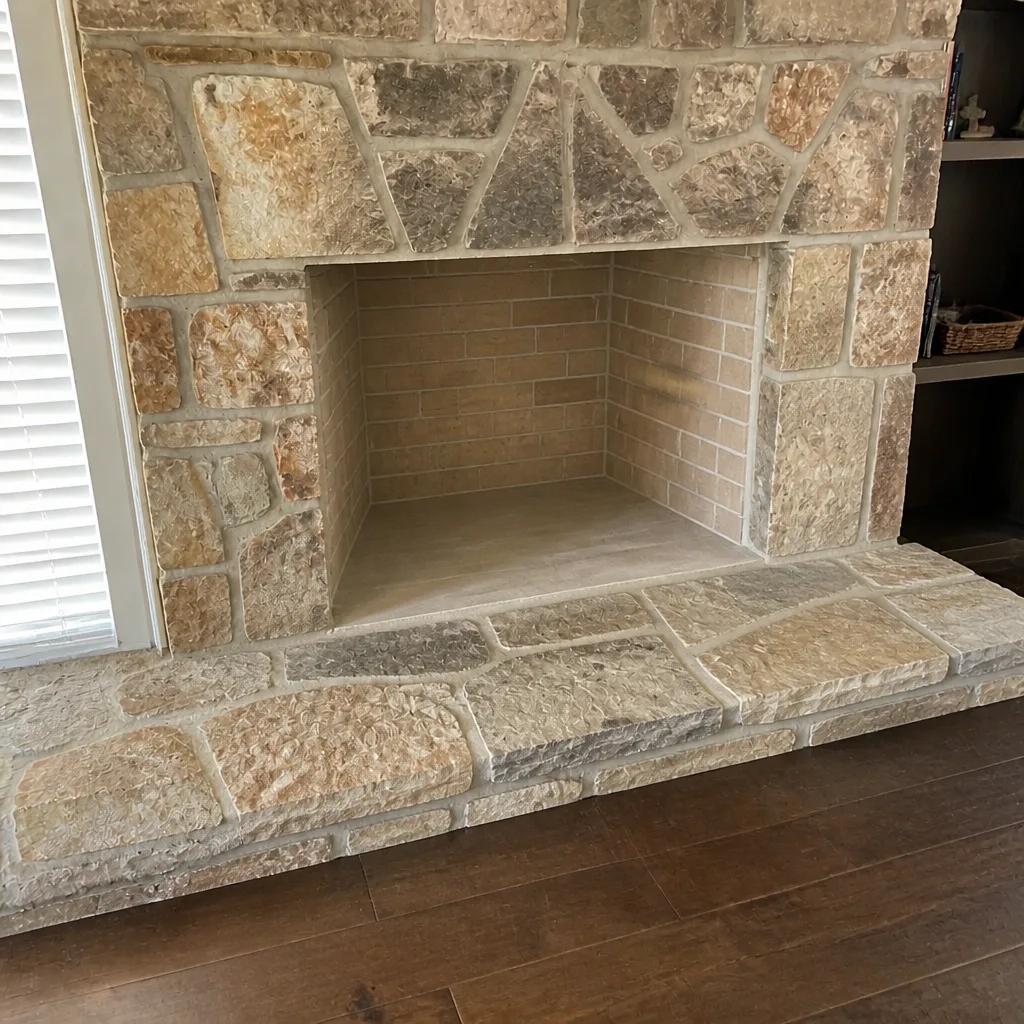 After
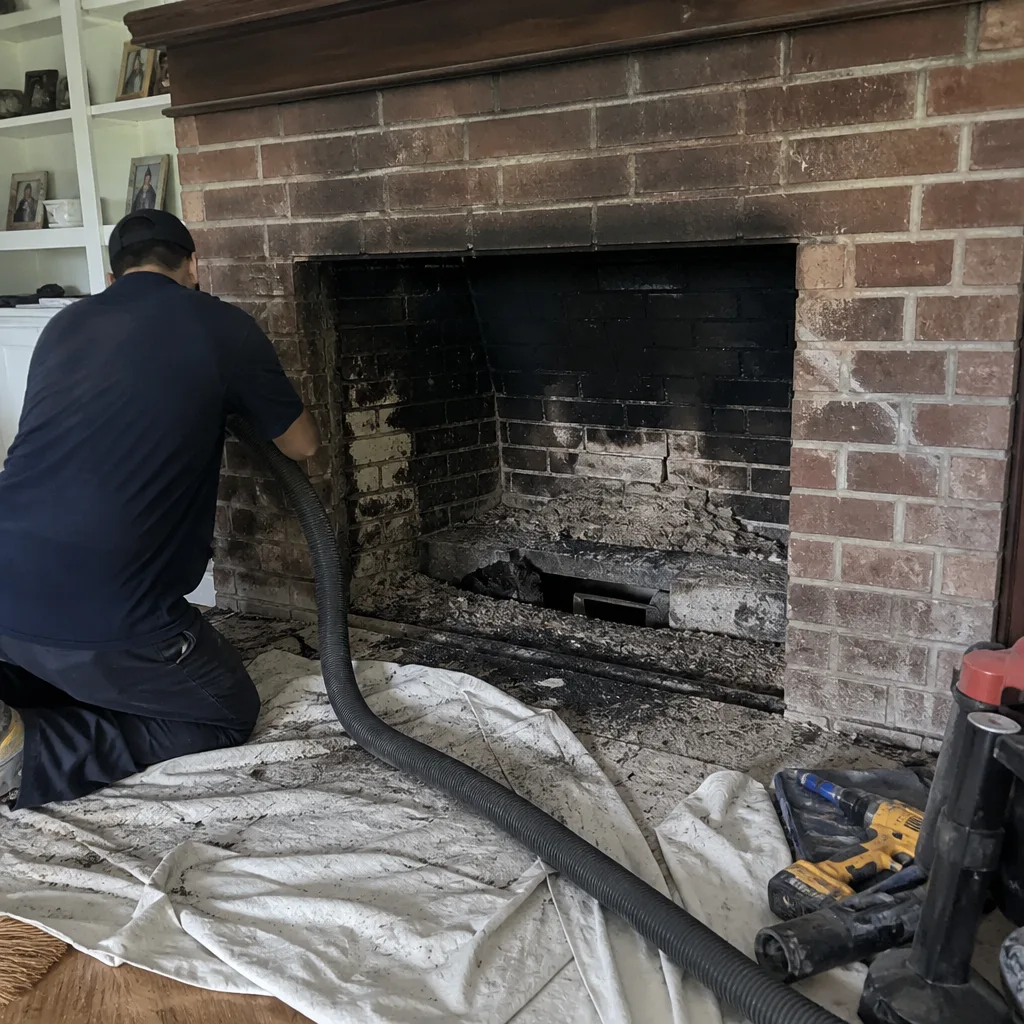 Before
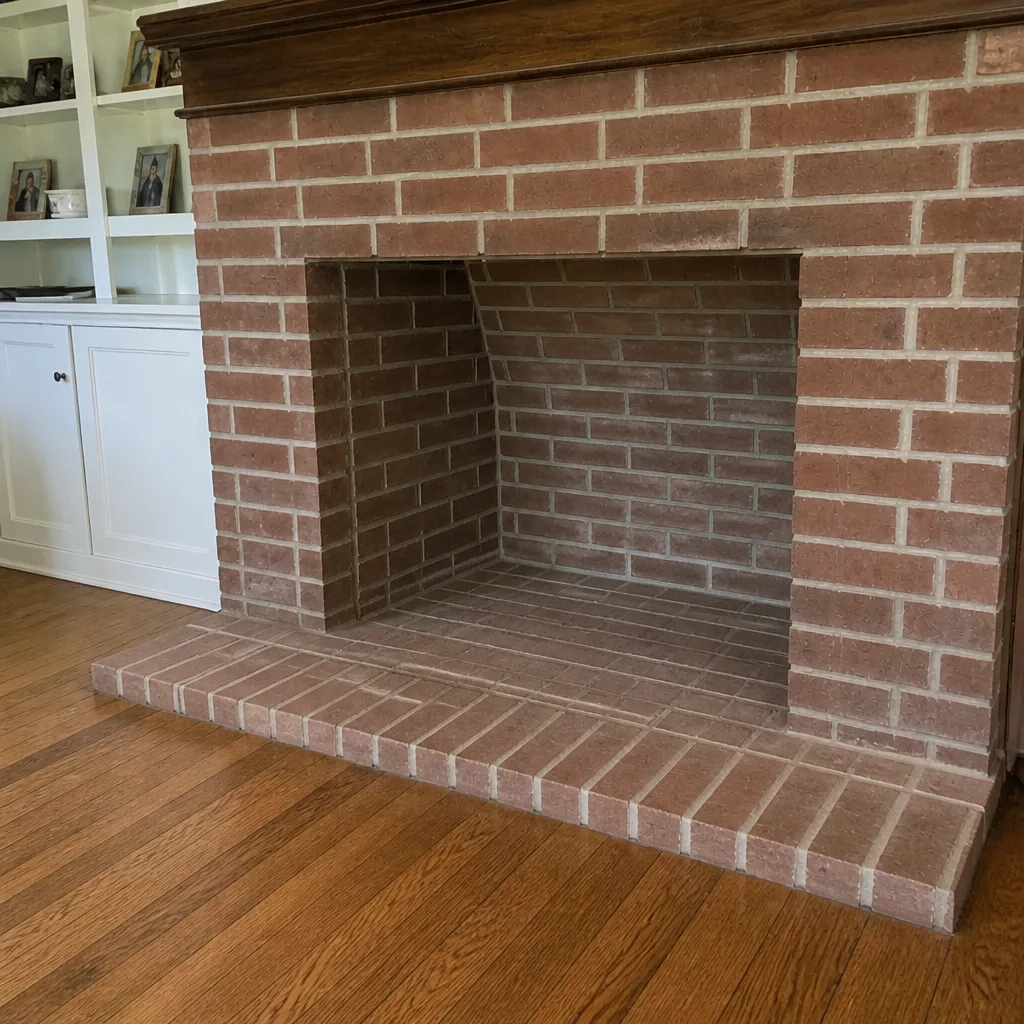 After
When to Call a Professional
Call for the annual sweep before your first fire of the season, and call sooner if you see or smell anything off. Specific reasons to pick up the phone: smoke rolling back into the room instead of up the flue, a strong creosote or sooty smell when the fireplace is cold, visible cracking in the firebox or on the exterior masonry, water stains around the chimney on the ceiling or wall, a missing or damaged cap, or animals you suspect are in the flue. If you’ve bought a home with a fireplace and don’t know its history, get it inspected before the first burn rather than after. And if your dryer is taking longer to dry a load or running hot, have the vent checked at the same time.
Sugar Land Chimney Cleaning offers free estimates in Sugar Land. Call (866) 809-2352. We answer 24/7, and fast dispatch runs from 7am to 7pm, Sunday through Friday.
Frequently Asked Questions
A standard chimney sweep in Sugar Land typically falls in the $150 to $300 range, including a Level 1 inspection, with the final price set by a written estimate based on the specific chimney. Call (866) 809-2352 for an exact quote; estimates are free.
Once a year, regardless of how often you burn. In Sugar Land, animal nesting, moisture intrusion, and debris accumulate between burns, and a lightly used chimney can develop concentrated creosote deposits because it never stays hot long enough to burn them off. Call (866) 809-2352 to book an annual sweep.
Not always. A cracked or damaged flue can sometimes be restored with HeatShield ceramic resurfacing instead of a full reliner, and that decision should be based on camera evidence you can see for yourself. When a full liner is the honest answer, we install DuraFlex systems that fit offset flues properly. Call (866) 809-2352 and we’ll show you what we find before recommending anything.
Debris and moisture build up, creosote deposits harden, and moisture damage to the mortar, crown, and liner progresses quietly. The real risk is a chimney fire or carbon monoxide exposure from a compromised flue, not just a smoky fireplace. Call (866) 809-2352 for an inspection before the next burn season.
Yes. Gas fireplaces don’t produce creosote, but their venting can collect condensation, rust, or come loose, and a blocked gas vent is a carbon monoxide concern. An annual check of the vent path and seal is worth doing. Call (866) 809-2352 to schedule a gas fireplace inspection.
It comes down to the climate. The clay-heavy soil here shifts with wet and dry cycles, which cracks mortar and flashing, and the high humidity keeps the masonry damp so it degrades faster than in a dry climate. That’s why structural checks matter as much as the sweep. Call (866) 809-2352 for a free estimate on any repair.
The Bottom Line
Chimney care in Sugar Land is a year-round job even though the burn season is short. The dominant threats here aren’t long-season creosote; they’re moisture, shifting clay soil, and the animal nesting and debris that come with a chimney that sits mostly idle. That means an annual sweep and inspection is the baseline, structural checks of the crown, flashing, and masonry are just as important, and the camera report is how you verify what’s actually going on before you authorize repair work. Add the dryer vent to the same maintenance rhythm, keep the gas fireplace on the list too, and you’ve covered the two biggest fire hazards in the house in one visit. Call (866) 809-2352 for a free estimate.
Learn more about Sugar Land Chimney Cleaning and the service area we cover, including homeowners across Sugar Land. We answer 24/7, and fast dispatch from 7am to 7pm runs Sunday through Friday.
Written by the team at Sugar Land Chimney Cleaning.