
Last updated November 15, 2026
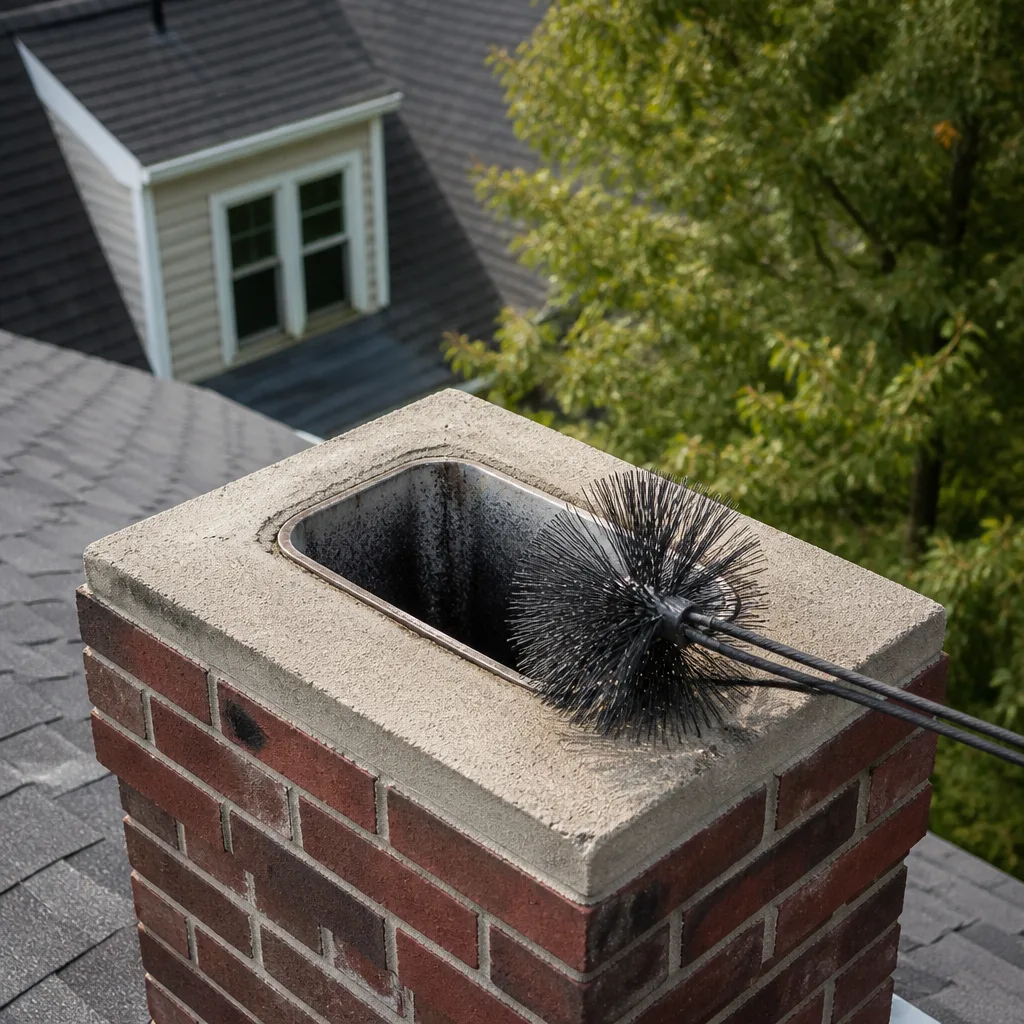 Sweep & inspection
 Caps & crowns
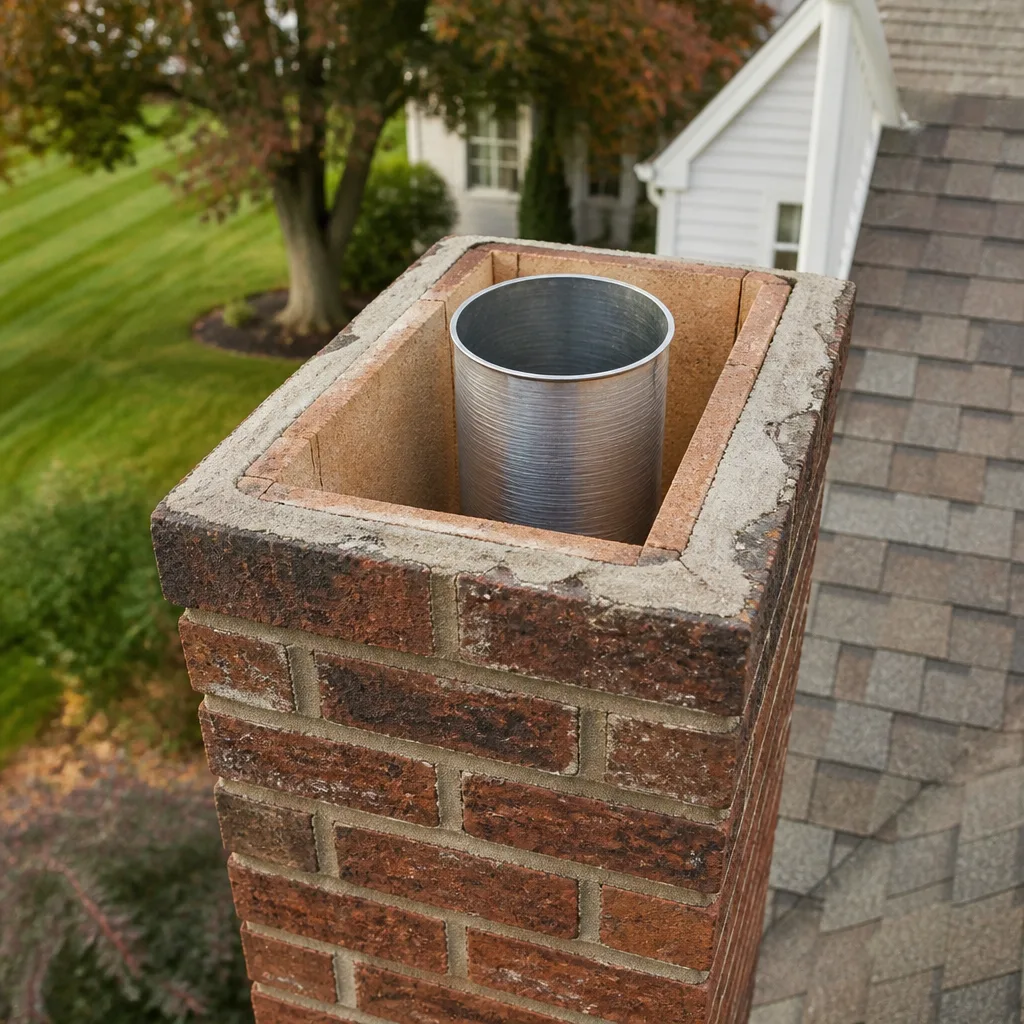 Flue relining
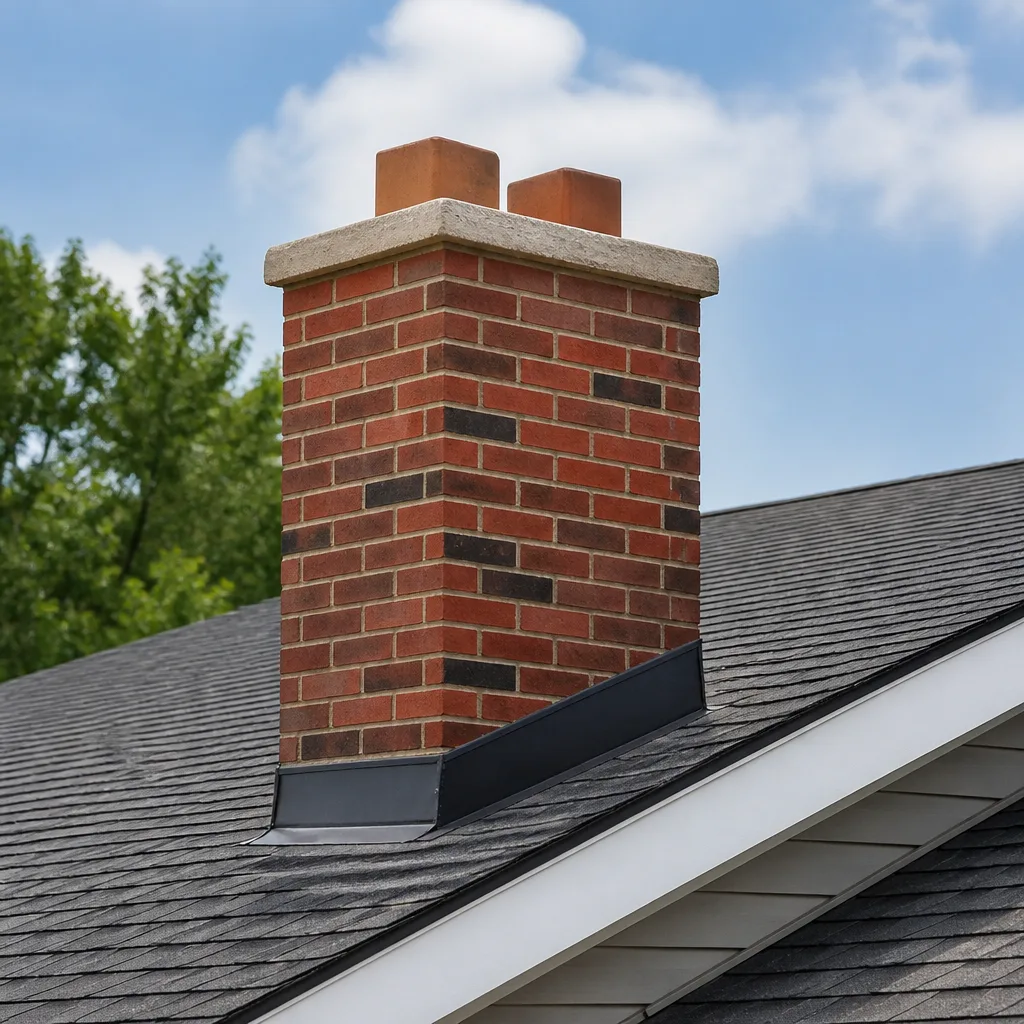 Masonry repair
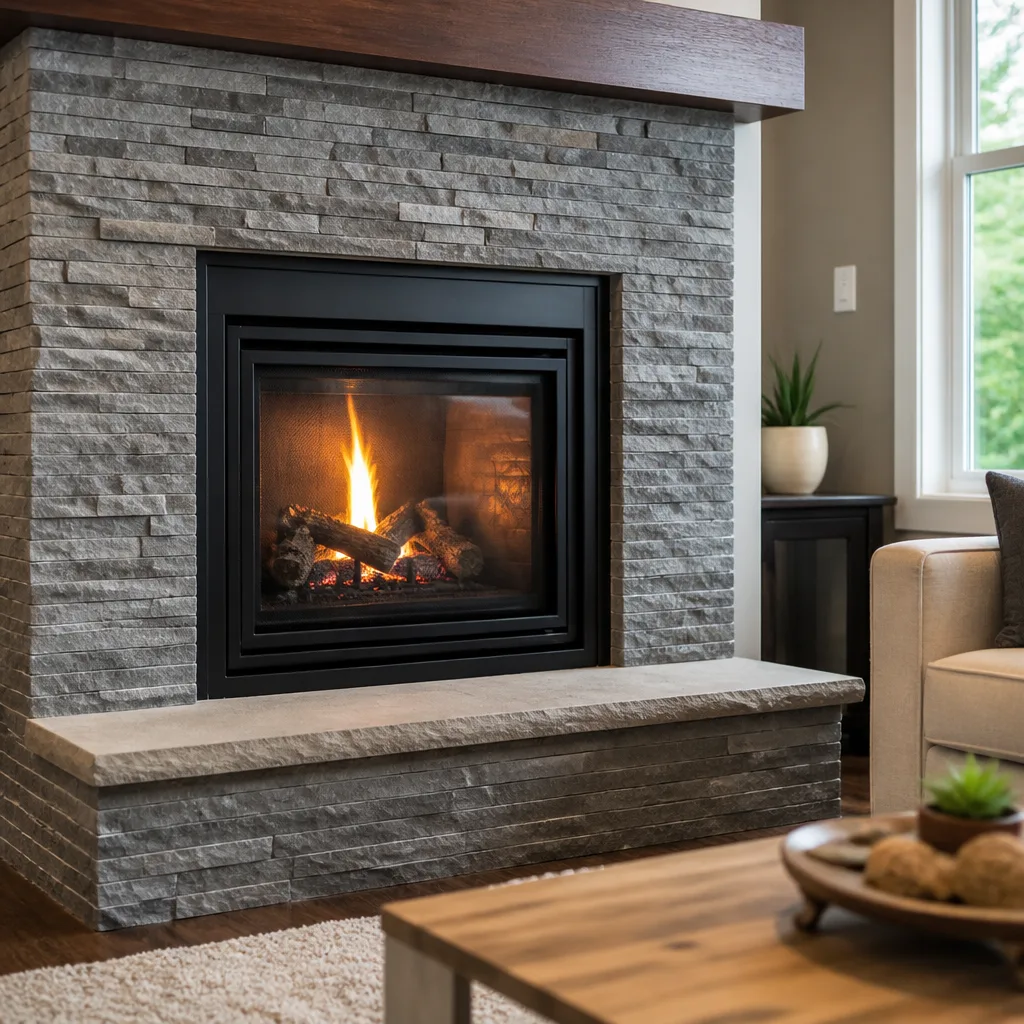 Gas fireplace service
Level 1 sweep and inspection to the NFPA 211 annual standard - flue, crown, cap, and flashing checked and photographed
Chimney sweep logs do not sweep chimneys. They loosen some creosote - which then falls where a brush and vacuum still have to collect it.
How to Hire a Chimney Cleaning Contractor in Sugar Land: A Step-by-Step Guide
That coupon in the mail looks harmless: a sweep for less than the price of dinner. And for a genuinely clean chimney, it can be a fair deal. But a chimney sweep is a cleaning task, and an honest inspection often turns up something else – a cracked flue tile, a damper that won’t seal, a crown that’s crumbling at the edge. The moment that happens, you’re no longer hiring a cleaner. You’re negotiating repair work with someone who may not stock the parts, may not do masonry, and may hand you a report that ends with a phone number for a different company. The real hiring question in Sugar Land isn’t “who sweeps cheapest” – it’s “who can both find the problem and fix it.” This guide walks you through matching scope to contractor before you book.
Quick Answer
Hire a chimney contractor in Sugar Land by confirming three things before you book: that the company does inspection, cleaning, and repair rather than cleaning alone; that the technician carries recognized credentials like CSIA or NFI certification; and that you’ll get a written, itemized estimate with photo or camera evidence before any repair is approved. The right hire is a company that can finish what it starts, not one that outsources the repair work it discovers.
Styles & brands we work with
- Sweep & inspection
- Caps & crowns
- Flue relining
- Masonry repair
- Gas fireplace service
Table of Contents
- Why Scope Is the First Question, Not Price
- How to Tell a Full-Service Chimney Specialist from a Sweep-Only Operation
- Which Credentials Actually Matter in Texas
- Questions to Ask on the Quote Call
- Red Flags Specific to the Houston-Area Market
- How to Read a Chimney Estimate Line by Line
- A Step-by-Step Hiring Process
- What’s Different About Chimneys in Sugar Land
Why Scope Is the First Question, Not Price
Most homeowners shop for a chimney sweep the way they’d shop for a carpet cleaning: they compare prices for the same task. But chimney work isn’t one task. It’s a chain – clean, inspect, diagnose, repair – and the chain breaks at whatever link your contractor can’t handle. When you hire a sweep-only company, you’re buying the first two links and hoping the rest never come up.
In our experience, the surprise is rarely a surprise. Chimneys in this part of Texas sit on homes that are often decades old, and decades-old masonry and flue liners develop predictable issues. A technician who only cleans will still find those issues, because a proper inspection is part of any real sweep. What they can’t do is solve them.
Here’s the test we recommend: ask directly, “If you find a cracked flue tile during the sweep, what happens next?” A full-service chimney specialist answers in specifics. They’ll describe how they document the damage, what repair options exist, whether they’d use a flexible liner system for a retrofit or ceramic resurfacing for a liner that’s damaged but structurally sound, and how a written estimate follows. A sweep-only operation answers in generalities, and the generalities usually end with a referral.
That single answer tells you more about a contractor than any review site. It’s also why the rest of this guide spends so little time on price. Price matters, but it matters second. Scope comes first, especially in Sugar Land, where older homes and steady fireplace use create the exact conditions where cleaning and repair meet.
How to Tell a Full-Service Chimney Specialist from a Sweep-Only Operation
The difference shows up in what a company is equipped to do on the same visit. A full-service specialist covers the whole ventilation system: the chimney flue, the firebox, the cap and crown, and the dryer vent. A sweep-only operation cleans the flue and little else. Both will hand you a receipt. Only one can resolve what the inspection finds.
To tell them apart before you book, look for these signals:
- Repair capability stated plainly. The company’s materials should name structural repair work – crown, mortar, cap, and liner – as a service, not as a referral. If repair is mentioned only as “we can recommend someone,” that’s a sweep-only business with good manners.
- Professional-grade materials named. Full-service specialists work with supply lines built for the trade, like DuraFlex flexible liner systems for retrofits, HeatShield ceramic resurfacing for flue restoration, and component brands such as Olympia Chimney or Copperfield. Sweep-only operations clean what’s there and don’t stock installation materials at all.
- Liner strategy, not a single product. Ask how they’d handle an offset or irregular flue. A specialist explains that rigid systems won’t fit every chimney and that flexible systems exist for exactly those cases. A sweep-only shop changes the subject.
- Dryer vent service. A company covering the full ventilation system typically cleans dryer vents too, because the dryer duct is the other common combustion-adjacent fire hazard in a home. If the answer is “we only do chimneys,” the company’s scope is narrower than your home’s needs.
- Camera documentation. Full-service companies inspect with a camera and show you the footage. If a company describes an inspection without any mention of what you’ll see, ask what evidence you’ll be given.
None of this requires you to become a chimney expert. You’re just checking whether the company you’re about to hire can complete a job that might grow after the inspection. In Sugar Land, where many chimneys are original to homes built in earlier decades, that growth is common enough to plan for.
Which Credentials Actually Matter in Texas
Texas does not license chimney sweeps at the state level. There’s no state agency issuing a chimney contractor license, which means anyone with a brush and a ladder can advertise chimney cleaning. That’s not a reason to panic – it’s a reason to ask better questions. Because the state doesn’t set a floor, the voluntary credentials a company holds become your main filter.
Two certifications are worth knowing:
- CSIA certification. The Chimney Safety Institute of America certifies chimney sweeps through training and testing on inspection, sweeping, and chimney system knowledge. A CSIA-certified technician has demonstrated a baseline of competence the state doesn’t require.
- NFI certification. The National Fireplace Institute certifies technicians on specific hearth appliance types – wood, gas, and pellet. If your home has a gas fireplace or an insert, NFI certification is a useful signal that the technician understands that appliance, not just the flue above it.
Ask the company which certifications its technicians hold and whether the certification is current. Certifications require renewal, and “we’re certified” without a current credential is a phrase, not a fact.
Beyond certification, ask these three questions:
- Are you insured? Ask for proof of general liability and, if they’ll be on your roof, workers’ compensation. A company that can’t produce a certificate of insurance is asking you to absorb its risk.
- Do you do the repair work yourself, or subcontract it? “We have a guy” is not the same as a company that performs structural chimney repair in-house.
- What product lines do you install? A specialist can name the systems it uses – flexible liner systems, ceramic resurfacing products, and brand-name components. A sweep-only operation usually can’t name any.
In Sugar Land, where the housing stock includes both older masonry chimneys and newer gas fireplace installations, the NFI question is especially relevant. Gas appliances need a technician who knows the appliance, not just the flue.
Questions to Ask on the Quote Call
A quote call is your best chance to learn whether a company will give you an honest assessment or a pitch. The good news is you don’t need many questions – five well-chosen ones will do, and the answers will tell you most of what you need to know. Keep the call short and listen for specificity.
- “What’s included in the sweep, and will I get a written report?” A full-service company describes a cleaning and inspection with camera documentation. A vague answer – “we clean the chimney” – means you’re buying a brush, not an assessment.
- “If you find a cracked flue liner, what are my options?” This is the scope question from earlier, and it’s the most revealing one on the list. Listen for a real answer about repair versus replacement, and whether resurfacing is mentioned as an alternative to a full reliner.
- “Do you charge for the estimate, and do I approve work before it’s done?” The estimate should be free, and no repair should start without your written approval. A company that bundles the estimate into the job is hiding the price of the assessment.
- “What happens if the damage is minor – can it wait?” An honest technician will tell you when work can safely be deferred. If every answer ends in a repair recommendation, that’s a sales pattern, not an assessment.
- “Will I see photos or video of what you find?” A camera inspection and photo report should be part of the visit. If you’ll be told about the problem but not shown it, you can’t verify anything.
The answers that matter most are the ones that come with specifics: a timeline, a material, a photo. Generalities are a warning sign. In our experience, the companies worth hiring are the ones that make it easy to say “no thanks, not yet” – because they know the evidence should do the persuading.
Red Flags Specific to the Houston-Area Market
The Houston metro has a large service market with plenty of legitimate chimney companies and a smaller number that operate on pressure. The pattern is old and familiar: a low advertised cleaning price, an inspection that always finds a serious problem, and a same-visit repair offer with a number attached. Knowing the pattern is the best defense, because it’s designed to feel urgent.
Watch for these signals:
- An inspection that always finds a full reliner. Full reliner work is sometimes necessary, but it’s not the answer to every flaw. HeatShield ceramic resurfacing exists precisely because a damaged flue doesn’t always need full replacement. A contractor who never mentions the less expensive option isn’t diagnosing; they’re quoting.
- Pressure to sign today. A genuine safety issue doesn’t expire at 5pm. Any company that leans on same-visit sign-now pricing is telling you the price is a tactic.
- No photos, no camera. If the technician describes a problem you can’t see, ask for the footage. If there isn’t any, the finding is unverified.
- Repair offers from a cleaning-only company. A company that advertises only sweeps but suddenly offers a reliner on the spot is doing work outside its stated scope – or farming it out. Either way, question it.
- Estimates with one lumped number. Repair estimates should itemize materials, labor, and any liner or resurfacing work separately. A single number with no breakdown hides what you’re paying for.
- Reviews that mention surprise charges. When reading local reviews, look for complaints about the price changing after the technician arrived. That pattern tells you more than a five-star rating on a coupon site.
None of this means the low-price cleaning is a scam. It can be a fair deal. The red flag is what happens next – the upsell, the pressure, the repair that appears out of nowhere. In Sugar Land and across the Houston area, the companies that earn repeat business are the ones that show you the problem and let you decide.
How to Read a Chimney Estimate Line by Line
A written estimate is the contractor’s diagnosis on paper, and it should read like one. The test is simple: every distinct piece of work should have its own line, and every line should have a price. If you can’t tell what you’re paying for, the estimate is doing its job – which is to hide the price in a bundle.
Here’s what a clear estimate separates out:
- Sweep and inspection. Cleaning, the camera inspection, and the written report. These may be bundled if your contractor offers a flat price for the visit, but the sweep shouldn’t be hidden inside a repair line.
- Liner repair or replacement. Itemized by method. If the estimate proposes a full reliner, it should say so and give the alternative – for example, that ceramic resurfacing can restore a damaged flue when a full replacement isn’t yet necessary. You want to see the choice, not just the more expensive path.
- Liner system and material. Flexible liner systems for offset flues are a different material than rigid liners, and the estimate should name what’s going in.
- Structural repair. Crown repairs, masonry, mortar, and cap work should be separate lines with their own scope. “Chimney repair” as a single vague line is a warning sign.
- Dryer vent cleaning. If it’s offered, it should appear as its own line at its own price.
Vague language is the thing to watch for. Words like “as needed,” “up to,” and “additional work may be required” aren’t inherently dishonest, but they mean the estimate isn’t a final number. Ask for a written scope that says what’s included and what triggers a change. And remember: the written estimate is what sets the final price. Anything that simplifies prices before that document exists is a guess.
One more habit worth adopting: ask the contractor to flag which items are safety-critical and which can wait. A good estimate tells you the difference, and a good contractor is comfortable with you choosing to defer the cosmetic work. Visit our Sugar Land service page for a fuller look at how a sweep and repair visit typically comes together.
A Step-by-Step Hiring Process
Hiring a chimney contractor is a sequence, and skipping a step is how people end up paying twice. Here’s the order we recommend, from first search to final sign-off.
- Define what you need. Has the chimney been swept recently? Do you burn wood regularly? Have you noticed drafts, smoke rollback, or staining? Write down your situation before you make the first call, because the answers shape the questions you’ll ask.
- Search for full-service companies, not coupons. Look for chimney contractors that list inspection, cleaning, repair, and dryer vent service together. The company that can finish what it starts is the one worth calling.
- Run the five-question quote call. Ask about what’s included, repair options, estimate charges, whether minor work can wait, and photo documentation. Score the answers on specificity, not enthusiasm.
- Check credentials and insurance. Confirm CSIA or NFI certification and ask for proof of insurance. In Texas, where the state doesn’t license chimney sweeps, these checks are your due diligence.
- Book the sweep and inspection. The visit should include a camera inspection and a written report. You should see the flue, not just hear about it.
- Review the findings before approving repairs. Compare the estimate against the evidence. If a full reliner is proposed, ask why ceramic resurfacing or another repair isn’t an option. If the answer is clear and documented, the estimate is trustworthy. If it isn’t, get a second opinion.
- Get the work done and the paperwork closed out. Confirm the final scope, sign the estimate, and keep the report for your records. A company that can’t produce a final written scope isn’t finished, no matter what the invoice says.
Seven steps sounds like a lot. The whole process takes one phone call and one visit if the company is the right fit – the steps are just how you make sure it is. For a closer look at the first visit itself, see our chimney sweep page.
What’s Different About Chimneys in Sugar Land
Chimney work in Sugar Land isn’t the same as chimney work in a colder climate, and knowing the local conditions helps you evaluate the advice you get. Winters here are mild. That means the chimney isn’t under months of freezing stress, and the biggest local driver of chimney problems isn’t ice – it’s use. When a fireplace is used regularly in the cooler months and then sits idle for the long warm season, creosote and soot accumulate with nothing flushing them out. That buildup is the reason annual sweeps matter more than the calendar might suggest.
The housing stock matters too. Sugar Land includes older homes with original masonry chimneys alongside newer construction with gas fireplaces and inserts, and each needs a different technician’s skill set. A chimney on an older home may have a liner that’s spent decades of service, which makes the inspect-and-repair question the central one. A newer gas installation needs someone who understands the appliance, which is why NFI certification is worth asking about here.
Dryer vents are the other local consideration, and they’re easy to overlook. A dryer duct stuffed with lint is one of the most common causes of residential house fires, and it’s a ventilation problem in the same category of home systems as the chimney flue. A company that services both covers the two biggest combustion-adjacent risks in a house in one visit. If you want to know what that service looks like, our dryer vent cleaning page covers it.
Local code is the final piece. Most jurisdictions require a permit for major chimney reconstruction, and the requirements for liner installation can vary. Ask your city’s building department if a permit is needed for the specific work proposed. A contractor who flinches at the permit question is a contractor worth questioning.
Common Mistakes to Avoid
- Buying the coupon without checking the scope. A low cleaning price is fine if the company can handle what the inspection finds. Ask about repair capability before you book – not after the sweep.
- Assuming every crack needs a full reliner. Some flues need a full liner system. Others can be restored with ceramic resurfacing, which can save real money when a full replacement isn’t yet necessary. A contractor who only offers the expensive path is missing half the toolbox.
- Accepting a verbal diagnosis. If you can’t see the flue on camera or in photos, you’re taking the finding on faith. Insist on evidence you can see for yourself before approving any repair.
- Getting the repair subcontracted. A cleaning company that refers the masonry work to a separate contractor means a second visit and a second markup. Hiring one company for the whole scope avoids both.
- Ignoring the dryer vent. Homeowners focused on the fireplace sometimes skip the dryer duct. Both are ventilation fire hazards, and both deserve a look. When you book a Sugar Land Chimney Cleaning visit, ask about the dryer vent at the same time.
- Treating the estimate as a menu you can’t question. Ask what each line means and which items can safely wait. A good contractor answers without defensiveness.
- Skipping the permit question. For major structural work, a permit protects you. Ask your city’s building department before the work begins, not after.
See the difference
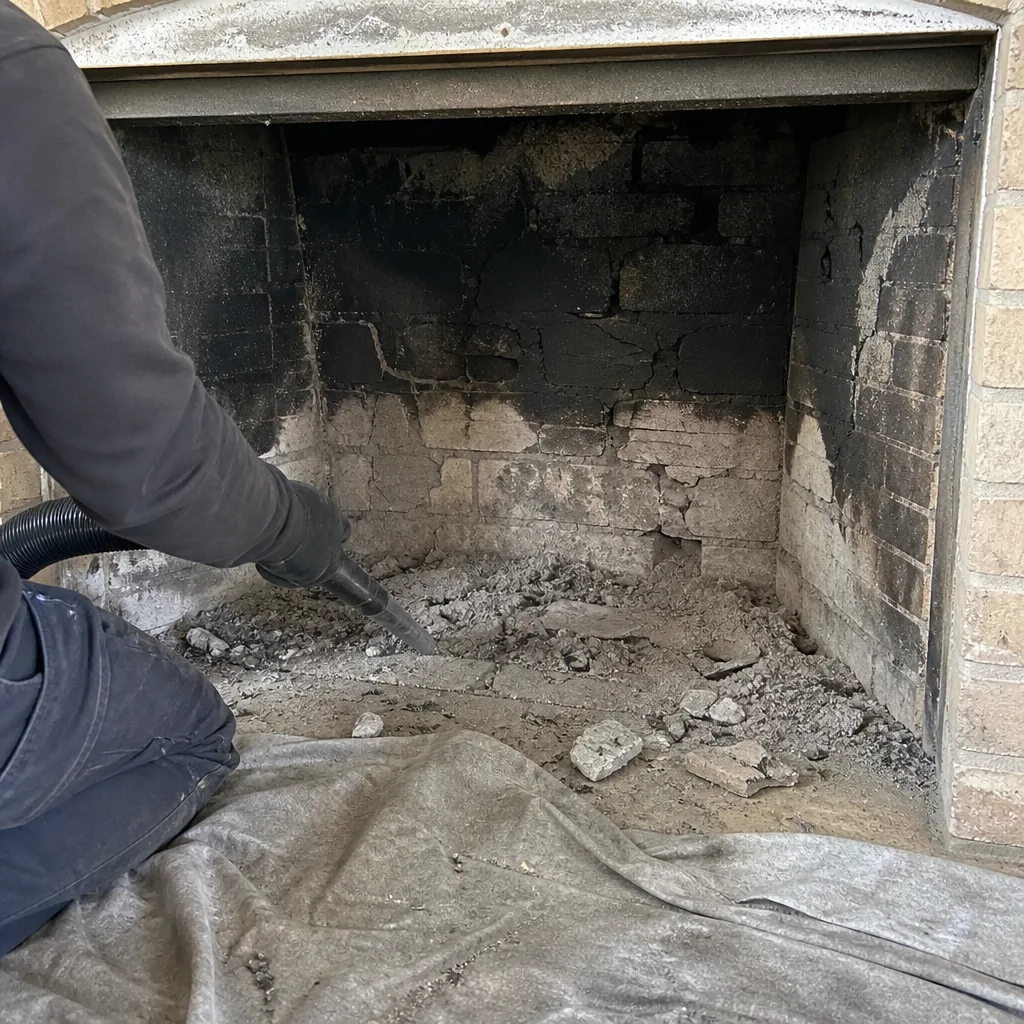 Before
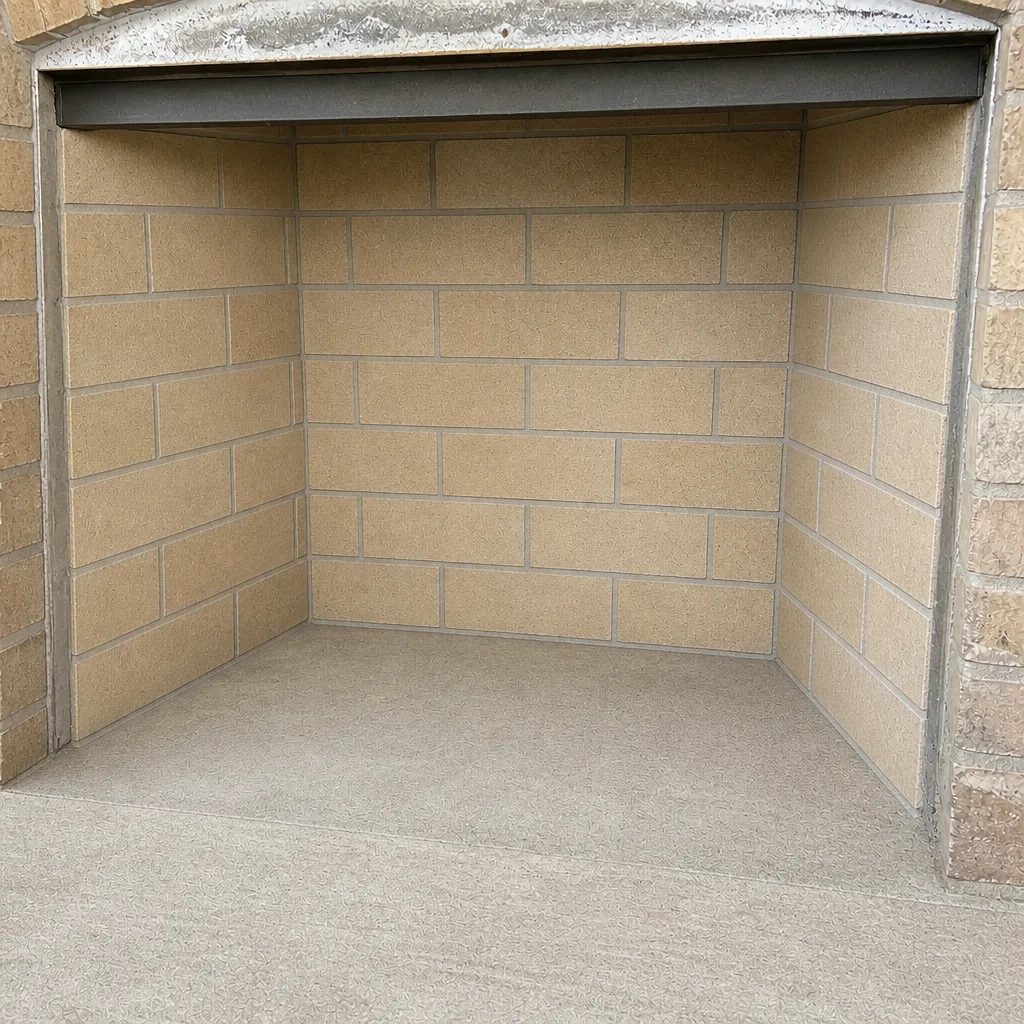 After
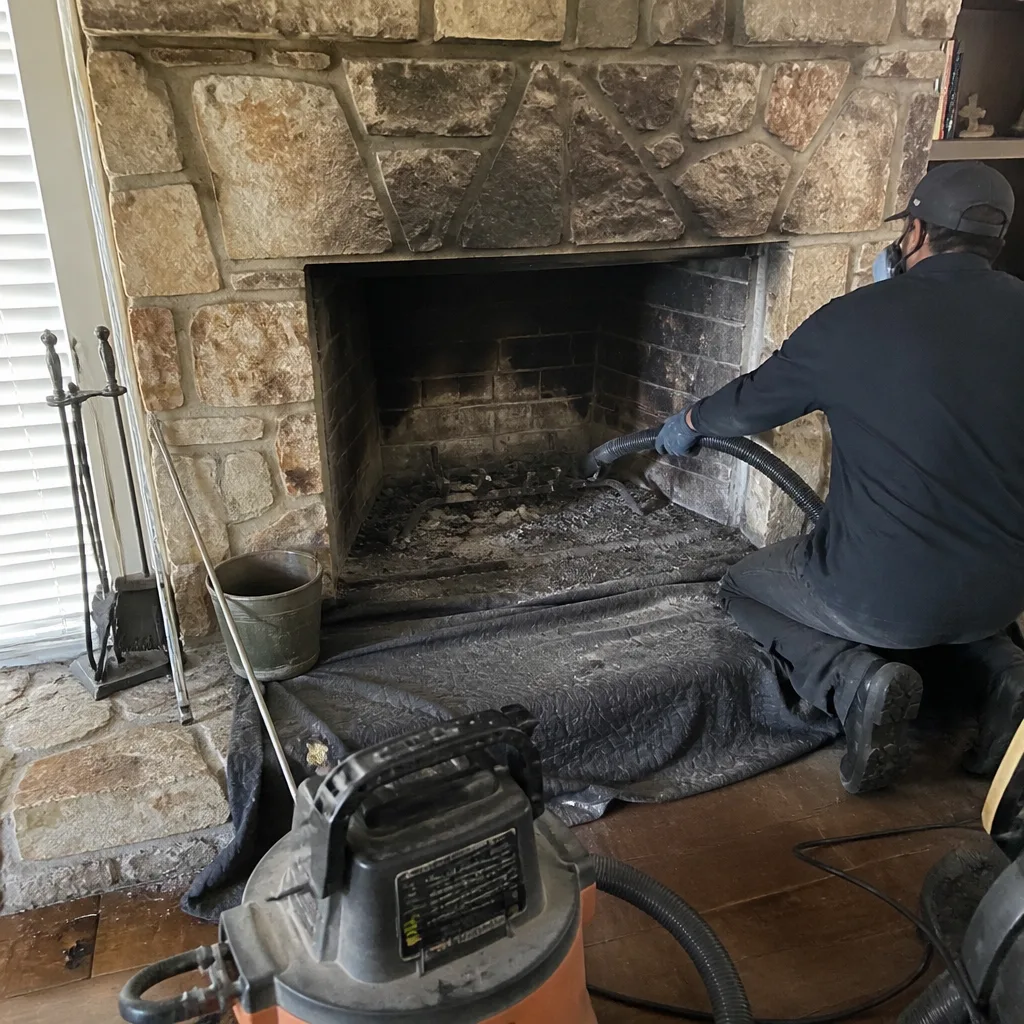 Before
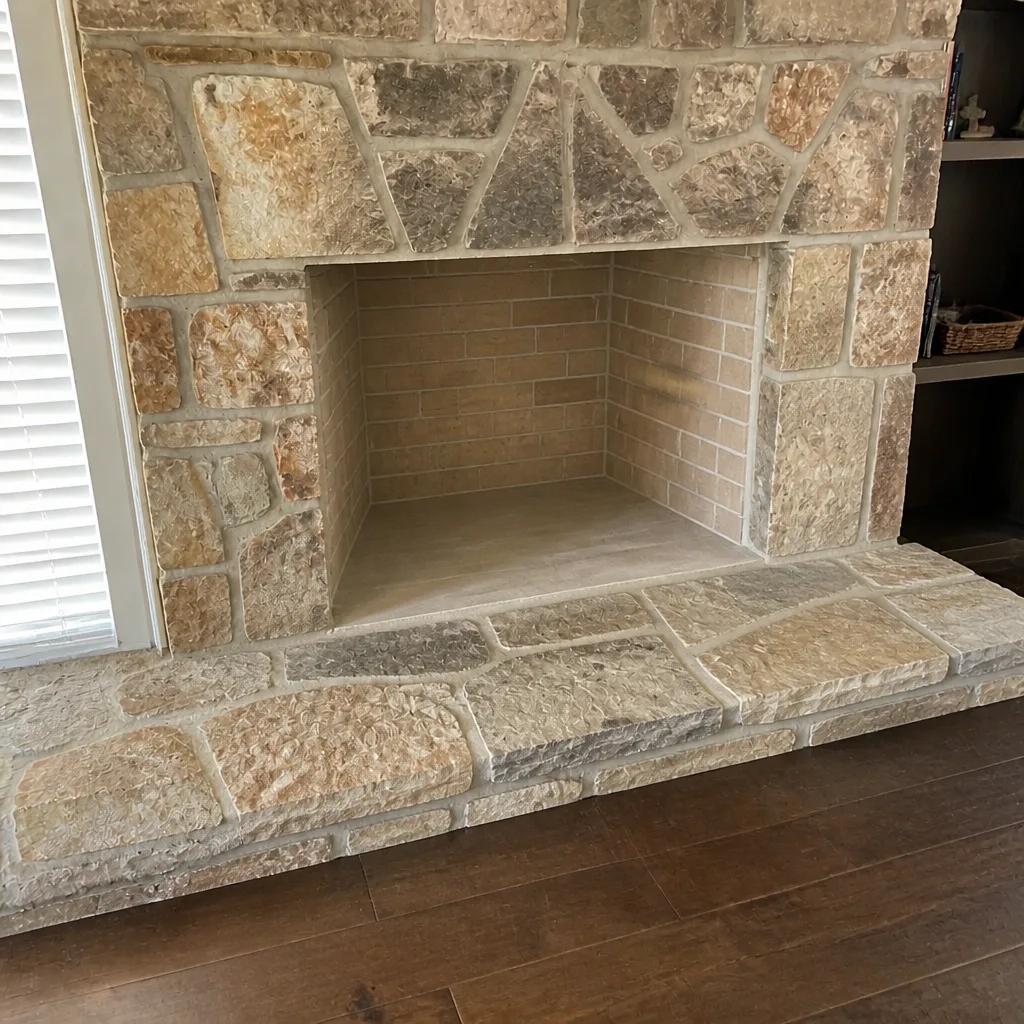 After
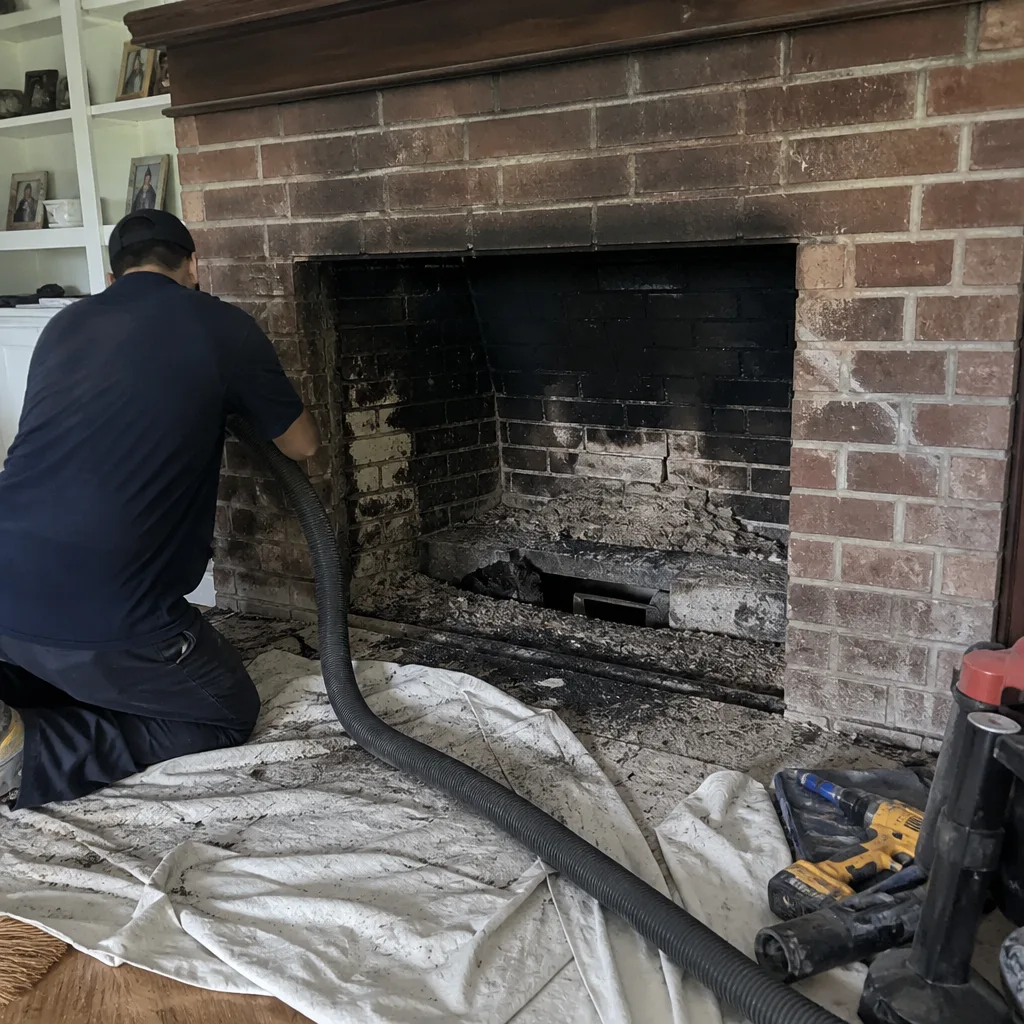 Before
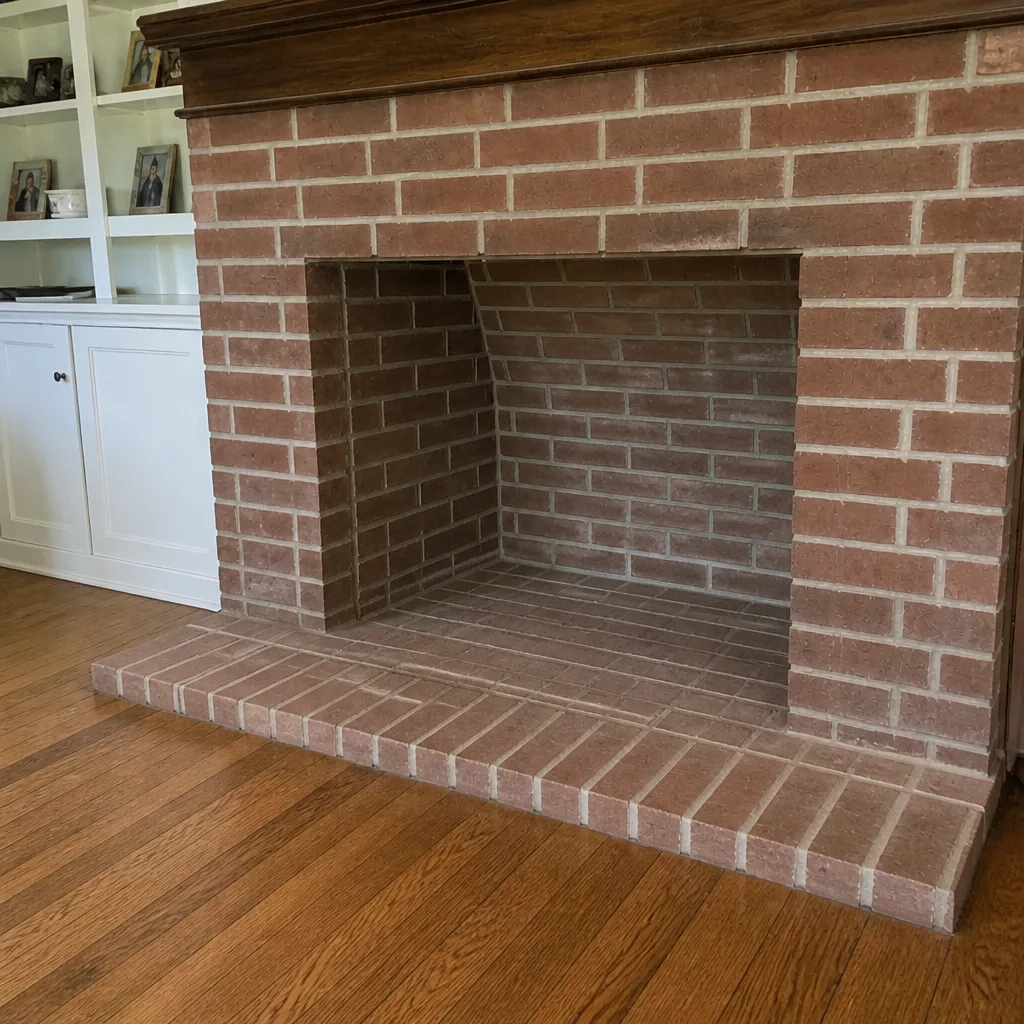 After
When to Call a Professional
Some chimney conditions are fine to monitor. Others need a call. Get a professional involved when you notice smoke rolling back into the room instead of going up, a strong creosote smell that won’t clear, visible staining on the chimney exterior or the ceiling near it, or masonry that’s loose or crumbling. If you burn wood regularly, schedule a sweep and inspection annually. If you’ve moved into a home with an unknown chimney history, book an inspection before the first fire. If the chimney has never been looked at in years, that alone is a reason to call. Our technicians have up to 9 years of experience reading exactly these situations, and we can tell you plainly when work can safely wait. Sugar Land Chimney Cleaning offers free estimates in Sugar Land – call (866) 809-2352. We answer 24/7. Fast dispatch from 7am to 7pm, Sunday through Friday.
Frequently Asked Questions
Pricing is set per job by a written estimate, because a straightforward sweep and a sweep that turns up liner damage are different jobs. The estimate is free, and nothing is recommended without camera evidence you can see for yourself. Call (866) 809-2352 for an exact quote – estimates are free.
Not always. A damaged flue can sometimes be restored with ceramic resurfacing rather than a full reliner, and a full replacement is only necessary when the flue is structurally beyond resurfacing. The decision should follow a camera inspection, not a sales pitch. Call (866) 809-2352 and ask for the evidence before you approve anything.
Once a year is the standard for a chimney used regularly, and yearly inspection is a reasonable habit even in a mild climate like Sugar Land’s. Creosote and soot build up over a season of use and sit through the warm months, so an annual visit keeps the flue from compounding. Call (866) 809-2352 to book a sweep and inspection.
Creosote accumulates, and a heavy enough buildup can ignite during use – a chimney fire that can damage the liner or spread beyond it. There’s also carbon monoxide risk if the flue or appliance isn’t venting properly. Neither is a reason to panic, but both are reasons to schedule. Call (866) 809-2352 for an assessment.
No. Texas does not license chimney sweeps at the state level, so the credentials a company holds voluntarily are the ones worth checking. Look for CSIA certification and, for gas or insert work, NFI certification, and ask for proof of insurance before booking. Call (866) 809-2352 if you want to ask about our credentials directly.
Yes. Dryer vent cleaning is one of our core services, and it addresses one of the most common causes of residential house fires alongside the chimney flue. Booking both in one visit covers the two biggest combustion-related ventilation risks in your home. Call (866) 809-2352 to schedule.
The Bottom Line
The most important hiring question in Sugar Land isn’t the price of a sweep. It’s whether the company you’re booking can finish what it starts. Look for a full-service chimney specialist that inspects with a camera, documents what it finds, performs structural and liner repair in-house, and uses professional-grade materials like DuraFlex flexible liner systems and HeatShield ceramic resurfacing when they’re the right fit. Confirm CSIA or NFI credentials, ask for proof of insurance, and insist on an itemized written estimate before any repair begins. Do those things and you’ll avoid the most common mistake: paying twice because the first company only cleaned, and the second had to fix. If a company can’t answer the scope question clearly, that’s your answer.
Sugar Land Chimney Cleaning handles the full job – we sweep it, inspect it, and fix it, all under one call. We answer 24/7. Fast dispatch from 7am to 7pm, Sunday through Friday. Call (866) 809-2352 for a free estimate.
Written by the team at Sugar Land Chimney Cleaning.