
Last updated November 15, 2026
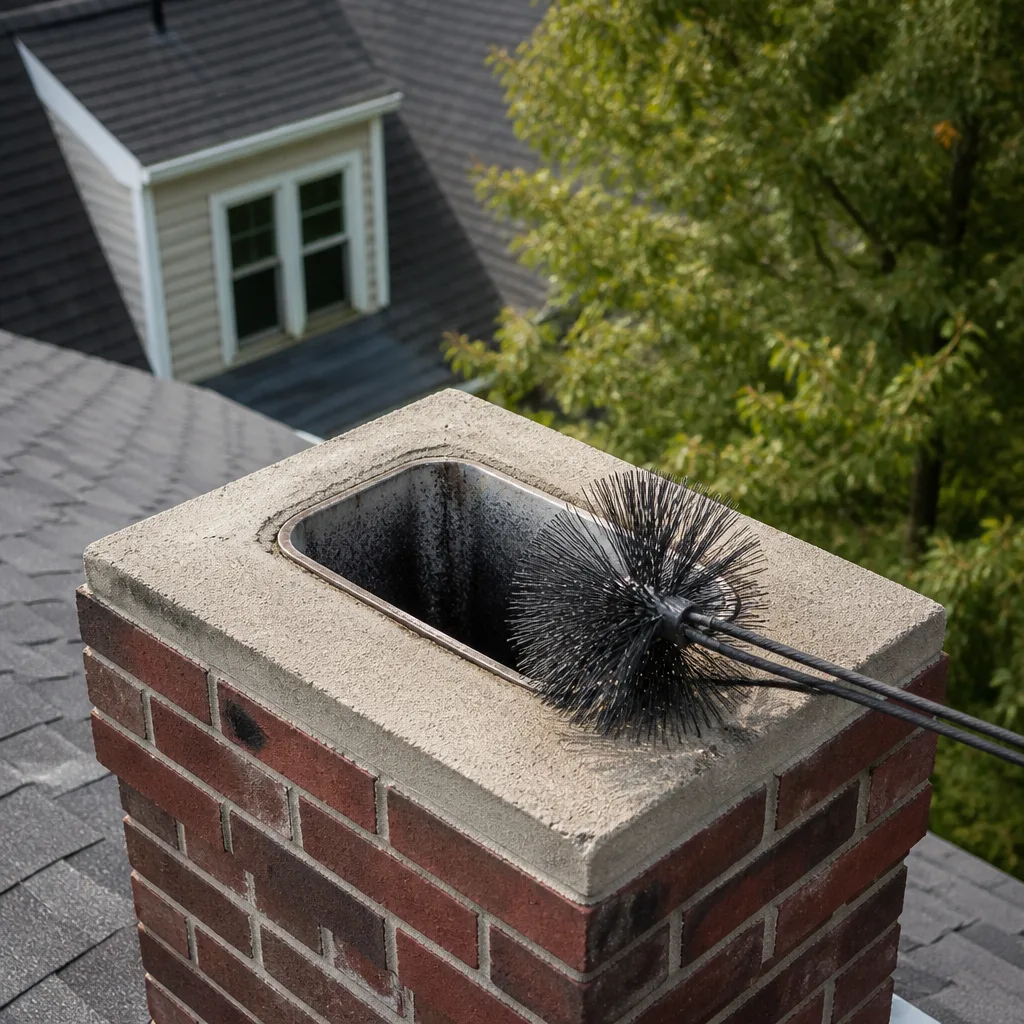 Sweep & inspection
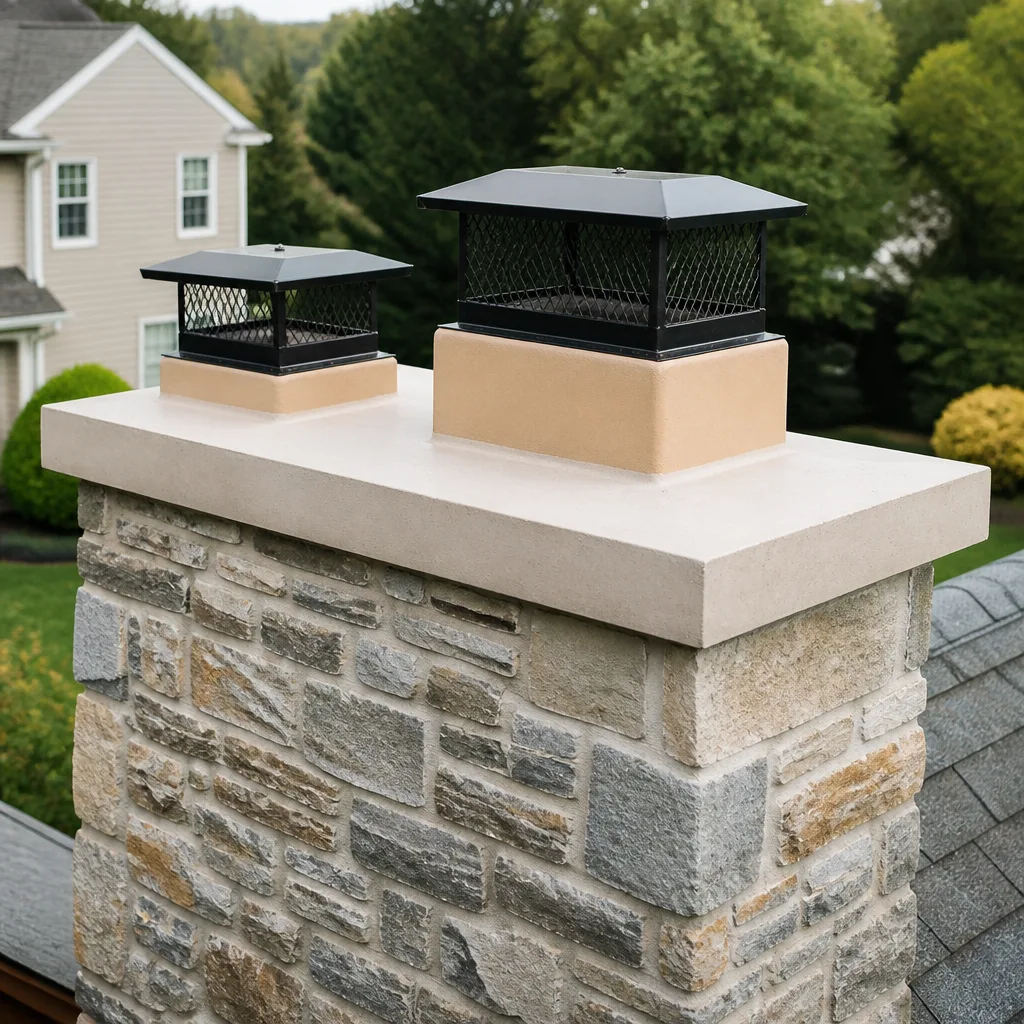 Caps & crowns
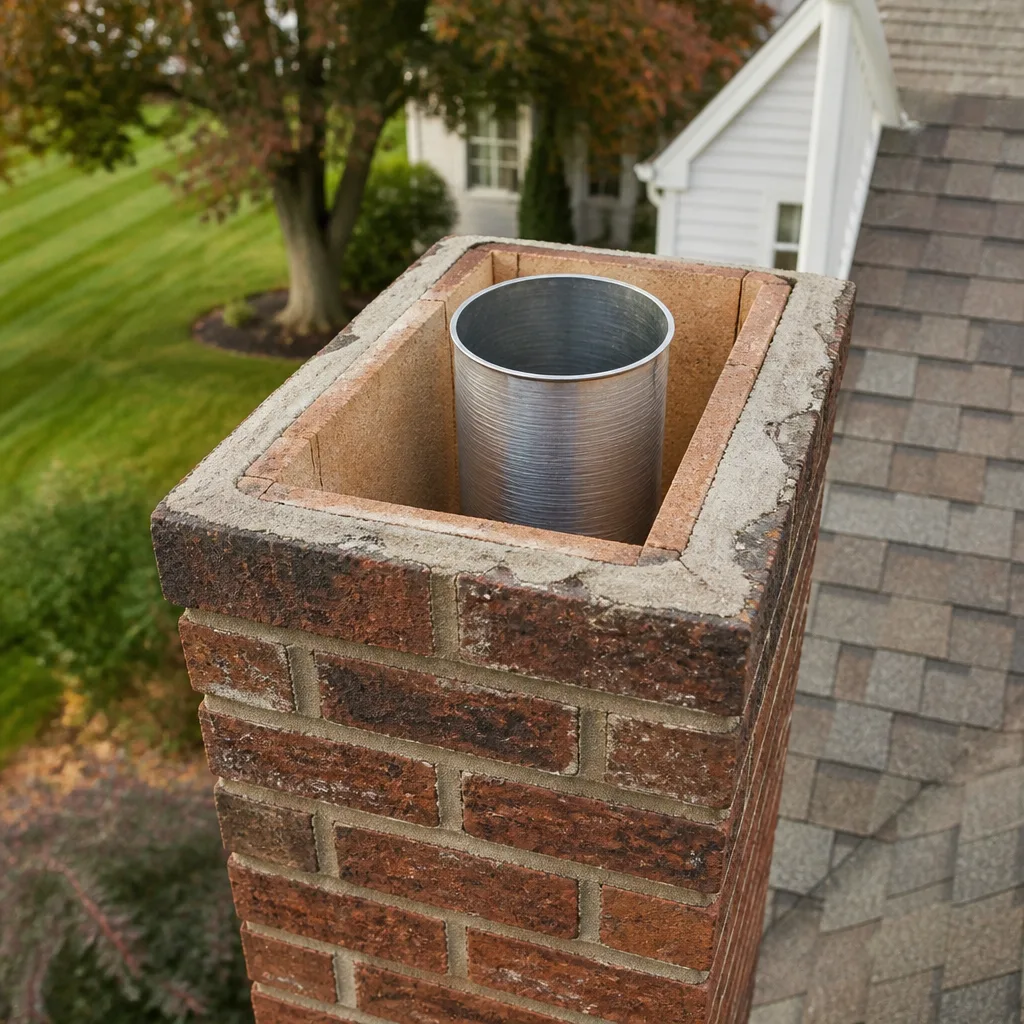 Flue relining
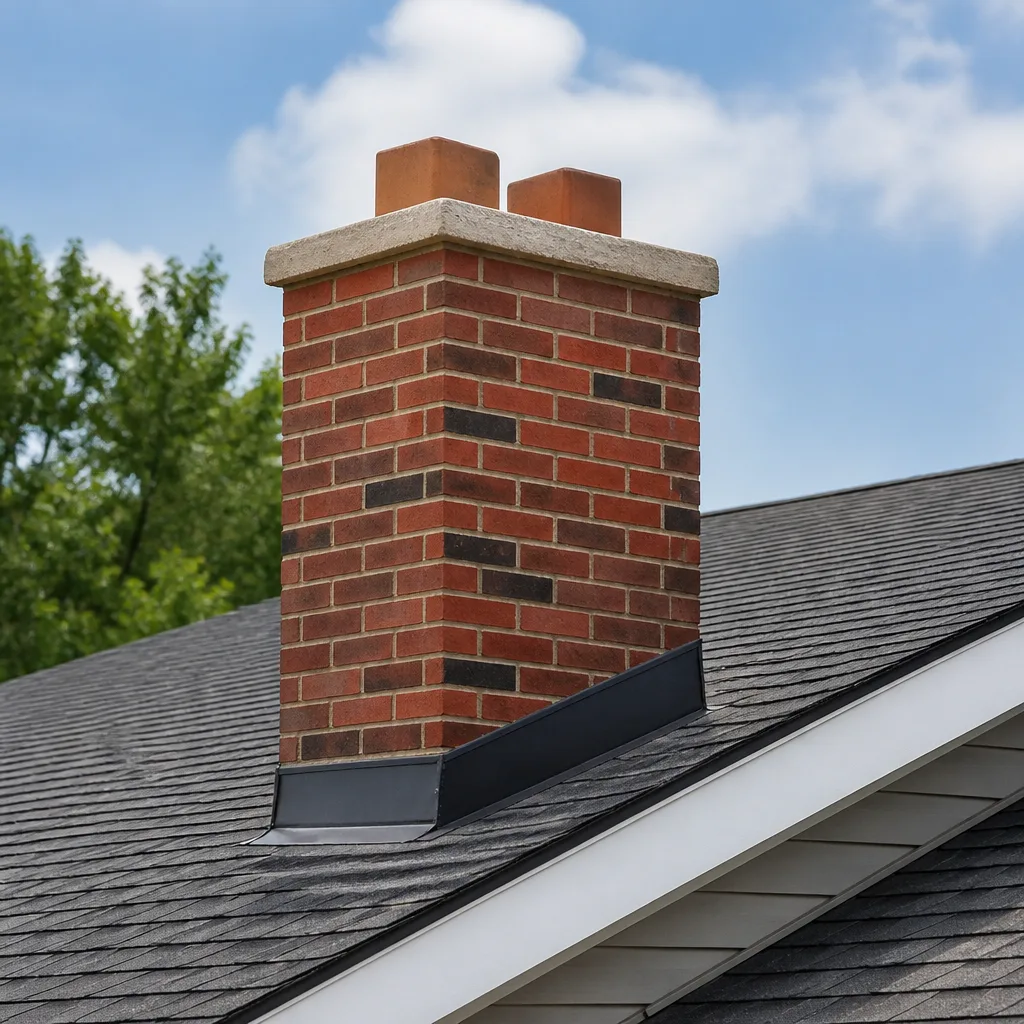 Masonry repair
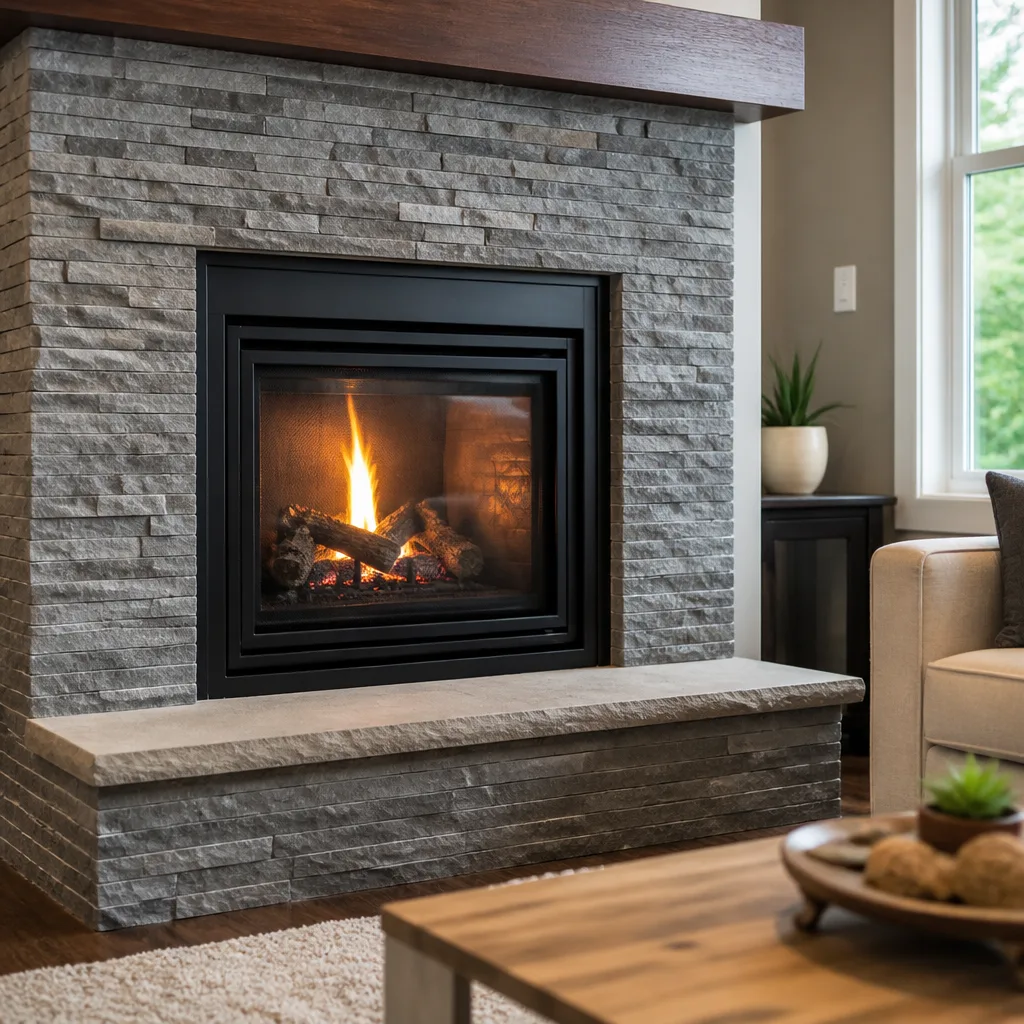 Gas fireplace service
Level 1 sweep and inspection to the NFPA 211 annual standard - flue, crown, cap, and flashing checked and photographed
Chimney sweep logs do not sweep chimneys. They loosen some creosote - which then falls where a brush and vacuum still have to collect it.
Chimney Cleaning Cost Breakdown: The Sugar Land Homeowner’s Reference for 2026
The $89 chimney sweep and the $275 chimney sweep are often quoting completely different services, and the gap only becomes obvious after the technician is on your roof. One price covers brushing a flue and little else. The other covers brushing, a camera inspection, a written report of what was found, and a technician who can actually fix a cracked crown or a failing liner rather than hand you a list of referrals. Neither price is dishonest. They’re just not the same job.
In Sugar Land, where a lot of homes were built in the 1980s and 1990s and have masonry fireplaces that have gone a decade or more without service, the difference matters more than it does in newer construction. This reference breaks down what each line item on a chimney estimate should cost, what drives the range, and how to read a quote so you know which service you’re actually buying.
Quick Answer
Chimney cleaning in Sugar Land typically runs $150 to $275 for a standard sweep with a basic inspection, and $275 to $450 when a camera inspection, photo report, and written evaluation are included. Repair work prices separately: cap replacement generally falls in the $200 to $450 range, crown repair in the $350 to $900 range depending on size and access, and liner work ranges from $600 for HeatShield ceramic resurfacing up to $2,000 to $5,000 or more for a full stainless reliner. The written estimate always sets the final price.
Styles & brands we work with
- Sweep & inspection
- Caps & crowns
- Flue relining
- Masonry repair
- Gas fireplace service
Table of Contents
- What actually drives chimney cleaning cost in Sugar Land
- Three levels of chimney sweep, three price points
- Repair pricing: cap, crown, damper, flashing, and liner
- Why deferred maintenance compounds: the repair cost escalation path
- How to read a chimney estimate line by line
- Equipment and process differences that justify higher pricing
- Questions to ask before you approve any repair
- Dryer vent cleaning cost and why it belongs on the same visit
What Actually Drives Chimney Cleaning Cost in Sugar Land
Four things move a chimney cleaning price up or down, and none of them are profit margin. The first is flue geometry. A straight, square masonry flue in a typical Sugar Land subdivision home brushes out quickly. An offset flue, a metal prefab chimney with a bend, or a flue that’s been partially closed off takes longer and needs different tooling.
The second is the amount of creosote. Light, flaky creosote brushes off in a few passes. Glazed, tar-like creosote that has baked onto the flue walls needs chemical treatment or rotary cleaning, and that’s a different job with different labor. Sugar Land’s mild winters mean a lot of fireplaces see occasional weekend use rather than steady burning, and occasional use can actually build glazed creosote faster than steady hot fires because the flue never fully warms up. That’s not a scare tactic, it’s basic combustion.
The third is what happens after the sweep. A sweep-only visit ends with a brushed flue. A sweep-plus-inspection visit ends with a camera run, photos you can look at yourself, and a documented condition report. That inspection adds time and equipment cost, and it’s the reason one quote is $150 and another is $300.
The fourth is whether the technician can fix what they find. Many sweeps are cleaning-only operations. When they find a cracked crown or a rusted-through liner, they write it on a report and send you to a mason or a liner contractor. A company that stocks and installs professional-grade materials like Olympia Chimney and Famco can quote the repair on the same visit, which changes the scope of the estimate.
Housing stock matters here too. Sugar Land has a mix of original 1980s and 1990s masonry fireplaces, newer construction with factory-built metal fireplaces, and a handful of older properties with original chimney construction. Each type has different inspection and cleaning requirements, and an honest estimate reflects which one you have.
Three Levels of Chimney Sweep, Three Price Points
Most chimney pricing confusion comes from comparing three different services that all get called “a sweep.” Here’s how the levels break down in the Sugar Land market.
Level 1: Basic sweep, $150 to $200
- Brushing of the firebox and flue from the roof and from inside
- A visual look up the flue from the damper
- Debris removal and cleanup
- A verbal note of anything obvious
This is legitimate for a chimney that was serviced recently and is burning cleanly. It is not an inspection, and it won’t catch a cracked flue tile hidden above the smoke shelf.
Level 2: Sweep with camera inspection, $250 to $375
- Everything in Level 1
- Video camera run the full length of the flue
- Photos the homeowner can see
- Written condition report covering flue, damper, crown, cap, and firebox
This is what most Sugar Land homeowners should be buying, especially on a first-time service or any chimney that hasn’t been looked at in several years. The camera is the difference between “it looks fine from here” and knowing what the flue liner actually looks like.
Level 3: Sweep, inspection, and same-visit repair quote, $300 to $450
- Everything in Level 2
- Itemized repair recommendations with pricing, not just a condition report
- Ability to schedule the repair with the same company
The advantage of Level 3 isn’t the price of the sweep. It’s that you don’t pay for a second visit, a second inspection, and a second company’s education on your chimney.
For a fuller look at what a proper sweep involves, see our chimney sweep service page.
Repair Pricing: Cap, Crown, Damper, Flashing, and Liner
Repair costs are where chimney estimates swing the most, and where a clear line-item breakdown saves real money. These are typical ranges for the Sugar Land area in 2026, and the written estimate always sets the final number.
- Chimney cap replacement: $200 to $450. A rusted or missing cap lets water and animals straight into the flue. This is one of the cheapest fixes on the list and one of the most consequential to skip.
- Crown repair: $350 to $900. The concrete crown at the top of a masonry chimney is the first defense against water. Hairline cracks get sealed. A crown that’s separated from the flue and actively leaking gets rebuilt.
- Damper replacement: $250 to $600. A damper that won’t close properly leaks heated air up the flue year-round. Top-sealing dampers, which sit at the top of the chimney rather than the firebox, run toward the higher end.
- Flashing repair: $300 to $800. Flashing is the metal seal where the chimney meets the roof. Failed flashing sends water into the roof deck and shows up as a ceiling stain far from the chimney itself.
- HeatShield ceramic resurfacing: from around $600 upward, depending on flue size and condition. This is a liner-repair alternative that restores a damaged flue without a full reliner, and it’s appropriate only when the existing liner is structurally sound enough to receive it. We’re HeatShield-certified and apply it where it genuinely fits the condition of the flue.
- Full stainless reliner: $2,000 to $5,000 or more. Cost depends on flue height, liner diameter, insulation, and whether the flue is offset. DuraFlex flexible liner systems handle offset and irregular flues that rigid liners can’t be run through.
- Masonry repair above the roofline: priced per job after inspection. Repointing and rebuilding brickwork varies too widely by extent to give a blind range.
One point on liner pricing. The gap between a $600 HeatShield resurfacing and a $4,000 reliner is not a sales tactic in either direction. Resurfacing is only legitimate when the liner itself can be saved. A liner that’s lost structural integrity, or is the wrong material for the appliance connected to it, will always need replacement. A technician who pushes resurfacing on an unsalvageable flue is selling you a short-term patch, and one who jumps straight to a full reliner without explaining why should be asked to show you the camera footage.
Why Deferred Maintenance Compounds: The Repair Cost Escalation Path
Ignoring a chimney rarely costs the same amount later. It usually costs more, and the escalation path is predictable. Here’s how it typically runs in Sugar Land’s climate, where summer heat and driving rain do most of the damage.
- Cracked crown or failed flashing is ignored. Water gets into the masonry. The visible evidence is a small crack, or a stain on a ceiling that isn’t obviously near the chimney.
- Water freezes in the masonry during the occasional hard cold snap. Sugar Land doesn’t get many freezes, but when it does, water inside brick and mortar expands and opens the joints. A hairline crack becomes a real one.
- Mortar joints erode and brick spalling begins. Now the repair moves from a crown reseal to repointing and possibly partial rebuild. Cost roughly triples from the first stage.
- Water reaches the flue liner. Clay tile liners crack under thermal shock and water intrusion. Once a liner has a gap, heat and combustion gases can reach the surrounding framing. Now the repair is a liner, not masonry.
- The full reliner becomes the only option. What started as a $400 crown repair turns into a $3,000-plus liner replacement, plus the masonry work that was deferred along the way.
We’ve seen this path play out often enough to know it’s not theoretical. The cheapest chimney repair is almost always the one done early, before the second problem has a chance to start.
That’s also why a proper inspection matters more than a cheap sweep. A camera run catches stage one and stage two. A sweep-only visit frequently doesn’t. When a Sugar Land homeowner asks us whether a repair can safely wait, we answer based on what the camera shows, not on what would be convenient to sell.
How to Read a Chimney Estimate Line by Line
An honest chimney estimate is itemized, and you should be able to read it and understand exactly what you’re paying for. If the estimate is a single number labeled “full service” or “chimney repair,” ask for it to be broken out before you sign anything.
What should always be itemized
- Labor and materials separately for any repair, with the brand and part specified (HeatShield, Gelco, Olympia Chimney, DuraFlex, and Famco are all standard professional lines)
- Access requirements: if roof work is involved, is the cost of getting safely to the chimney included?
- What’s excluded: a good estimate states clearly what is not covered, especially things that might be found once work begins
- Whether the price includes cleanup and haul-away of old liner, cap, or masonry debris
- The written scope, in plain language: “replace crown” is fine, “miscellaneous repairs” is not
What “full service” bundling often hides
- An inspection that’s really just a visual look from the firebox, not a camera run
- A “cap” that’s a hardware-store model rather than a properly sized professional cap
- Liner pricing that doesn’t distinguish between a HeatShield resurfacing and a full stainless reliner. These are fundamentally different repairs, and the total cost difference is thousands of dollars.
- A repair referral dressed up as an included service. If the company doesn’t actually install liners, “we’ll contact a liner specialist” is not part of the job.
When a Sugar Land homeowner shows us a competing estimate, the question we answer first is whether the scope is real. Not whether it’s cheaper. A $400 quote for a repair that genuinely requires a $2,500 reliner isn’t a bargain, it’s a delay that costs more later.
For more on how repairs fit together with routine service in this city, see Sugar Land.
Equipment and Process Differences That Justify Higher Pricing
Not every price gap is upselling. Some of it is real. Here’s what separates a higher-priced sweep from a cheaper one, and how to tell the difference.
Justifies a higher price
- A camera inspection included the full length of the flue, with photos. This is the single biggest legitimate cost difference.
- Drop cloths, containment, and HEPA vacuum as standard, not an extra. A sweeper who leaves a fine dust layer in your living room isn’t saving you money.
- Rotary and chemical creosote removal when glazed creosote is present. This is a distinct process from brushing and requires different tooling.
- Professional-grade materials on any repair: Gelco and Famco components, DuraFlex liners, Olympia Chimney caps. Big-box substitutes cost less and fail sooner.
- A technician who can quote the repair on the spot rather than handing you a referral list.
Often just upselling
- “Enzyme treatment” sprays that promise to eliminate creosote buildup between sweeps. Not a substitute for an actual sweep.
- “Deodorizing” services that mask a smell without addressing the creosote source.
- Pressure-based “deep cleaning” add-ons that aren’t a real category of chimney service.
- Annual service plans sold on the first visit before any inspection has identified the actual condition of the chimney.
The easiest test is to ask what the technician will inspect and what they’ll show you. A camera run isn’t subjective. A written report isn’t either. If a company can’t or won’t provide those, the pricing difference isn’t about scope, it’s about confidence.
For more on the inspection side, and on how to check dryer vents at the same time, see dryer vent cleaning.
Questions to Ask Before You Approve Any Repair
The single biggest reason homeowners hesitate on chimney repairs is that they have no way to verify whether the repair is actually necessary. That’s a fair hesitation. Here’s how to resolve it, question by question.
- “Can I see the camera footage?” If a repair is being quoted, the evidence should be visible. A gap in a liner, a crack in a crown, a failed flashing seam: all of these show up on camera and in photos. If the footage isn’t available, the diagnosis isn’t established.
- “What’s the consequence of waiting six months?” Some repairs can safely wait. A cap that needs replacing but isn’t leaking yet can typically be scheduled. A cracked crown that’s actively letting water in shouldn’t wait. A technician should be able to tell you clearly which one you have.
- “What are my options for this specific finding?” For a damaged liner, that means resurfacing versus replacement. For a crown, it means sealing versus rebuild. A good answer explains why one is appropriate and the other isn’t, in the specific case, not in general.
- “What materials would you use?” Get the brand named on the estimate. Professional lines like HeatShield, Gelco, Olympia Chimney, Famco, and DuraFlex are standard for a reason. “High-quality materials” without a name isn’t an answer.
- “Does this include the inspection and cleanup?” If a repair is quoted as a price, confirm that it covers the full scope including inspection, materials, labor, cleanup, and haul-away. If any of those are separate, they should be itemized.
- “Who does the work?” Some sweeps subcontract liner work to a mason or a liner specialist. That’s fine if it’s disclosed. It shouldn’t come as a surprise after you’ve approved a quote.
Any honest chimney technician should welcome these questions. We’ve yet to meet a homeowner who objected to seeing the actual condition of their own flue on a screen.
Dryer Vent Cleaning Cost and Why It Belongs on the Same Visit
Dryer vent cleaning in Sugar Land typically runs $125 to $225 depending on the length and routing of the vent, the number of elbows, and whether the vent has a roof or wall terminus. When scheduled alongside a chimney sweep, it’s often the cheapest additional service available on the visit.
The reason to think about it alongside chimney work is scope. Combustion appliances and dryer vents are the two leading household fire hazards in this trade, and they’re both ventilation systems. A clogged dryer vent restricts airflow, overheats the dryer, and traps lint in a spot with a heat source nearby. A neglected chimney accumulates creosote the same way. Both problems are invisible from the house side.
A dryer vent cleaning in Sugar Land is a quick job when the vent is reasonably straight and short. Roof-terminated vents and long runs with multiple elbows take longer and cost more, but they’re also the ones most likely to have a serious lint clog. If we’re already on the roof to sweep a chimney, we can check the dryer vent terminus at the same time.
Common Mistakes to Avoid
- Buying the cheapest sweep and treating it as an inspection. A $99 sweep and a $300 sweep-plus-inspection are different services. Paying for the sweep and assuming the inspection came free is how cracked liners go unnoticed for years. In Sugar Land’s housing stock, many chimneys haven’t been opened up in decades.
- Approving a liner replacement without seeing the camera evidence. Liner work is the single most expensive line item on any chimney estimate. Before you approve a $3,000 reliner, look at the footage. If a company can’t or won’t show it, ask again. If they still can’t, get a second opinion.
- Choosing resurfacing when replacement is the only sound option. HeatShield resurfacing is a genuine liner-repair alternative in the right conditions. It is not a substitute for replacement when the liner has failed structurally. A $600 resurfacing that delays a $3,000 reliner by two years is not a saving.
- Skipping a dryer vent because the chimney got the attention. The dryer vent is a fire hazard in its own right and often the easier of the two to neglect. If a technician is already in the house for a sweep, it’s worth a look.
- Taking the word “cap” at face value. A hardware-store cap doesn’t perform like a professional single-flue cap, and it doesn’t last as long. Ask what brand and model is being installed if it’s on the estimate.
- Deferring crown and flashing repair because it “doesn’t seem that bad.” Water intrusion is slow, then sudden. The repair cost roughly triples once the mortar and brickwork have been compromised. Sugar Land’s summer rain and occasional cold snaps are hard on masonry that’s already cracked.
- Not asking whether the estimate covers cleanup. Old liners, old caps, masonry debris, and creosote-laden sweepings all need to leave the property. If the estimate doesn’t say haul-away is included, it’s not.
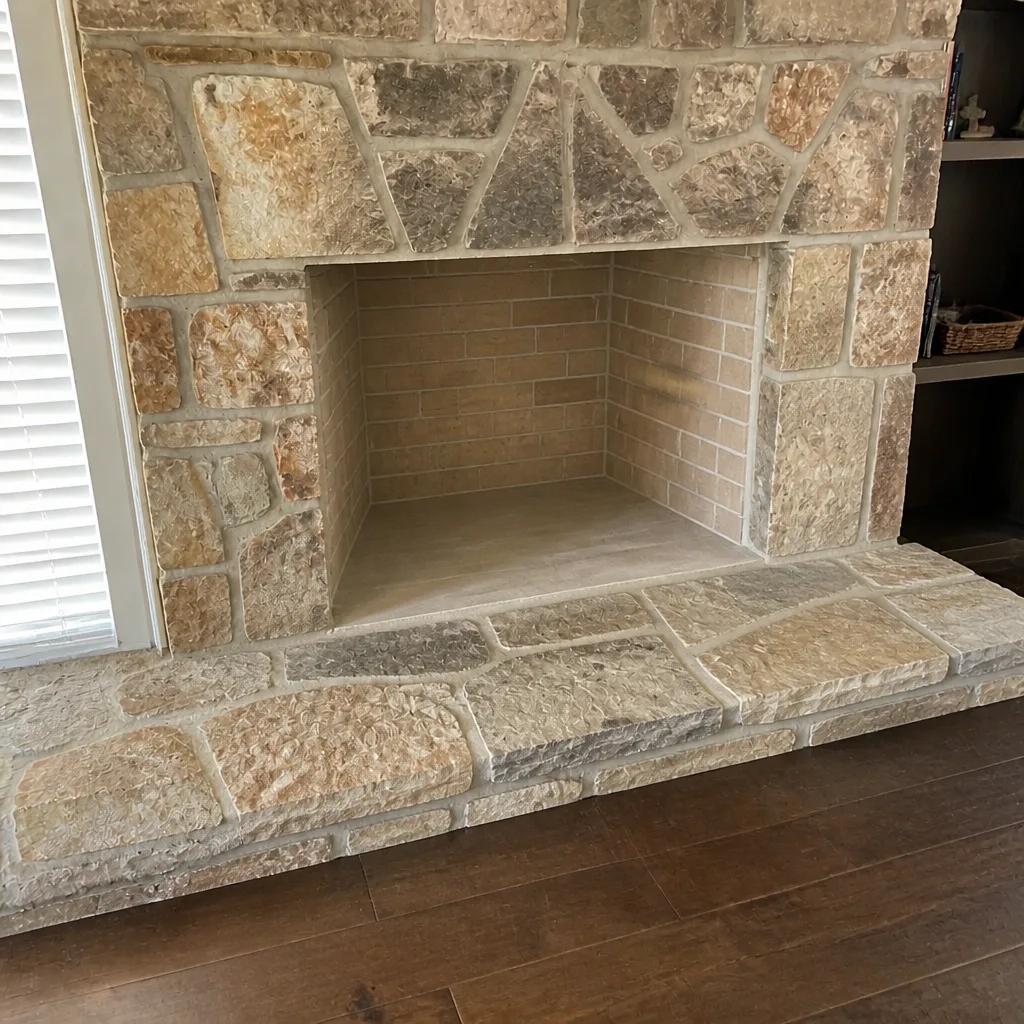
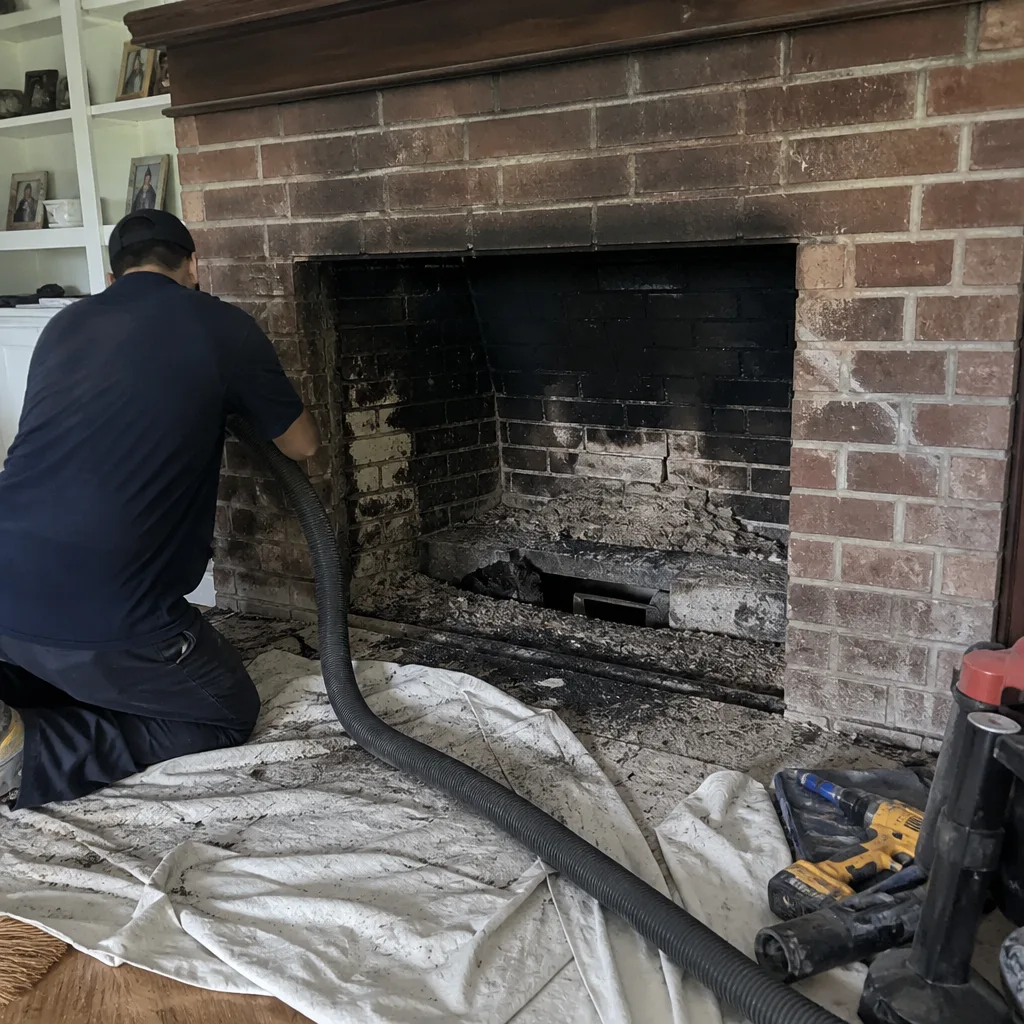
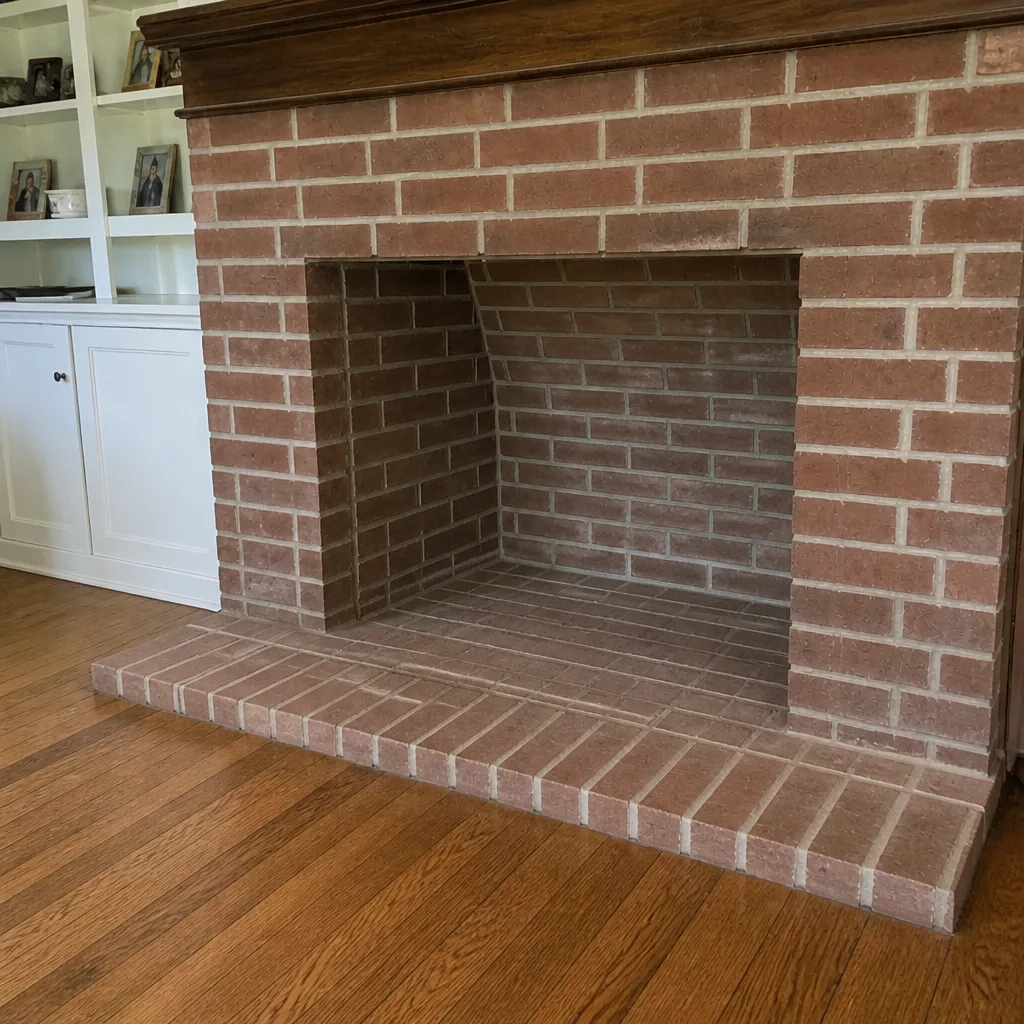
See the difference
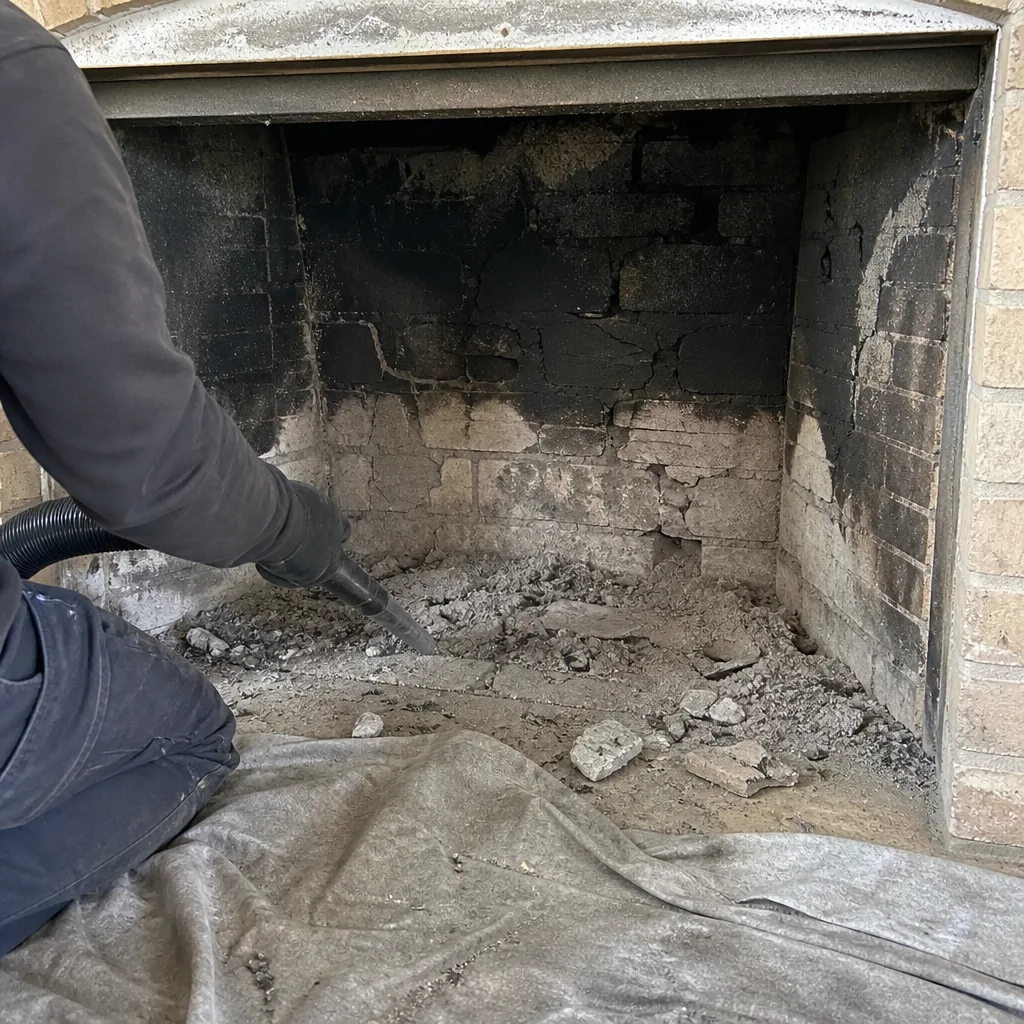 Before
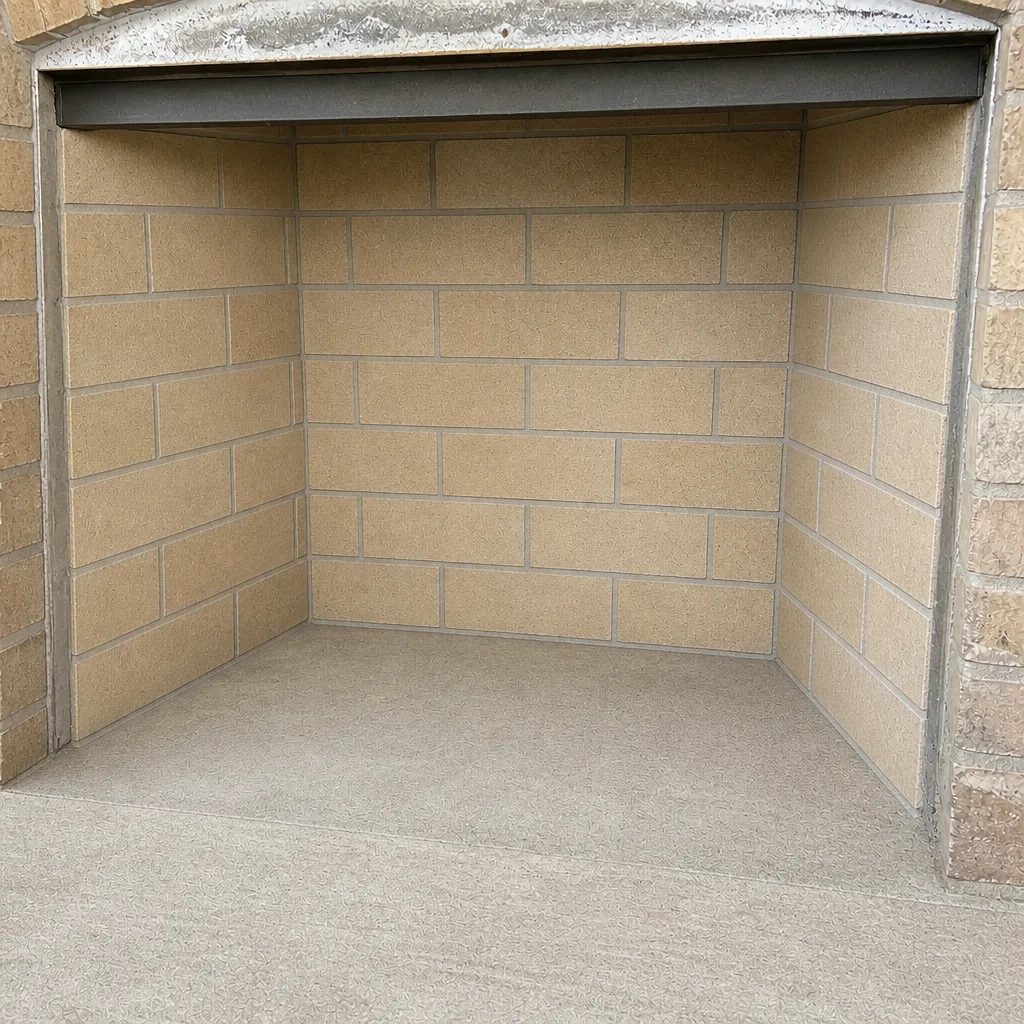 After
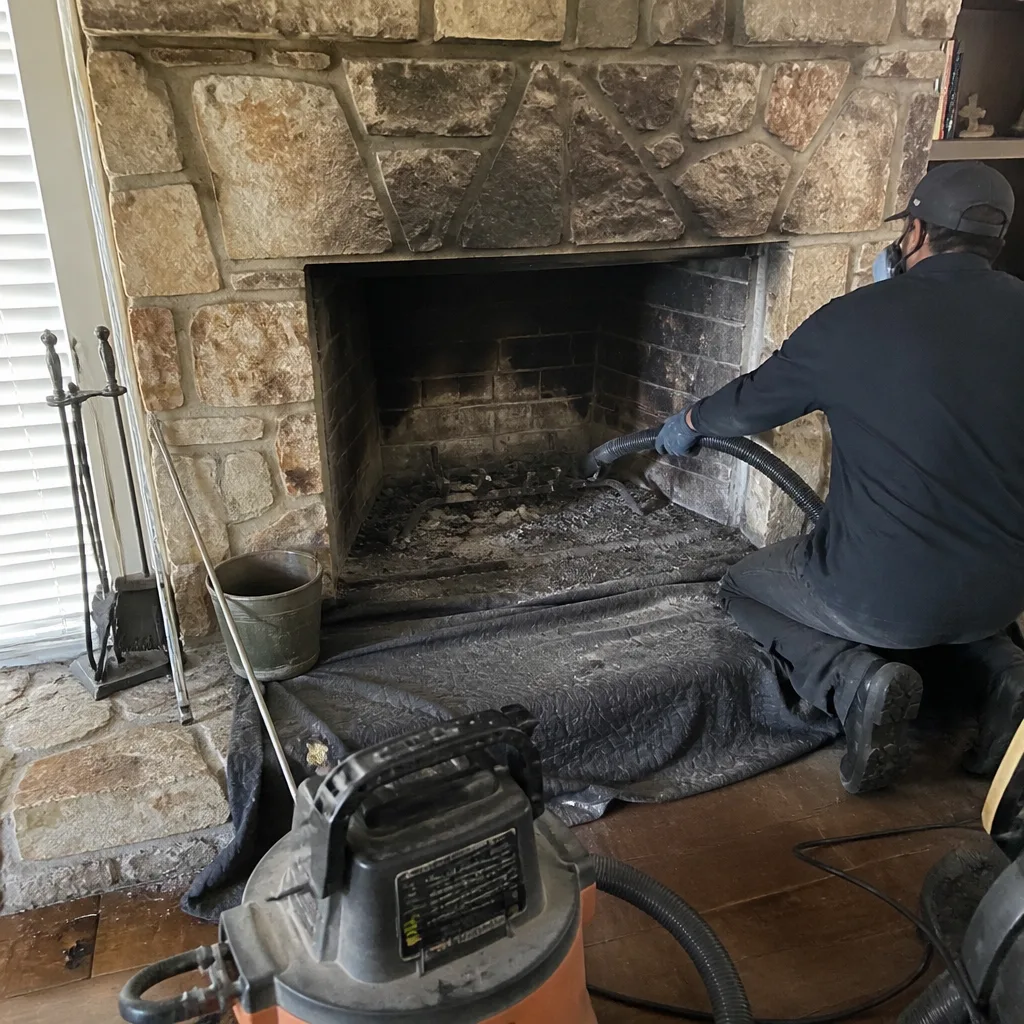 Before
 After
 Before
 After
When to Call a Professional
Call a professional chimney service in Sugar Land when any of these apply: you’ve moved into a home with a fireplace and don’t have service records for it, the chimney hasn’t been swept in more than a year of regular use, you smell a strong smoke or tar odor in the house when the fireplace isn’t burning, there’s a visible stain on a ceiling or wall near the chimney, the cap is missing or visibly rusted, the damper doesn’t close fully, or you hear animals in the flue. Call before the first fire of the season rather than after, and don’t run the fireplace until the flue has been inspected. Sugar Land Chimney Cleaning offers free estimates in Sugar Land. Call (866) 809-2352. We answer 24/7. Fast dispatch from 7am to 7pm, Sunday through Friday.
One more reason to call before the fire: the inspection is where the decision gets made about whether a repair is needed at all. Without that inspection, the alternative is finding out by fire, and that’s the wrong order.
Frequently Asked Questions
A standard chimney sweep in Sugar Land typically runs $150 to $275, and a sweep with a camera inspection and written report runs $250 to $450. Repair work prices separately and the written estimate always sets the final price. Call (866) 809-2352 for an exact quote; estimates are free.
Not every damaged liner needs replacement, and HeatShield ceramic resurfacing can restore a flue that’s structurally sound enough to receive it. That’s a meaningful cost difference, and we quote it only when the camera footage shows it’s appropriate. The only way to answer this for your chimney is to see the footage, so ask to see it before you approve any liner work. Call (866) 809-2352 to schedule a camera inspection; estimates are free.
Once a year for a fireplace in regular use, and once a year for any chimney you can’t confirm has been serviced recently. Occasional-use fireplaces often build glazed creosote faster than steady-use ones because the flue never fully warms up, so “we don’t use it much” is not a reason to skip the sweep. Call (866) 809-2352 for an exact quote; estimates are free.
Two things, and both compound. Creosote accumulates and becomes harder to remove, which raises the sweep cost, and the small repair you ignored (a crown crack, failed flashing) lets water in until the damage reaches the flue liner. The first problem raises the cleaning cost. The second turns a $400 repair into a $3,000 one. Call (866) 809-2352 for an exact quote; estimates are free.
Usually not. The lower price is typically a brush-and-go with a quick visual check from the firebox; the higher price usually includes a camera run the length of the flue, photos you can look at, and a written report. Whether the higher scope is worth it depends on the age and history of your chimney, but the two prices are not quoting the same job. Call (866) 809-2352 for an exact quote; estimates are free.
We handle chimney sweep, chimney repair, and dryer vent cleaning as one scope, so crown, cap, damper, flashing, and liner issues that show up on the inspection can be resolved without subcontracting. Our technicians have up to 9 years of experience, and we install professional-grade materials including DuraFlex, HeatShield, Gelco, Olympia Chimney, and Famco. Call (866) 809-2352 for an exact quote; estimates are free.
Dryer vent cleaning in Sugar Land typically runs $125 to $225 and is scheduled as a separate line item. Bundling it with a chimney visit makes sense because both are ventilation systems and both are common household fire hazards, and doing both on one visit costs less than two separate calls. Call (866) 809-2352 for an exact quote; estimates are free.
The Bottom Line
Chimney cleaning pricing in Sugar Land covers a genuine range, and the price difference usually reflects scope more than margin. The services worth paying more for are the ones where you get evidence: a camera run, photos, a written report, and a technician who can fix what they find. The services worth questioning are the ones where the price difference isn’t explainable by scope, or where a repair is quoted without camera evidence you can see for yourself.
The repair pricing ranges in this guide are starting points, not commitments. A crown repair on a single-flue chimney and a crown repair on a chimney with two damaged flues at 25 feet are not the same job. What should always be consistent is the process: sweep, inspect, show the evidence, itemize the repair, and let the homeowner decide what to do next. That’s the standard worth paying for, and it’s what we bring to every job. For routine service across the area, start with Sugar Land Chimney Cleaning and get the same treatment every time.
Call (866) 809-2352 for a free estimate. We answer 24/7. Fast dispatch from 7am to 7pm, Sunday through Friday.
Written by the team at Sugar Land Chimney Cleaning.