
Last updated November 15, 2026
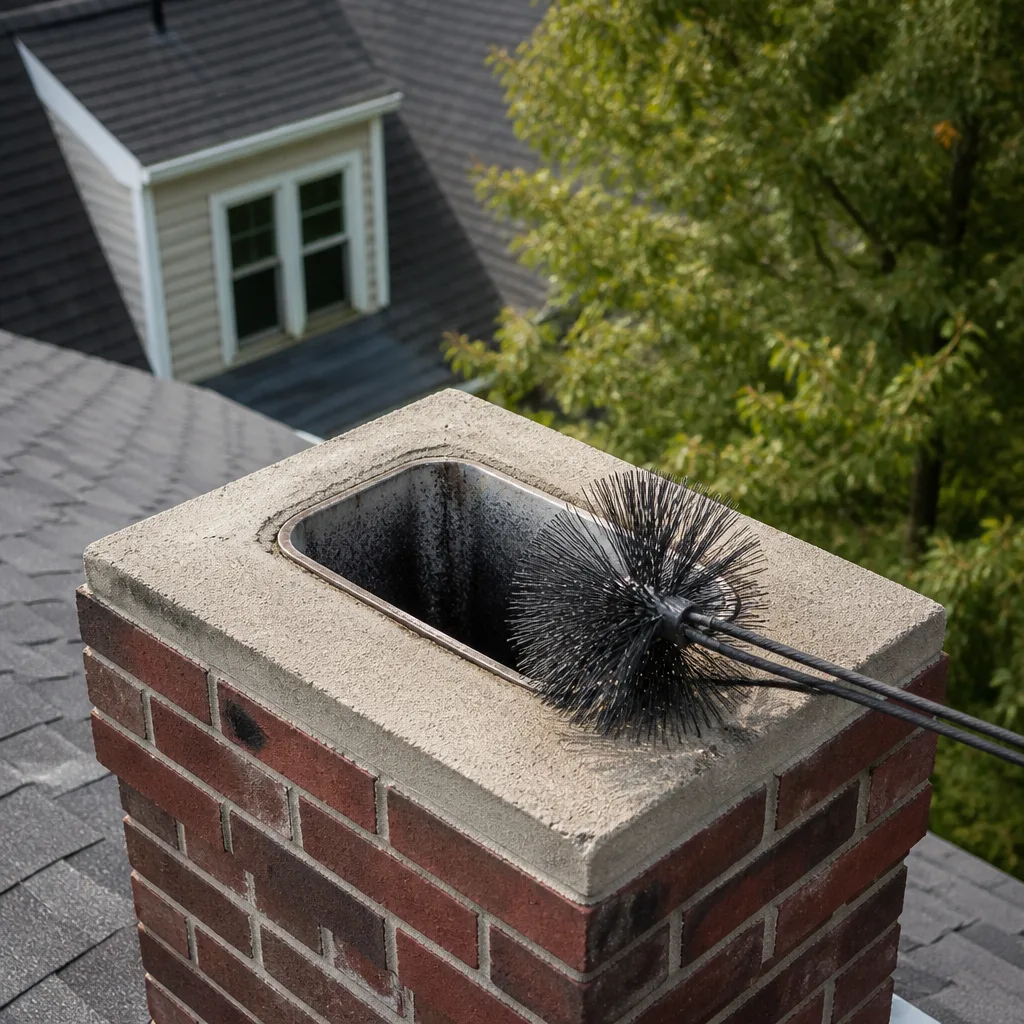 Sweep & inspection
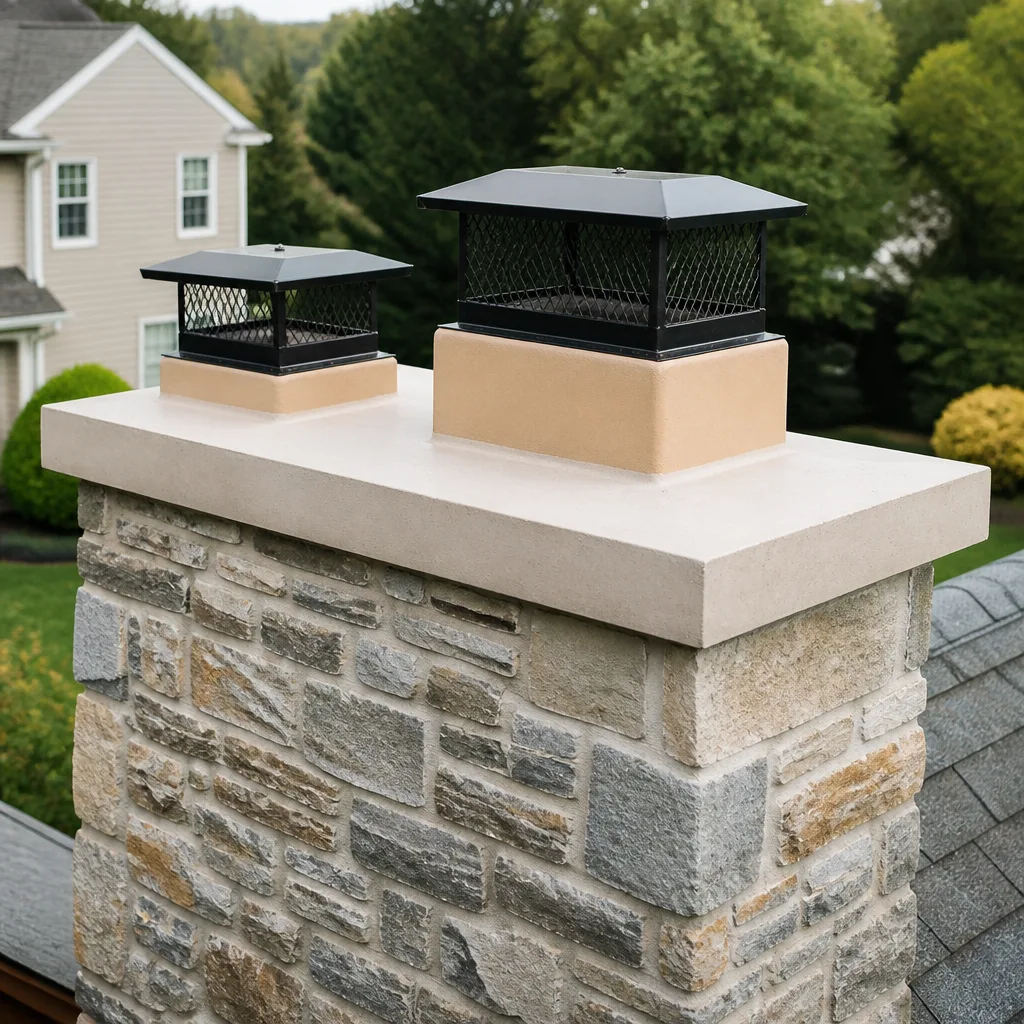 Caps & crowns
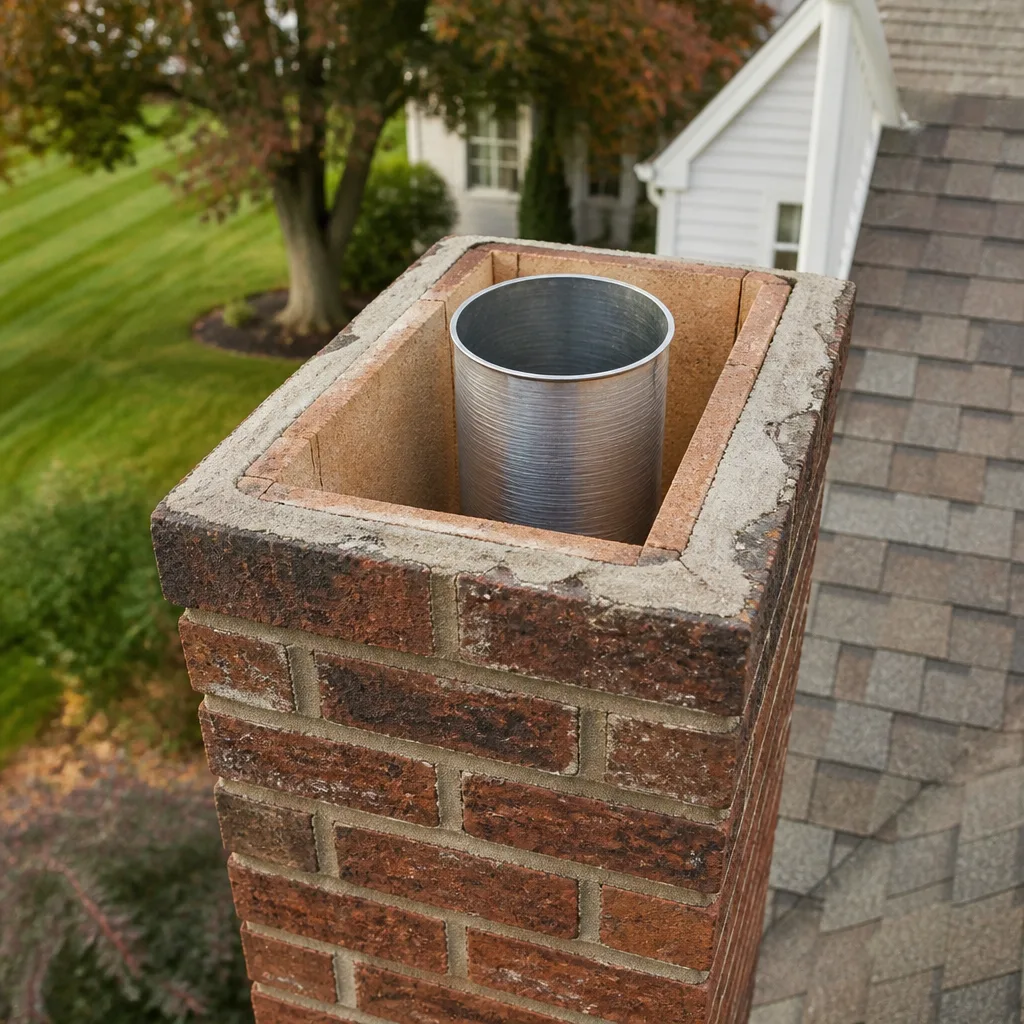 Flue relining
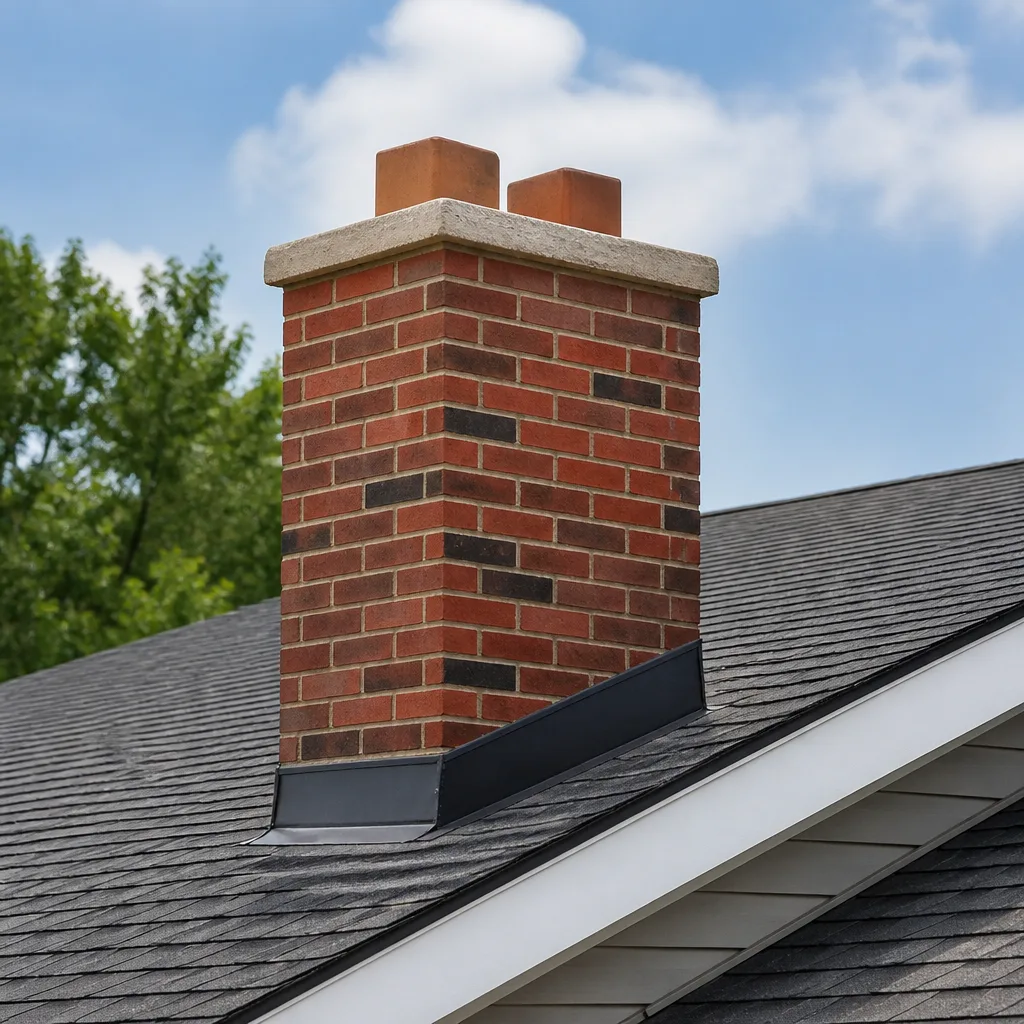 Masonry repair
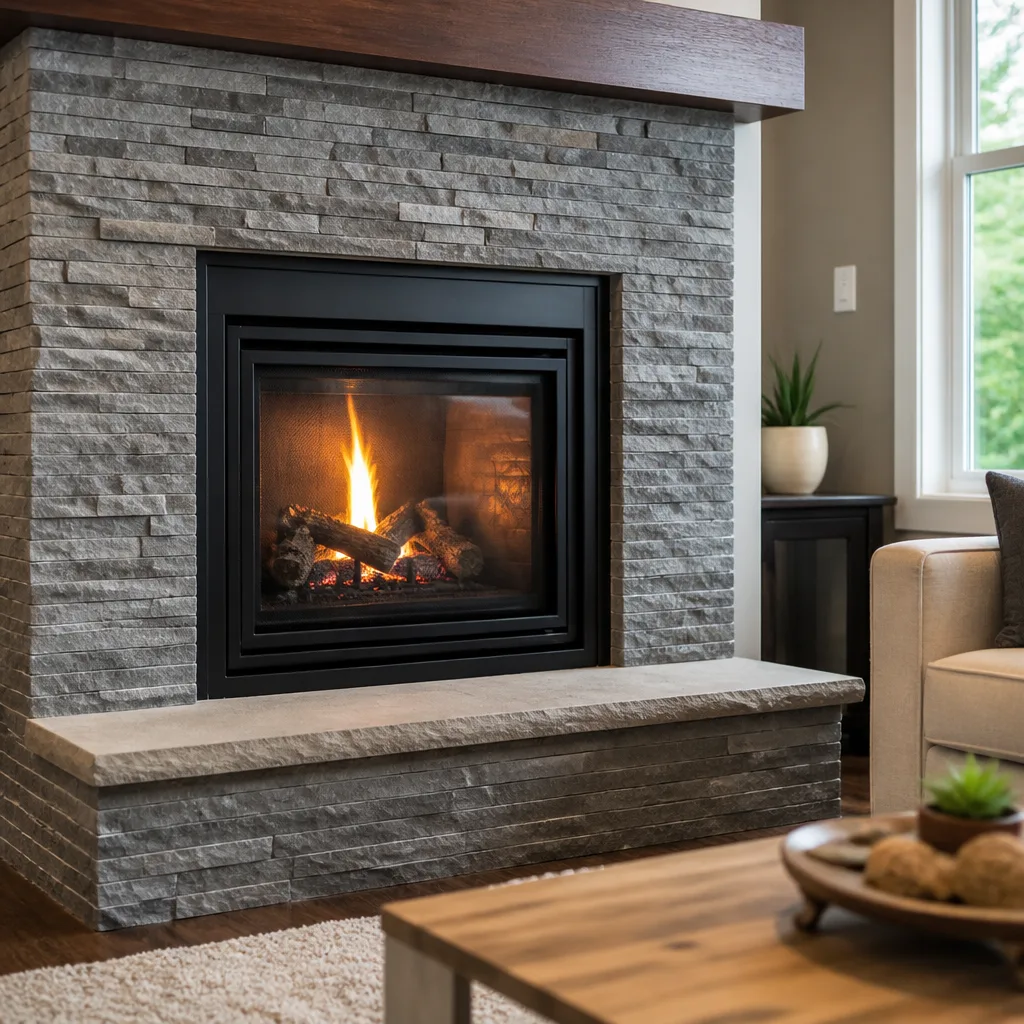 Gas fireplace service
Level 1 sweep and inspection to the NFPA 211 annual standard - flue, crown, cap, and flashing checked and photographed
Chimney sweep logs do not sweep chimneys. They loosen some creosote - which then falls where a brush and vacuum still have to collect it.
Chimney Cleaning Permits, Codes & Inspections in Sugar Land, TX: What You Need to Know
A chimney sweep doesn’t need a permit. Installing a new gas insert, running a new flue liner, or rebuilding a firebox sometimes does. That gap between routine maintenance and permitted construction trips up more Sugar Land homeowners than almost any other part of chimney care. We’ve talked with homeowners after chimney fires who discovered, right in the middle of an insurance claim, that repair work done years earlier was never permitted and now complicates the coverage question. This guide draws the line clearly: which work needs a permit in Sugar Land and Fort Bend County, which doesn’t, how Texas handles contractor licensing (or doesn’t), what NFPA 211 actually means during an inspection, and how permit history affects insurance and home sales.
Quick Answer
In Sugar Land, routine chimney cleaning and inspection generally do not require a permit, but structural work and installations that alter the chimney system often do: relining, firebox rebuilds, cap and crown replacement that involves structural changes, and new appliance installations such as gas inserts. Texas has no statewide chimney contractor license, so permit records and NFPA 211 compliance are your main protection. Ask your city’s building department before any repair, and ask your insurer whether they require a Level 2 inspection after a home purchase or a fire event.
Styles & brands we work with
- Sweep & inspection
- Caps & crowns
- Flue relining
- Masonry repair
- Gas fireplace service
Table of Contents
- Which Chimney Work Needs a Permit in Sugar Land?
- What Texas Licensing (or the Lack of It) Means for You
- NFPA 211 and What It Means When a Technician Mentions It
- What a Level 2 Inspection Is and When You’ll Need One
- How Permit Status Affects Insurance and Home Sales
- Dryer Vent Cleaning: The Second Ventilation Hazard
- How a Chimney Inspection Actually Goes
- Sugar Land Climate, Housing, and Chimney Wear
Which Chimney Work Needs a Permit in Sugar Land?
Permits exist to make sure structural work gets inspected by the city. In Sugar Land, that line generally falls between cleaning and construction.
On the cleaning side, a routine sweep, a Level 1 visual inspection, and basic maintenance like a minor cap reseal or a new chimney cap that doesn’t alter the structure usually fall outside the permitting system. These are considered maintenance, and no permit is typically required. This is one reason a regular chimney sweep is the simplest service you can book, with no paperwork burden on top.
On the construction side, work that changes the chimney’s structure or its venting characteristics usually does require a permit through the City of Sugar Land’s building department. Common examples in Fort Bend County homes:
- Installing a new stainless liner (relining) where none existed, or replacing the venting system entirely
- Firebox rebuilds and major masonry repair
- Structural crown replacement or rebuilding the top portion of the chimney
- Installing a new appliance: a gas insert, a stove, or any new heating unit that connects to the flue
- Converting a wood-burning fireplace to gas, or the reverse
- Removing or significantly altering the chimney
Where it gets fuzzy: HeatShield ceramic resurfacing and similar repair techniques that restore an existing flue. Whether a specific repair is classified as “maintenance” or “structural” can depend on the scope and the city’s interpretation on any given day. The safest answer for any homeowner is to ask before the work begins. Call your city’s building department, state the address and the work proposed, and get a yes or no on the permit question. If a contractor tells you a permit isn’t needed for structural work, ask them to get that in writing from the city.
What Texas Licensing (or the Lack of It) Means for You
Texas does not issue a statewide chimney contractor license, and that changes how you should vet someone before letting them work on your flue. Unlike electricians or plumbers, there is no state credential required to open a chimney repair business in Sugar Land. That’s not a loophole you can close yourself, but it is a reason to do the homework before hiring.
No license requirement doesn’t mean no standards. It means the standards live with professional associations and national codes rather than a state agency. Here’s what to look for:
- Insurance and bond. Ask for a certificate of insurance showing general liability coverage, and confirm the name on it matches the company you’re hiring. If repairs go wrong or a technician is injured on your roof, this is what protects you.
- Notification of industry credentials. Certifications from trade bodies like the Chimney Safety Institute of America (CSIA) or membership in the National Chimney Sweep Guild (NCSG) are legitimate signals. Verify whatever’s claimed directly with the issuing body.
- Ask about the brands and products they install. A company that works with professional manufacturing lines like DuraFlex, Olympia Chimney, or HeatShield tends to follow installation standards tied to those products. Generic materials with no traceable source are a warning sign.
- Ask for the written report and camera evidence. Since no state database verifies the contractor, a documented inspection with photos you can see yourself is your best protection.
- Get the scope in writing before work begins. A written estimate that names the work, the materials, and the price lets you compare fairly and gives you a paper trail for insurance later.
The practical reality in Sugar Land: the industry is largely self-policing on the contractor side, and homeowners carry more of the vetting burden than they would with a licensed trade. Do the vetting.
NFPA 211 and What It Means When a Technician Mentions It
NFPA 211 is the national standard for chimneys, fireplaces, vents, and solid fuel-burning appliances. When a technician references it during an inspection, they’re talking about the code framework the industry uses to judge whether your chimney system is safe to use, and that framework is the reference point most chimney professionals in Texas apply regardless of local code language.
What NFPA 211 actually requires comes down to a few practical things:
- Solid fuel appliances must be vented through a chimney that meets specific structural and clearance requirements.
- Chimneys must be inspected, and inspectors classify findings using three levels: Level 1 (visual walkthrough), Level 2 (camera and video inspection of the flue), and Level 3 (specialized access, potentially opening the chimney structure).
- Chimneys should be swept as needed, generally based on the amount of creosote accumulated rather than a fixed calendar schedule.
- The standard defines the conditions under which a chimney is unsafe to use, including significant cracks, missing liner sections, excessive creosote, and damaged crowns or caps.
When we inspect a chimney in Sugar Land and reference NFPA 211, it’s not to sell work. It’s to give you a shared reference point. The standard gives us language to say “this flue is now below the code threshold” and lets you check that against a document you can read yourself.
One more thing about NFPA 211 worth knowing: it’s the reference for how liner systems like DuraFlex flexible liners get installed in offset or irregular flues, where rigid liners can’t be used. If a chimney needs relining and someone quotes you a rigid system anyway, that’s a good question to ask.
What a Level 2 Inspection Is and When You’ll Need One
A Level 2 inspection is a camera-based, in-depth assessment of the chimney’s interior, and insurance carriers, buyers, and inspectors in Sugar Land commonly require it after a home purchase, after a chimney fire, or after a significant change to the chimney system.
Here’s how the three inspection levels break down:
- Level 1. A visual inspection of accessible portions of the chimney and firebox, typically done alongside a routine sweep. No specialized tools required.
- Level 2. Adds a camera inspection of the flue and enclosed spaces, plus inspection of accessible attic, crawlspace, and adjacent areas. Requires specialized equipment.
- Level 3. Requires opening up portions of the chimney structure when a hazard is suspected but not identifiable through a Level 2. Typically done only when necessary.
When you’re likely to encounter a Level 2 in Sugar Land:
- Home purchase. Buyers and their agents frequently request a Level 2 before closing, especially on homes where the chimney’s condition isn’t documented.
- After a chimney fire. Even a small chimney fire can damage the liner without obvious exterior signs. Insurers often want a Level 2 to verify the chimney is safe before re-use.
- After a flue repair or liner installation. To confirm the work was done correctly.
- After a significant change to the system. A new appliance, an insert, a change in fuel type, or a home addition that changes the flue’s path.
If you’re buying or selling a home in Sugar Land and your agent hasn’t mentioned the chimney, ask about a Level 2. It’s the inspection that catches liner cracks a visual walkthrough will miss.
How Permit Status Affects Insurance and Home Sales
Permitted work protects you on two fronts: your insurance claim after a loss, and your ability to close a home sale without a delay. Unpermitted work is the number one cause of complications in both cases.
Here’s the pattern we’ve seen enough times to recognize: a homeowner has chimney work done, the work is done well enough that it functions, but no permit was pulled. Years later, a chimney fire or a claim triggers an adjuster’s review. The adjuster pulls the city’s permit records and finds nothing for the chimney repairs. That absence doesn’t automatically void a claim, but it can extend the review, require a re-inspection, or reduce what the insurer is willing to cover.
The home sale side is more predictable. During the sale process, buyers commonly ask for permit records for any work disclosed in the seller’s disclosure form. If chimney work was done without a permit, the transaction can stall while the seller sorts out the documentation, and some buyers will negotiate down or walk away. The insurance angle shows up too: buyers’ lenders sometimes ask for evidence the home’s systems are as represented.
For Sugar Land homeowners, the practical protections are simple:
- Keep copies of every permit and every inspection report. Store them with the home’s other documentation.
- If you’re selling, ask your realtor early whether the chimney appears in the disclosure packet, and get the documentation in order before listing.
- Before you buy, request an inspection report for the chimney, not just a home inspection that glances at it.
- If prior work was unpermitted, a retroactive permit or a new inspection can often set the record straight, but do it before the sale is in motion.
Call (866) 809-2352 with questions about existing documentation or an inspection you need to schedule. We can often work with your insurer and realtor to get the paperwork in order.
Dryer Vent Cleaning: The Second Ventilation Hazard
Chimneys get the attention, but the dryer vent is the other regular fire hazard in a home, and it falls under the same general principle: routine maintenance needs no permit, but a significant change to the vent run usually does.
Lint buildup in a dryer vent is one of the leading causes of residential house fires. In Sugar Land homes where the laundry room sits away from an exterior wall, the vent run can be long, and the interior of the run isn’t visible without a camera. If the vent hasn’t been cleaned in several years, or if a load of laundry takes longer to dry than it used to, that’s a signal worth acting on.
What dryer vent cleaning involves, and where permits enter the picture:
- Cleaning the existing vent run. No permit needed; it’s routine maintenance.
- Replacing a damaged or crushed flex duct with rigid or semi-rigid duct. Often no permit, but ask your city if the run is being significantly altered.
- Running a new vent path through a wall or roof. That’s construction and usually requires a permit.
Because a sweep visit covers the chimney and the dryer vent can be tackled separately, we frequently handle both in the same call for Sugar Land homeowners. It’s two of the most common household fire hazards addressed with one booking.
How a Chimney Inspection Actually Goes
Here’s what to expect when you book a chimney inspection in Sugar Land, whether it’s a routine annual visit or a Level 2 ahead of a home purchase.
- Book the visit and set the scope. Tell us what’s prompting the visit: routine maintenance, a recent chimney fire, a home sale, or a change in how the fireplace is behaving. Scope matters, because a Level 1 doesn’t use the same tools as a Level 2.
- Visual walkthrough. We look at the firebox, the damper, the smoke chamber, the exterior chimney, the crown, the cap, and the flashing at the roofline. The goal is to note anything visibly compromised.
- Camera inspection of the flue. On a Level 2, a camera goes down the flue to show the liner’s interior condition. This is where cracks, gaps, and creosote accumulation typically show up.
- Accessible-attic and adjacent-space check. The Level 2 also covers accessible areas that can reveal venting problems.
- Clean during or after the inspection. A sweep removes creosote and soot, then the inspection confirms the flue’s condition.
- Document findings. You get a written report with photos, and a clear statement of what needs repair, what can wait, and whether any of it requires a permit.
A note on safety: chimney work involves high places and, at times, components that are dangerous to disturb without training. Our technicians have up to 9 years of experience, and we handle the roof, the flue, and the repairs so you don’t. If your chimney has never been inspected, that’s the single most useful step you can take.
Sugar Land Climate, Housing, and Chimney Wear
Sugar Land’s climate shapes what we find on inspections, and it’s worth knowing how before you decide what work to book.
Winters here are mild, and fireplaces in Sugar Land homes get used seasonally rather than continuously. That pattern has two effects. First, creosote accumulates across a whole heating season rather than being burned off by steady use, so when the season ends, the flue often holds a full winter’s worth of buildup. Second, the shoulder seasons – long stretches of warm weather between uses – let moisture settle into masonry without the drying heat of a fire. Over years, that shows up as softened mortar, damaged crowns, and spalling brick.
Housing stock in Sugar Land also matters. Many homes here were built with fireplace and chimney systems that have now seen decades of use, and some of the masonry work is due for repair. Ranging across neighborhoods like First Colony, Riverstone, and Sugar Creek, we see the same pattern: chimneys that were built well, used lightly, and haven’t been inspected in years. Often the right answer isn’t major work. It’s a thorough inspection, a sweep, and a plan.
When we find damage, we can often resolve it in-house without referring you out. HeatShield ceramic resurfacing restores a damaged flue in some cases without a full reliner. DuraFlex flexible liners handle offset or irregular flues where rigid systems can’t. And structural repair for crowns, mortar, and caps is part of the same visit rather than a separate contractor’s job. That combined scope matters: findings from the inspection get resolved in the same call, instead of you chasing a report around town. If you want the full picture of what we cover, it’s on Sugar Land Chimney Cleaning.
Common Mistakes to Avoid
- Assuming no permits are needed for anything. Sweeps don’t need permits; structural work and installations often do. Assuming otherwise can turn into an insurance headache years down the line.
- Letting a repair happen without documentation. Even when a permit isn’t required, keep the written report and photos. When a claim or sale comes up, that paper trail matters.
- Hiring on price alone. Texas doesn’t license chimney contractors, so a low price with no insurance and no written scope leaves you exposed. Ask for proof of coverage and a written estimate.
- Skipping the Level 2 after a chimney fire. A chimney can look intact from the outside and still have a cracked liner. If there’s been a fire, get the camera inspection.
- Neglecting the dryer vent. A clean chimney and a lint-choked dryer vent are one hazard fixed and one left standing. Have both checked.
- Buying a home without asking for the chimney’s paper trail. For Sugar Land homes, the disclosure packet should cover prior chimney work. If it doesn’t, ask during the inspection period.
- Assuming a permit ensures quality. A permit means the work was inspected; it doesn’t guarantee the right materials. Ask what brand of liner or cap is being installed, and whether it’s from a professional supply line.
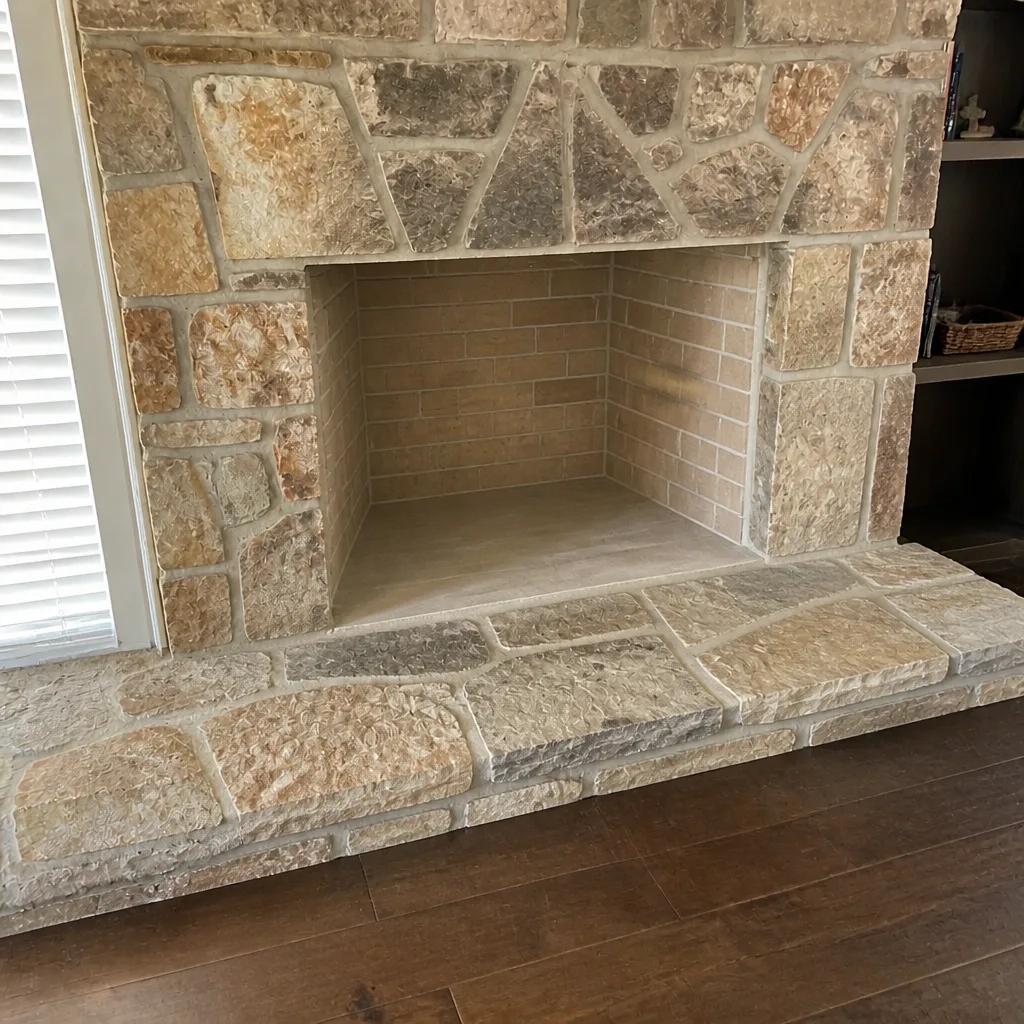
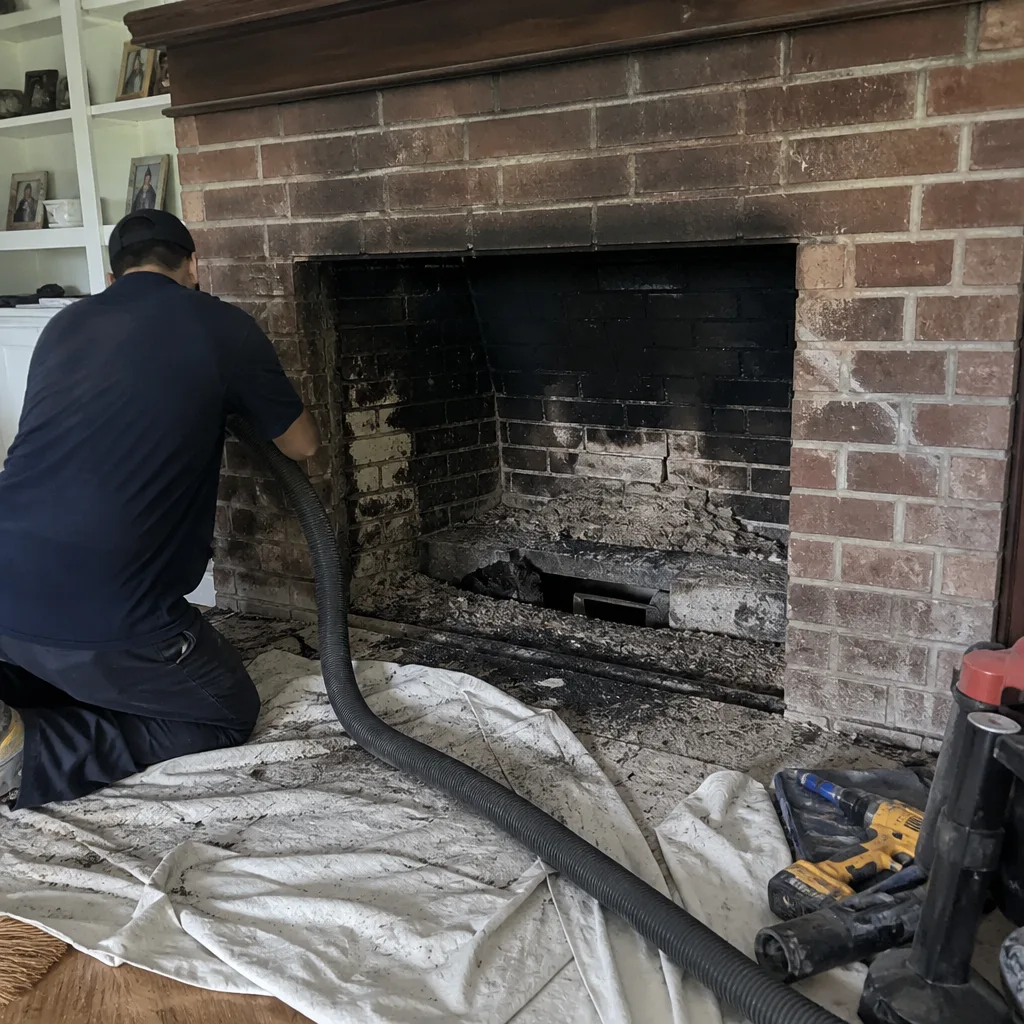
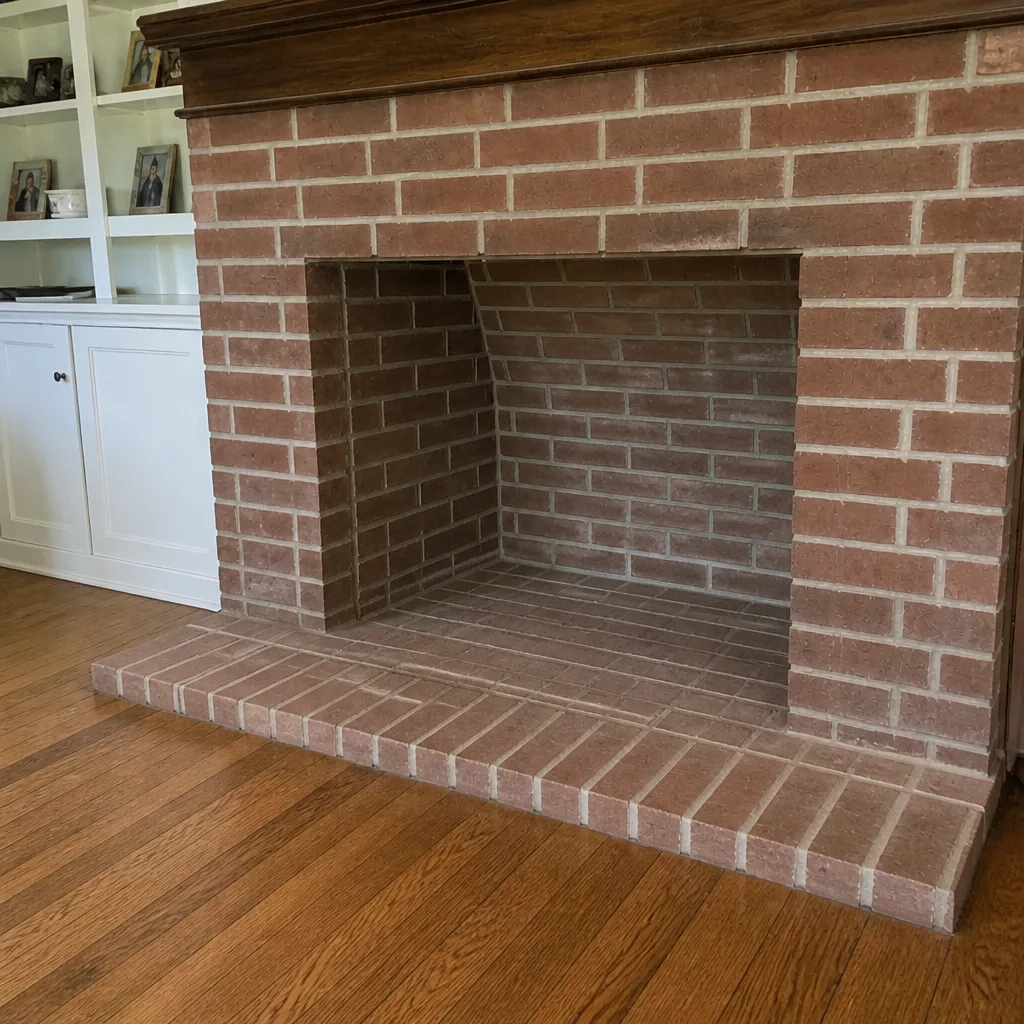
See the difference
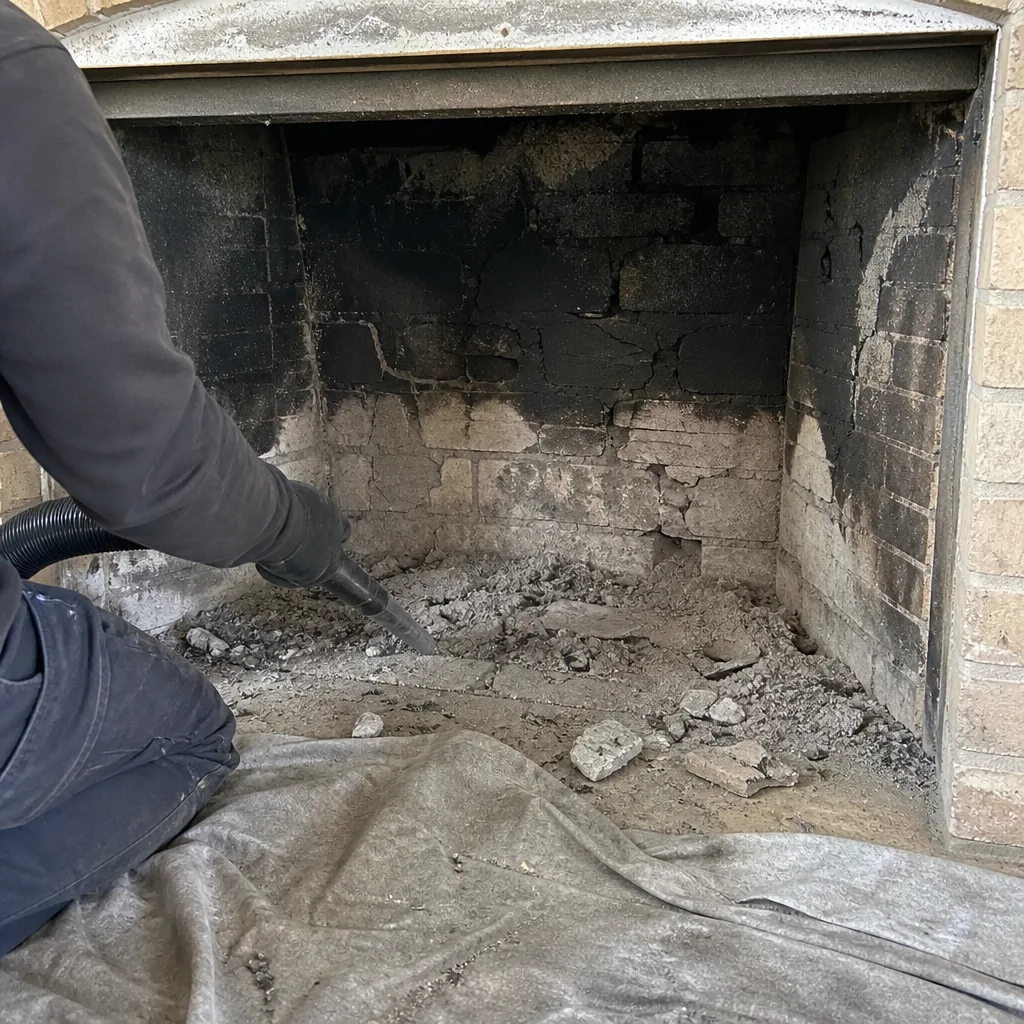 Before
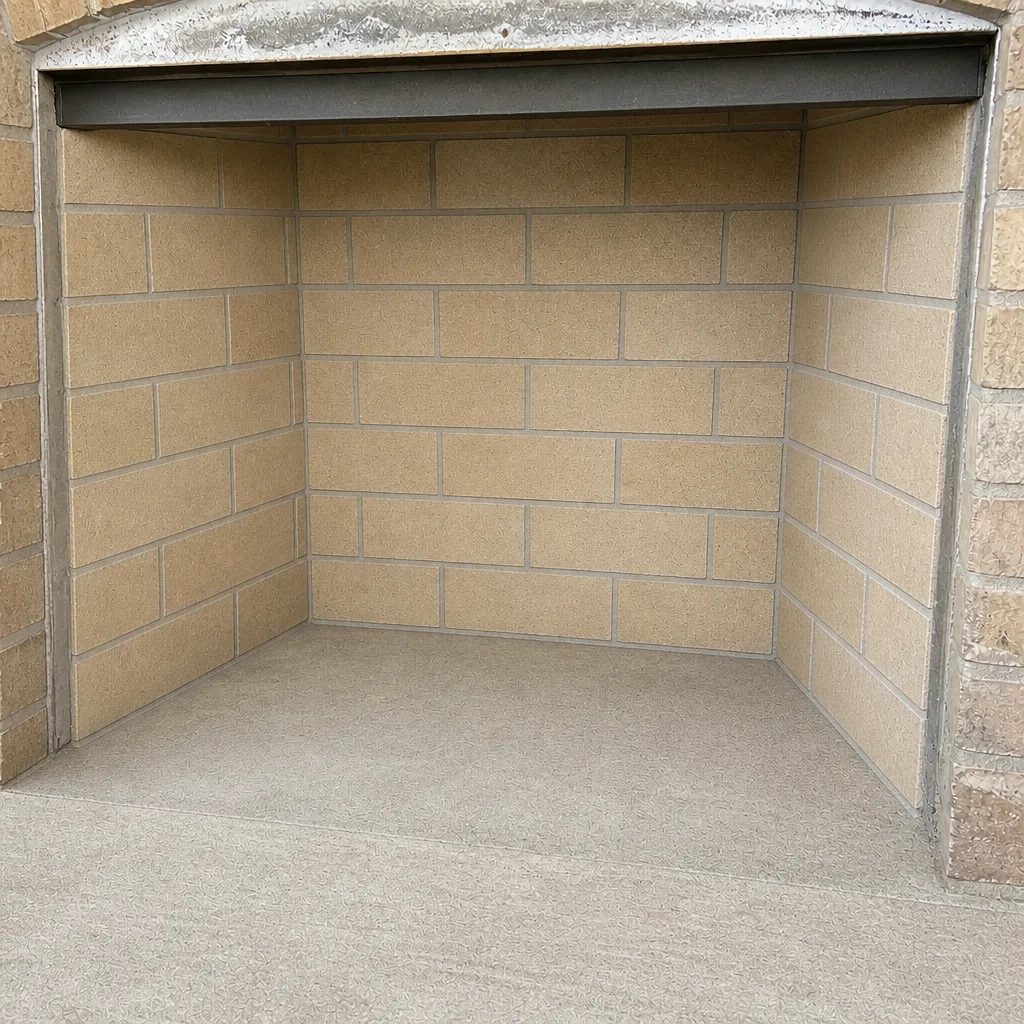 After
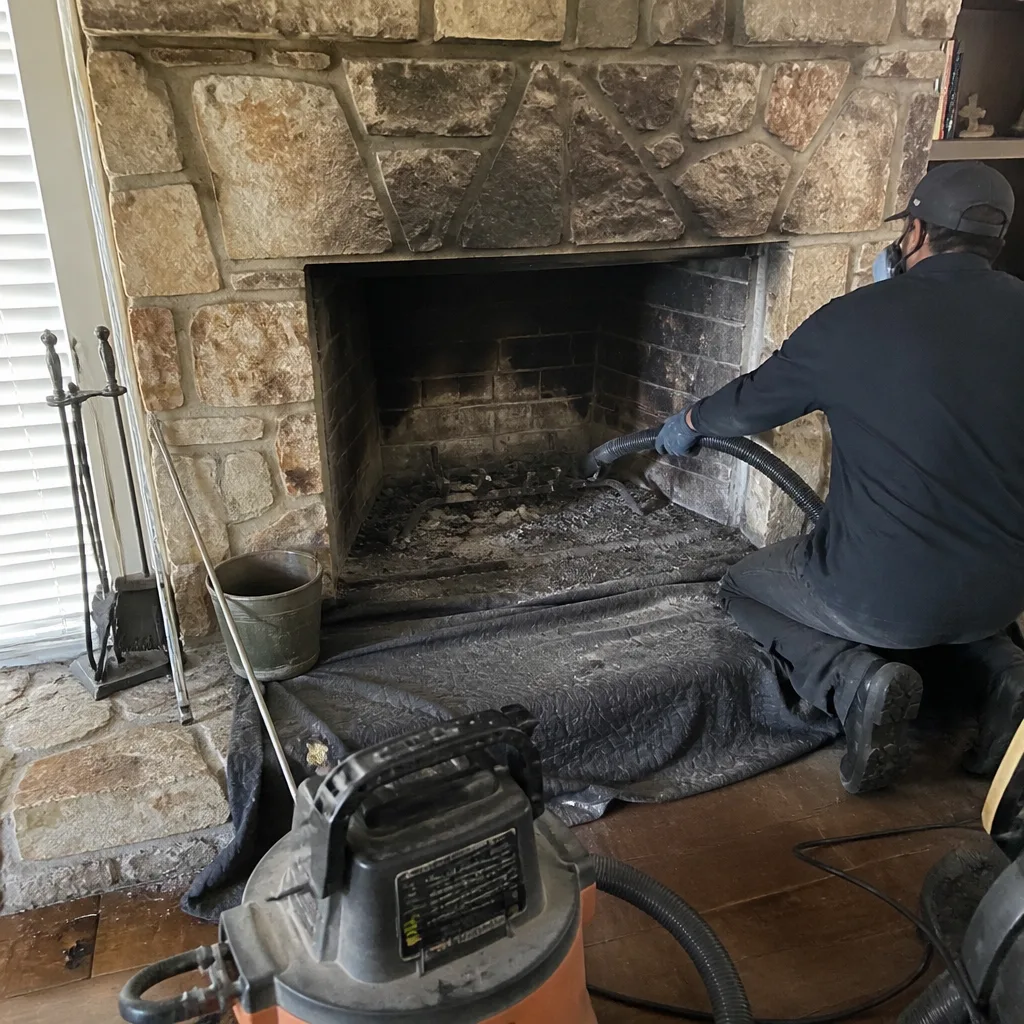 Before
 After
 Before
 After
When to Call a Professional
If you haven’t had the chimney inspected in the past year, that’s the moment to call. If you’ve had a chimney fire, even a small one, call before you light the fireplace again. If you’re buying or selling a Sugar Land home and the disclosure doesn’t clearly document the chimney’s history, call. If the flue smells strongly when the fireplace is idle, if the firebox shows cracks, if the crown is crumbling, or if a new appliance is going in, those are all reasons to get a professional assessment rather than a guess.
We sweep it, inspect it, and fix it, all under one call, and you get camera evidence you can see for yourself before anything is recommended. Sugar Land Chimney Cleaning offers free estimates in Sugar Land. Call (866) 809-2352. We answer 24/7. Fast dispatch from 7am to 7pm, Sunday through Friday. The written estimate sets the final price.
Frequently Asked Questions
No. Routine chimney cleaning and a Level 1 inspection don’t require a permit in Sugar Land. Permits typically come into play for structural repairs, relining, firebox rebuilds, and new appliance installations. Call (866) 809-2352 for an exact quote on a sweep, and we’ll tell you upfront if any of the findings would require a permit.
Pricing is set per job by the written estimate, and the estimate is free. The final price depends on the flue’s condition, the difficulty of access, and what the inspection turns up. Call (866) 809-2352 and we’ll walk you through what a sweep entails for your chimney before booking.
A Level 2 inspection is a camera-based assessment of the flue’s interior, and it’s typically required by insurers after a home purchase or a chimney fire. It’s also worth requesting before buying a Sugar Land home whose chimney history isn’t documented. Call (866) 809-2352 to schedule one.
No. Texas doesn’t issue a statewide chimney contractor license, so homeowners need to verify insurance, ask about industry certifications, and get the scope in writing. We can give you documentation and answer questions about how we work when you call (866) 809-2352.
The general guideline is when creosote buildup reaches roughly 1/8 inch, and that varies with how much you burn. For most Sugar Land homeowners who burn seasonally, an annual inspection is the sensible threshold. Call (866) 809-2352 to book one.
It can delay the transaction or cause the buyer to renegotiate. The fix usually involves getting a new inspection and, depending on the scope of the prior work, retroactive permitting through the city. Call (866) 809-2352 and we can help you get the documentation moving before it becomes a closing problem.
The Bottom Line
Routine chimney cleaning in Sugar Land doesn’t need a permit. Structural work and new installations often do, and the difference matters because it affects insurance claims and home sales. Texas doesn’t license chimney contractors, so your protection is a combination of insurance verification, industry certifications, camera-based inspection, and written documentation. NFPA 211 is the standard most inspections reference. A Level 2 inspection is the check you want after a fire, after a home purchase, or after any significant change to the system. And the dryer vent deserves the same attention as the flue.
If you’re not sure where your chimney stands, start with an inspection. Call (866) 809-2352 for a free estimate. We answer 24/7. Fast dispatch from 7am to 7pm, Sunday through Friday.
Written by the team at Sugar Land Chimney Cleaning.