
Last updated November 15, 2026
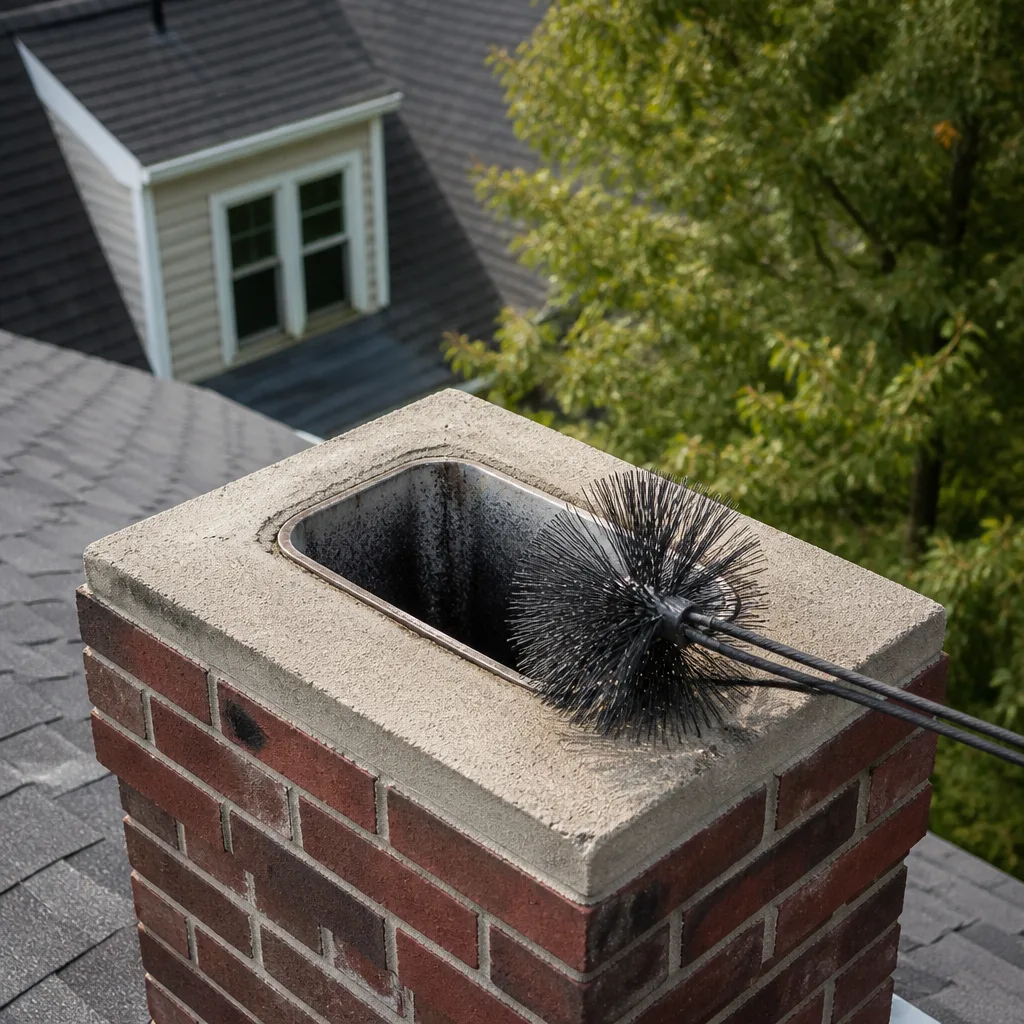 Sweep & inspection
 Caps & crowns
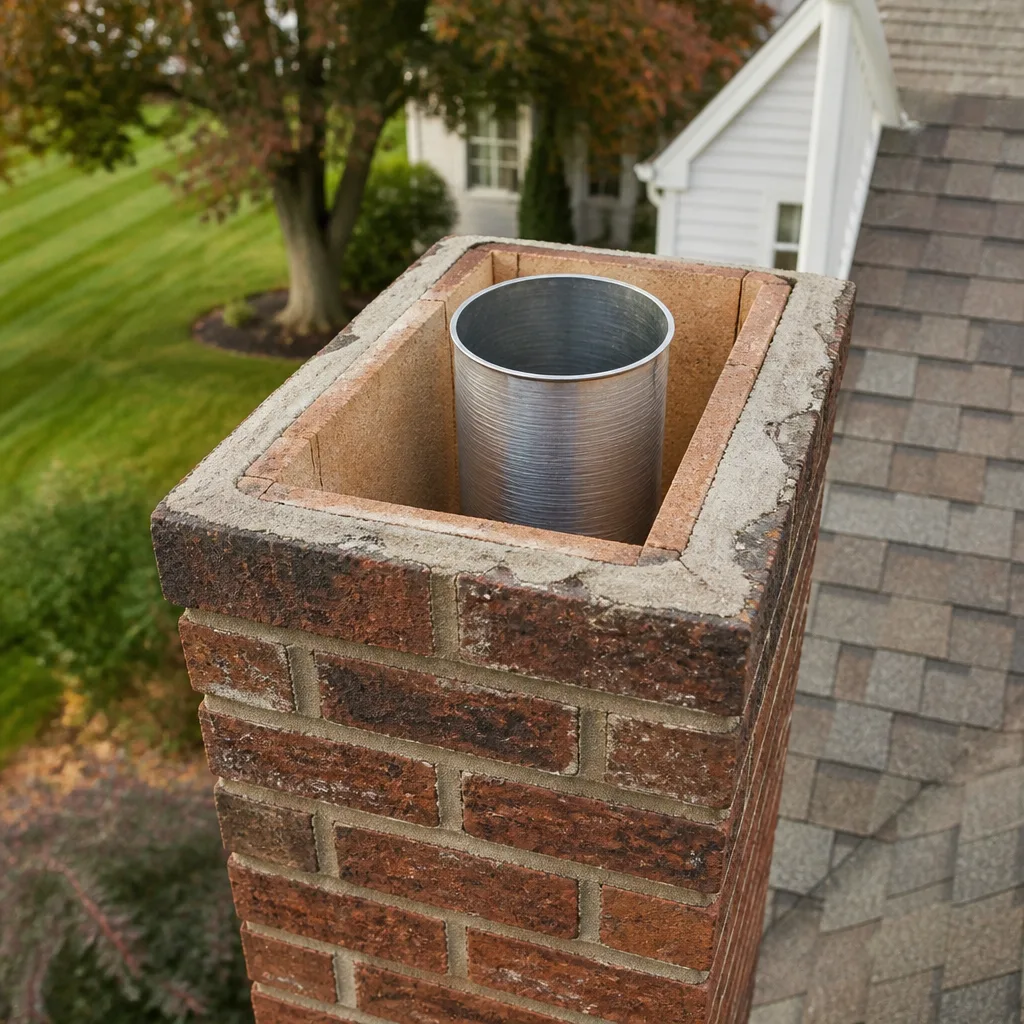 Flue relining
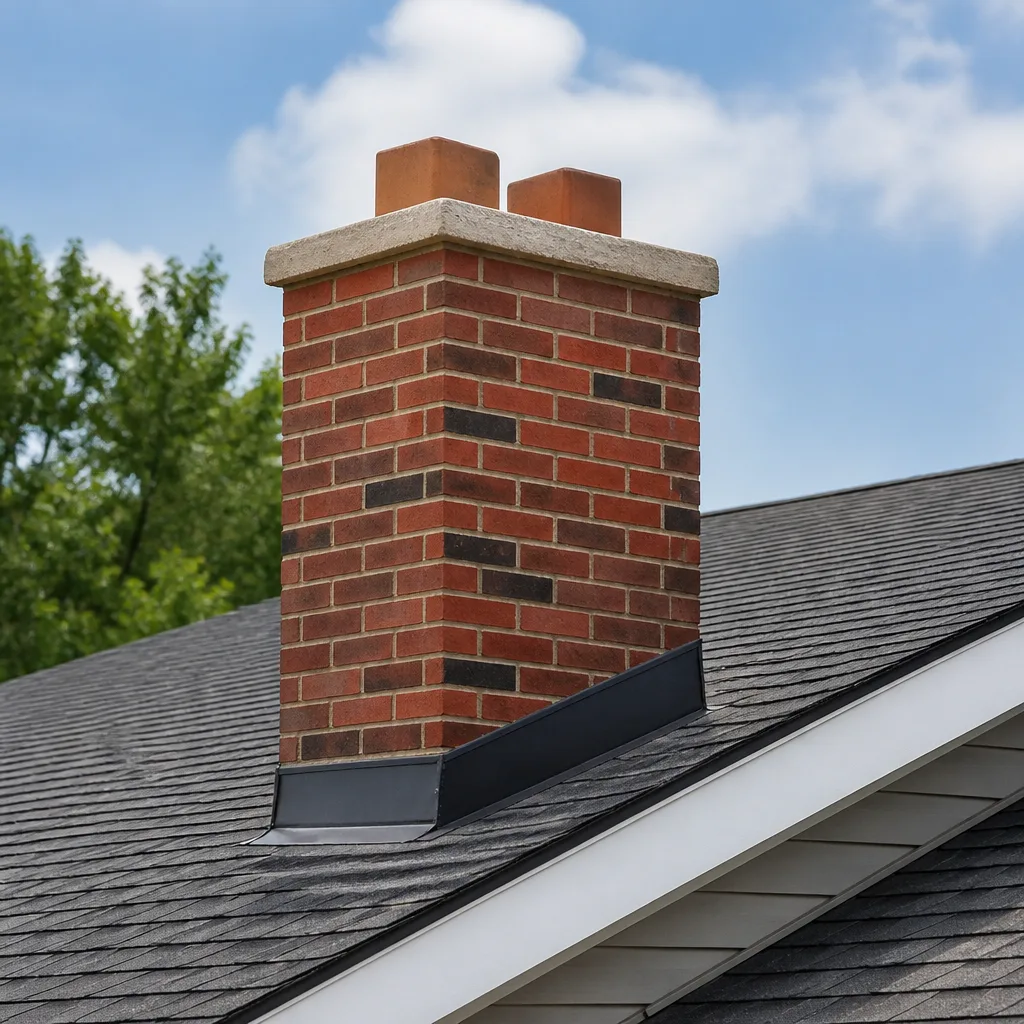 Masonry repair
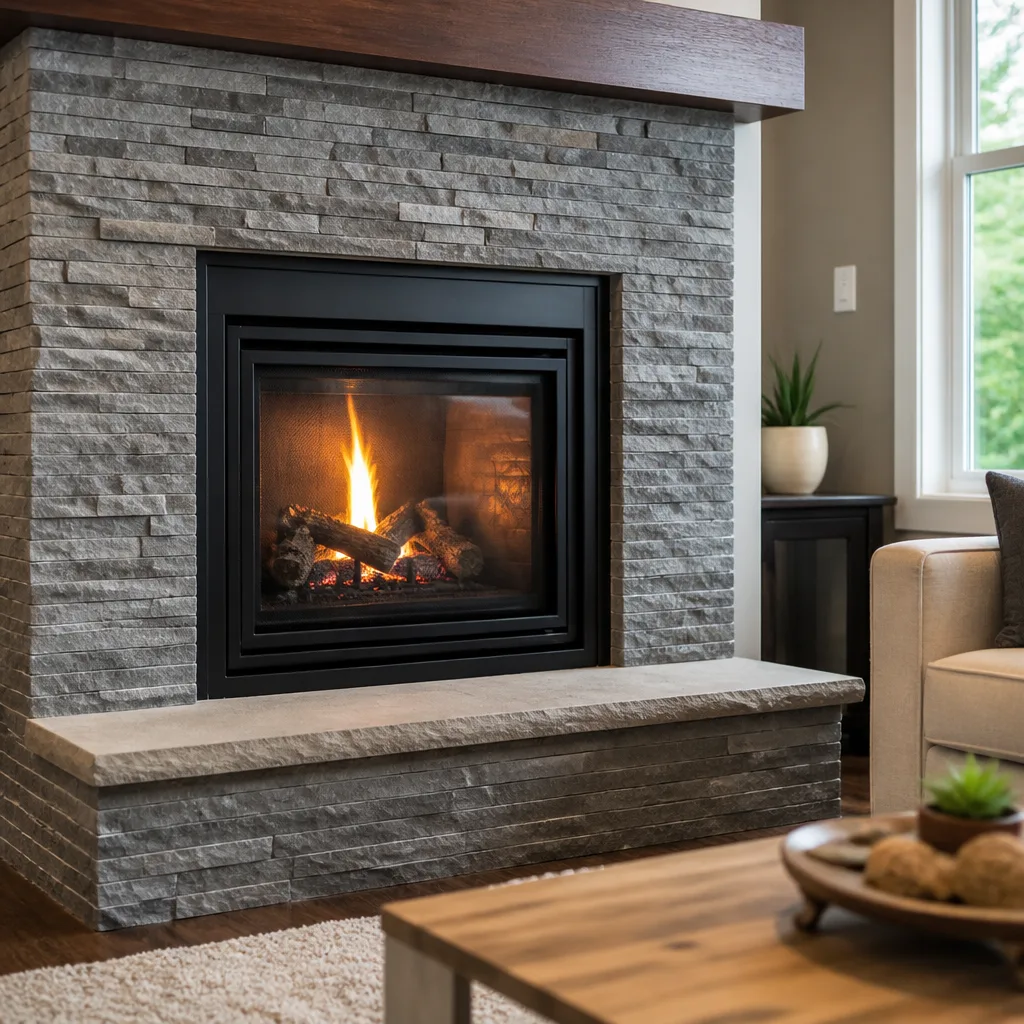 Gas fireplace service
Level 1 sweep and inspection to the NFPA 211 annual standard - flue, crown, cap, and flashing checked and photographed
Chimney sweep logs do not sweep chimneys. They loosen some creosote - which then falls where a brush and vacuum still have to collect it.
Chimney Sweep Maintenance Checklist for Sugar Land Homeowners
The standard “annual sweep” reminder skips the eleven months in between, and those are the months that matter most. A blocked cap, a cracked flashing detail, or a damper stuck open quietly turns into water damage or a carbon monoxide problem long before anyone books a cleaning. Here’s the fix: a checklist built around what Sugar Land homeowners actually find wrong, ranked by how much damage each item causes when it’s ignored. You’ll get a month-by-month rhythm that fits our seasons, ground-level checks you can do yourself, and a clear line between safe DIY and hands-off professional work. We’ll also show you how to document your chimney year over year, so when a technician finds something new, you already have a baseline.
Quick Answer
A working chimney maintenance checklist for Sugar Land has three layers: homeowner visual checks you do monthly without tools, a professional sweep and inspection timed to your actual burning habits, and a post-storm exterior review after major rain. Most Sugar Land homes should be swept when creosote reaches about an eighth of an inch inside the flue, or once a year if the fireplace sees regular use. Everything else on the list (cap, crown, flashing, damper, dryer vent) is about catching slow decay before it reaches the liner.
Styles & brands we work with
- Sweep & inspection
- Caps & crowns
- Flue relining
- Masonry repair
- Gas fireplace service
Table of Contents
- Why generic chimney checklists miss the mark in Sugar Land
- The month-by-month chimney maintenance calendar for Sugar Land
- Ground-level and firebox checks you can do yourself
- What to check after major rain events
- What’s genuinely DIY and what only looks simple
- How to document your chimney condition year over year
- Maintenance items ranked by damage when ignored
- Common mistakes to avoid
- When to call a professional
Why generic chimney checklists miss the mark in Sugar Land
Most chimney maintenance checklists are written for cold-climate homes that sit unused for half the year and burn hard for the other half. Sugar Land doesn’t work that way. Winters are mild, so fireplaces get used in short bursts rather than long steady seasons. That pattern changes what fails first. Instead of heavy creosote buildup from constant burning, we see more damage from the long stretches when the chimney sits idle and the weather keeps working on it.
Two things drive most of the trouble here. First, Gulf Coast humidity: it finds its way into masonry, mortar joints, and the crown, and it doesn’t need a hard freeze to do slow damage. Second, the rain. Sugar Land gets intense storm events that push water against the cap, the flashing, and any hairlines in the crown. A chimney that looks fine in October can show a rusted damper or a soft mortar joint by the following spring. None of this is dramatic, but it’s cumulative, and that’s exactly the kind of decay a checklist should catch early.
There’s a third factor specific to the housing here. Neighborhoods like Riverstone, Telford, New Territory, and the older sections of First Colony mix newer construction with homes that have had a fireplace through a couple of decades of use. Newer builds tend to have factory-built fireplaces with metal flues that reward careful cap and flashing checks. Older masonry chimneys lean more toward mortar, crown, and liner concerns. Both need the same routine, but the priority order shifts. For a service that handles cleaning and inspection in one visit, see our chimney sweep page, and know that everything below is what a good sweep should be checking.
The month-by-month chimney maintenance calendar for Sugar Land
Here’s the rhythm we recommend for Sugar Land homes. It’s built around when fireplaces actually get used here (roughly late fall through early spring) and when humidity and storm season do the most damage to the exterior.
- January: Mid-season check. Look up the flue with a flashlight. If creosote is visible and looks like a quarter-inch or more of soot, book a sweep before the next fire. Check the firebox for cracked brick.
- February: End-of-season sweep window. If you’ve burned regularly since November, this is the natural time to schedule the cleaning so creosote doesn’t sit in the flue through the humid months.
- March: Post-burn review. Close the damper fully, confirm it seats, and note any soot streaks around the firebox face you didn’t have in the fall.
- April: Exterior inspection after spring storms. Check the cap, flashing, and crown from the ground with binoculars. Note any new staining on the masonry.
- May: Dryer vent check. Humid-weather lint buildup in the vent line is a real fire hazard. This is one of our dryer vent cleaning touchpoints for the year.
- June through August: Idle months, but the most important ones for water intrusion. After any major rain, do the exterior check described below. Look for efflorescence (white staining) on the chimney sides.
- September: Pre-season sweep. If you didn’t book in February, do it now, before the first cool front.
- October: Damper and cap confirmation. Make sure the cap is intact, the screen is in place, and the damper moves freely by hand.
- November: First-fire check. Before the first burn of the season, confirm no birds or debris got into the firebox over the summer.
- December: Mid-season repeat of the January flue check.
Notice what’s missing: the “one sweep per year” shortcut. For a Sugar Land homeowner who burns a handful of fires per winter, a single sweep timed right is enough. For someone who burns frequently, the flue check in January and December is what tells you whether the creosote load needs attention between cleanings.
Ground-level and firebox checks you can do yourself
You don’t need to climb a ladder to catch most of the problems a technician will later confirm. These are the visual checks you can reasonably do yourself, from the ground and from the firebox, without special tools.
From the ground, with binoculars:
- Look at the cap or spark arrestor on top. Is it intact, does the screen have gaps, is anything dangling?
- Check the crown, the sloped concrete top of a masonry chimney. Is it cracked, chipped, or covered in moss?
- Scan the flashing where the chimney meets the roof. Any lifted edges, rusted nails, or dark staining below it?
- Look along the sides of the chimney for efflorescence (chalky white deposits) or dark water streaks. Both suggest water finding its way in.
From inside the firebox, with a flashlight:
- Look at the brick faces and mortar joints in the firebox. Crumbling, missing, or soft mortar is a flag.
- Shine the light up the flue. You’re checking for obvious heavy soot, and for daylight where daylight shouldn’t be. A gap in the liner shows as a bright spot.
- Open and close the damper. It should move smoothly, seat flush, and stay where you leave it. A stuck or warped damper is a professional fix.
- Check the firebox floor for rusted or missing grate pieces, and the smoke shelf for fallen debris.
What these checks do is give you a record. If you see the same crack in June and it looks wider in October, that’s information you can give the technician. If you spot a white stain on the chimney in July and it’s gone in September, that says the flashing might be doing its job intermittently, which is worth knowing. Our Sugar Land Chimney Cleaning team walks homeowners through exactly which conditions are worth a call and which ones can wait for a scheduled sweep.
What to check after major rain events
Sugar Land’s storm frequency is the reason the exterior gets its own step rather than being rolled into one annual sweep. Water is the slow killer of chimneys here, and most of the damage it causes is invisible from the couch. The rule is simple: after any significant rain, do a quick exterior pass and an interior flash check.
Exterior pass after heavy rain:
- Binocular check of the cap and crown from the driveway. Look for fresh cracks in the crown, moss, or anything loose.
- Check the flashing edges at the roofline. Water tracking under lifted flashing leaves a dark, wet streak on the siding or roof below.
- Look for water pooling near the base of the chimney on the roof, which suggests the crown is no longer shedding water away from the flue.
- Inspect the chimney sides for new white staining after the wall dries. Efflorescence means water is moving through the masonry.
Interior flash check after heavy rain:
- Shine a flashlight inside the firebox. A damp firebox floor, a musty smell, or dark stains on the smoke shelf point to water getting past the cap or flashing.
- Check the metal damper for fresh rust. A damper that was dry last month and is orange now is telling you water is reaching it.
- Smell the room. A fireplace that smells like wet ash after a storm needs a technician to find the entry point.
If you find water intrusion repeatedly after rain, that’s a repair conversation, not a cleaning one. Crown repair, flashing repair, and cap replacement are all part of what we handle, which is why we recommend the visual check on the exterior be the first thing that flags a call.
What’s genuinely DIY and what only looks simple
Plenty of chimney maintenance is safe for a homeowner. Plenty more looks safe and isn’t. Here’s how we draw the line.
Genuinely DIY:
- Ground-level and firebox visual checks (the section above)
- Opening the damper and confirming it moves freely by hand
- Checking the cap from the ground with binoculars
- Clearing ash from the firebox with a shop vacuum (once the firebox has cooled completely)
- Keeping the area around the hearth clear of combustible material
- Keeping a chimney documentation log (covered below)
Looks DIY but isn’t:
- Sweeping the flue. The rods, brushes, and drop cloths are specialized, and doing it wrong can crack a liner or push creosote into places it shouldn’t go.
- Climbing to inspect the cap or crown. Roof work is genuinely dangerous, and a chimney riser is a bad place to test your footing. This is the number-one item we tell homeowners to leave alone.
- Repointing mortar or patching a crown. The visible part looks easy. The prep, the correct mortar mix for the local conditions, and the way it needs to cure are where it goes wrong.
- Anything electrical or gas-related at the chimney. If your setup involves a gas log set, the connections belong to a trained professional. Same for any wiring that touches the chimney.
- Pulling or replacing a liner. Flexible liner systems like DuraFlex are engineered for the specific flue, and pulling a damaged liner without the right replacement on hand leaves you with an unusable chimney.
The pattern here: anything you can see from a safe place is fair game. Anything that requires you to get above the roofline, open a gas line, or work inside the flue itself belongs to someone who does it every week. Our technicians have up to 9 years of experience and know exactly which symptoms signal a stop-work situation.
How to document your chimney condition year over year
The single most useful thing a Sugar Land homeowner can do is keep a simple file on the chimney. A photo log with dates gives you a baseline, so when a technician recommends a repair in year three, you can see with your own eyes whether the crack was already there in year one. We’ve seen plenty of cases where a homeowner suspected someone was upselling them; a documented baseline is the fastest way to settle that question.
Here’s the log we recommend:
- One photo per season, from the same spot. Same driveway angle, same lighting if possible, same height. Four photos per year.
- One flashlight photo of the firebox interior per season. Same angle looking up at the smoke shelf and the damper.
- A note on each photo with the date and what you noticed. “Crown crack on north side, appears wider than June” is the kind of note that matters.
- Every sweep and inspection report saved in the same folder. Camera inspection and photo reports from any chimney sweep are worth keeping because they capture what the flue looked like at the time.
- A note of when the last sweep happened and roughly how many fires you burned in the months since.
This is the practice that makes the checklist actually work. Without a baseline, every finding feels new and you have no way to judge urgency. With one, you can see growth, stagnation, or improvement, and you can have an honest conversation about whether a repair is a now-problem or a next-year problem. When we recommend work, we include camera evidence and photos so you can see exactly what we saw, and the log is a second layer of that same principle.
Maintenance items ranked by damage when ignored
Not every checklist item is equally urgent. Here’s our honest ranking, ordered by what causes the most damage when it goes unaddressed.
1. Blocked or missing cap. A blocked cap pushes smoke back into the house and turns a minor restriction into a real carbon monoxide risk during burning season. It also lets water in. Worst case is the fastest-moving damage of any item on this list.
2. Cracked crown. The crown sheds water away from the flue. When it fails, water runs down the interior of the chimney and starts attacking mortar, then the liner. This takes longer than a blocked cap but causes more total damage.
3. Cracked or degraded liner. The liner keeps combustion gases out of the house structure. A damaged liner is a genuine safety issue, and it’s the item where a genuinely careful repair (like HeatShield ceramic resurfacing when a full reliner isn’t yet necessary) can save meaningful cost. We use HeatShield when the liner is damage-but-recoverable, and full DuraFlex relining when it isn’t.
4. Failed flashing. Flashing is where the chimney meets the roof. When it lifts, water enters the roof deck, and that damage spreads quickly into the attic and framing. Flashing failures are the most overlooked item because they aren’t on the chimney itself.
5. Heavy creosote accumulation. Creosote buildup is a chimney fire risk. It doesn’t happen overnight in Sugar Land because we don’t have the constant long-season burn a northern climate does, but it does happen with regular use, and it should be caught at a sweep.
6. Stuck or warped damper. A damper that won’t seat properly lets heated room air escape up the flue year-round, which costs energy, and can let cold air and moisture in. Annoying, but not catastrophic.
7. Mortar joint wear. Slow but steady. Sugar Land humidity accelerates it. Repointing is the fix, but it’s the kind of thing that can often wait until the end of the burn season if the sweep report says it’s early.
That ranking is what we use when recommending what to do first. A homeowner with a blocked cap, a cracked crown, and a slightly soft mortar joint doesn’t need all three fixed at once. Blocked cap now, crown this season, mortar next year is a perfectly reasonable plan.
Common Mistakes to Avoid
- Treating the annual sweep as the whole checklist. The sweep is one event in the year. The homeowner’s visual checks in between are what actually catch blocked caps and water intrusion before they become damage.
- Skipping the ground-level check after storms. Sugar Land’s summer storms are exactly when a crown crack or lifted flashing first shows. Waiting for a technician to notice months later misses the window when the fix is small.
- Assuming a gas fireplace doesn’t need attention. Gas setups still have a flue, a cap, and a damper, and the carbon monoxide risk is different, not absent. Gas fireboxes still need a check.
- Trusting a sweep that hands you a report and walks away. If you’re told you need a liner replacement, ask to see the camera footage and photos. If they can’t show you, get a second opinion. We always include both when we recommend work.
- Burning unseasoned wood. Wet wood produces more creosote and more smoke than dry wood. In a mild-climate chimney that sits idle, the extra buildup doesn’t get burned off between fires.
- Letting a small crown crack “wait until next year.” That crown crack is the item most likely to become interior liner damage over the next two wet seasons. A smaller repair today is a much smaller repair than the liner job it can turn into.
- Forgetting the dryer vent. If you’re already doing a chimney check, the dryer vent deserves the same attention. Lint buildup in the vent line is one of the leading causes of house fires, and it’s invisible without pulling the vent apart.
When to Call a Professional
Some symptoms are just a sweep. Others are a repair. Here’s where we’d draw the line: any visible change in the flue after a burn, any water intrusion into the firebox after rain, any rust on the damper, any crack in the firebox bricks or mortar that is widening, any daylight visible through the liner, any smoke coming into the room during a fire, any creosote that looks like a quarter-inch or more, or any recommendation for a liner repair that you want a second opinion on. All of those are calls we can help with. If a technician finds a required repair, we can do it in the same visit rather than handing you a referral. Sugar Land Chimney Cleaning offers free estimates in Sugar Land. Call (866) 809-2352. We answer 24/7. Fast dispatch, 7am-7pm, Sunday through Friday.
See the difference
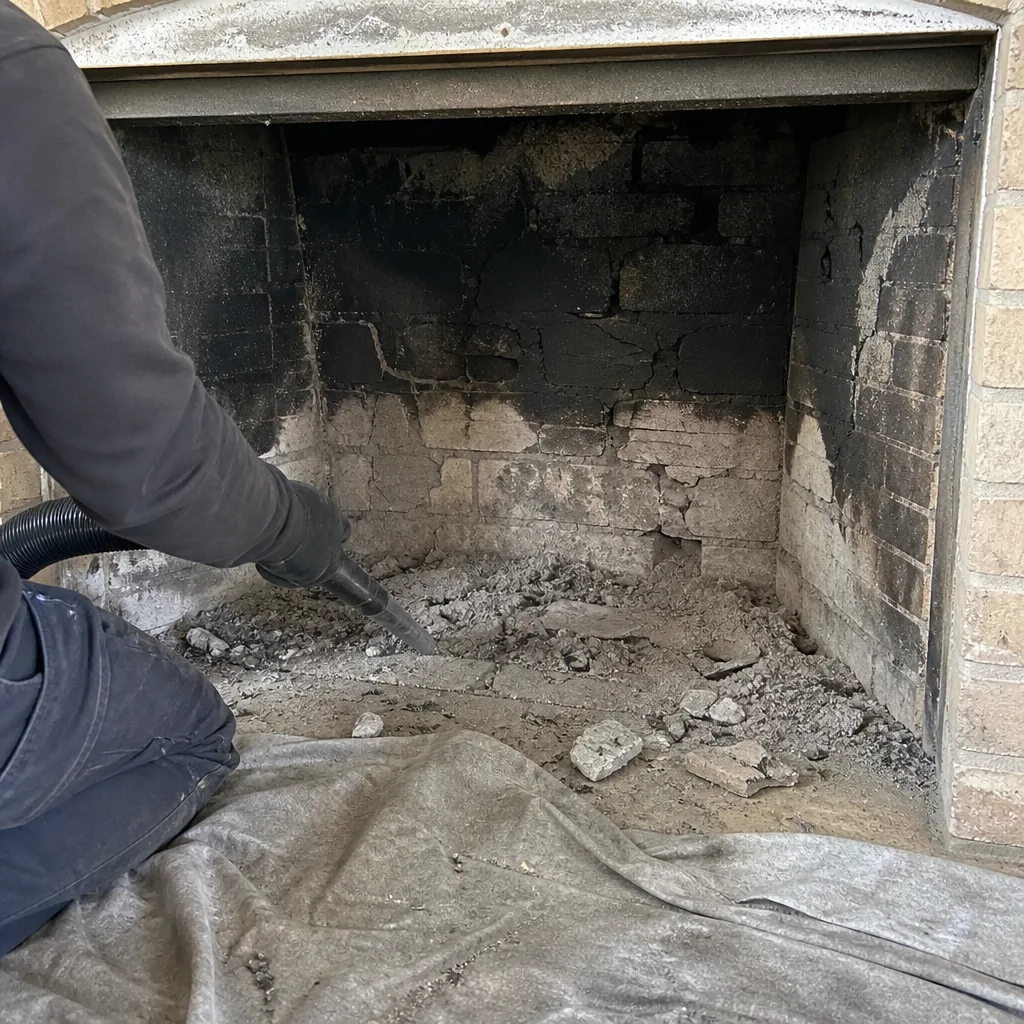 Before
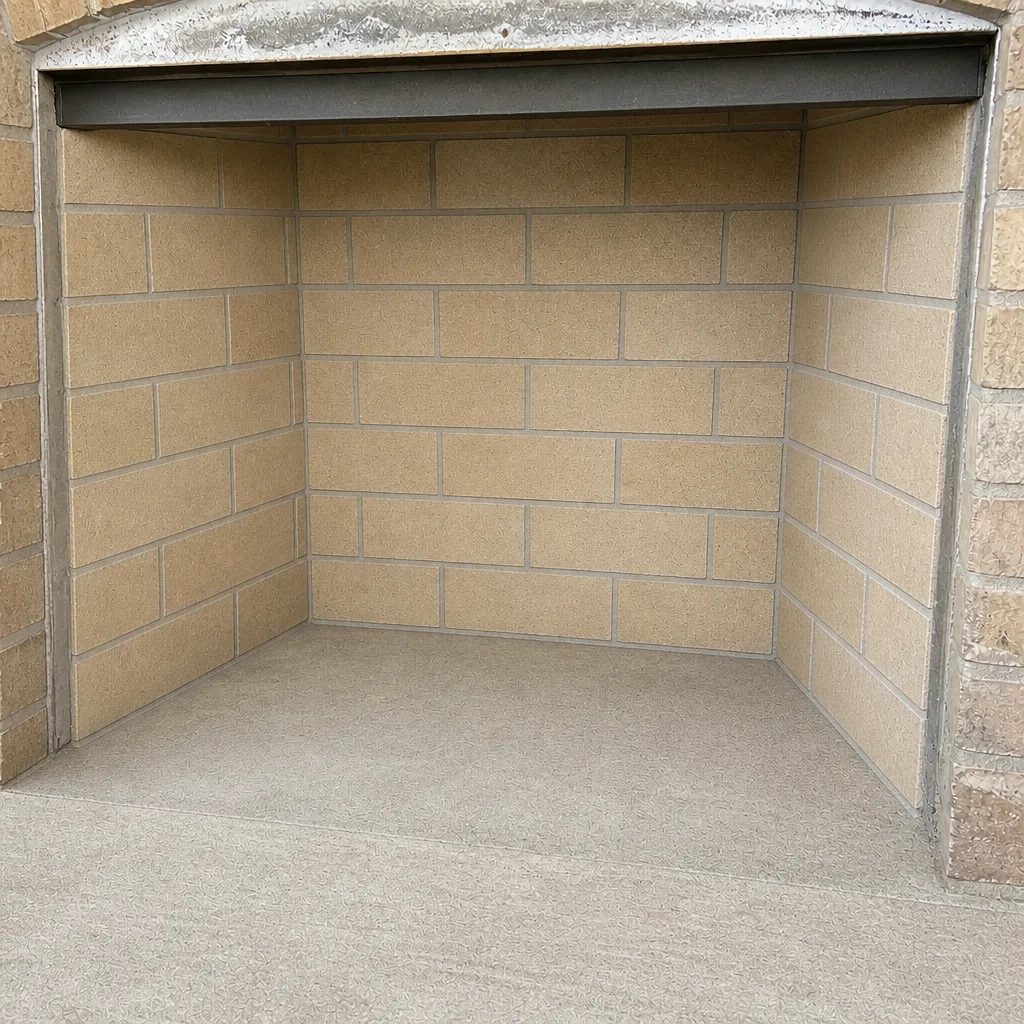 After
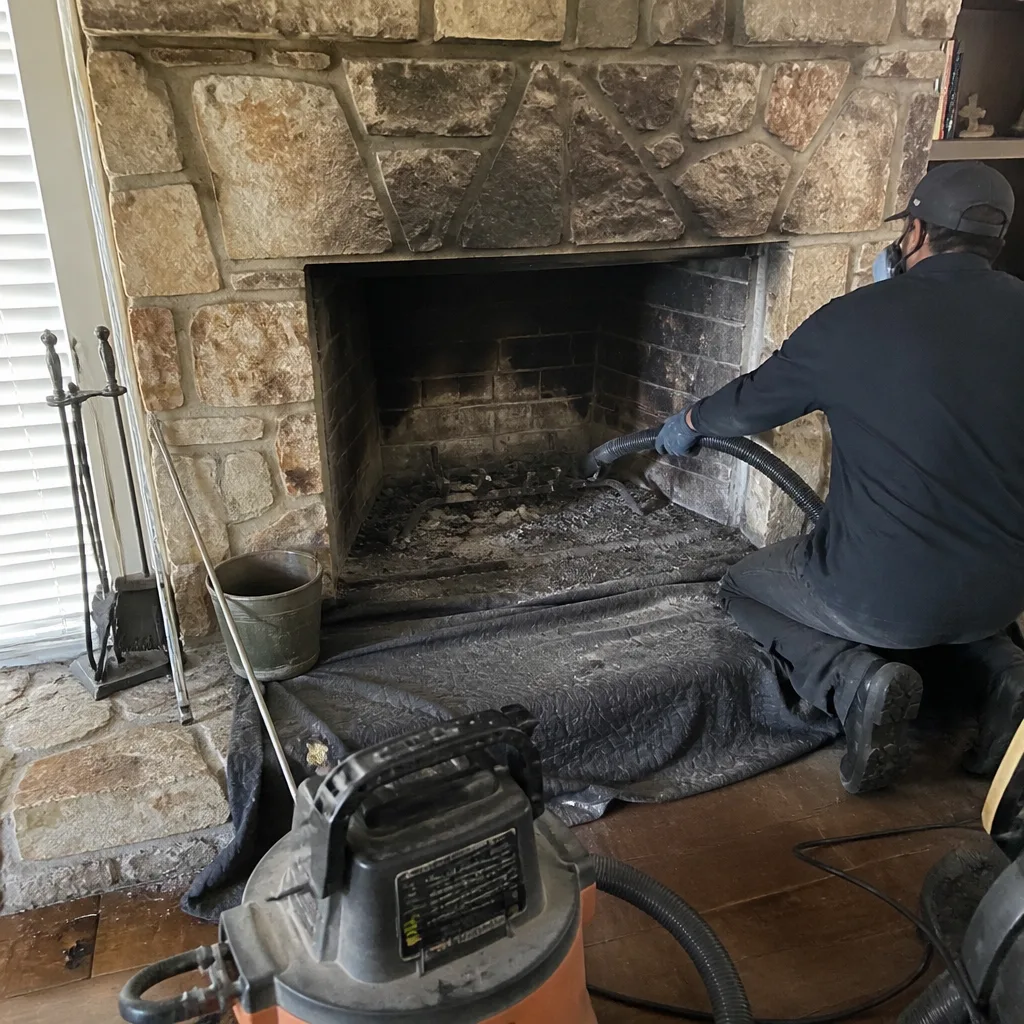 Before
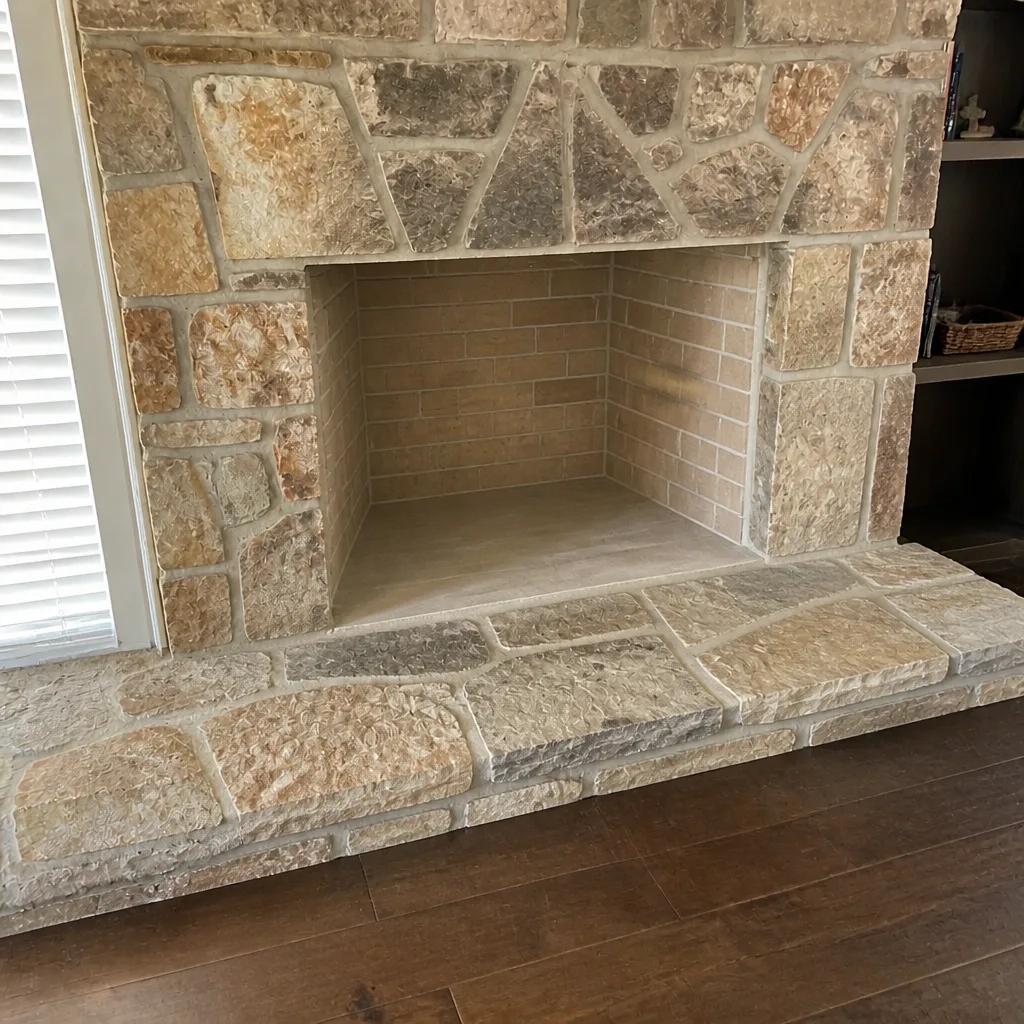 After
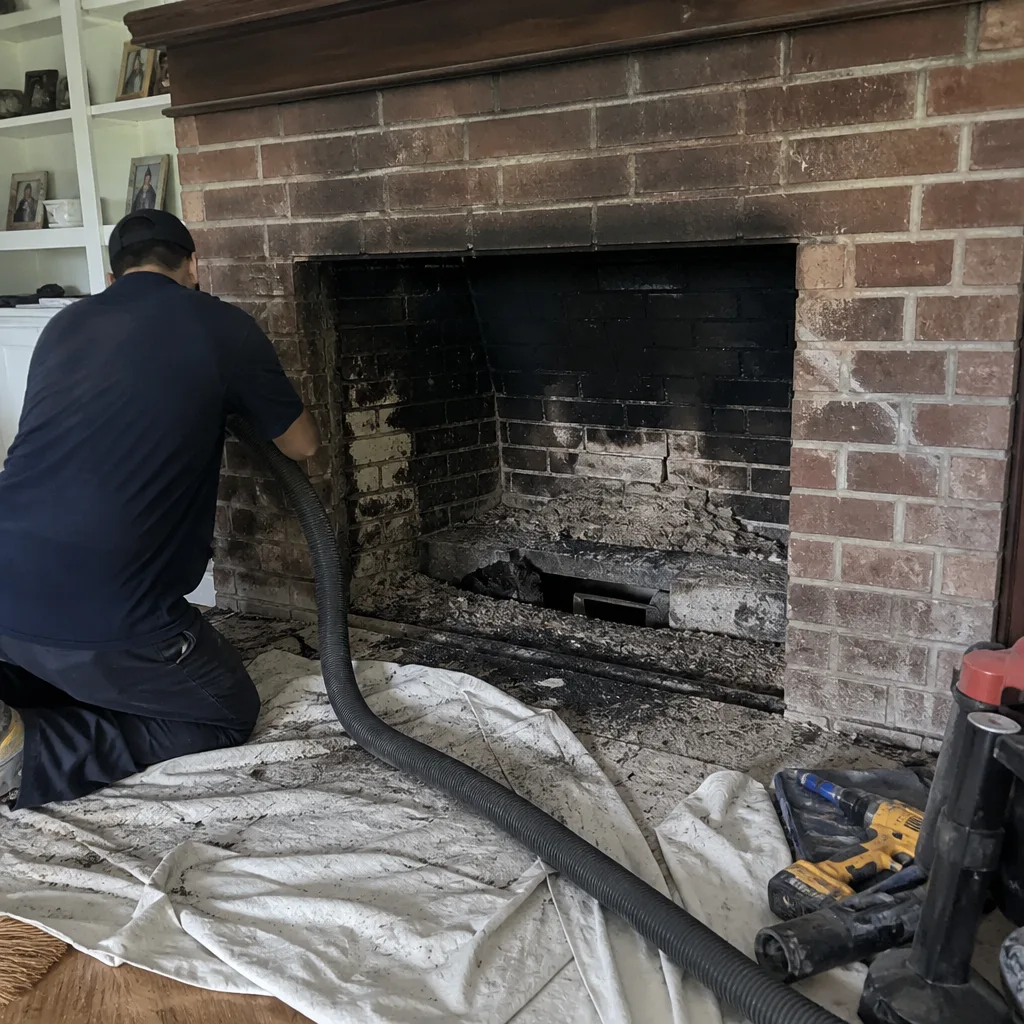 Before
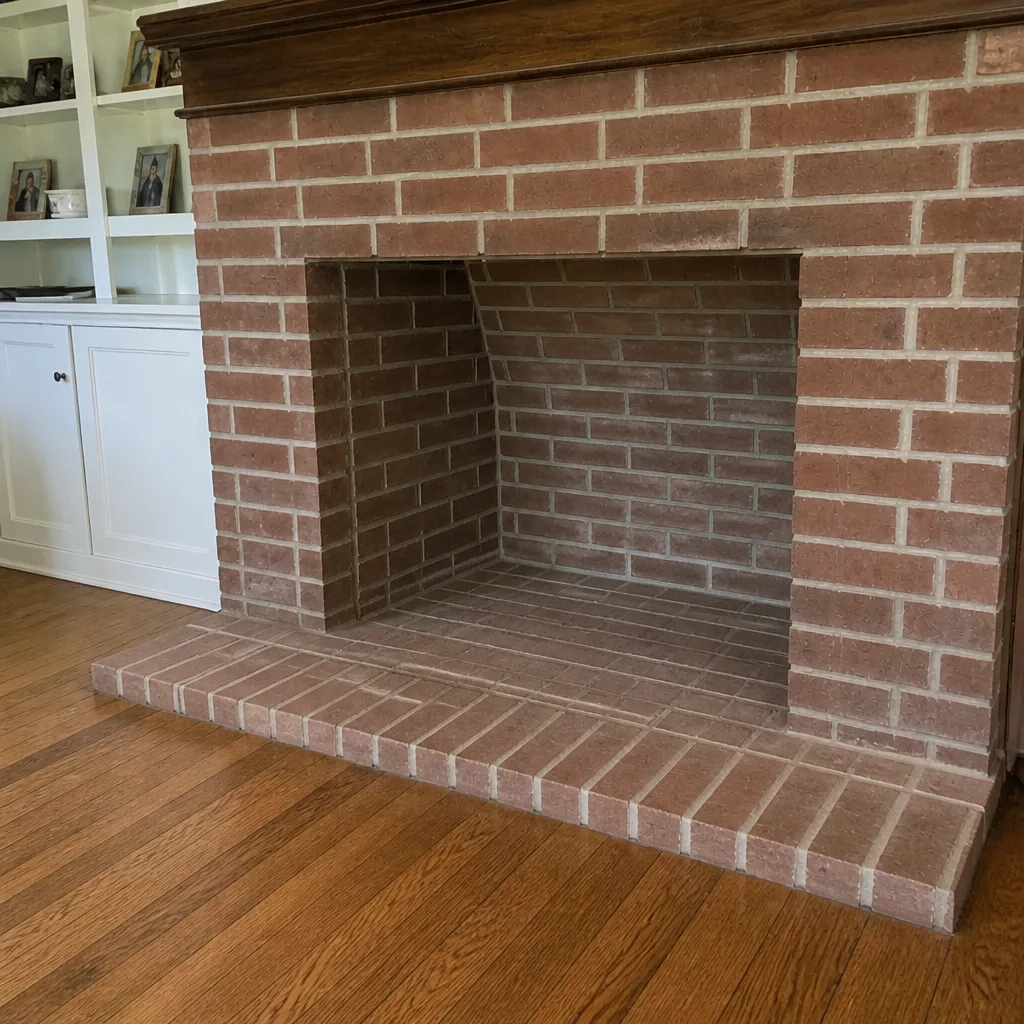 After
Frequently Asked Questions
Once a year is a good default for a homeowner who burns regularly through the winter, and every two years is often enough for occasional use without visible creosote buildup. The real trigger is the flue inspection: when creosote reaches about an eighth of an inch, it’s time to sweep regardless of the calendar. Sugar Land’s mild winters usually mean fewer fires per season than northern guides assume, so a homeowner’s actual burn count matters more than the date on the last receipt. If you’re unsure, book a sweep and we’ll tell you honestly whether the flue needs cleaning this year or next. Call (866) 809-2352 for a free estimate.
The two real risks are a chimney fire from creosote buildup and carbon monoxide exposure from a blocked or damaged flue. Those are the serious ones. The quieter risk is water damage: a failed crown or flashing can send water into the mortar and eventually the liner, and water damage compounds over multiple wet seasons. Skipping one season is rarely catastrophic. Skipping three quietly turns a small repair into a liner job. Call (866) 809-2352 for a free estimate on where your chimney actually stands.
Not always, and anyone who tells you that without camera evidence is worth a second opinion. A damaged-but-recoverable flue can often be restored with HeatShield ceramic resurfacing rather than a full reliner, which is one of the reasons we keep HeatShield in the lineup. A full DuraFlex reliner is the right call when the liner is compromised beyond what resurfacing can address, or when the flue needs a new flexible liner for an irregular or offset shape. The only honest way to tell is to look. We include the camera footage and photos with every recommendation so you can see exactly what we saw. Call (866) 809-2352 for a free estimate.
From the ground with binoculars, check the cap, the crown, and the flashing where the chimney meets the roof, and look along the chimney sides for new white staining or dark water streaks. Then shine a flashlight in the firebox and look for a damp floor, fresh rust on the damper, or a musty smell. Those are the standard post-storm checks and they don’t require climbing. If any of them are positive, that’s a call to a technician, not another look. Call (866) 809-2352 for a free estimate.
Yes. The ground-level checks, the firebox visual checks, the damper test, ash cleanup once the firebox has cooled, and the photo log are all safe for a homeowner. Roof work, flue sweeping, mortar and crown repair, gas-related work, and liner replacement are not. The simple rule is that anything at roof height or inside the flue itself is professional work. Call (866) 809-2352 for a free estimate if any of your checks look concerning.
Yes, most of the time. Our three-service scope covers chimney sweep (cleaning and inspection), chimney repair (crown, mortar, cap, liner, flashing), and dryer vent cleaning. That matters because it means a finding from the inspection can usually be resolved in the same visit rather than a follow-up appointment with a different contractor. For Sugar Land homes, we recommend considering the Sugar Land area in your calendar planning so the sweep lands before the first cool front. Call (866) 809-2352 for a free estimate.
The Bottom Line
A chimney maintenance checklist for Sugar Land is mostly a rhythm, not a single annual event. The sweep matters, but the homeowner checks in the eleven months around it are what catch blocked caps, cracked crowns, and hidden water intrusion before they reach the liner. Rank the checklist by what causes the most damage when ignored, keep a simple photo log so you have a baseline, and treat storm season as its own maintenance beat. When something on the checklist flags a repair, you want a company that can sweep it, inspect it, and fix it in the same visit. Sugar Land Chimney Cleaning handles all three. Call (866) 809-2352 for a free estimate. We answer 24/7. Fast dispatch from 7am to 7pm, Sunday through Friday.
Written by the team at Sugar Land Chimney Cleaning.