
Last updated November 15, 2026
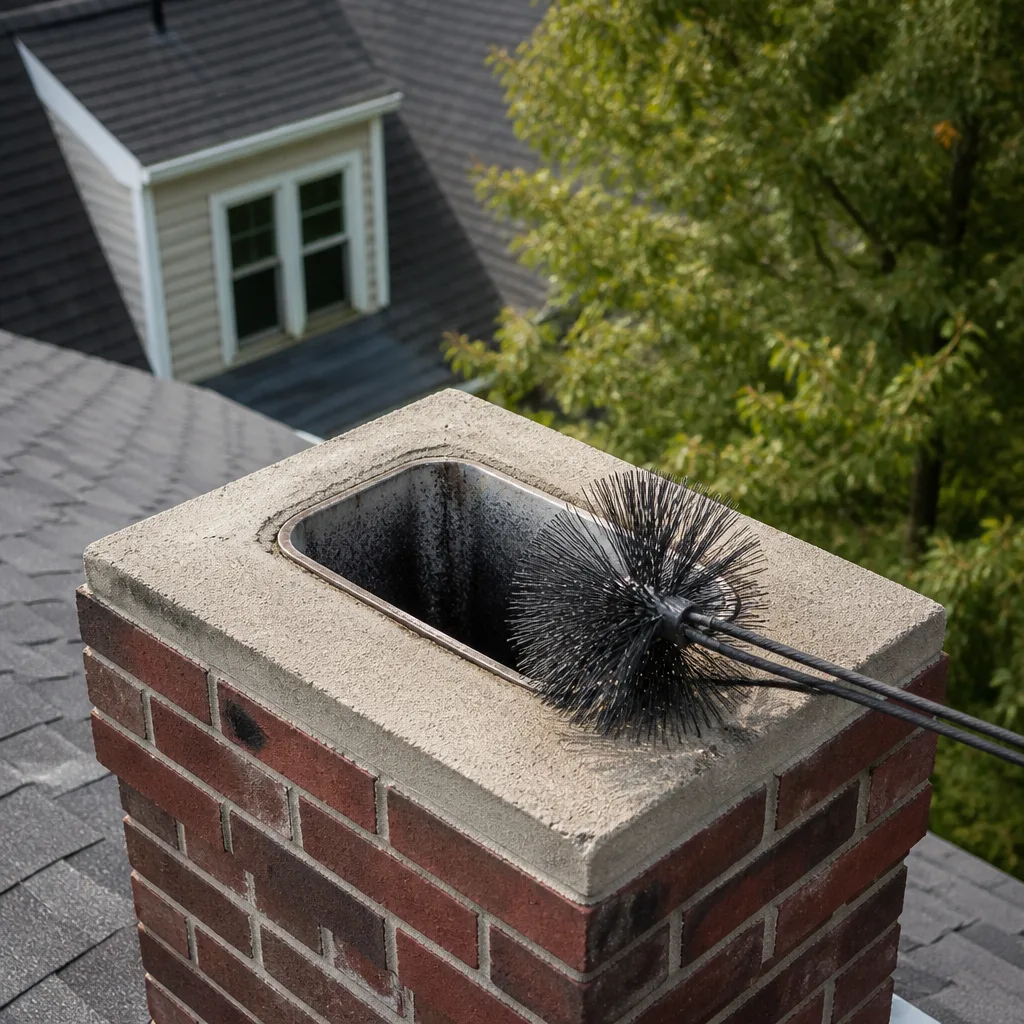 Sweep & inspection
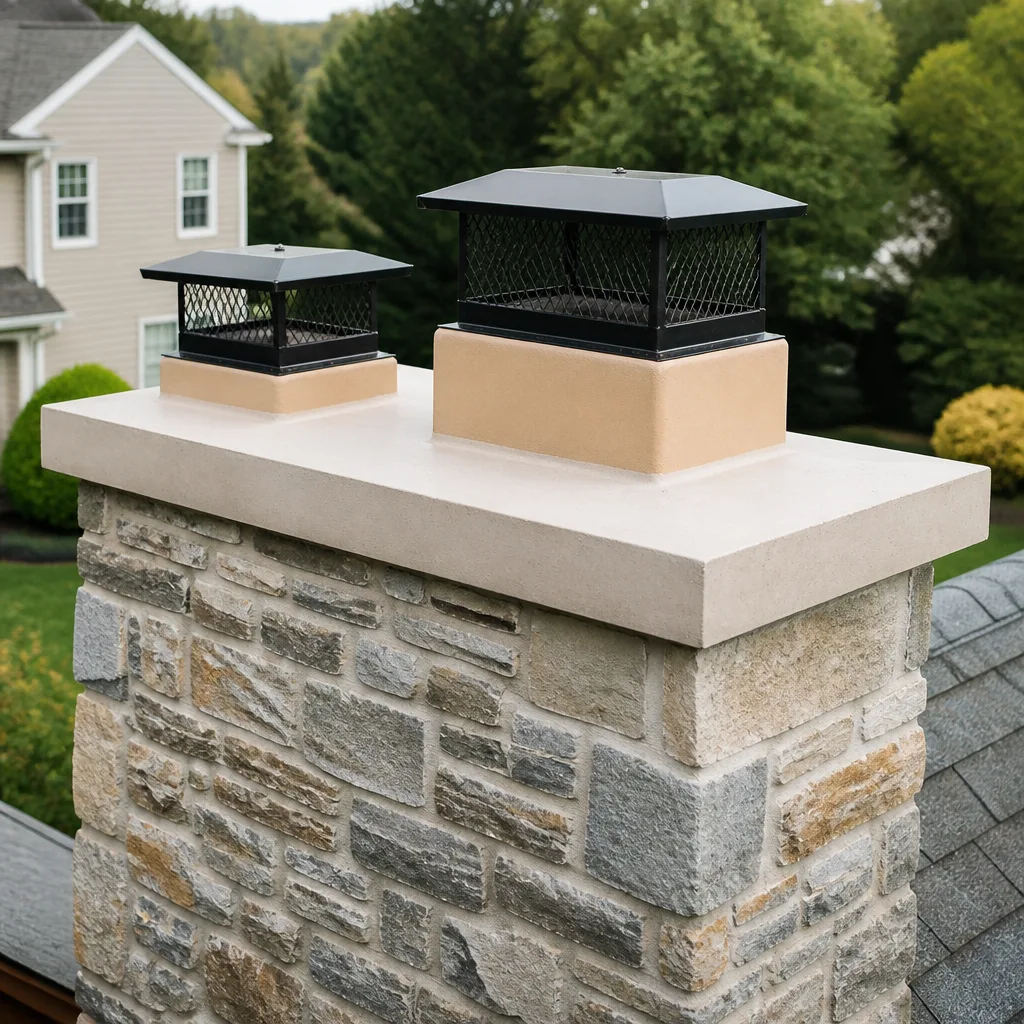 Caps & crowns
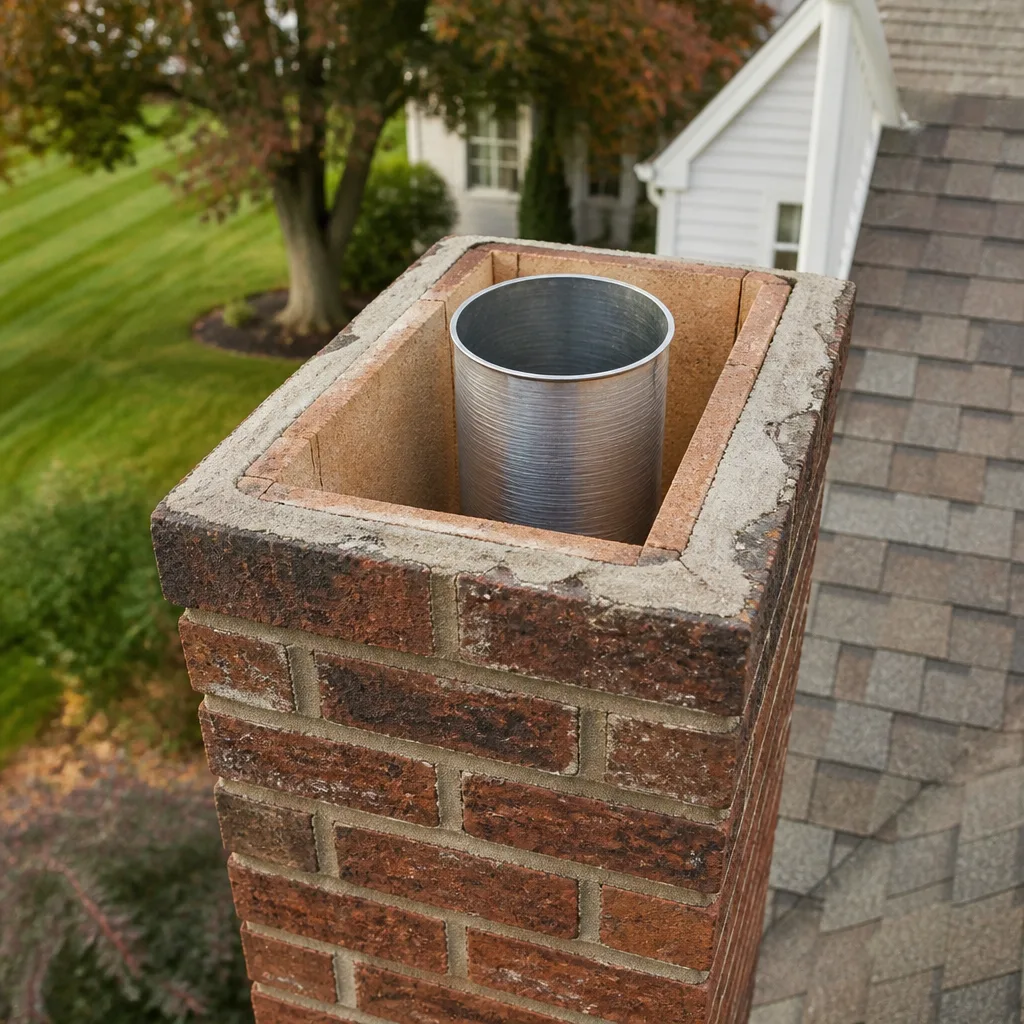 Flue relining
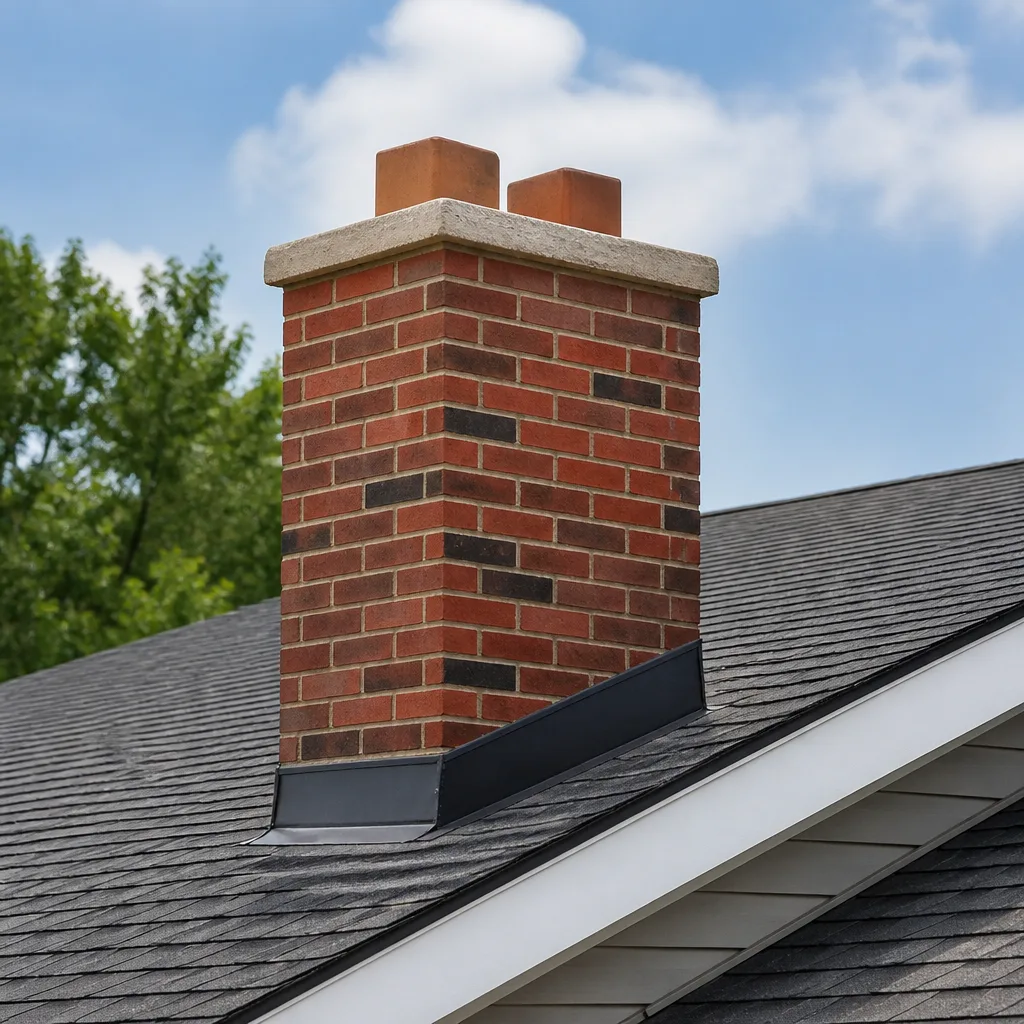 Masonry repair
 Gas fireplace service
Level 1 sweep and inspection to the NFPA 211 annual standard - flue, crown, cap, and flashing checked and photographed
Chimney sweep logs do not sweep chimneys. They loosen some creosote - which then falls where a brush and vacuum still have to collect it.
Chimney Sweep Troubleshooting in Sugar Land: Common Problems and How to Fix Them
If your fireplace smokes into the room, the instinct is to blame a dirty flue. In Sugar Land’s humid climate, a warped damper or negative house pressure is the actual culprit more often than a creosote blockage. That distinction matters, because the two problems call for completely different fixes, and guessing wrong means paying for the wrong service. This guide maps common chimney symptoms to their likely causes so you can walk into any conversation with a technician already knowing what to ask. We’ll cover backdraft, odors, slow-drawing fires, damper failures, and the signs that a simple sweep is really a repair job. Sugar Land homeowners get a symptom chart they can use before they pick up the phone.
Quick Answer
Most chimney problems in Sugar Land fall into four buckets: draft failure (smoke rolling back into the room), creosote or obstruction restriction (weak, lazy fires), damper and damper-plate failure (cold air pouring down when the fireplace is off), and pressure imbalance (smoke that appears only when the HVAC, dryer, or bath fans run). Diagnosing which one you have comes down to when the symptom appears and what the fire does in the first ten minutes. A camera inspection confirms it, and the repair follows from there.
Styles & brands we work with
- Sweep & inspection
- Caps & crowns
- Flue relining
- Masonry repair
- Gas fireplace service
Table of Contents
- How do you map a chimney symptom to its cause?
- Why is smoke coming into the house in Sugar Land?
- How does Sugar Land humidity damage a chimney?
- Why won’t the fire draw on the first cold night?
- What can you safely inspect yourself?
- When does troubleshooting turn into a repair call?
- Why does the fireplace smell when it’s not in use?
- Is the dryer vent part of the same problem?
How do you map a chimney symptom to its cause?
Start by watching the fire, not the smoke. When smoke appears and what the flames do at the same moment tells you more than any single observation. Here’s the mapping we walk through on most troubleshooting calls.
- Smoke rolls out the top of the firebox opening immediately on lighting, then settles once the fire is hot. This points to a cold flue or a pressure imbalance, not a restriction.
- Smoke comes out continuously, even with a hot fire, and the flames look lazy or orange. That combination suggests a creosote or obstruction restriction somewhere in the flue.
- Smoke pulls fine when the fire is burning, but cold air pours into the room when the fireplace is off. A failed or partially open damper plate is the usual cause.
- Smoke appears only when the HVAC runs, the dryer runs, or a bathroom fan runs. That is textbook negative pressure inside the house, not a chimney problem at all in the strict sense.
- Smoke appears only on windy days, especially from a particular direction. This points to a cap, crown, or flue-top issue that lets wind push air down the flue.
- No visible smoke, but the fire struggles and the room stays cool near the hearth. Weak draft, often from a flue that’s too large for the firebox or a liner with a gap.
The mapping isn’t perfect, but it narrows the field before anyone opens the firebox. On a chimney sweep visit, the technician confirms the cause with a camera and reports it in plain terms. Knowing your symptom category means you understand the finding before it’s explained to you, and that’s a different conversation than being told you need work you can’t verify.
Why is smoke coming into the house in Sugar Land?
Smoke comes into the house when the flue can’t maintain a pressure lower than the room it opens into. In Sugar Land, three conditions cause that most often: a cold flue on a mild day, negative pressure from exhaust fans, and a damper that no longer seals or seats correctly.
The cold flue problem
Warm air rises. Cold air sinks. A flue that’s been sitting unused since the last fire of the season fills with cool air that is heavier than the room air it has to push out of the way. On the first fire of the season, or on a warm day when you decide to light up, that plug of cold air sits in the flue and blocks draft. The fire smokes into the room for ten or fifteen minutes until enough heat builds to reverse the flow.
You can test for this without tools. Light a rolled-up piece of newspaper, hold it near the open damper, and watch the smoke. If it drifts up and out, the flue just needed warming. If it sits or drifts down, you have a stronger problem and should put the fire out.
Pressure imbalance
Modern homes in Sugar Land are tight. Bath fans, kitchen hoods, and dryer exhaust all pull air out of the house. When the house is sealed, that air has to come from somewhere, and a chimney flue is a convenient path. Result: the flue reverses and pushes smoke into the room instead of pulling it up. The test is simple. Turn on the dryer and a bathroom fan while a small fire is burning. If the smoke behavior changes, pressure is your issue. The fix is usually outside the chimney: a makeup air path, a partially opened window near the fireplace, or a top-sealing damper and cap combination that reduces cold-air downdraft.
Damper failure
A damper plate that’s warped, rusted, or off its hinge track doesn’t seal. When off, it lets cold air pour down. When open, it can sit at an angle that disrupts draft. Sugar Land’s humidity is hard on cast dampers and the steel frame around them. If your fireplace smells of cold air or the damper handle feels loose, that’s a likely cause.
How does Sugar Land humidity damage a chimney?
Humidity does damage that freeze-thaw climates don’t produce as often: it works year-round, on the inside and outside of the chimney, gently and continuously. Here are the failure modes we see most in Sugar Land.
Spalling brick and mortar wash
Brick absorbs moisture from humid air and from rain that hits an unprotected crown. When that moisture expands as it warms, the outer face of the brick flakes off. That’s spalling. It’s common on Sugar Land chimneys exposed to summer sun and near-constant Gulf humidity. Once the face goes, the brick beneath is more porous, and the process accelerates. A proper crown with a drip edge and a cap that keeps water off the flue top are the two best preventives.
Liner condensation
A clay tile liner that’s cooled down and exposed to humid air condenses moisture inside the flue. That moisture mixes with any creosote residue and turns it acidic. The acidic film slowly eats at the mortar joints between the tiles and at the clay itself. Over a few seasons, joints crumble, tiles crack, and the flue loses its seal. This is how a chimney that looks fine from the outside develops a structural problem inside.
Mortar joint erosion at the crown and wash
The mortar wash at the top of the chimney takes the most weather. A crack the width of a hair lets water in, and repeated wetting softens the mortar. If the crown isn’t sealed and slightly sloped, water pools. A cap and a properly sloped crown are the two items that keep Sugar Land chimneys dry.
We’ve seen these humid-climate failure modes on Sugar Land chimneys far more often than on the same chimneys within a hundred miles inland where the air is drier. That’s the local reality of the work.
Why won’t the fire draw on the first cold night?
The first fire of the season usually fails to draw because the flue is cold and the house has been closed up. It also fails because something moved into the flue during the off-season: birds, squirrels, leaves, or a nest. Both problems get discovered at the same moment, on the same cold evening.
The two-minute fix for a cold flue
- Open the damper all the way and confirm it’s open by looking up.
- Roll a sheet of newspaper into a loose tube, light one end, and hold it just under the damper opening.
- Watch the smoke. If it rises steadily, the flue is warming and you can build a small kindling fire.
- Keep the fire small for the first ten minutes, then add larger splits once the flue is hot.
- If smoke rolls back into the room after two attempts, put the fire out. Something is blocking the flue or the pressure is wrong, and the correct move is an inspection, not another try.
Do not use fire starters, cardboard boxes, or a “hot flash fire” to warm the flue. That practice produces flame and smoke the firebox wasn’t designed to handle, and it can ignite creosote deposits. Two small newspaper rolls, one after another, is enough.
When the fix doesn’t work
If the newspaper trick doesn’t produce draft, the cause is a restriction, a structural gap, or negative pressure. All three require eyes on the flue. A camera inspection gives you a picture of what’s inside, and a photo report means you can see the obstruction before anyone recommends work. That’s the standard we hold on every call.
What can you safely inspect yourself?
You can check a short list of things safely. You should not go on the roof, open the firebox above the damper, or handle anything above head height inside the flue. Here’s the split.
Safe to check
- The firebox interior. Look for cracked brick, missing mortar joints, or a dark, glossy creosote glaze on the walls. Glossy creosote is the dangerous kind; it means a sweep is due.
- The damper plate. Open and close it a few times and feel for a smooth action. Confirm it opens flat and closes fully. If it binds, wobbles, or doesn’t seat, note it.
- The visible lower liner. Look up past the damper with a flashlight. You should see clean flue walls. Visible cracks in tile or gaps at the joints mean a camera inspection is needed.
- The firebox floor. Look for a soft or crumbly area or any moisture.
- The cap and the crown, from the ground. Use binoculars. Look for a missing or rusted cap, a cracked crown, or a leaning chimney.
- Smoke behavior. The newspaper test described above is safe and tells you a lot.
Not safe to check yourself
- Any part of the flue above the first tile joint. A camera is the right tool; a homeowner is not.
- The roof, the chimney cap, or the crown. Ladder work on a pitched roof is a serious fall hazard.
- Inside the firebox during use, or with a tool that goes up the flue. You can’t see what you’re touching, and a broken tile can drop.
- Any part of the gas line, the electrical wiring on a fireplace insert, or the appliance itself.
The point of a homeowner inspection is to gather symptoms, not to diagnose. Use what you find to ask better questions, then get a professional camera look before any repair decision.
When does troubleshooting turn into a repair call?
A troubleshooting visit turns into a repair conversation when the camera shows a structural finding that a sweep cannot address. Here are the signs a homeowner can look for that the fix isn’t just cleaning.
- White or chalky stains on the outside of the chimney. This is efflorescence, and it usually means water is moving through the masonry.
- Spalling brick or a crumbling mortar wash at the top. Cosmetic at first, structural over time.
- A crown that’s cracked, flat, or pulling away from the flue. Water enters here first, and every humid season makes it worse.
- Cracked or missing flue tiles visible through the damper. This is the classic “you’ll need a liner” finding, but a camera confirms whether it’s one tile or the whole run.
- Heavy creosote glaze on the firebox walls and flue. Glazed creosote doesn’t sweep out with a standard brush; it requires chemical treatment or a different cleaning method.
- Smoke stains above the firebox or on the wall in front of the fireplace. This suggests the fire has been spilling smoke for a while.
- A flue that’s too large or unlined. Common in older Sugar Land homes. The chimney may draft poorly and need a liner to function at all.
A structural repair is not always a full reliner. HeatShield ceramic resurfacing can restore a damaged flue in cases where the tile is cracked but the chimney structure is sound, and it costs less than a full reliner. We install DuraFlex flexible liner systems for retrofits and offsets where a rigid liner can’t make the bends. Whether resurfacing or a liner is the right call depends entirely on what the camera shows.
Why does the fireplace smell when it’s not in use?
The smell is creosote and the humid air moving across it. Creosote is a residue left by wood smoke, and it smells like a cold campfire. In Sugar Land, that smell gets worse in the shoulder seasons and on rainy days, when the house is sealed and warm moist air moves across a cool flue. The moisture in the air re-wets the creosote, and the smell pushes into the room.
Three signs distinguish a creosote smell from something else. It’s strongest when the HVAC or a bath fan runs. It’s worse in summer and early fall than in the middle of winter. And it fades after a fire has burned for an hour. A top-sealing damper helps, because it stops the air exchange between the flue and the room. A thorough sweep removes the source. If the smell is strong and persistent, a camera inspection confirms whether there’s a partial blockage of creosote somewhere in the flue that a simple brush pass missed.
Another common smell is cold moisture off the damper, which is faint and metallic. If the smell appears only after rain, suspect a chimney leak at the crown, cap, or flashing, and get the masonry looked at.
Is the dryer vent part of the same problem?
Not the same physical problem, but the same category of hazard. A clogged dryer vent and a loaded chimney flue both trap a fuel source in a confined space. In a Sugar Land home with the laundry room on an interior wall, the dryer vent run is often long and has multiple elbows, which is exactly where lint accumulates. dryer vent cleaning is a separate service with its own inspection, and it’s the second most important ventilation task in the house behind the chimney.
Signs your dryer vent is restricted:
- Clothes take longer than usual to dry, or need more than one cycle.
- The dryer exterior is hot to the touch.
- Lint appears around the dryer door or behind the appliance.
- The exterior vent flap doesn’t open fully during a cycle.
- A burning or musty smell when the dryer runs.
If the vent terminates at the dryer and there’s a short, straight run to the outside, you may be able to keep it clear yourself. If the run is long, hidden behind cabinets, or terminates through the roof, a professional cleaning is the safe move. The right tool reaches the full length and confirms flow at the termination.
Common Mistakes to Avoid
- Lighting a fire without an inspection after months of disuse. A bird nest or a creosote-glazed flue doesn’t announce itself. A camera look before the first fire of the season removes the guesswork.
- Using a fire to “burn out” creosote. Glazed creosote doesn’t burn out on a normal fire. A hot, fast fire in a restricted flue is one of the classic chimney fire triggers.
- Sealing the house tight without thinking about pressure. New windows and weatherstripping are good for the power bill and hard on chimney draft. If your fireplace started smoking after a window upgrade, negative pressure is the likely cause.
- Assuming a cracked tile always means a full reliner. HeatShield ceramic resurfacing can restore a flue with a single cracked tile and sound structure, and it costs less than a full liner replacement.
- Ignoring the crown. The crown is the roof of the chimney. A flat or cracked crown funnels water into the masonry during every Sugar Land humid season. It’s the cheapest repair on the list if you catch it before the joints go.
- Letting the dryer vent slide. The same household that books a chimney sweep every year often hasn’t had the dryer vent cleaned in a decade. Both are combustion-adjacent ventilation paths and both belong on the annual maintenance list.
- Calling a sweep when the real issue is a damper or cap. Cleaning a flue that isn’t blocked wastes a visit. Describe your symptoms on the phone and the right service gets booked the first time.
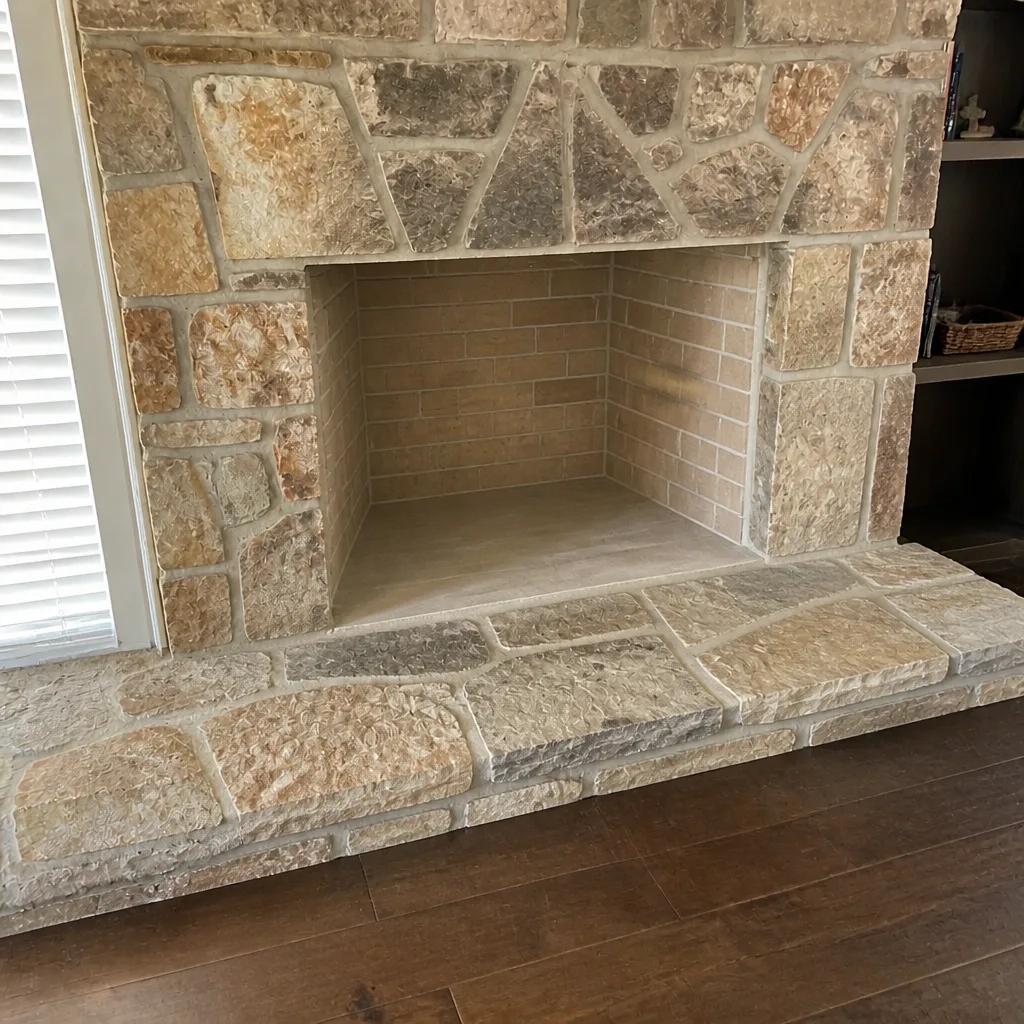
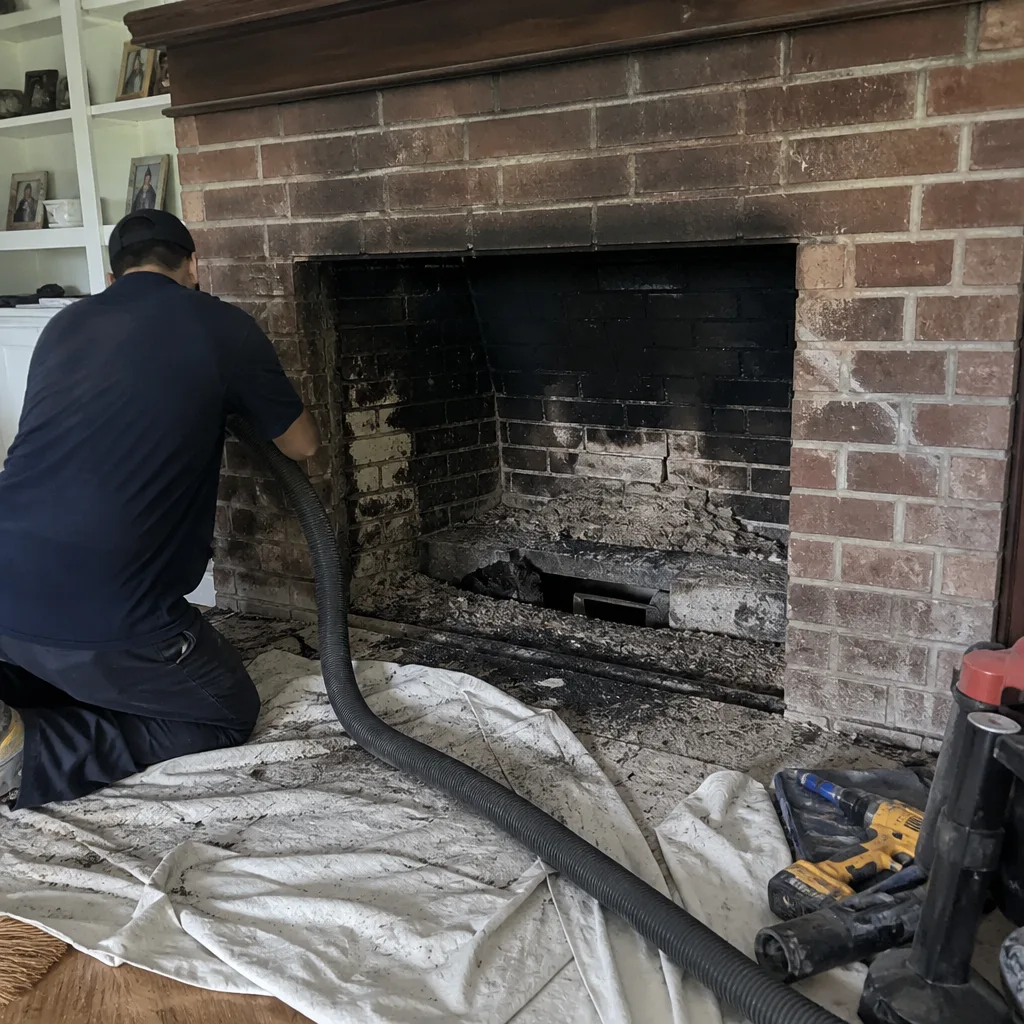
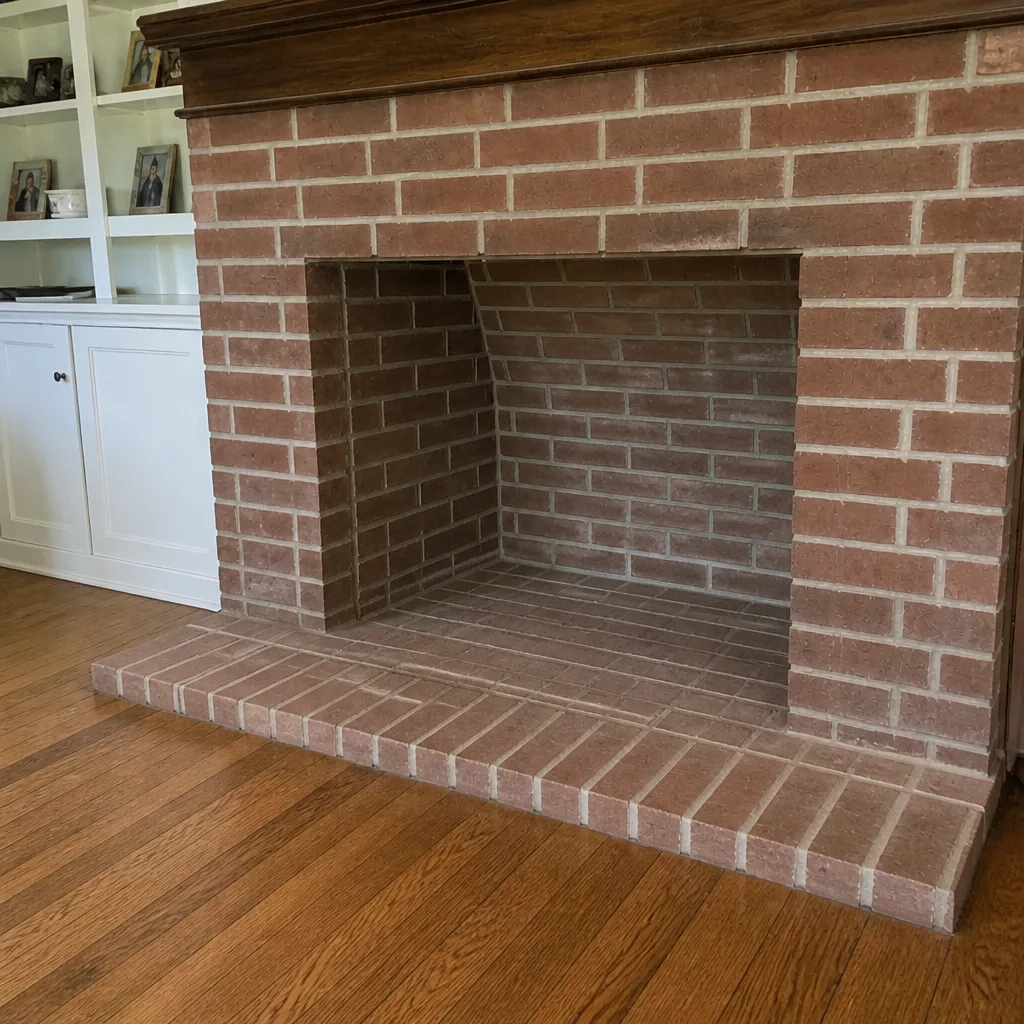
See the difference
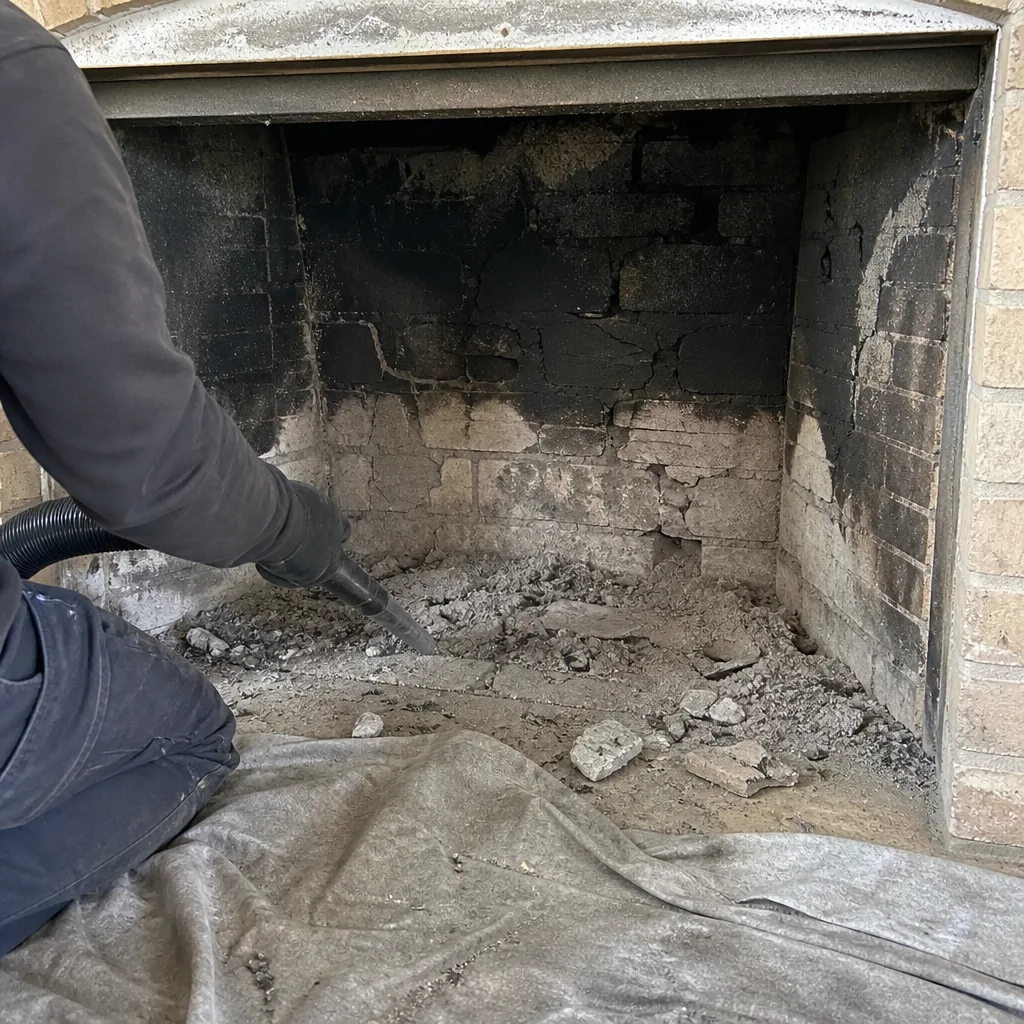 Before
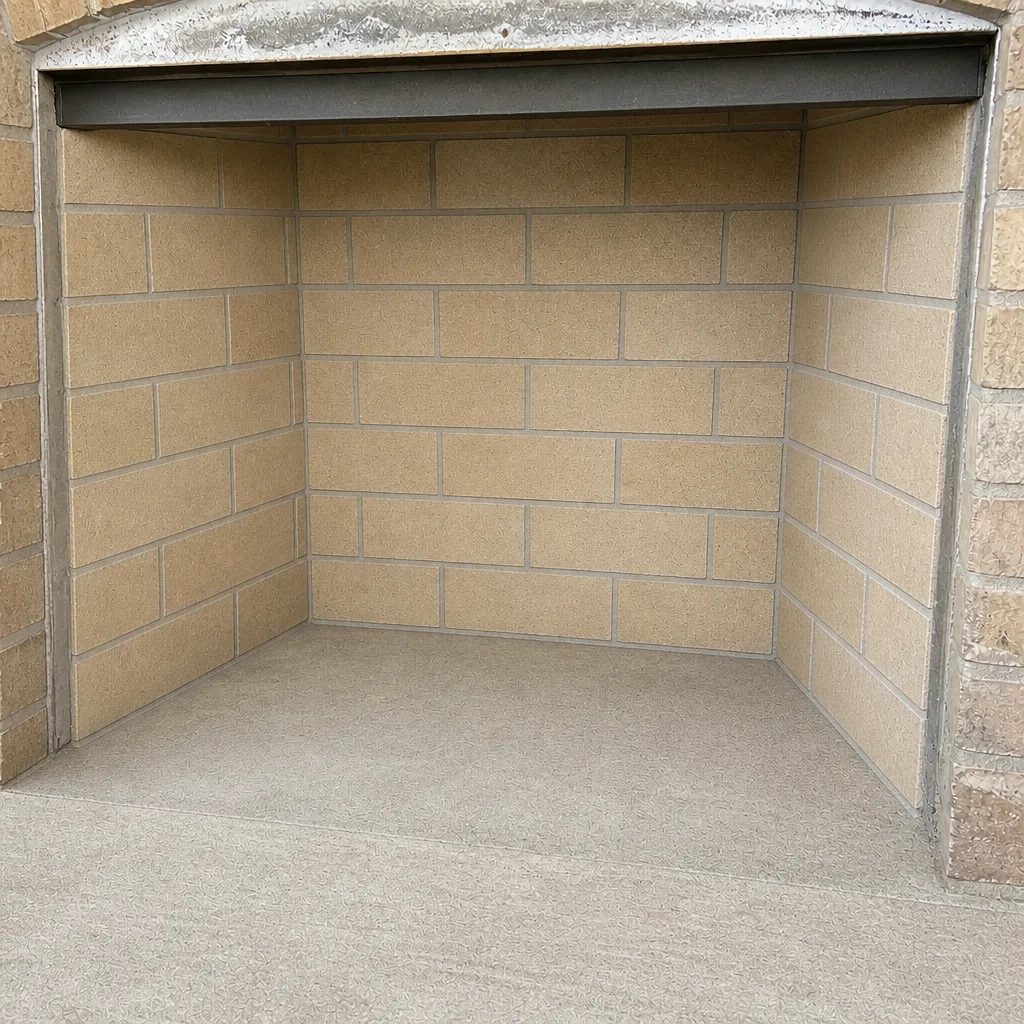 After
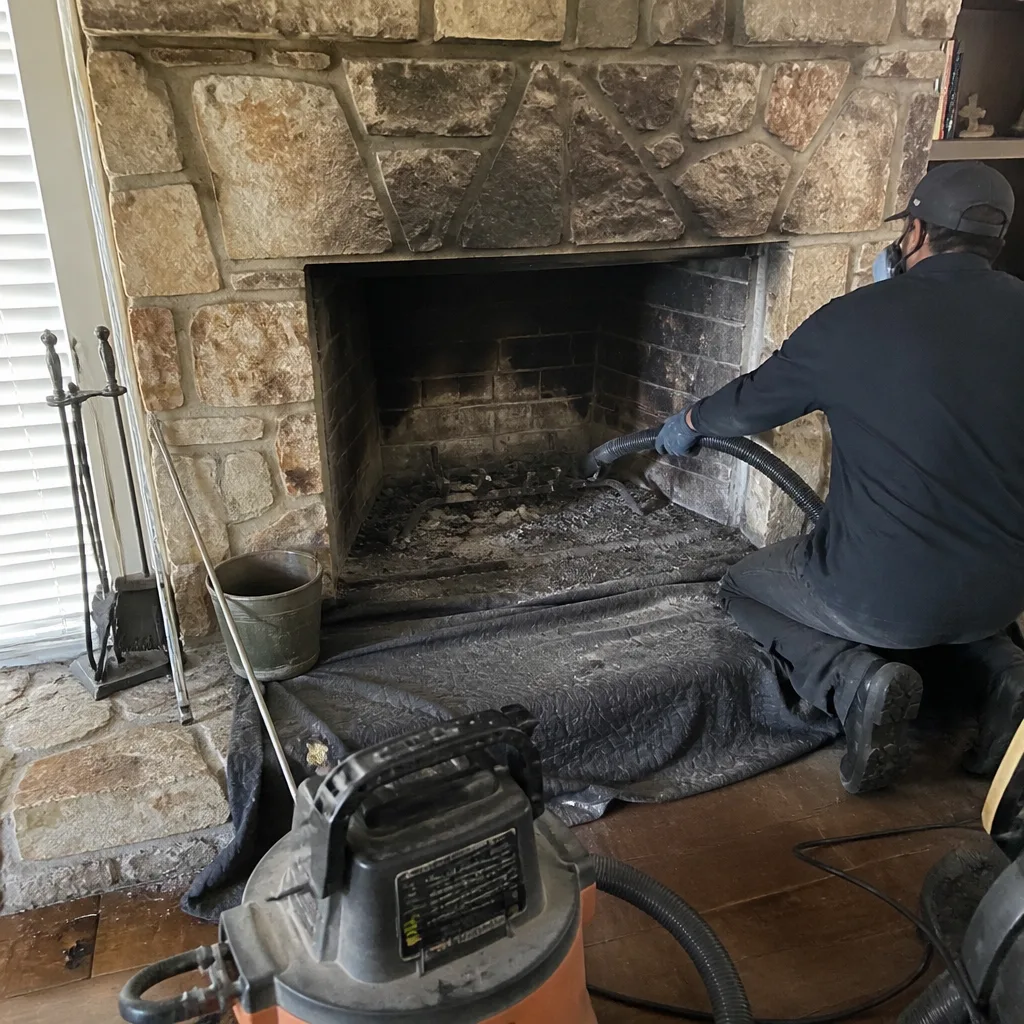 Before
 After
 Before
 After
When to Call a Professional
Call a professional when smoke enters the living space after a hot fire has been burning for twenty minutes, when efflorescence or spalling appears on the outside of the chimney, when the damper won’t seal, or when you can see cracks through the firebox walls. Call when the chimney has been unused for a full season and hasn’t been inspected, or when you’ve noticed a smell that gets stronger when the HVAC runs. And call when the dryer takes two cycles to dry a load, because that’s a sign the vent is restricted. Sugar Land Chimney Cleaning offers free estimates in Sugar Land – call (866) 809-2352. We answer 24/7. Fast dispatch from 7am to 7pm, Sunday through Friday. Our technicians have up to 9 years of experience, and nothing is recommended without camera evidence you can see for yourself.
Frequently Asked Questions
You need a sweep if the flue walls have visible creosote glaze, if it’s been a full season since the last cleaning, or if you burn more than a cord of wood a year. Sugar Land’s humid air thickens creosote more slowly than cold climates but also keeps it damp, so the flue stays active even in the off-season. If you’ve never had the flue looked at, a camera inspection settles it. Call (866) 809-2352 for an exact quote – estimates are free.
Smoke comes into the room when the flue can’t hold a lower pressure than the room. In Sugar Land, the most common causes are a cold flue on a mild day, a failing damper, and negative pressure from exhaust fans. Try the newspaper test described above. If the smoke still rolls back after two attempts, the flue needs a camera look before the next fire. Call (866) 809-2352 to book an inspection.
Not always. A cracked liner tile does not automatically mean a full reliner is required. If the chimney structure is sound, HeatShield ceramic resurfacing can restore the flue in cases where a full liner would be overkill. If the flue is offset or irregular, a DuraFlex flexible liner works where a rigid liner can’t make the bends. The right answer comes from the camera. Call (866) 809-2352 – the estimate is free and the recommendation comes with the photographic evidence.
Most wood-burning fireplaces should be swept once a year with an inspection. Homes that burn regularly, or that use the fireplace as a primary heat source through the winter, may need it twice. Sugar Land homes with a gas log set need the flue inspected less often but still on a schedule, because the venting and damper condition matter even without wood smoke. Book the inspection before heating season begins.
Creosote builds in layers. The first layer is a light dust that brushes out easily. The next layer is a crust. The third is a glaze that requires chemical treatment to remove. Skip a sweep for several seasons and you move from the easy layer to the difficult one, with a higher fire risk and a higher cleaning cost. Call (866) 809-2352 to get on schedule before the buildup gets away from you.
Because the HVAC is pulling air through the house, and the flue is one of the paths that air uses. The creosote residue on the flue walls re-wets in humid air and releases a campfire smell into the room. A top-sealing damper stops the exchange, and a sweep removes the source. If the smell is stronger after rain, a leak at the crown or cap is also contributing. Call (866) 809-2352 to schedule an inspection and a quote.
Yes. On the first fire of the season, a flue that’s been sitting idle fills with cool air that is heavier than room air. That plug of air blocks draft until the fire warms the flue. Warm it with a rolled newspaper and the fire usually draws. If it doesn’t, the cause is something structural or a pressure imbalance, and a professional look is the right next step. Sugar Land homes with tall chimneys see this more often than shorter ones.
The Bottom Line
Most chimney problems announce themselves through the fire, not through the chimney. Watch when the smoke appears, what the flames do, and whether the symptom changes when the HVAC or dryer runs. That information maps a symptom to a likely cause before anyone touches the flue. The second thing: in Sugar Land, humid air makes the structural slow-downs (spalling, cracking crowns, wet liners) more common than in dry climates, so a crown and cap check belongs on the annual list. We sweep it, inspect it, and fix it – all under one call. Nothing is recommended without camera evidence you can see for yourself, and the written estimate sets the final price. Contact Sugar Land Chimney Cleaning at (866) 809-2352 for a free estimate. We answer 24/7. Fast dispatch from 7am to 7pm, Sunday through Friday. Our technicians have up to 9 years of experience, and the Sugar Land Chimney Cleaning team is ready to help you know exactly what’s going on with your flue before you light the next fire.
Written by the team at Sugar Land Chimney Cleaning.