
Last updated November 15, 2026
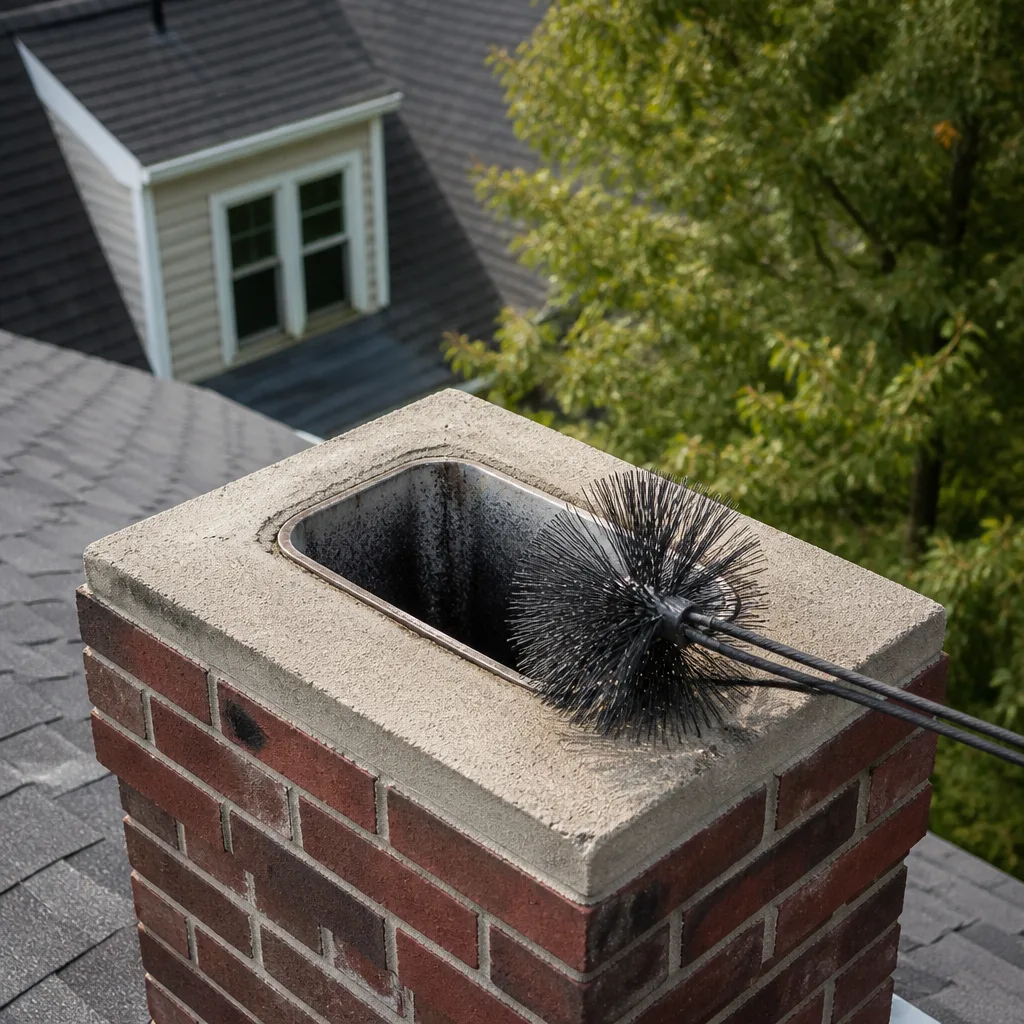 Sweep & inspection
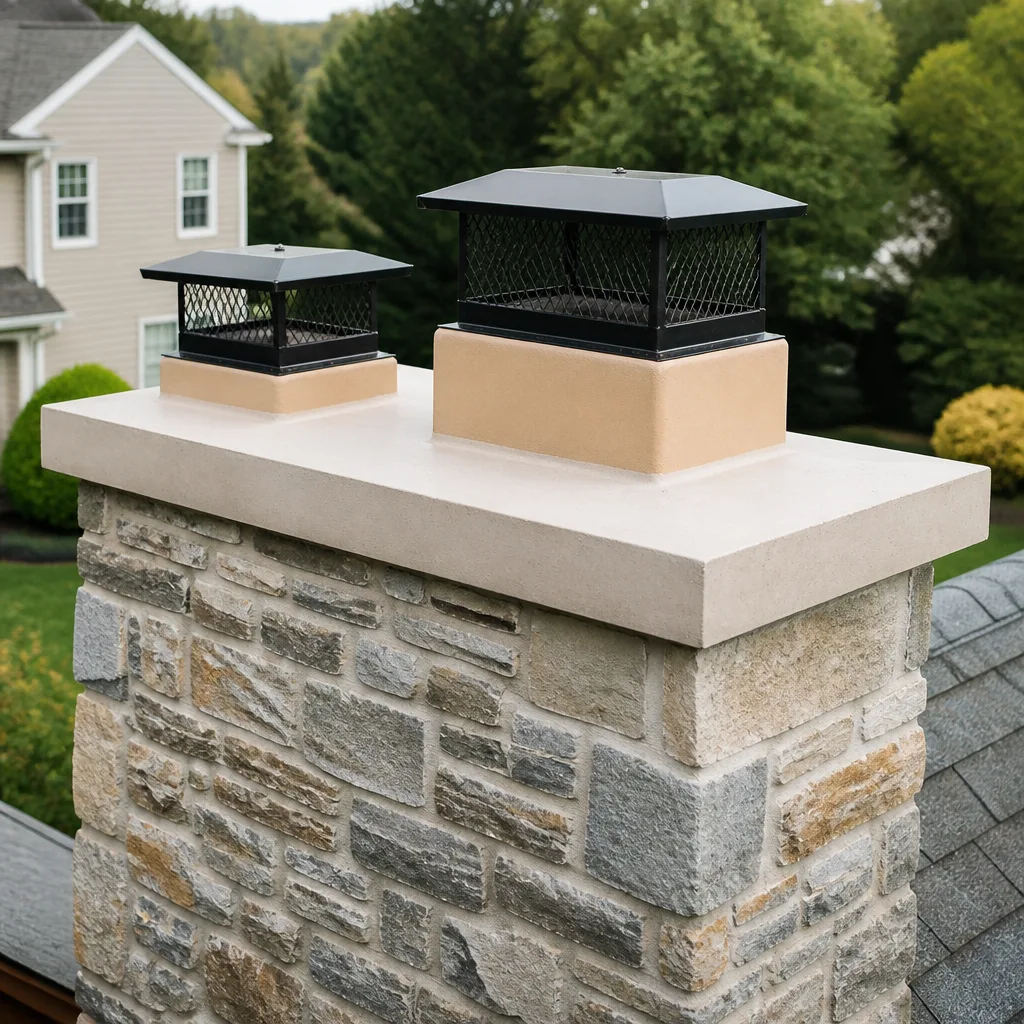 Caps & crowns
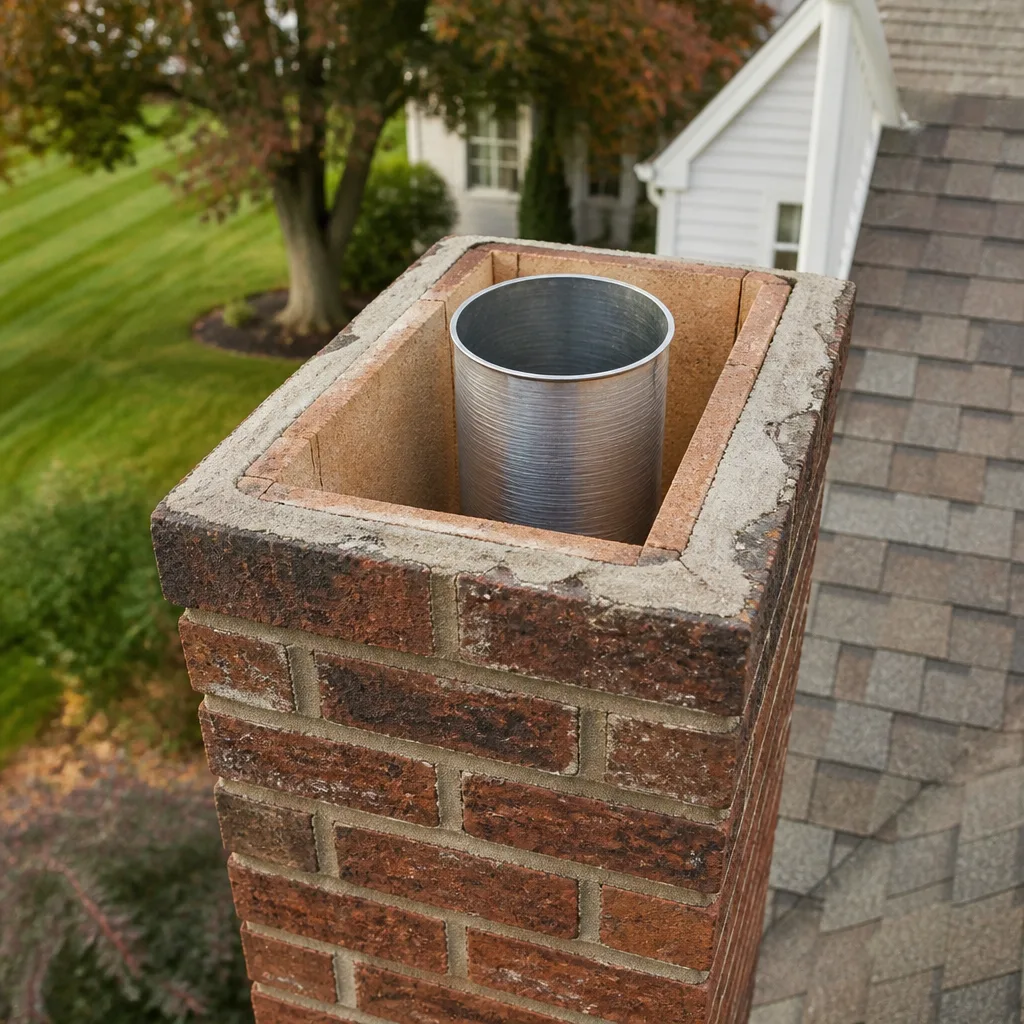 Flue relining
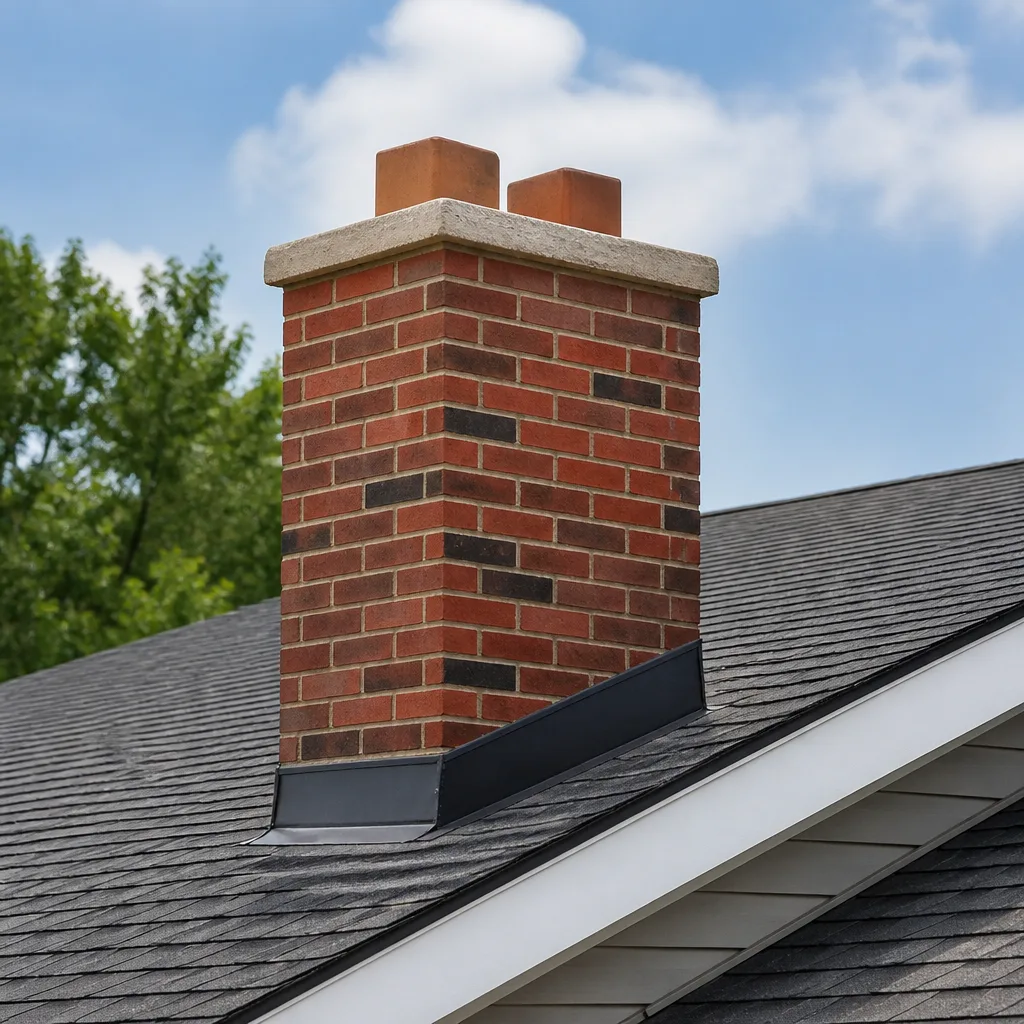 Masonry repair
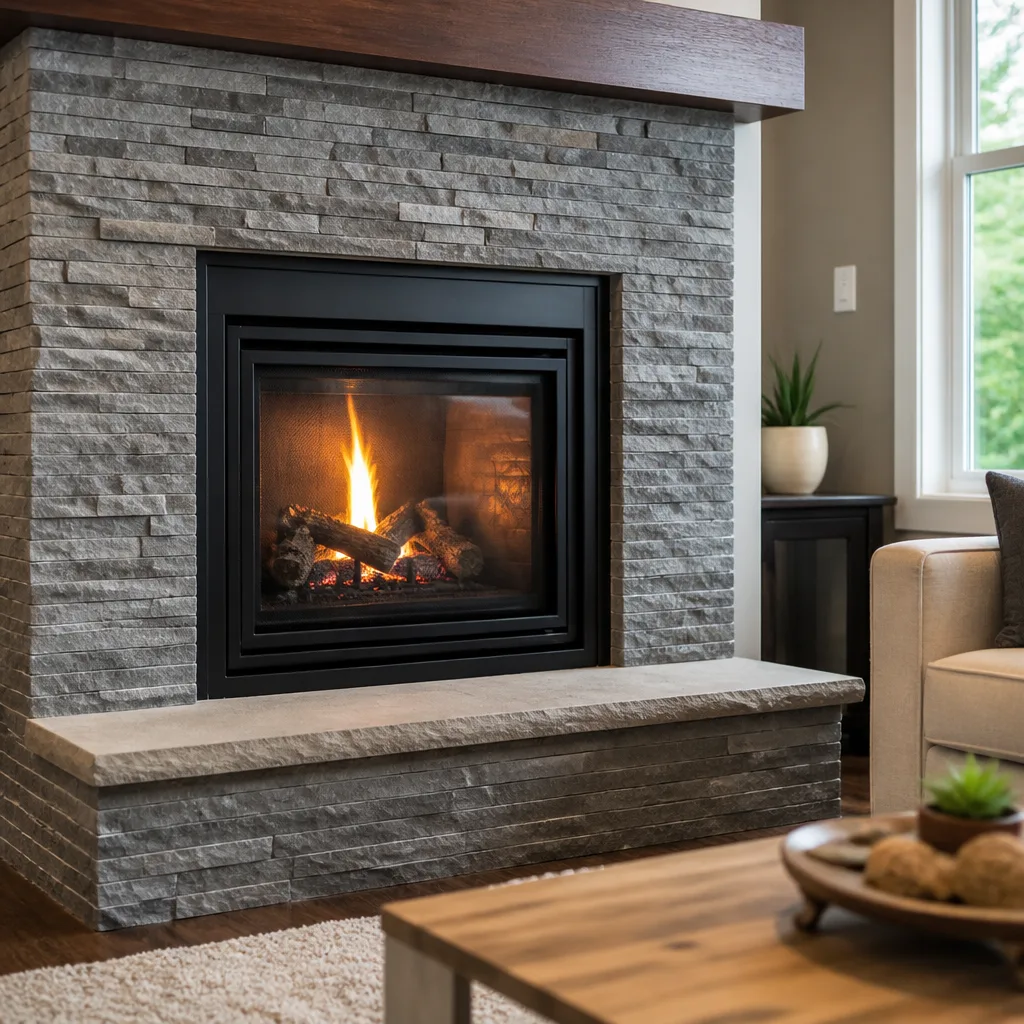 Gas fireplace service
Level 1 sweep and inspection to the NFPA 211 annual standard - flue, crown, cap, and flashing checked and photographed
Chimney sweep logs do not sweep chimneys. They loosen some creosote - which then falls where a brush and vacuum still have to collect it.
Choosing the Right Chimney Cleaning Brand: A Buyer’s Guide for Sugar Land
A chimney cap is not a commodity item. There’s a measurable difference in gauge, fit tolerance, and weather performance between the cap a full-service chimney specialist installs and the one a general handyman picks up at a big-box store on the way to the job. The same holds for liners, dampers, crown sealants, and waterproofing. Most homeowners never see this side of the trade, so they shop on price alone and end up with materials that fail years sooner than they should. This guide explains the product categories where brand and grade actually matter, how to tell professional-grade from builder-grade, and the questions that separate a knowledgeable contractor from a vague one. We’ll keep the focus on what matters in Sugar Land’s particular climate.
Styles & brands we work with
- Sweep & inspection
- Caps & crowns
- Flue relining
- Masonry repair
- Gas fireplace service
Quick Answer
The right chimney brand is the one whose products are rated for your flue type, installed by someone who can explain why they chose it, and backed by a warranty you can actually use. In practice, that usually means professional-grade lines like HeatShield, Gelco, Olympia Chimney, Famco, and Copperfield rather than retail substitutes. Ask any contractor which brands they install and why – a specific answer tells you more than any brochure.
Table of Contents
- Why chimney brands matter more than most homeowners realize
- The five product categories where grade actually matters
- Professional-grade vs. builder-grade: what the difference looks like
- How to ask a contractor what brands they use
- Why Sugar Land humidity makes vapor-permeable sealants essential
- How product longevity and warranty affect the 10-year cost
- Matching the brand to the job: liner, cap, damper, crown
- Common mistakes to avoid
- When to call a professional
- Frequently asked questions
- The bottom line
Why Chimney Brands Matter More Than Most Homeowners Realize
When you hire a sweep-only company, the products they carry tend to be whatever the distributor had on sale that week. That’s fine for brushes and vacuums. It’s not fine for the components that keep water out of your masonry or that line a flue carrying 1,000-degree exhaust. A liner installed in a Sugar Land home has to survive decades of humid air, seasonal storms, and the occasional hard freeze that sneaks through. The difference between a product engineered for that and one that isn’t shows up years later, usually as a pinhole leak or a cracked crown.
The reason this doesn’t get talked about is simple: cleaning is a service, and installing materials is a different business. A company whose revenue comes almost entirely from sweeping has no reason to stock, learn, or warrant repair-grade products. A company that performs structural repair has every reason to.
We work from a professional-grade portfolio that includes DuraFlex liner systems, HeatShield ceramic resurfacing, Gelco, Olympia Chimney, Famco, and Copperfield. We didn’t pick those because they were the cheapest lines to stock. We picked them because they’re the same supply chains commercial and restoration contractors depend on when a client can’t afford a callback.
What this means for you as a buyer is straightforward. The brand on the box matters, but the more important question is whether the person installing it buys that box at all. That’s what the rest of this guide helps you figure out.
The Five Product Categories Where Grade Actually Matters
Not every chimney component is worth agonizing over. A brush is a brush. But five categories see real differences between a professional supply house and a hardware store shelf:
- Flexible liner systems. The liner is the single most important product in your chimney. It contains exhaust, protects the masonry, and determines how safely the appliance drafts. DuraFlex and Olympia Chimney flexible liners are engineered for continuous high-heat cycling and come in alloys and wall thicknesses that correspond to specific fuel types. Retail “universal” liners usually aren’t rated the same way.
- Top-mount dampers. A top-mount damper seals the flue when the fireplace is idle, which keeps conditioned air inside and humid outside air out. Fit tolerance is everything here – a damper that doesn’t seat cleanly is worse than none. Olympia Chimney and Copperfield dampers are machined to specific flue sizes; builder-grade units often aren’t.
- Stainless steel caps. Gauge and weld quality determine how long a cap lasts in Sugar Land’s storm exposure. A thin-gauge cap will pit and loosen at the fasteners long before a heavier one does.
- Crown sealants. The crown is the concrete cap on top of the chimney. Gelco crown repair products are formulated to flex slightly with temperature and bond to damp masonry – a rigid patching compound will crack within a season or two.
- Waterproofing treatments. Vapor-permeable masonry sealants let the chimney breathe while shedding rain. Paint-based products trap moisture inside and cause spalling. We’ll come back to this.
If a contractor can’t tell you the brand and grade of what they’ll install in your home, that’s already useful information. Ask before work begins, not after.
Where HeatShield Fits In
HeatShield ceramic resurfacing is worth calling out on its own because it’s not a category – it’s a repair method. When a flue has a damaged liner but the structure is intact, HeatShield can restore the interior surface without a full reliner. It’s applied by certified technicians who cast a new ceramic layer against the existing flue wall. On the right job, that’s a significant cost saving compared to a full DuraFlex retrofit. On the wrong job, it’s a wasted expense. Knowing which is which is the whole skill.
Professional-Grade vs. Builder-Grade: What the Difference Looks Like
Builder-grade means the product was specified to be adequate and inexpensive at the time the home was built. Professional-grade means the product was specified to last. The gap shows up in three places you can actually evaluate:
- Materials and thickness. Professional stainless liners and caps are heavier. You can feel it when you pick one up. Thin-gauge products deform under their own weight when handled roughly during installation.
- Fit and tolerance. Professionally manufactured dampers, caps, and liner tops are sized to fit flue openings within a specified tolerance. Builder-grade equivalents often require a shim or a caulk bead to close the gap – and both are the first places water gets in.
- Documentation. A professional-grade product comes with a data sheet that tells you the alloy, the temperature rating, and the warranty. Builder-grade material usually comes with a sticker.
The distinction matters most in Sugar Land because the climate is unforgiving to poorly made materials. High humidity for most of the year works on sealants and fasteners. Storm-season rain exposure tests caps and crowns. A builder-grade cap that was adequate in a dry climate may pit and loosen here within a decade. A professional-grade cap from a line like Copperfield or Olympia Chimney is engineered for that same exposure.
There’s also a marketing layer to filter through. “Premium materials” and “quality components” mean nothing. “We install Olympia Chimney top-mount dampers sized to your flue” means something. The contractor who gives you the second answer has thought about this; the one who gives you the first answer either doesn’t know or doesn’t want you to.
How to Ask a Contractor What Brands They Use
The point of these questions isn’t to trap anyone. It’s to hear whether the answers sound like a technician who uses these products regularly or like a sales script. Here’s a sequence that works:
- “What brand of liner would you install in my chimney, and why?” A good answer names the brand (DuraFlex and Olympia Chimney are the two most common flexible systems), explains the fuel type rating, and mentions access to offset or irregular flues. A vague answer says “a stainless liner.”
- “Do you stock that brand, or do you order it for the job?” Either is fine, but the answer tells you how often they install it. A company that orders a specific line repeatedly is a company that uses it. A company that orders “whatever the supply house has” isn’t.
- “What’s the warranty on the product itself, and who honors it?” Product warranties sit with the manufacturer and the installing contractor. A warranty that only covers labor for 30 days isn’t really a warranty.
- “What waterproofing product would you apply to my masonry?” If the answer is a paint-based product, move on. If it’s a vapor-permeable masonry sealant, ask them to explain why that matters. A technician who uses these products can answer in one sentence.
- “Can you fix what you find, or do you refer it out?” Full-scope companies diagnose and repair crown, mortar, cap, and liner issues themselves. Sweep-only companies hand you a report and a phone number for someone else.
Here’s the pattern to watch for. When every answer is vague – “quality materials,” “premium components,” “the best available” – that usually means one of two things. Either the contractor genuinely doesn’t know the brands because they’ve never had to specify them, or they’ve learned that vagueness closes more sales than specificity. Neither is a good sign for a homeowner about to put money into a chimney.
For a broader view of how the service side of this works in our area, the guides on Sugar Land Chimney Cleaning cover what a full inspection looks like and how findings get translated into a repair plan.
Why Sugar Land Humidity Makes Vapor-Permeable Sealants Essential
This is the section most homeowners haven’t been warned about. Houston-area humidity is high enough that masonry chimneys absorb moisture from the air, not just from rain. Brick and mortar are porous. When the chimney can dry to the outside, the moisture moves through and evaporates. When it can’t, it stays in the masonry and causes spalling – the outer face of the brick flakes off – along with efflorescence and mortar breakdown.
Vapor-permeable waterproofing allows the chimney to shed liquid water from rain while still letting water vapor escape from inside. Paint-based sealants do the opposite. They block liquid water from outside, which sounds like the goal, but they also trap vapor inside. The moisture has nowhere to go. Over a few seasons, that trapped vapor pushes the sealant off from behind, and the failure is usually worse than if nothing had been applied.
In Sugar Land, this plays out on chimneys you can see from the street. You’ll find them on older homes throughout the Riverstone and Telfair neighborhoods, and on lots of homes built in the 1980s and 1990s where a homeowner had the chimney “sealed” years ago by a handyman using an exterior masonry paint. Look for bubbling, peeling sealant on the brick face. That’s the signature of the wrong product.
Gelco makes vapor-permeable masonry sealants that are formulated for humid climates and can be applied to damp masonry – which matters here because masonry surfaces stay damp through much of the year. That’s a small detail with real consequences: a product that requires dry application has a narrower window in Sugar Land than it would in a drier climate.
Waterproofing isn’t a cosmetic add-on. It’s the single highest-value thing most Sugar Land homeowners can do for the longevity of their chimney, and the product grade is the whole ballgame.
How Product Longevity and Warranty Affect the 10-Year Cost
The sticker price of a chimney repair isn’t the cost. Over a 10-year ownership window, the cost is the sticker price plus whatever fails and needs to be redone. This is where buying the cheap product becomes expensive.
Consider a stainless cap. A thin-gauge builder-grade cap may need replacement in five to seven years in Sugar Land’s storm exposure. A heavier-gauge professional cap from a line like Famco or Copperfield with a solid warranty will typically outlast the second cap. The second cap was never the plan; it’s the cost of buying the first one.
The same arithmetic applies to sealants and fasteners:
- Waterproofing. A paint-based sealant that fails in three years starts peeling, traps moisture, and can accelerate spalling. The repair cost is waterproofing plus masonry repair. Vapor-permeable sealant applied correctly on the first visit avoids both.
- Crown repair. A properly bonded Gelco crown repair that flexes with temperature can last a decade or more. A rigid patching compound cracks in one or two seasons and takes water with it.
- Liners. A properly rated flexible liner from DuraFlex or Olympia Chimney is engineered for the appliance it serves over the full service life of the chimney. A wrong-rated or wrong-sized liner isn’t just a warranty problem – it can create drafting issues that cost you in efficiency and safety.
Here’s how to frame the question to a contractor: “What’s the expected service life of this product, and what does the manufacturer’s warranty cover?” If they can’t quote you an expected service life and a warranty term, they don’t know the product well enough to install it. That’s a useful filter, and it costs nothing to ask.
The Warranty Detail That Gets Overlooked
Product warranties are honored by the manufacturer only if the product was installed to specification by a qualified installer. That’s the reason a proper contractor matters as much as a proper product. A DuraFlex liner installed with the wrong termination, or a HeatShield application that wasn’t properly cured, can void the very warranty that justified the purchase. Our technicians have up to 9 years of experience, and the reason that matters is that proper installation is a learned skill – not a matter of following a box.
Matching the Brand to the Job: Liner, Cap, Damper, Crown
Different products have different jobs, and the brand choice follows the job. Here’s how we think about it:
- For a worn or damaged liner that needs replacement: DuraFlex flexible liner systems handle offset and irregular flues that rigid liners can’t. Olympia Chimney flexible liners are the other common professional-grade option. Both are rated for continuous high-heat cycling and come in configurations matched to the appliance.
- For a damaged liner that doesn’t need full replacement: HeatShield ceramic resurfacing restores the flue interior. It’s the cost-saving alternative when the structure itself is sound.
- For a missing or damaged cap: Copperfield and Olympia Chimney stainless caps in the appropriate gauge for the flue size.
- For a damper that no longer seals: Olympia Chimney top-mount dampers sized to the flue opening, or a throat damper if the existing setup supports it.
- For a cracked crown: Gelco crown repair product, formulated to flex with temperature and bond to damp surfaces.
- For masonry exposed to Sugar Land’s humid air: Gelco vapor-permeable waterproofing.
None of those decisions is automatic. A chimney inspection tells us which one applies, and the inspection comes first. A brand-recommendation without an inspection is a guess.
For homeowners who want to see how the service side works before deciding on products, a chimney sweep visit includes the cleaning and the inspection that drives the brand conversation. You get the findings and the recommendation in the same visit.
Common Mistakes to Avoid
- Hiring a sweep-only company for a repair. They’ll clean, inspect, hand you a report, and refer the repair to someone else. You’ll pay twice for the same visit – once for the sweep, once for the repair estimate from the second contractor, who may not use the same products.
- Buying waterproofing at the hardware store. A paint-based masonry product sold at a retail store traps moisture in Sugar Land’s humidity and often causes more damage than it prevents. Ask for the product name before agreeing to waterproofing.
- Accepting “quality materials” as an answer. That phrase tells you nothing. The brand and grade are the products; the products are what you’re buying. Ask for a name.
- Skipping the inspection to save time. Every professional-grade product decision sits downstream of knowing what’s actually in the flue. A brand recommendation without an inspection is a sales guess, not a technical one.
- Assuming the cap is a minor add-on. A poorly fitted cap leaks at the fasteners, admits animals, and lets water in at the top of the flue – the most expensive place for water to enter. Copperfield and Olympia Chimney caps are sized to fit, not caulked into place.
- Ignoring the dryer vent on a chimney visit. Both are combustion-related household hazards, and both are worth addressing in the same visit. Our dryer vent cleaning handles the second one.
- Choosing a contractor before asking what they install. The brand questions are most useful before the job is booked, not after the materials are on the roof.
When to Call a Professional
You should call a professional chimney specialist when: you’ve moved into a home with a fireplace and don’t have a recent inspection; you see water stains on the ceiling or the firebox, bubbling paint on the chimney exterior, or a crumbly white deposit on the brick; your damper no longer closes cleanly or a draft comes down the flue when the fireplace is idle; the chimney cap is loose, rusted, or missing; or you’re being told you need a liner or masonry repair and you want a second opinion from a company that installs professional-grade products and can show you what’s actually going on inside the flue.
If any of those apply to your home, Sugar Land Chimney Cleaning offers free estimates in Sugar Land – call (866) 809-2352. We answer 24/7. Fast dispatch from 7am to 7pm, Sunday through Friday.
Frequently Asked Questions
Look for the professional-grade lines used by full-service chimney and restoration contractors – DuraFlex for flexible liners, Olympia Chimney for liners and top-mount dampers, HeatShield for ceramic resurfacing, Gelco for crown repair and vapor-permeable waterproofing, and Copperfield, Famco, or Olympia Chimney for stainless caps. These are the same supply lines the commercial side of the trade uses. When a contractor names a brand and can explain why they chose it for your flue, that’s the sign of a knowledgeable installer. Call (866) 809-2352 for an exact quote – estimates are free.
Yes, particularly in Sugar Land’s storm exposure. A thin-gauge builder-grade cap pits, loosens at the fasteners, and often has to be replaced within a few years, while a heavier professional-grade cap from a line like Copperfield or Olympia Chimney is sized to fit and engineered for the climate. The cheap cap isn’t cheaper over time – you buy it twice. Ask your contractor which cap brand they install and why. Call (866) 809-2352 for an exact quote – estimates are free.
Because Sugar Land’s humidity is high enough that masonry chimneys absorb moisture from the air, not just from rain. Vapor-permeable sealants like the Gelco line shed liquid water while letting water vapor escape, which lets the chimney dry to the outside. Paint-based sealants trap moisture inside the masonry and cause spalling – usually worse than doing nothing. Ask for the product name before agreeing to any waterproofing application. Call (866) 809-2352 for an exact quote – estimates are free.
You can ask, but we don’t recommend it for the liner. A cap installed with the wrong gauge or fit tolerance leaks at the fasteners, and a liner installed with the wrong alloy or termination voids the manufacturer’s warranty and can create a drafting problem. Chimney liners are the one part of the system where the wrong product isn’t just a bad purchase – it’s a safety issue. Call (866) 809-2352 for an exact quote – estimates are free.
Only an inspection tells you. HeatShield ceramic resurfacing restores a damaged flue interior without a full reliner when the surrounding structure is sound, but if the liner has failed structurally or is the wrong size for the appliance, a DuraFlex flexible liner is the right answer. The camera inspection is what separates the two. It’s part of a full service visit, not a separate upsell. Call (866) 809-2352 for an exact quote – estimates are free.
It matters more than most homeowners expect. Gelco crown repair product is formulated to flex with temperature swings and bond to damp masonry, while generic patching compounds tend to be rigid and crack in Sugar Land’s humid-then-hot cycles. A crown that cracks within a season takes water with it. Ask for the product name, and if the answer is vague, keep asking. Call (866) 809-2352 for an exact quote – estimates are free.
The Bottom Line
Chimney brands matter because the products matter, and the products are what you’re actually paying for. The right approach is to seek out a company that (1) tells you the specific brand and grade they’d install for your particular flue, (2) performs an inspection before recommending anything, and (3) can fix what the inspection finds without handing you off to a second contractor. In Sugar Land, humidity and storm exposure make the product grade question more consequentially here than in drier parts of the country. Full service from one company – sweep, inspection, repair – is the way to keep product quality and installation quality in the same place.
If you want to see what a full-service visit to your home in Sugar Land looks like – inspection, product recommendation, and repair all under one call – call (866) 809-2352. We answer 24/7. Fast dispatch from 7am to 7pm, Sunday through Friday. Estimates are free and the price is set per job by the written estimate.
Written by the team at Sugar Land Chimney Cleaning.
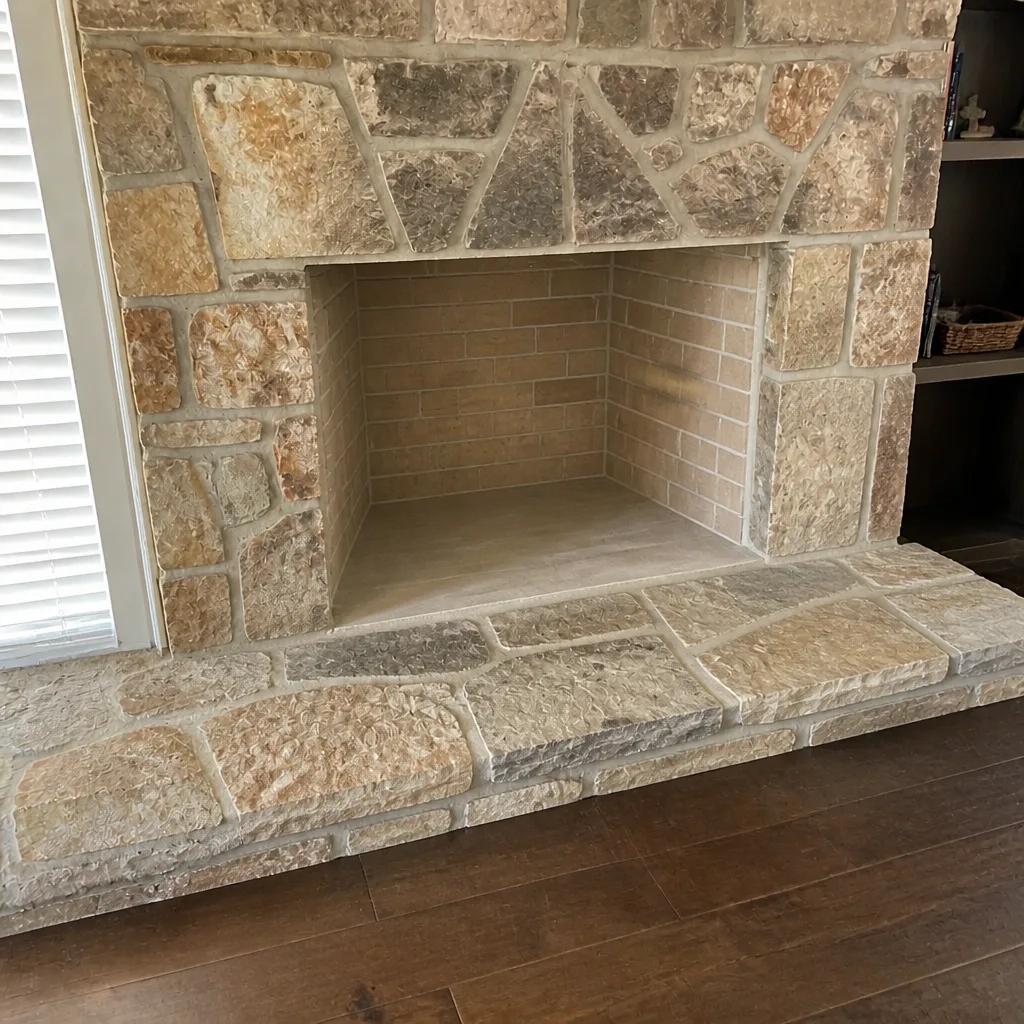
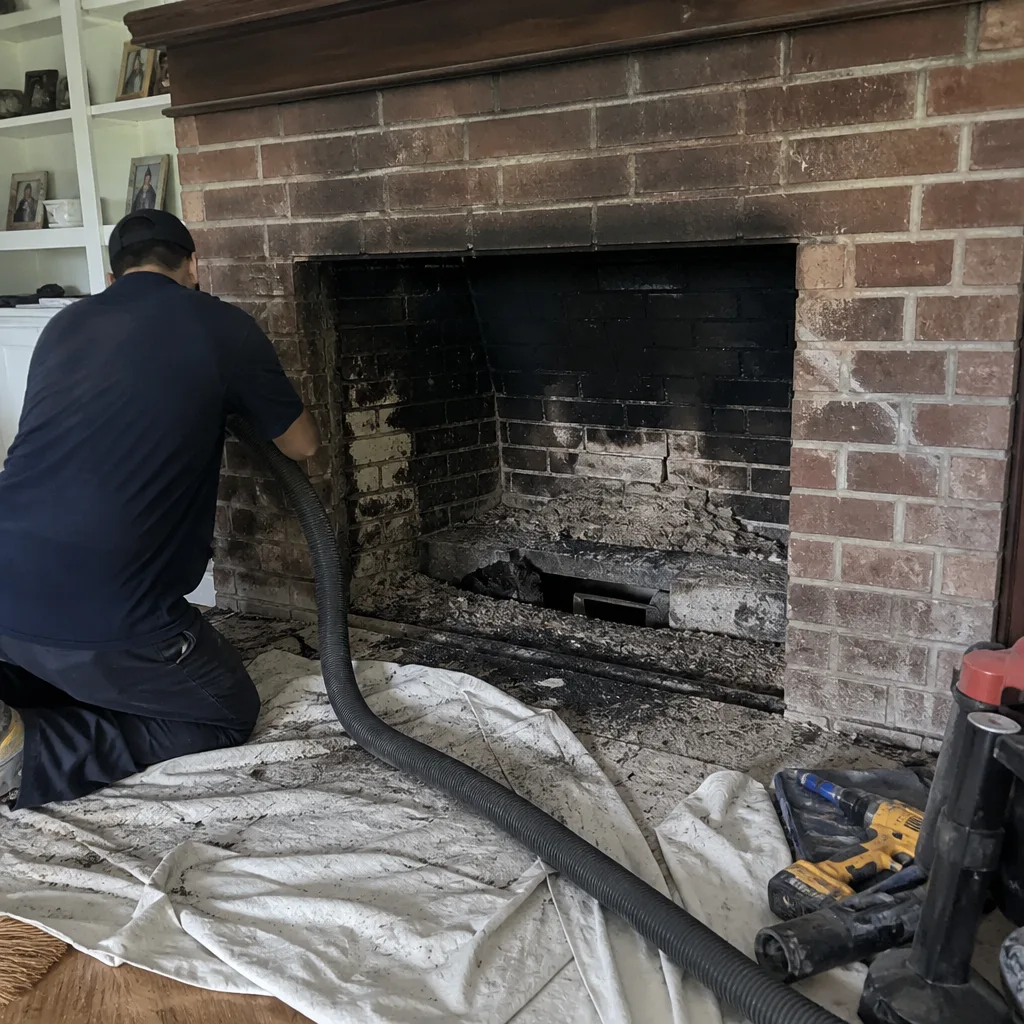
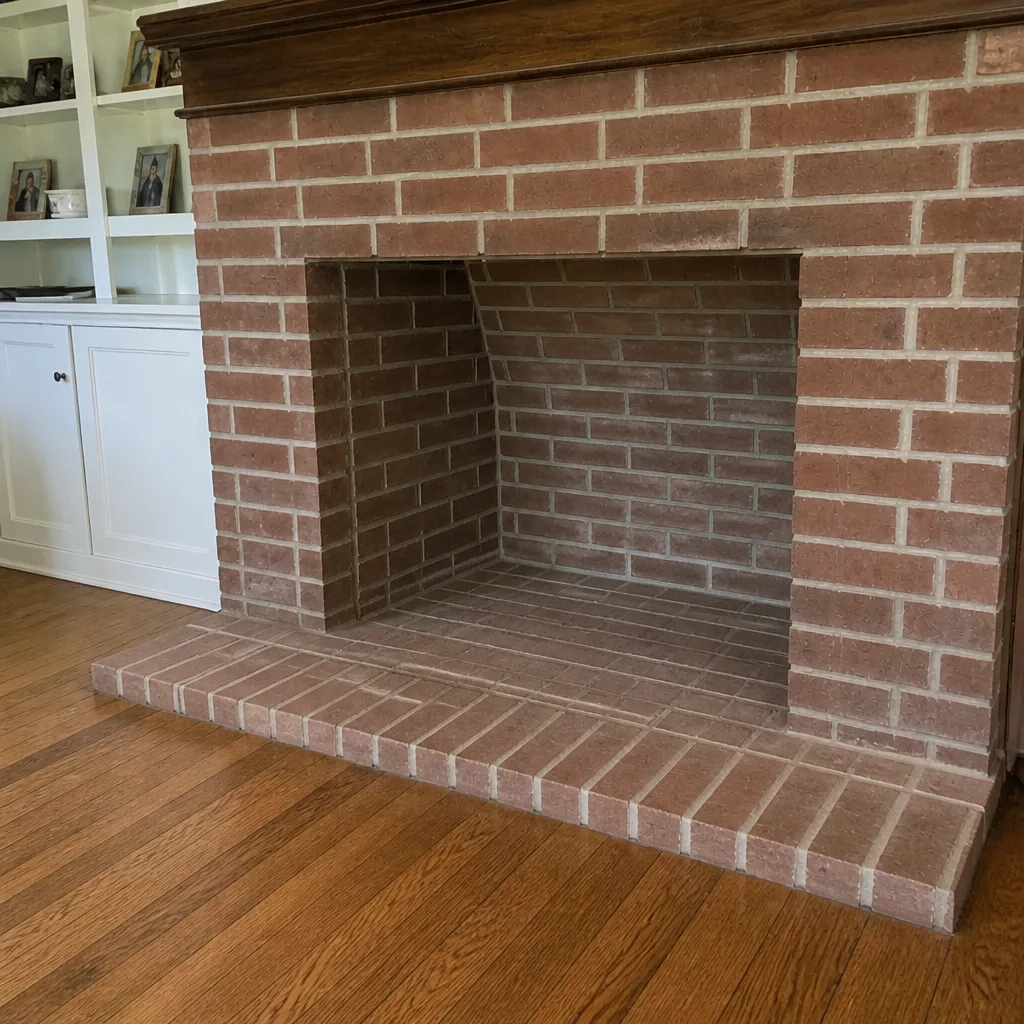
See the difference
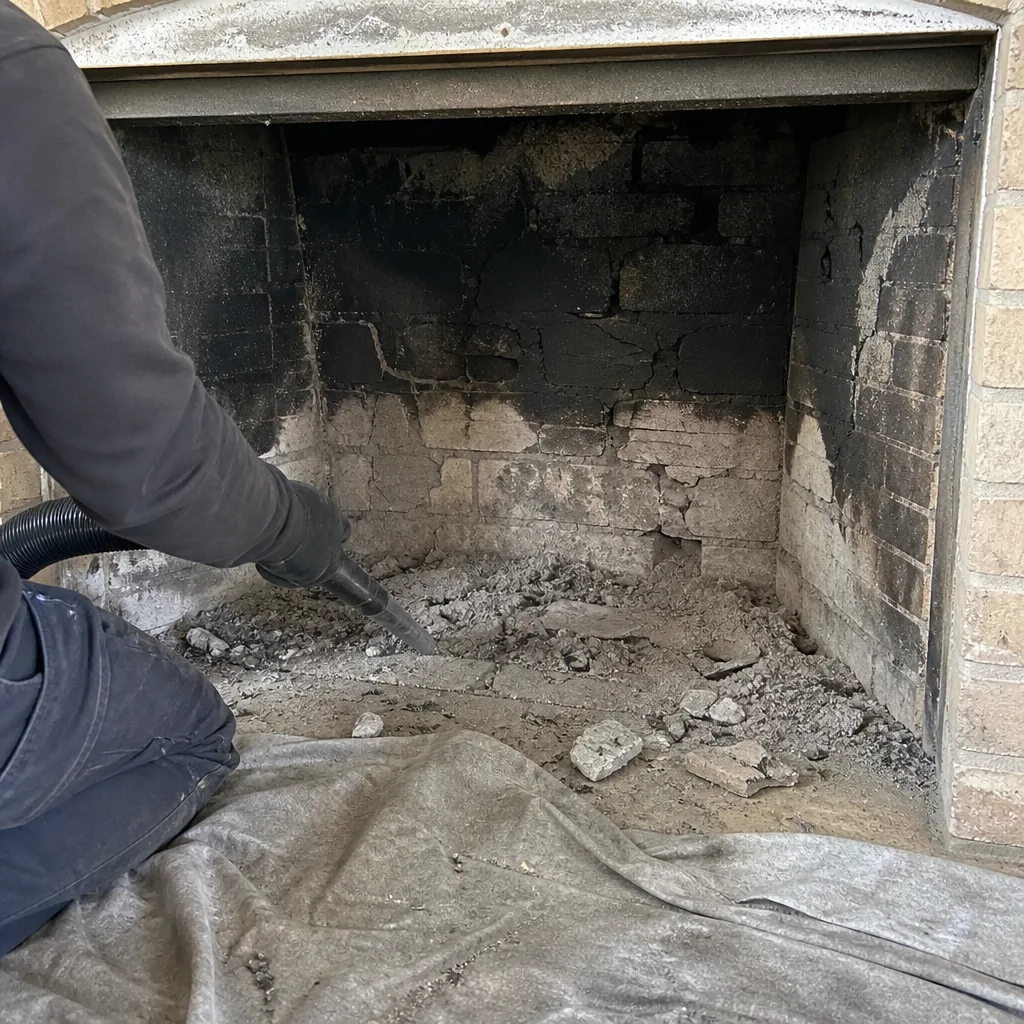 Before
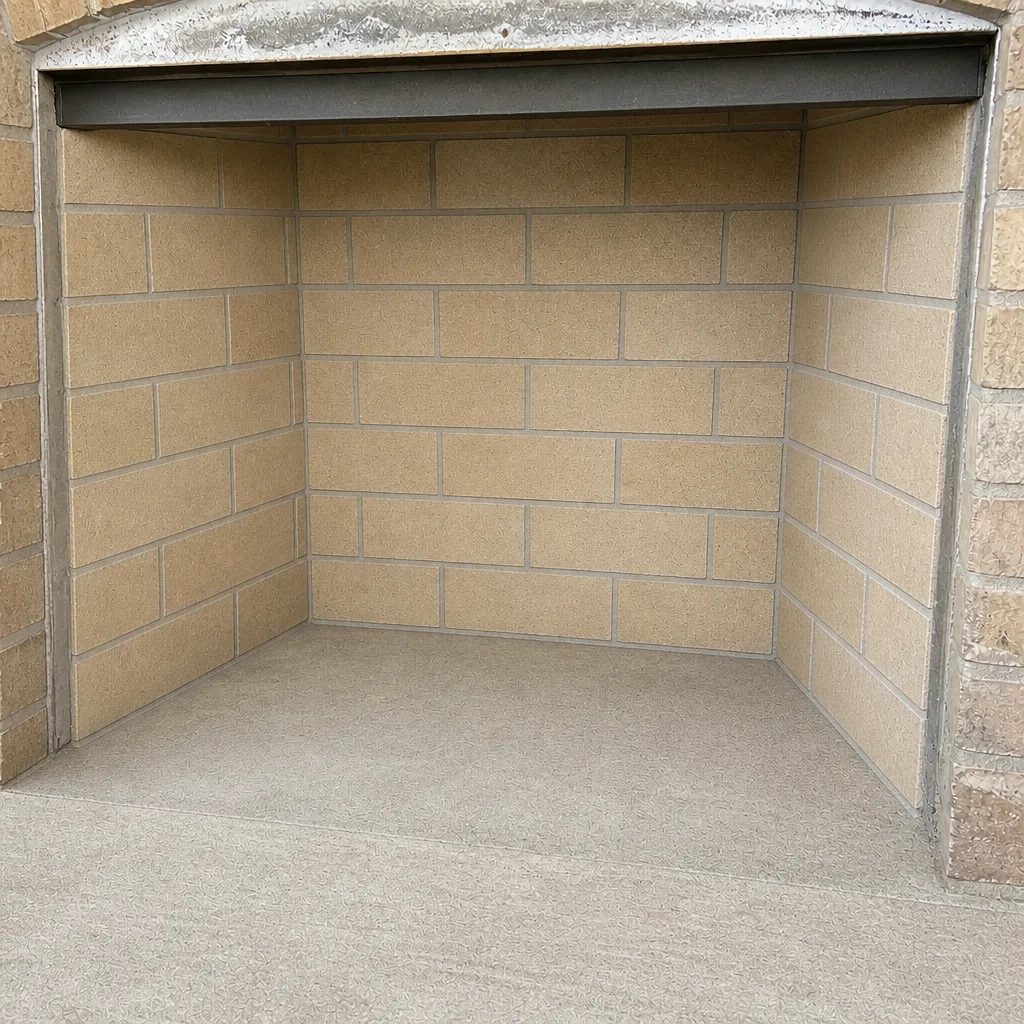 After
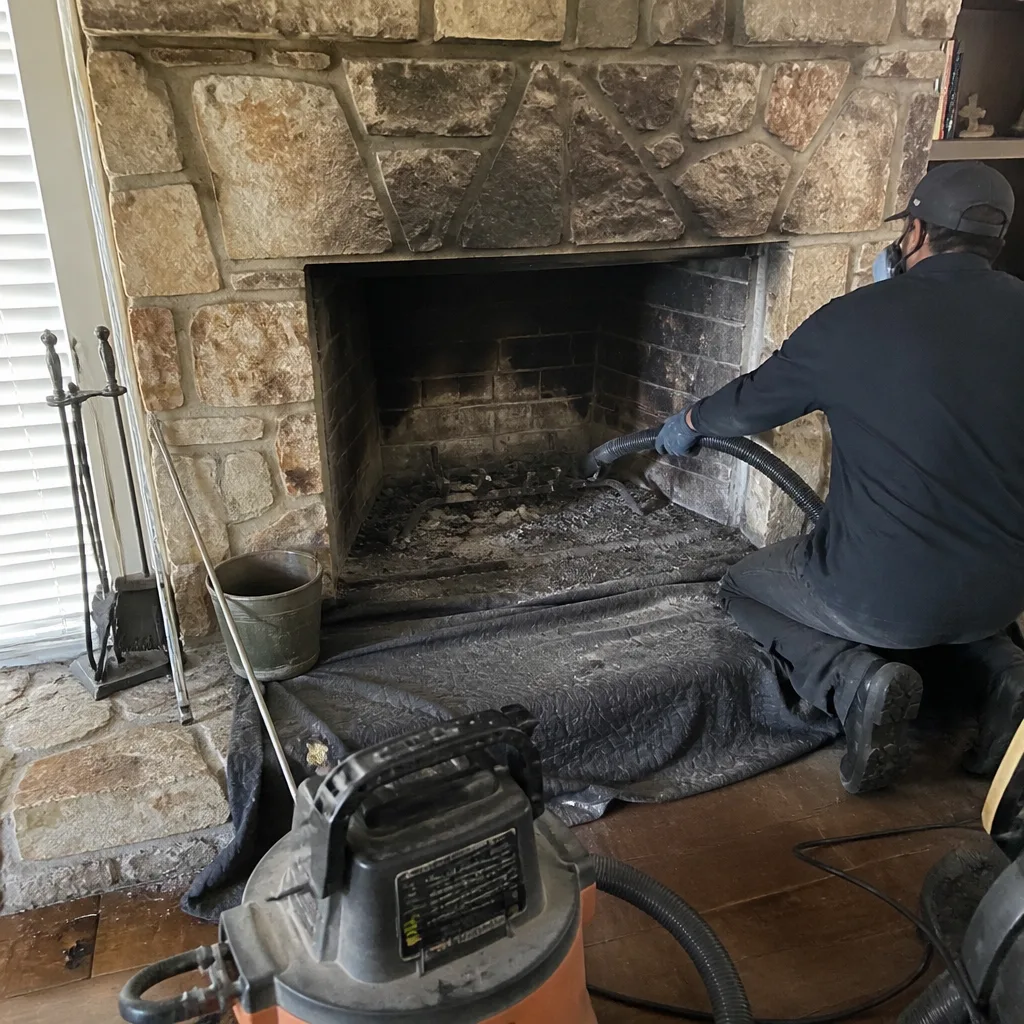 Before
 After
 Before
 After