
Last updated November 15, 2026
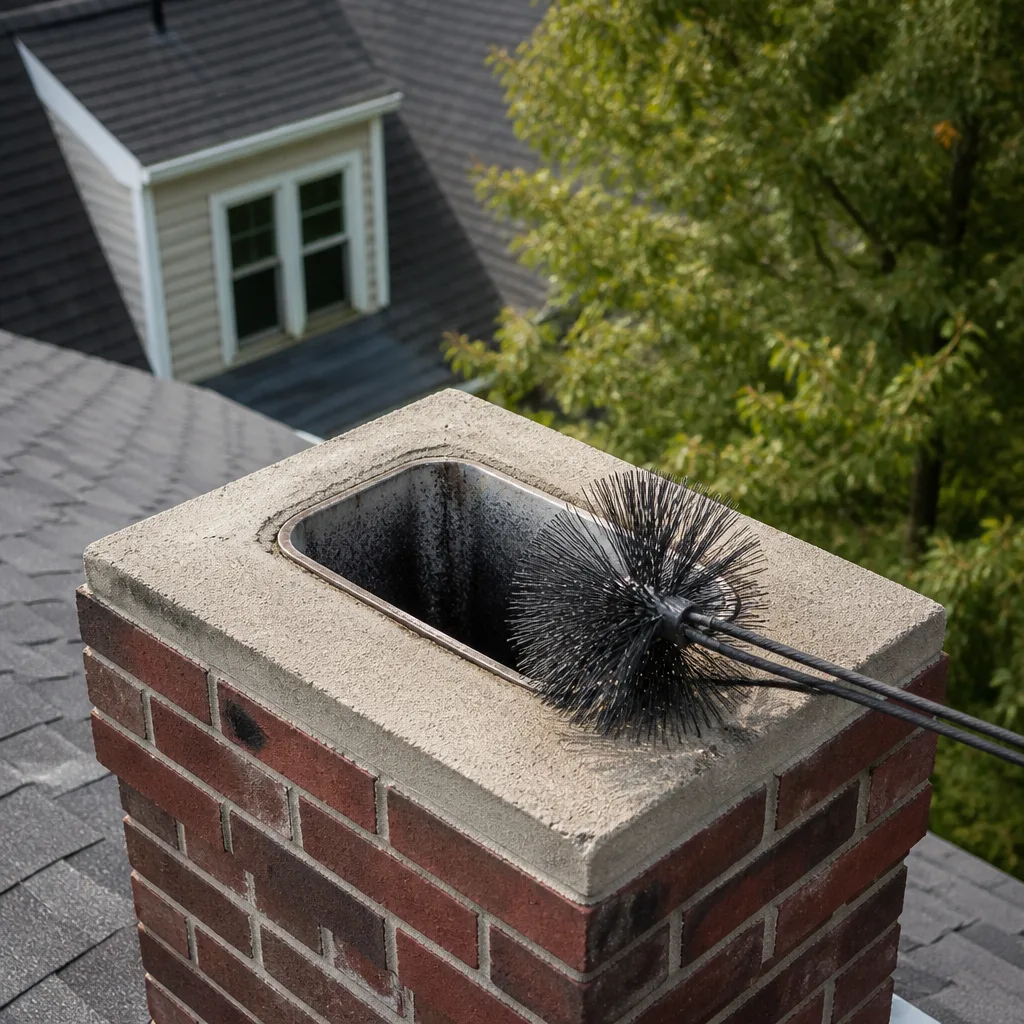 Sweep & inspection
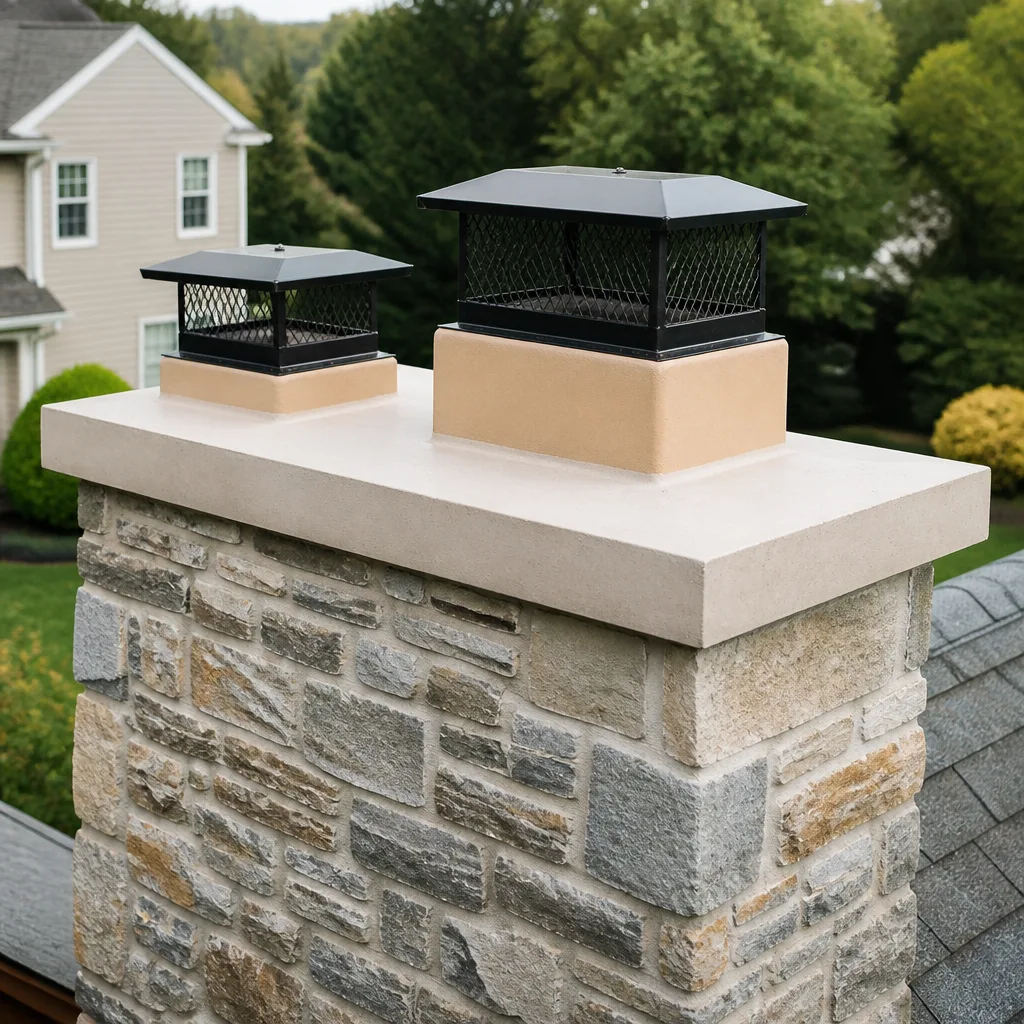 Caps & crowns
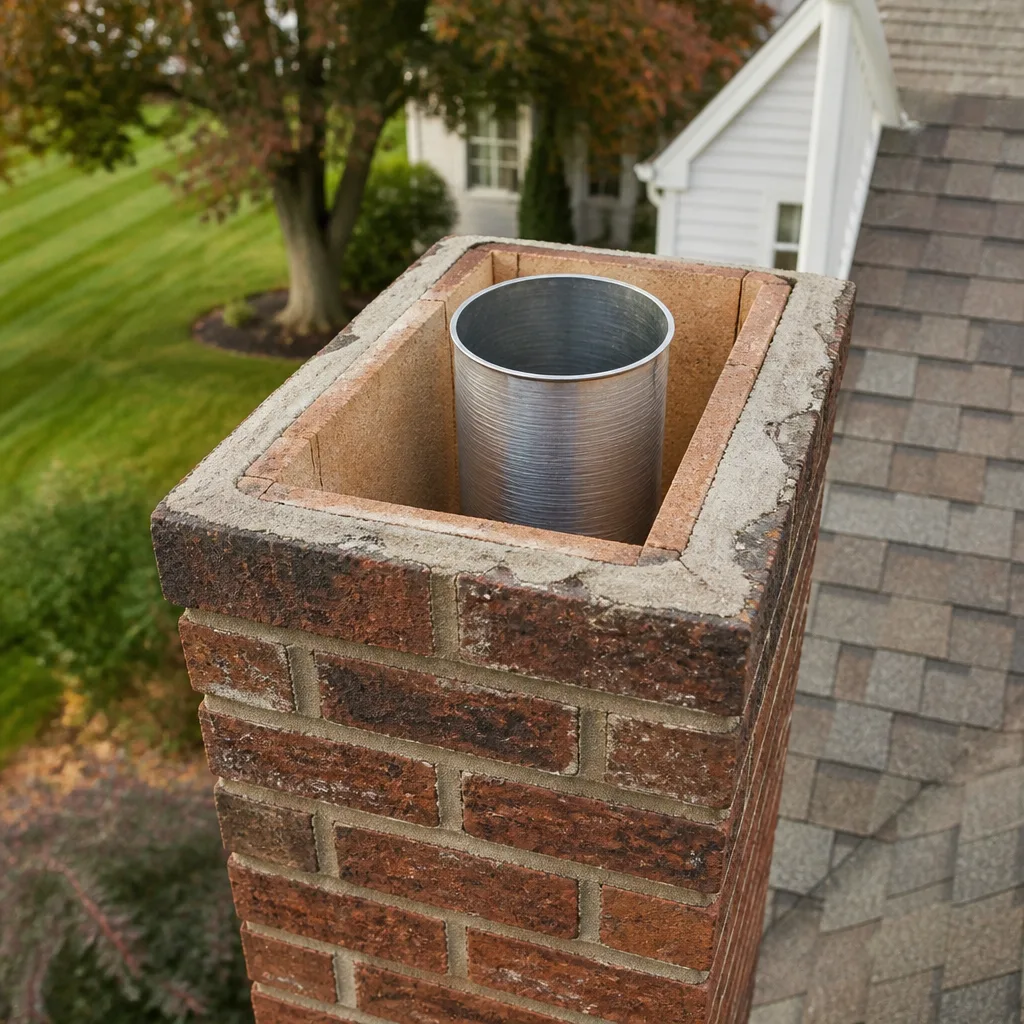 Flue relining
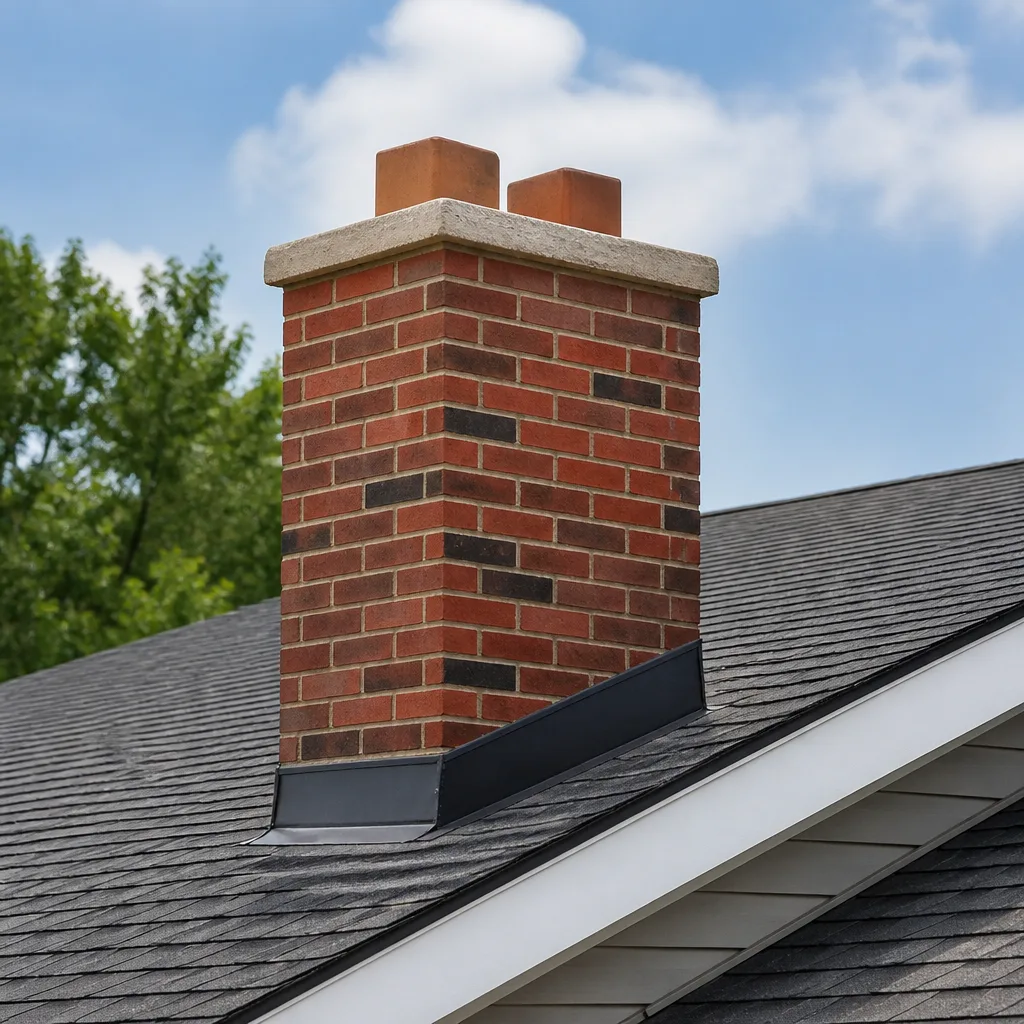 Masonry repair
 Gas fireplace service
Level 1 sweep and inspection to the NFPA 211 annual standard - flue, crown, cap, and flashing checked and photographed
Chimney sweep logs do not sweep chimneys. They loosen some creosote - which then falls where a brush and vacuum still have to collect it.
Chimney Cleaning Warning Signs: A Sugar Land Homeowner’s Reference Guide
A white stain on your chimney’s exterior looks cosmetic. Maybe a little chalky haze on the brick, nothing that seems worth a phone call. It’s actually evidence that water is moving through your masonry, which means the mortar is absorbing moisture it shouldn’t be and breaking down from the inside out. That gap between how a warning sign looks and what it actually means is the reason chimney problems get missed for years in Sugar Land. This guide breaks down the symptoms most homeowners misread, what each one points to structurally or mechanically, and how urgently you need to act on it.
Quick Answer
Most chimney warning signs show up long before they turn dangerous, and knowing what you’re looking at is the whole game. A chalky white stain means moisture is moving through the masonry, so it’s worth scheduling an inspection before the next burning season. Dark crescents around the firebox opening, crumbling mortar joints, smoke that rolls into the room, and a musty smell near the hearth are the signs that mean stop using the chimney and get it looked at first. When in doubt, a camera inspection with photos you can see for yourself settles it in a single visit.
Styles & brands we work with
- Sweep & inspection
- Caps & crowns
- Flue relining
- Masonry repair
- Gas fireplace service
Table of Contents
- What are the most common chimney warning signs?
- What does white staining on your chimney exterior actually mean?
- Which warning signs mean stop using the fireplace?
- Why do chimney warning signs look different in Sugar Land?
- How do you tell normal settling from real structural damage?
- What warning signs inside the home point to your chimney?
- Which signs can safely wait until the end of the season?
- Why is a free inspection the fastest way to know?
What are the most common chimney warning signs?
Chimney warning signs fall into three rough groups: things you see on the masonry, things you see inside the firebox, and things that happen while you’re sitting in the room. Most homeowners notice symptoms in the third group first because those are the ones that intrude on a cozy evening. The masonry and firebox signs are there first, though, and they cost less to fix the earlier you catch them.
Here’s the sign-by-sign breakdown we walk every homeowner through:
- Chalky white staining on brick – water is migrating through the masonry and depositing salts on the surface. Early warning for mortar breakdown.
- Dark crescents or soot around the firebox opening – smoke is escaping where it should be going up the flue instead. Points to a draft problem, a blocked flue or a damaged damper.
- Crumbly mortar joints between the brick – the bed joints are losing their grip on the brick. A structural item, not cosmetic.
- A cracked or leaning crown – the concrete cap on top is failing. Water gets into the chase from there.
- Rusted or missing spark arrestor – the flue is open to weather, birds and debris.
- Smoke rolling back into the room – a draft failure, often tied to a damaged or missing cap or a blocked flue.
- A musty smell near the hearth – moisture has found a home in the masonry or the firebox.
- Staining on the wall or ceiling near the fireplace – moisture is working through from behind, usually at the flashing or the crown.
- Visible broken or flaking flue tiles – seen during an inspection with a camera. One of the most serious warning signs because it affects both fire safety and carbon monoxide venting.
Every one of those has a different urgency behind it. Getting them sorted is the whole point of the rest of this guide.
What does white staining on your chimney exterior actually mean?
A white, powdery haze on brick or mortar is called efflorescence. It means moisture is traveling through the masonry, dissolving salts out of the mortar, and leaving them on the surface as the water evaporates. It’s not a sign of dirty brick. It’s a sign the chimney is wet.
Two things break down once masonry stays damp. The mortar first, because it’s softer than the brick and absorbs water faster. The brick second, because repeated wetting and drying weakens it over time. In a mild-winter climate like Sugar Land, the driver is humidity rather than hard freezing and thawing, but the effect is the same: constant moisture cycling in and out of the masonry, joint by joint. In some houses the stains are concentrated on the side of the chimney that catches prevailing rain, which is a useful clue for a technician to know before arriving.
Not every white stain is bad news. A light dusting on a very new chimney can be normal as moisture escapes the fresh mortar. On an older chimney, staining that shows up and spreads is a warning sign worth acting on.
The right response is to find where the water is getting in. Common culprits:
- A cracked or porous crown funneling water into the chase.
- Damaged or missing flashing where the chimney meets the roof.
- Missing or poorly fitting chimney cap.
- Failed mortar joints high up where nobody has looked in years.
Chasing down the source with a camera inspection and repairing the entry point is what actually stops the cycle. Painting over the staining hides the symptom and makes it worse.
Which warning signs mean stop using the fireplace?
Some signs are safe to watch. Others mean you should not light another fire until a technician has looked at your chimney. If you’re not sure which bucket a symptom falls in, treat it as the urgent one.
Stop using the fireplace and get an inspection first if you see:
- Debris or bird nests visible in the flue. A blocked flue will push smoke and carbon monoxide back into the room.
- Cracked or missing flue tiles. A compromised flue doesn’t vent safely, and carbon monoxide can leak into the living space.
- A strong smell of smoke or gas in the house during or after a fire. Never a normal smell.
- Smoke rolling back into the room during normal use. A drafting failure that points to a flue restriction or a damaged cap.
- Visible damage to the firebox brick or panels. Hot gases can travel through cracks into the structure around the chimney.
- Soot falling into the firebox in flakes. A normal chimney produces light dust; flakes suggest heavy creosote buildup or a flue tile breakdown.
- A musty smell near the hearth that doesn’t go away. Moisture in the firebox or the surrounding masonry.
Creosote is the reason chimney fires start in the first place. It’s the residue left behind by wood smoke, and it accumulates in layers inside the flue. When it ignites, the fire is contained inside the chimney and can damage the flue lining, the mortar and ultimately the surrounding structure. You can’t see creosote buildup on your own. That’s what a sweep and camera inspection is for.
One line to remember: any sign that suggests the flue itself is damaged moves the chimney from “schedule soon” to “stop using until inspected.” That’s a fire hazard and a carbon monoxide hazard at the same time.
Why do chimney warning signs look different in Sugar Land?
Chimney problems in the Sugar Land area tend to cluster around three things: humidity, soil movement, and storm damage. Understanding the local picture helps you know which warning signs to look for first.
Humidity and efflorescence. The Gulf Coast humidity means masonry that picks up water takes a long time to dry out. Efflorescence staining is common here, and so is the deeper problem it signals: water sitting in the chase and slowly breaking down the mortar. A chimney that would dry out in a few weeks somewhere cooler can stay damp for a month or more in Sugar Land.
Clay soil movement and flashing. The soil around most Sugar Land homes is heavy clay that swells when it’s wet and shrinks when it’s dry. That movement can shift a chimney slightly against the roof, opening a gap at the flashing, the metal seal where the chimney passes through the roof. The gap lets water run straight into the frame. Warning signs of a flashing failure: rust streaks on the roof, water staining on interior walls near the chimney, and efflorescence on the brick below the roofline.
Storm-damaged caps and smoke rollback. A cap knocked loose by a summer storm, or a spark arrestor bent out of shape, will change the airflow at the top of the flue. The first symptom homeowners notice is smoke rolling back into the room instead of going up. That’s not a chimney that needs a fire built bigger. That’s a chimney that needs its cap looked at.
Pecan Grove and First Colony have a lot of homes in the 15-to-30-year window where the original builder-grade cap and crown are starting to show their age. Riverstone and Telfair have a mix of newer construction where the chimney has settled into its first decade. In our experience, both age brackets show the same two first signs: white staining on the brick and a flue that drafts poorly on cool evenings.
How do you tell normal settling from real structural damage?
Every house settles, including every house in Sugar Land, and a hairline crack in the firebox or the crown doesn’t automatically mean structural failure. The trick is knowing which cracks are cosmetic and which ones are evidence that the chimney is breaking down.
For the firebox, look for these distinctions:
- Normal wear: hairline cracks less than the width of a dime, no missing chunks, no pieces of brick that move when you touch them.
- Structural warning: cracks wider than a dime, bricks or panels that move, missing mortar between firebox bricks, or a firebox back wall that’s pulled away from the sides.
For the crown, the concrete cap at the top of the chimney:
- Normal wear: one fine crack, no water getting into the chase, cap still doing its job.
- Structural warning: visible cracks several in number, a crown that leans, missing chunks, a crown that has pulled away from the flue tile, or a crown that’s obviously older than the chimney it’s sitting on.
The reason this distinction matters: a repair is cheap while the damage is small and expensive once the masonry has to come apart. A crown that’s cracked but still sitting flat can often be sealed or replaced in a day. A crown that’s fully failed means water has been entering the chase for months or years, and the repair is on the inside, not just the top.
For interior flue damage, there’s no way to see it from the ground. A camera inspection inside the flue is the only honest way to know whether the tiles are intact, whether there’s a gap at a joint, or whether a HeatShield ceramic resurfacing will restore the flue lining instead of a full reliner being needed. That difference, on a Sugar Land home, is often the difference between a repair and a replacement.
What warning signs inside the home point to your chimney?
Some of the most important chimney warning signs happen indoors, and most homeowners don’t connect them to the fireplace. When these appear, they’re pointing at something the chimney isn’t doing right.
- Musty smell near the fireplace, especially after rain. Water is entering the chimney somewhere and staying there. The smell is damp masonry.
- Smoke smell in the house when the fire isn’t burning. The damper may be stuck open, or the flue is holding creosote and smoke residue. Neither is something to ignore.
- Smoke curling back into the room when you light a fire. A draft failure. Usually a blocked flue, a damaged cap or a flue that’s the wrong size for the fireplace opening.
- Staining on the wall or ceiling near the chimney. Water is getting in from the roof side. Flashing failure or a cracked crown is the usual source.
- Peeling paint or bubbling drywall on the chimney chase. The wall is holding moisture on its way in. This is a late-stage sign of an active leak.
- A fireplace that never drew well, even when it was new. Sometimes the flue is undersized for the firebox. An experienced technician can look at the ratio and tell you.
The bottom line: any of those symptoms is real evidence that the chimney system isn’t doing its job. None of them are things to wait out.
Which signs can safely wait until the end of the season?
Some warning signs are safe to monitor through one season, provided you know what you’re watching for and you book an inspection before the next burning season. Others can’t wait. Here’s how we sort them.
Signs that can generally wait for a scheduled sweep and inspection:
- Light efflorescence on an otherwise sound chimney with no interior staining and no musty smell.
- A single hairline crack in the crown with no missed chunks and no sign of water inside the chase.
- A rusted or aging spark arrestor that’s still attached and functional.
- A faint smoky smell right after a fire in a chimney that hasn’t been swept in years.
Signs that cannot wait:
- Visible cracked or missing flue tiles. Stop using the fireplace until inspected.
- Smoke rolling back into the room during normal use. Stop using the fireplace and get the cap and flue checked.
- Water stains on interior walls near the fireplace. Find the entry point before the next rain.
- Crumbling mortar joints on the exterior chimney. This is a structural warning and gets worse every wet season.
- A crown that’s leaning or missing pieces. The longer it stays open, the deeper the water damage goes.
If you’re on the fence about a symptom, the cost of finding out is a free estimate. The cost of putting it off is a repair that grows. A sweep is done at a scheduled appointment, so the urgency is tied to before burning season rather than to a particular hour. If a symptom has appeared mid-season, we recommend booking the earliest opening you can get and keeping the fireplace off until then.
Why is a free inspection the fastest way to know?
A camera inspection tells you what’s actually happening inside the flue, in a way that looking from the ground can’t. The camera goes up the flue, the technician sees every joint and every tile, and the homeowner gets photographs they can look at themselves. That’s the whole point.
The biggest hesitation we hear from homeowners is being told they need thousands of dollars of liner or masonry work they have no way to verify. We get it. The answer is simple: nothing is recommended without camera evidence you can see for yourself, and we say plainly when work can safely wait. A repair that isn’t urgent isn’t something to push. A repair that is urgent is worth showing you the picture.
When a flue does have damage, the fix isn’t always a full reliner. HeatShield ceramic resurfacing can restore a damaged flue lining without the cost of a full replacement in the right circumstances, and we’ll tell you honestly which one your chimney needs. Where a liner is the right answer, we install DuraFlex flexible liner systems, which are able to fit offset or irregularly shaped flues where a rigid system can’t go. For older Sugar Land homes with odd chimney geometry, that’s often the difference between a repair being possible and it not being possible.
This is also where a full-service chimney company saves you time. We sweep it, inspect it, and fix it, all under one call. Crown repair, cap replacement, flashing work, liner installation and masonry repairs are all things we handle directly, so a finding from an inspection doesn’t get referred to another contractor and pushed back another month. Our technicians have up to 9 years of experience, and the brands we work with, including Copperfield, Gelco and Olympia Chimney components, are professional supply lines built for the kind of repairs a residential chimney actually needs.
If your dryer vent hasn’t been cleaned in a while, that’s worth doing on the same visit. Lint buildup in a dryer vent is one of the leading causes of residential house fires, and the same appointment that handles your chimney can handle the vent. Details are on our dryer vent cleaning page. For a full walkthrough of what a sweep involves, the chimney sweep page has the specifics, and if you’re new to the area, our Sugar Land service page covers how we handle homes across the city.
Common Mistakes to Avoid
- Painting over efflorescence to hide it. Sealant traps the moisture inside the masonry and makes the mortar break down faster. Fix the water source, then think about the surface.
- Ignoring smoke rollback as “just the wind.” Wind can nudge a little smoke, but a chimney that regularly rolls smoke into the room has a cap, draft or blockage problem worth diagnosing.
- Assuming newer construction means nothing to worry about. Builder-grade caps and crowns in Sugar Land homes under 15 years old are already starting to show their first signs. Age doesn’t replace an inspection.
- Burning green or wet wood to “get through the season.” It produces more creosote per fire than seasoned wood and turns a light cleaning into a heavy one.
- Skipping the sweep because the fireplace “doesn’t get used much.” Creosote buildup and animal nests happen whether you burn ten fires or fifty. The flue doesn’t know how many times you entertained.
- Hiring a company that sweeps but doesn’t repair. A finding you can’t act on ends up as another phone call to another contractor, and the schedule slips another month. A full-service chimney company with liner, crown and masonry capability under one roof closes that loop.
- Treating a leaking crown as a cosmetic issue. Water entering at the crown travels straight down the chase. It comes out as interior staining, musty smells and eventually flue damage, and every step in that chain costs more than the one before it.
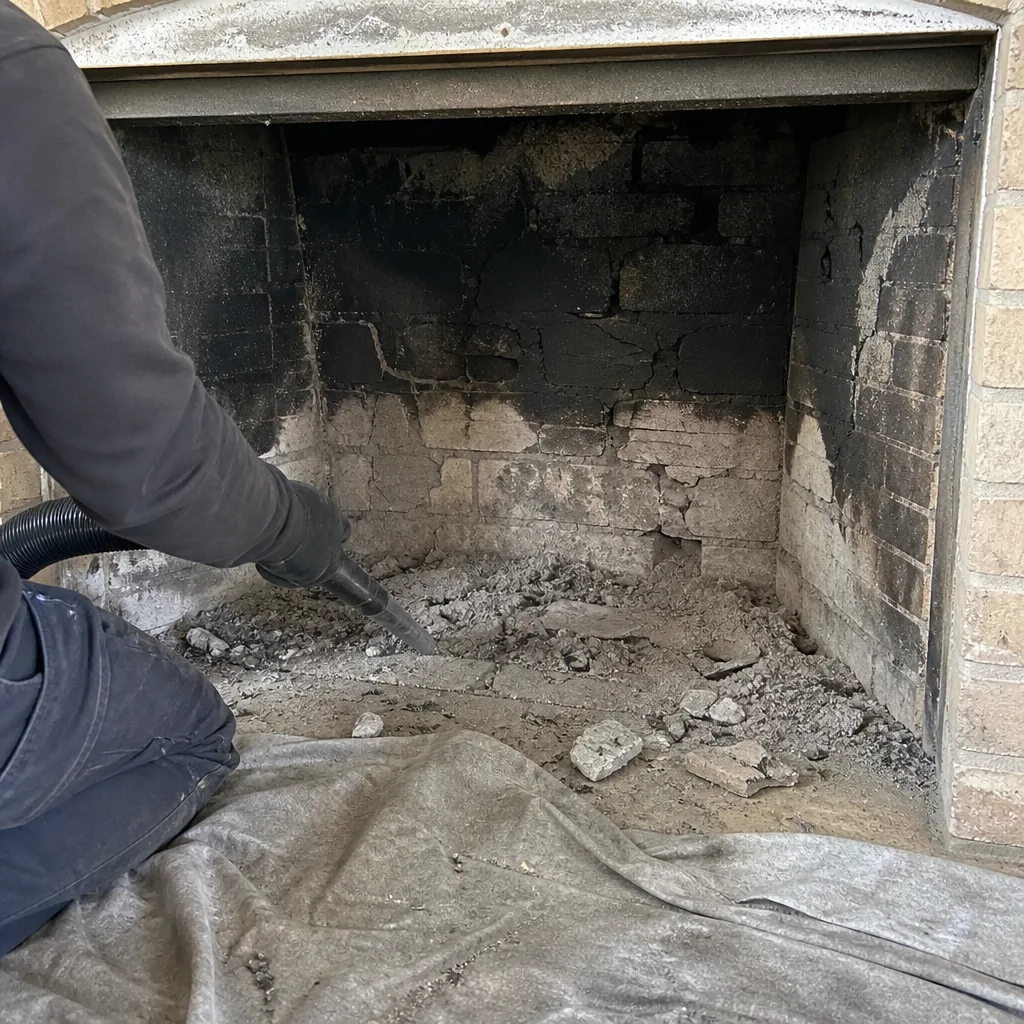
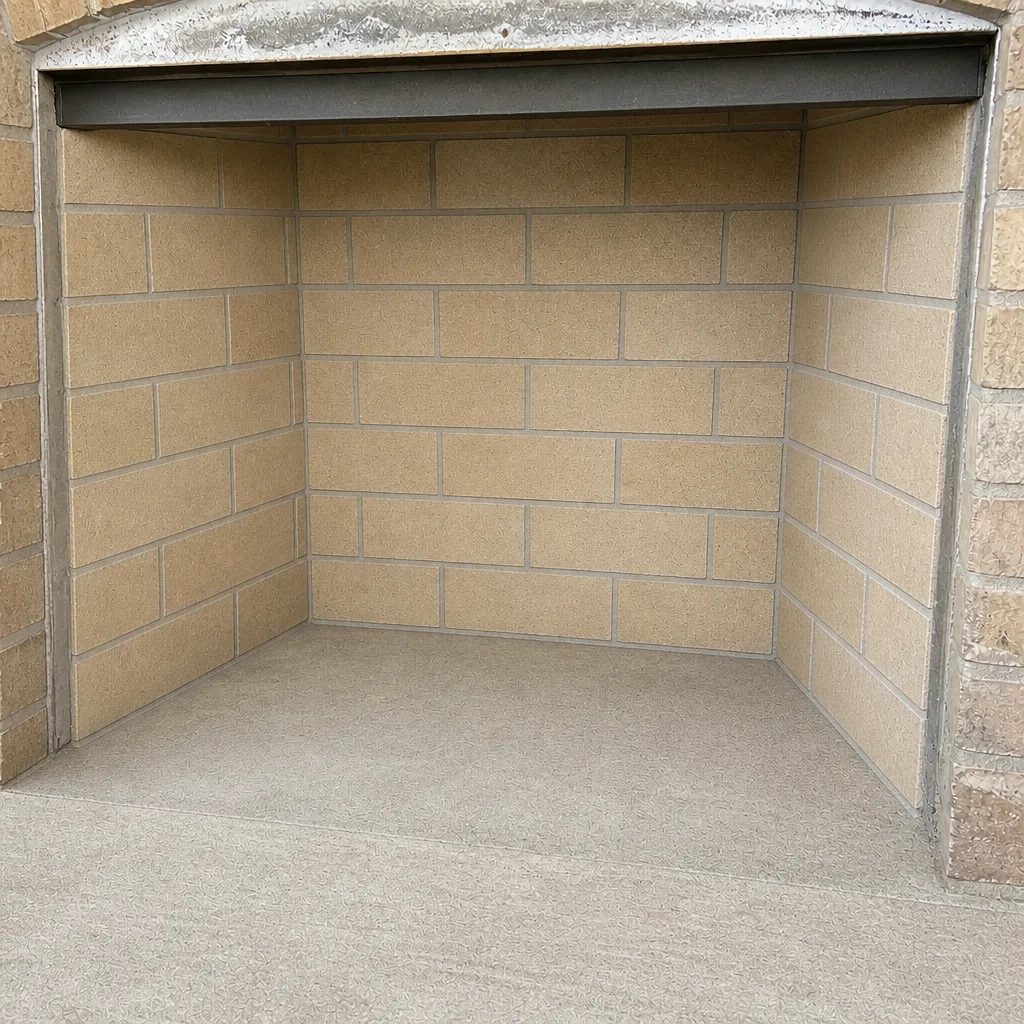
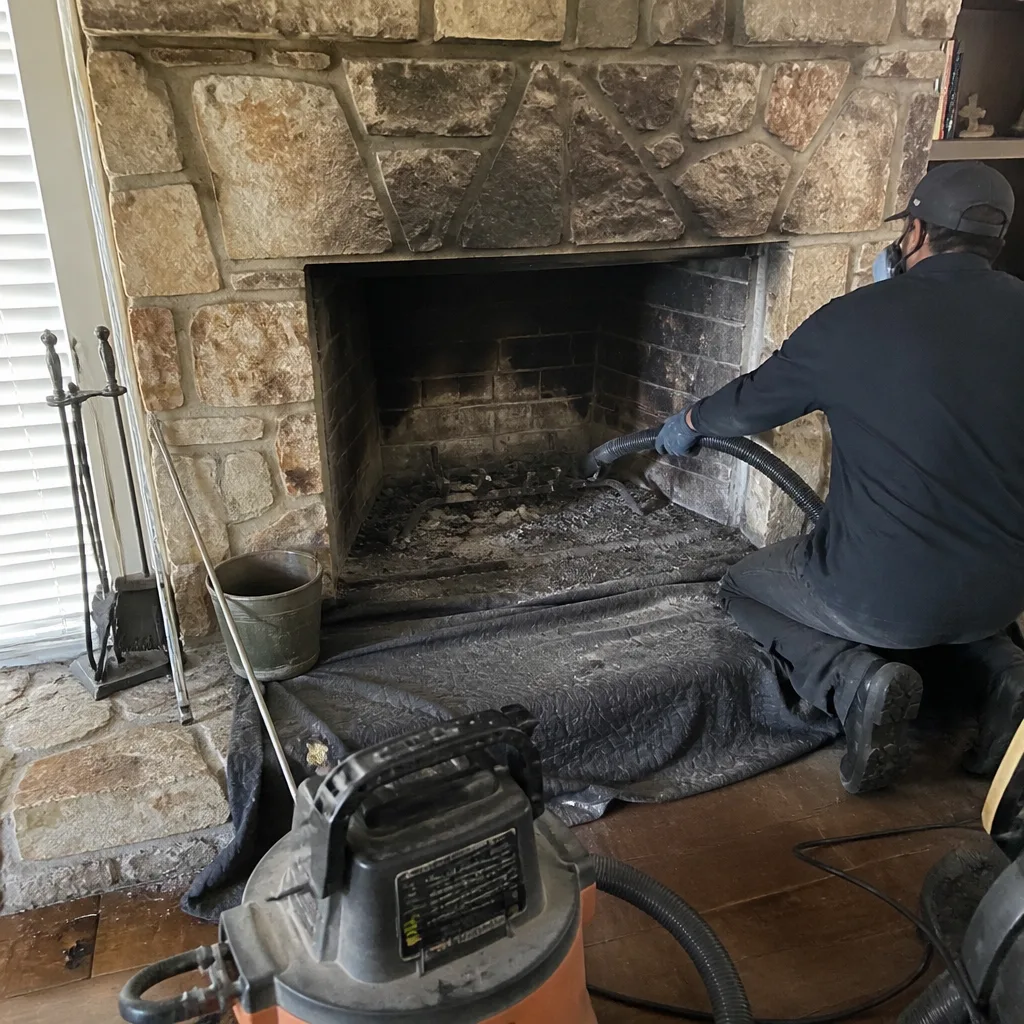
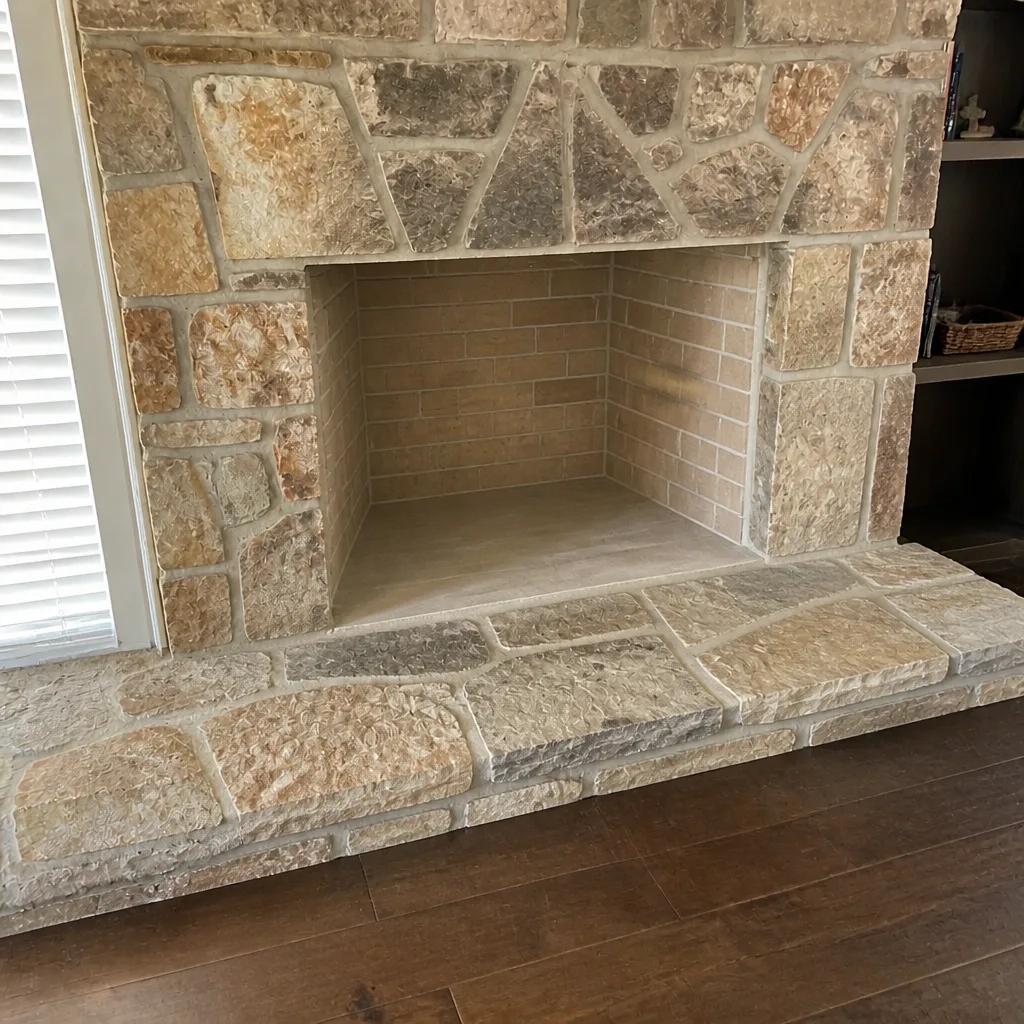
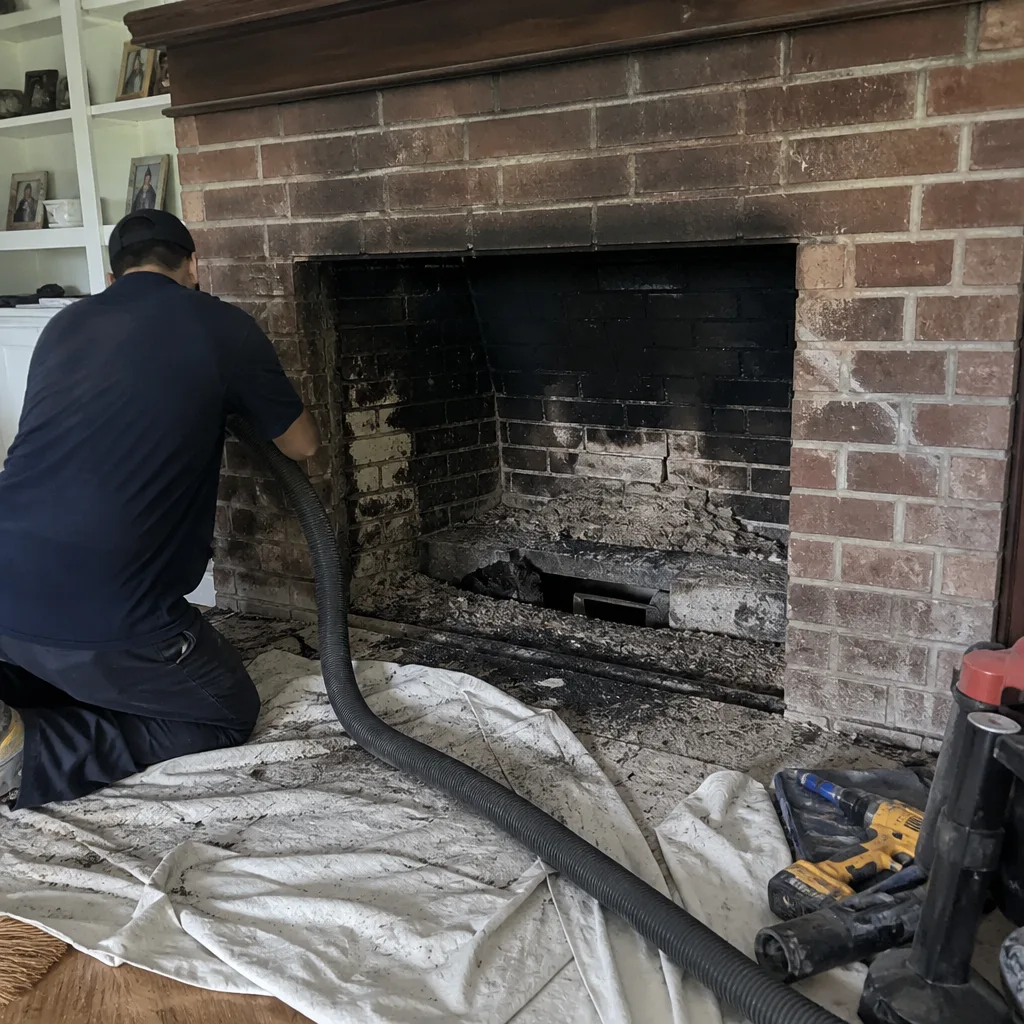
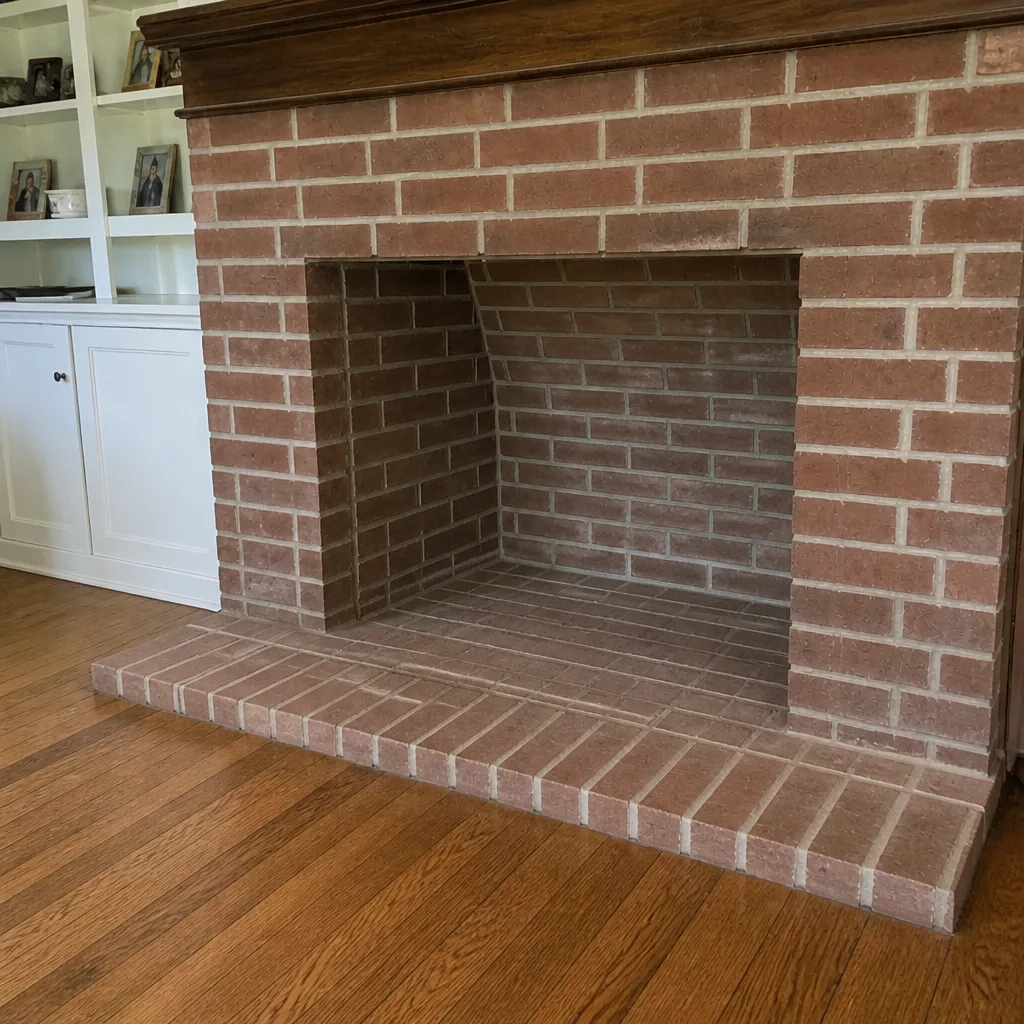
See the difference
 Before
 After
 Before
 After
 Before
 After
When to Call a Professional
Call a professional if you see cracked or missing flue tiles, smoke rolling back into the room during normal use, staining on the wall or ceiling near the fireplace, crumbling mortar joints on the exterior chimney, or a crown that’s cracked, leaning or missing pieces. If you’ve just bought a Sugar Land home with a chimney you don’t know the history of, an inspection before the next burning season is the smartest first step. If the fireplace hasn’t been used in years, a sweep and inspection will tell you whether it’s ready to light or needs repair first. None of that requires waiting for a problem to get worse.
Sugar Land Chimney Cleaning offers free estimates in Sugar Land. Call (866) 809-2352. We answer 24/7. A call outside dispatch hours is booked into the next opening, Sunday through Friday, 7am to 7pm. Every estimate is per job and set by the written estimate, so there are no surprises when the technician arrives.
Frequently Asked Questions
Most chimneys should be swept once a year if you use the fireplace regularly, and inspected once a year regardless of how often you burn. Humid Sugar Land weather can push the timing sooner, because moisture and creosote together do more damage than either one alone. Call (866) 809-2352 for an exact quote on a sweep, and we’ll tell you honestly whether you’re due.
White staining, called efflorescence, means water is moving through the masonry and depositing salts on the surface as it evaporates. It’s evidence the chimney is wet, which breaks down mortar over time. Get it looked at before the next rainy season. Call (866) 809-2352 and we’ll find the water source and quote the repair honestly.
No. A cracked or missing flue tile means the flue isn’t containing the smoke and gases the way it should, and carbon monoxide can travel through the crack into the structure. Stop using the fireplace and book an inspection first. Call (866) 809-2352 to schedule one.
Not always. A very new chimney can show a light dusting of efflorescence as moisture escapes the fresh mortar, and that’s normal. On a chimney that’s been up for years, staining that’s new or spreading means the masonry is staying wet and needs investigating. A camera inspection tells you which it is. Call (866) 809-2352 and we’ll walk you through what the photos show.
Smoke rolling into the room means the chimney isn’t drawing properly, usually because of a blocked flue, a damaged or missing cap, or an undersized flue for the firebox opening. In Sugar Land, storm-damaged caps are a common cause. The fix is a diagnosis, not a bigger fire. Call (866) 809-2352 and we’ll get the cap and flue checked.
Yes, if the flue is genuinely damaged, and you should be shown the camera photographs before you agree to anything. Damage that’s visible in photos is real, and HeatShield resurfacing or a liner installation is the fix. We say plainly when a repair can safely wait. Call (866) 809-2352 for a free estimate and see the evidence for yourself.
The Bottom Line
Most chimney problems announce themselves long before they become dangerous, and the difference between a cheap repair and an expensive one is usually how fast the homeowner read the signs. White staining, crumbling mortar, cracked flue tiles, smoke rollback and musty indoor smells are the ones that matter. Sort them into “monitor,” “schedule soon” and “stop using immediately,” and treat anything that suggests flue damage as the urgent one. A sweep and camera inspection is a scheduled appointment, not an emergency, so the smart move is to book it before burning season rather than after. If you’ve seen any of these signs in your Sugar Land home, get it looked at.
Call (866) 809-2352. We answer 24/7. Fast dispatch from 7am to 7pm, Sunday through Friday. Estimates are free and we show you the camera evidence before recommending anything.
You can read more about our full range of services on the Sugar Land Chimney Cleaning home page, including sweep, repair and dryer vent work.
Written by the team at Sugar Land Chimney Cleaning.