
Last updated November 15, 2026
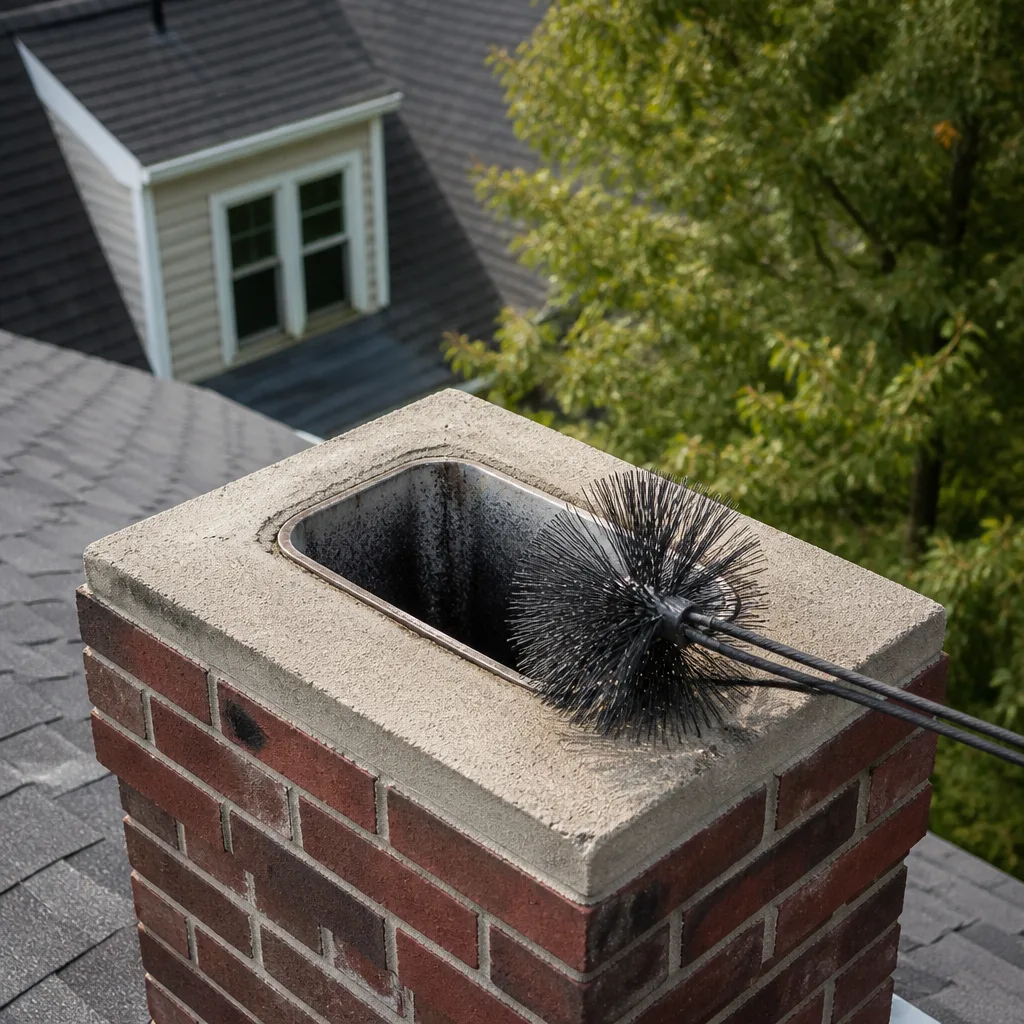 Sweep & inspection
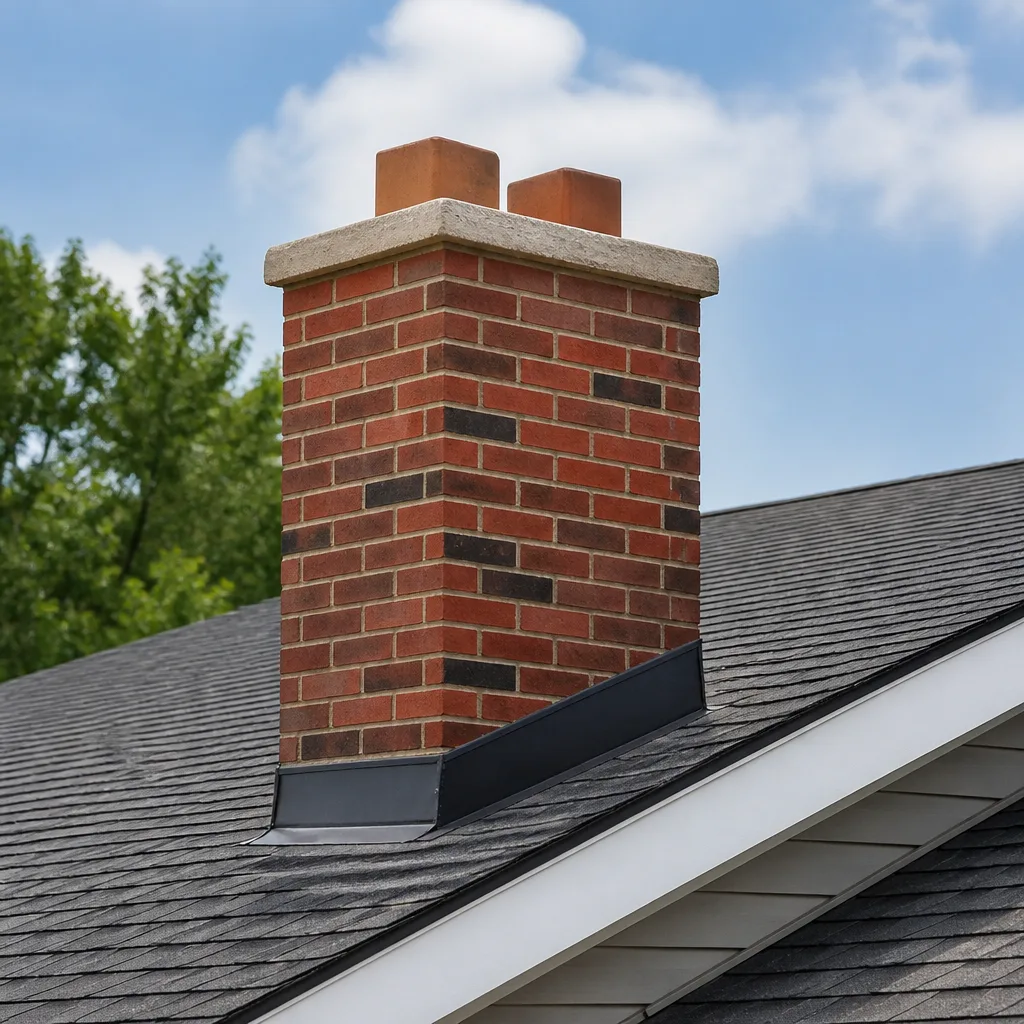
 Caps & crowns
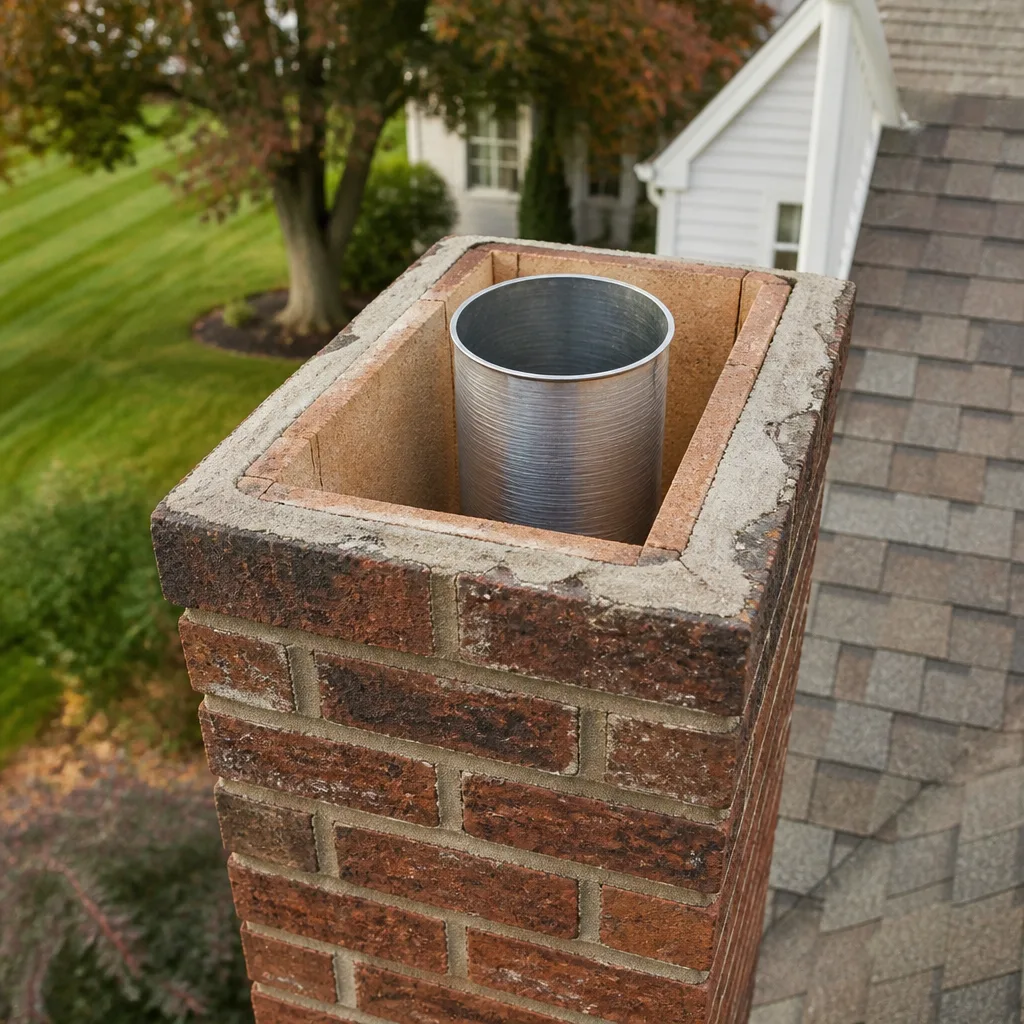 Flue relining
 Masonry repair
 Gas fireplace service
Level 1 sweep and inspection to the NFPA 211 annual standard - flue, crown, cap, and flashing checked and photographed
Chimney sweep logs do not sweep chimneys. They loosen some creosote - which then falls where a brush and vacuum still have to collect it.
Chimney Cleaning Emergency Preparedness Guide for Sugar Land Homes
After a major thunderstorm rolls through Fort Bend County, Sugar Land homeowners do a familiar walk-around. They check the roof for missing shingles, the fence for leaning panels, the HVAC unit for debris. Almost nobody checks the chimney cap and the flashing around it, even though those are among the most storm-vulnerable parts of the house. That gap is where real chimney emergencies begin. This guide is about spotting the pre-emergency: the cracked crown, the loosened cap, the flue clog nobody noticed, the hairline firebox crack that gets used one more time. We’ll cover what to look for from the ground, how to tell a chimney fire in progress from normal fireplace noise, what a blocked flue actually feels like, and the pre-season steps that keep a small issue small. Sugar Land homes deserve a straight answer on all of it.
Quick Answer
Chimney emergency preparedness in Sugar Land means three things: inspecting the cap and flashing after every major storm, having the flue swept and checked before the first fire of the season, and knowing the difference between a chimney fire in progress (call 911) and a smoldering creosote smell you can schedule a sweep for. Most chimney emergencies here are preventable with one annual inspection and a fast response to visible storm damage. If you’re unsure, a professional look costs nothing to request and can save you thousands.
Styles & brands we work with
- Sweep & inspection
- Caps & crowns
- Flue relining
- Masonry repair
- Gas fireplace service
Table of Contents
- Post-Storm Chimney Inspection Protocol
- How to Tell a Chimney Fire From Normal Fireplace Sounds
- What a Blocked Flue Really Looks Like
- Pre-Season Readiness Steps
- When to Call a Professional
- What to Have Ready When You Call
- The Other Vent Fire Nobody Checks
- Common Mistakes to Avoid
Post-Storm Chimney Inspection Protocol for Sugar Land Homes
Spring and summer storms in Sugar Land bring wind-driven rain and hail that push against the top of the chimney first. The cap, the crown, and the flashing at the roofline take that punishment, and the damage usually isn’t visible from the driveway unless you know what to look for. You can do a ground-level check after any significant storm in about ten minutes. This is not a substitute for a technician’s inspection, but it will tell you when to call one.
- Look at the cap from the yard. A flat metal or concrete cap should sit level and centered. If it’s tilted, visibly dented, or missing, the flue is now open to rain, birds, and debris. That’s a call-today situation.
- Check the crown. The crown is the sloped concrete top surrounding the flue. Look for visible cracks, crumbling edges, or a chunk that’s clearly broken off. A cracked crown lets water into the masonry, and Central Texas masonry absorbs it fast.
- Scan the flashing. That’s the metal seal where the chimney meets the roof. Look for lifted or curled edges, gaps, or dark staining on the roof deck around the chimney. Staining after a storm usually means water is getting behind the flashing.
- Look for knocked-down mortar. Small piles of grit or mortar crumbs on the roof or ground near the chimney base indicate spalling brick or failing joints.
- Check the firebox and damper inside. Shine a flashlight up the flue from the firebox. If you see daylight where the cap should block it, the cap is gone or damaged.
- Smell and listen. A musty smell after a storm can mean water entered the flue. A whistling or roaring sound on a windy day points to a damaged cap or an open flue.
If any of those six checks turn up a problem, write down what you found and where. That note is exactly what a technician needs. When we inspect a Sugar Land Chimney Cleaning property after a storm, we’re looking at the same items from the roof, plus the interior of the flue with a camera. Our technicians have up to 9 years of experience reading storm damage, and the pattern is consistent: a cap that survived one storm but not the next.
How to Tell a Chimney Fire From Normal Fireplace Sounds
A chimney fire in progress is loud, and it does not sound like a normal fire. Most people expect flames out the top, but the earlier signs are auditory and physical: a low roar like a freight train or a distant jet, a rapid tapping or popping, and visible vibration of the flue pipe or the chimney itself. If you hear that roar and you have a fire burning, treat it as a chimney fire until proven otherwise.
Here is the distinction that matters in the moment:
- Normal fireplace sounds: crackling wood, the whoosh of a fresh log catching, the soft hiss of sap, occasional pops from resin. These happen alongside flames you can see and a controlled burn.
- Chimney fire in progress: a sustained roaring or rumbling that sounds mechanical rather than organic, dense smoke backing into the room, embers or flames visible at the top of the chimney, a strong burning or creosote smell that is sharper than wood smoke, and heat you can feel through the chimney breast. Call 911 immediately and get everyone out of the house.
What to do if you suspect a chimney fire in progress:
- Call 911 first. Do not try to fight the fire.
- Get every person and pet out of the house.
- If it’s safe and you can reach the damper without getting close to heat, close it to starve the fire of oxygen. If not, leave it.
- Do not pour water down the chimney. The thermal shock can crack the flue and send steam and debris back at you.
- Wait for the fire department, and do not use the fireplace again until a professional has inspected it.
What to do if you smell creosote but hear nothing unusual: that’s a pre-emergency, not an emergency. Creosote buildup is what fuels chimney fires, and a strong creosote smell plus a slow-drawing fire means it’s time for a chimney sweep. Book it before the next fire, not after.
In our experience across Sugar Land, the fires that do the most damage are the ones that burn slowly and quietly inside the flue for a while before anyone notices. That’s why a visual check of the top of the chimney from outside, on any night you’re burning, is worth the walk.
What a Blocked Flue Really Looks Like
Most homeowners assume a blocked flue announces itself with a room full of smoke. It often doesn’t. A partial blockage lets enough exhaust through to keep the fire burning while restricting the draft just enough to push carbon monoxide back into the house instead of up the chimney. That’s the dangerous version, and it’s the one that gets missed.
Real symptoms of a blocked or partially blocked flue include:
- Smoke spilling into the room when you first light a fire, then clearing once the fire is going.
- A fire that takes much longer than usual to catch and stay lit.
- Draft that reverses when you turn on a bathroom fan or the kitchen exhaust.
- Headaches, dizziness, or nausea that show up only on evenings you burn and clear up the next morning.
- A smell of soot or stale smoke in the house even when no fire is burning.
- Soot streaks above the firebox opening or on the face of the chimney breast.
- Debris or a nest visible in the firebox, or a bird or squirrel that came down the chimney.
If you suspect a blocked flue, stop using the fireplace. Open a window, get fresh air into the room, and step outside if anyone feels lightheaded. Do not try to clear the blockage yourself with a pole or a brush from below; you can push debris into a position that’s harder to remove and you can’t see what you’re doing. A camera inspection is the only way to know what’s in there and how much. Call a professional, explain the symptoms, and let them look.
In Sugar Land, a blocked flue is often seasonal. Birds and squirrels nest in open caps during warm months, and the first cool evening is when a homeowner finds out. If your cap is missing or damaged, and you’ve had any stretch of warm weather with it that way, assume the flue needs a look before the first fire.
Pre-Season Readiness Steps for Sugar Land Homes
The difference between a minor issue found in October and an emergency found in December is small and mostly about timing. Sugar Land’s burn season is short, and a lot of households light the first fire on the first genuinely cold night without thinking about anything other than the wood. Running through this list before that night turns a potential emergency into a routine call.
- Book a sweep and inspection before the first fire. Creosote builds up quietly, and one full season of burning can put enough in the flue to change how it behaves. A sweep and camera inspection before you light up resets the baseline. For a deeper look at what that involves, see our chimney sweep page.
- Get the cap and crown checked. If you haven’t had eyes on the top of the chimney since last winter, do it now. A cracked crown or a loose cap is a small repair that gets expensive once water gets into the masonry.
- Test the damper. Open and close it a few times while the fireplace is cold. It should move smoothly and seal flat. A damper stuck open wastes heat and lets cold air down; one stuck closed is a hazard if anyone lights a fire.
- Check the firebox for cracks. Look for hairline cracks in the brick, gaps in the mortar joints, or a fireback that’s separated from the wall. Any of those mean the firebox needs professional repair before use.
- Clear the firebox of ash and debris. A modest ash bed is fine for insulation; a deep pile isn’t. Remove excess ash, and check for anything that fell down the flue.
- Verify the cap is screened. A spark screen keeps embers off the roof and animals out of the flue.
- Book dryer vent cleaning on the same visit. It’s a separate system with a separate fire risk, and it’s the easiest thing to forget. Our dryer vent cleaning service handles it alongside your chimney.
- Have the chimney company’s number saved. When something happens, you want it on your phone, not to be searching for it.
None of that is complicated, and much of it you can do yourself. The value of the professional visit is the camera and the trained eye, not the chore list.
When to Call a Professional
Call a professional chimney company when you see any of the following:
- A cracked, crumbling, or missing crown or cap.
- Visible cracks in the firebox brick or mortar joints.
- A roaring, popping, or rumbling sound during a fire, or any smoke backing into the room.
- A strong creosote smell or a slow, smoky burn.
- Headaches or dizziness only on evenings you use the fireplace.
- Water staining on the ceiling or chimney breast after a storm.
- A birds’ nest or animal in the flue.
- Any fire in the chimney itself, after the fire department has cleared the house.
Sugar Land Chimney Cleaning offers free estimates in Sugar Land, and the written estimate sets the price before any work starts. We install and work with professional-grade products including DuraFlex flexible liners, HeatShield ceramic resurfacing, Gelco, and Olympia Chimney, so a problem found during an inspection can usually be resolved without a second contractor. Call (866) 809-2352.
What to Have Ready When You Call a Chimney Emergency Service
The faster you can give a technician the right details, the faster they can help. It helps to have this list in mind – or written down – before you dial.
- Your address and the nearest cross street. Sugar Land has a lot of similarly named neighborhoods and subdivisions, so be specific. This matters most when timing is tight.
- What you observed: sounds, smells, smoke, visible damage, water stains, the color of any smoke coming out of the chimney.
- How long ago it started, and whether it’s happening only when the fireplace is lit, only after rain, or all the time.
- Whether the fire is currently burning or was burning earlier.
- Whether the fire department has already been out, and what they said.
- When the last sweep or inspection was done, even if it was years ago.
- Whether the chimney is on an exterior wall, an interior wall, or runs through an attic. This affects access.
- Whether the fireplace has gas, wood, or a wood insert, and if it’s a factory-built or masonry chimney.
Access to prepare: unlock the fireplace area, clear any furniture or rugs the technician will need to move through, and make sure the roof can be reached safely (no cars blocking the driveway, no low branches over the roof access point). If you can, have a clear path to the attic if the chimney runs up through it. Let the technician know about any pets.
What to expect when you call: we’ll ask the questions above, guide you on whether it’s a 911 situation or a bookable one, and match you with the right technician. We answer 24/7. Fast dispatch from 7am to 7pm, Sunday through Friday. A call outside dispatch hours is booked into the next opening.
The Other Vent Fire Nobody Checks
While everyone is focused on the chimney, the dryer vent is quietly doing the same thing: moving hot, lint-laden air through a duct that gets a little more clogged every load. Lint is flammable, and a blocked dryer vent traps heat that can ignite it. Together with the chimney, it’s the second of the two most common combustion-related vent fires in a home, and in Sugar Land both get checked in a single visit.
Signs your dryer vent needs attention:
- Clothes take two or more cycles to dry.
- The dryer gets noticeably hotter than usual during a cycle.
- A burning smell when the dryer is running.
- Lint visible around the exterior vent flap, or the flap not opening fully.
- More than a year since the vent was last cleaned.
We cover both on the same visit so you’re not scheduling two separate appointments. If you’re preparing for the season, it makes sense to handle both at once.
Common Mistakes to Avoid
- Assuming mild winters mean the chimney is safe. Sugar Land’s winters are short, but creosote builds up during every fire, and the flue doesn’t know the calendar. Even a handful of fires a year adds to the buildup; the mild climate doesn’t reset it.
- Skipping the storm check because the roof looks fine. A cap can be knocked loose without a single shingle moved, and the damage won’t show up until the first rain comes down the flue. Check the cap every time you check the roof.
- Using a damaged firebox “just one more time.” A crack in the firebox lets fire and carbon monoxide through the mortar and into the framing. That’s not a chip you can work around.
- Burning green or wet wood to save money. It burns cooler, deposits more creosote, and creates the conditions for a chimney fire. Seasoned wood costs a bit more and burns clean.
- Trying to clear a blocked flue from below. You can’t see what you’re doing, and you can push debris into a worse position. Call a professional; the camera inspection is the only way to know what’s there.
- Forgetting the dryer vent. In Sugar Land, it’s easy to schedule the chimney and skip the vent. They’re both fire risks and both worth doing on the same visit.
- Waiting for the first cold night to book. The week before a cold front is the busiest time for chimney bookings. Book in the shoulder months and the job gets done without a scramble.
See the difference
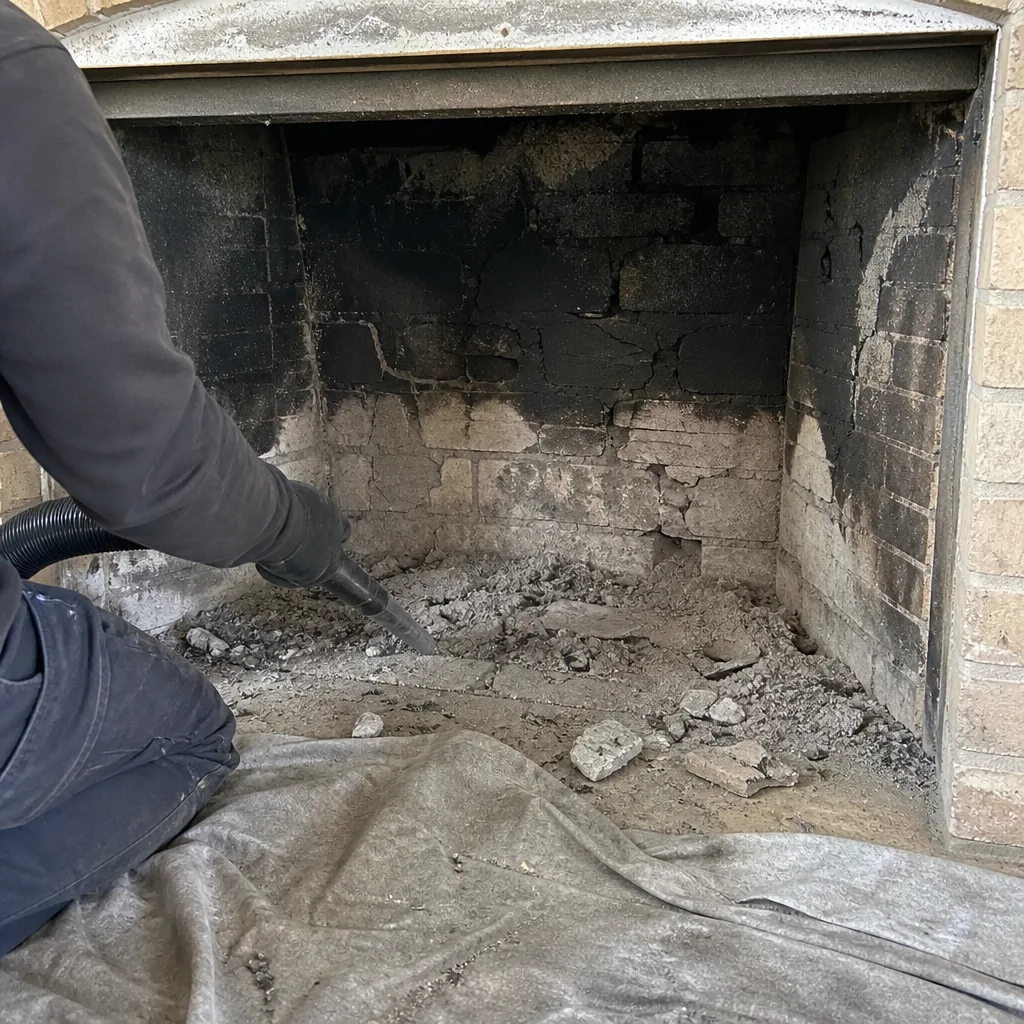 Before
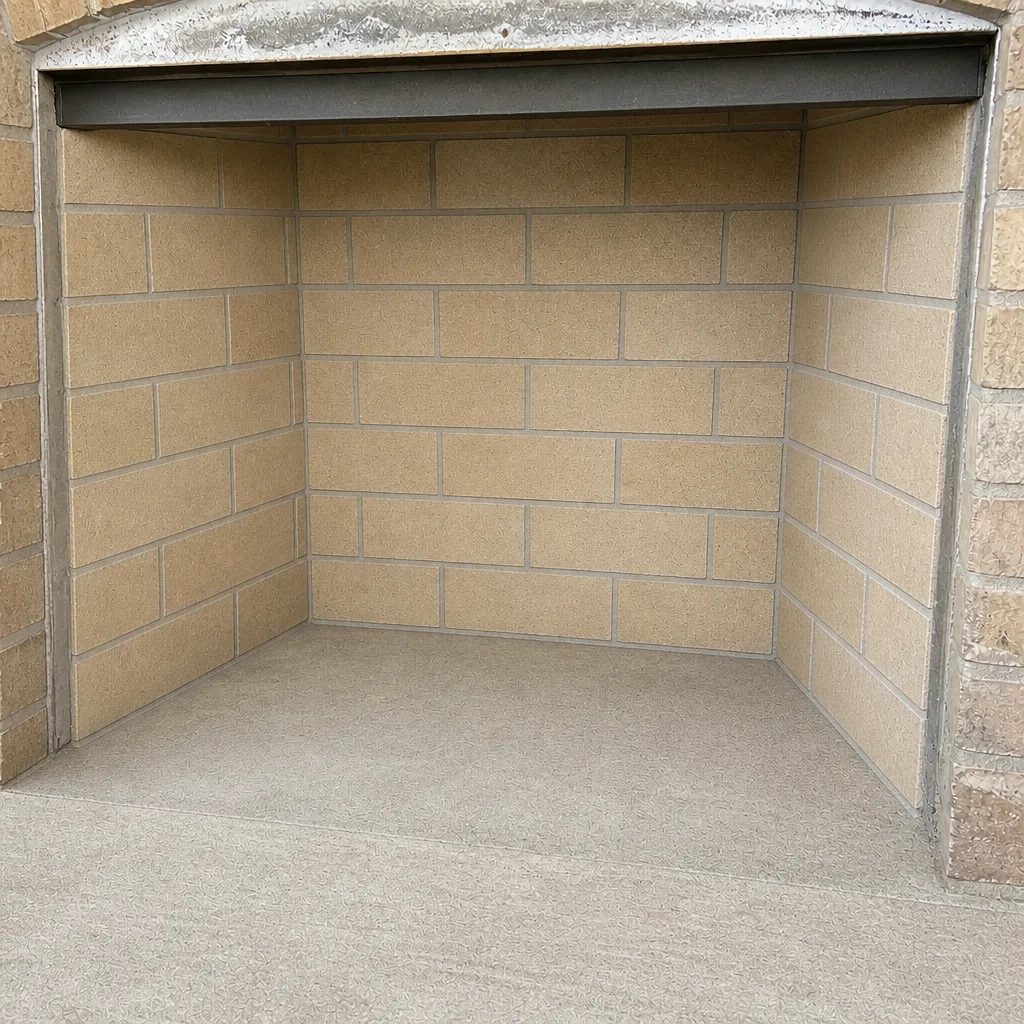 After
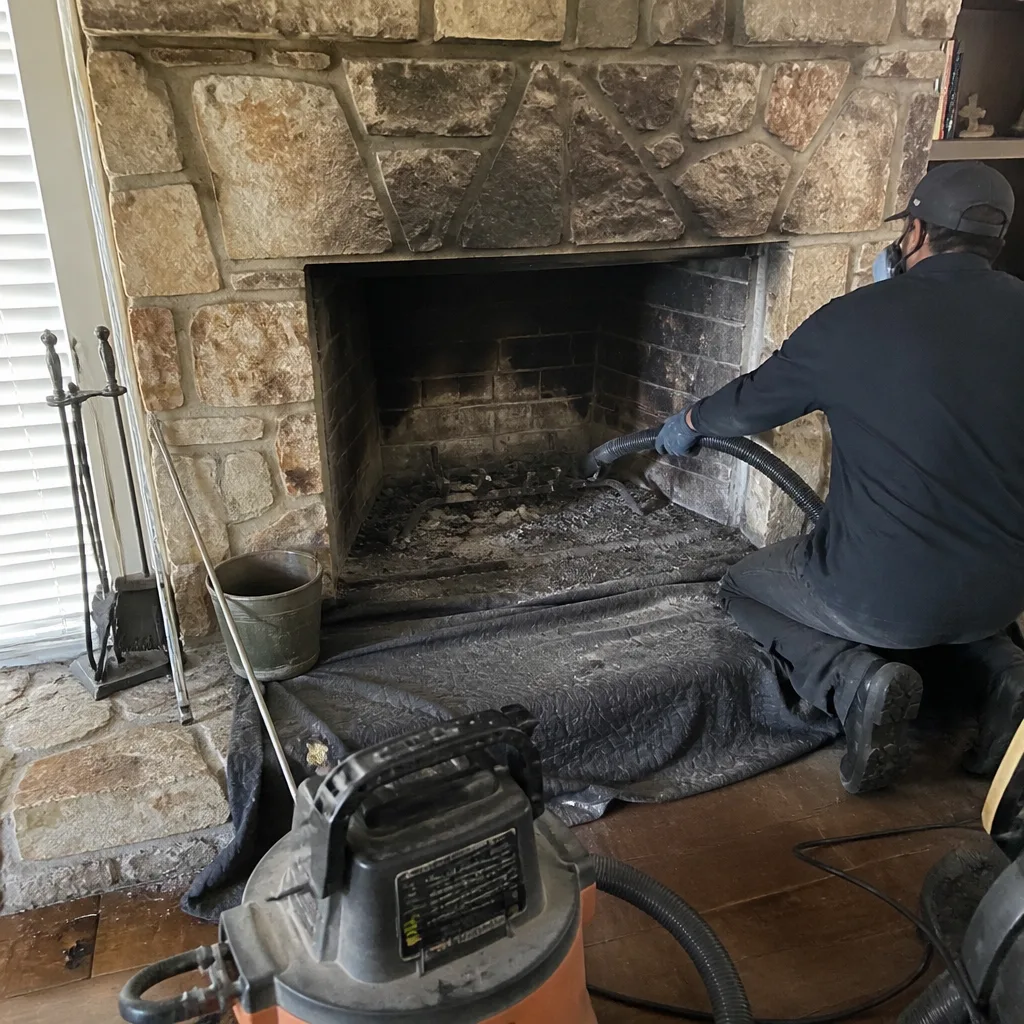 Before
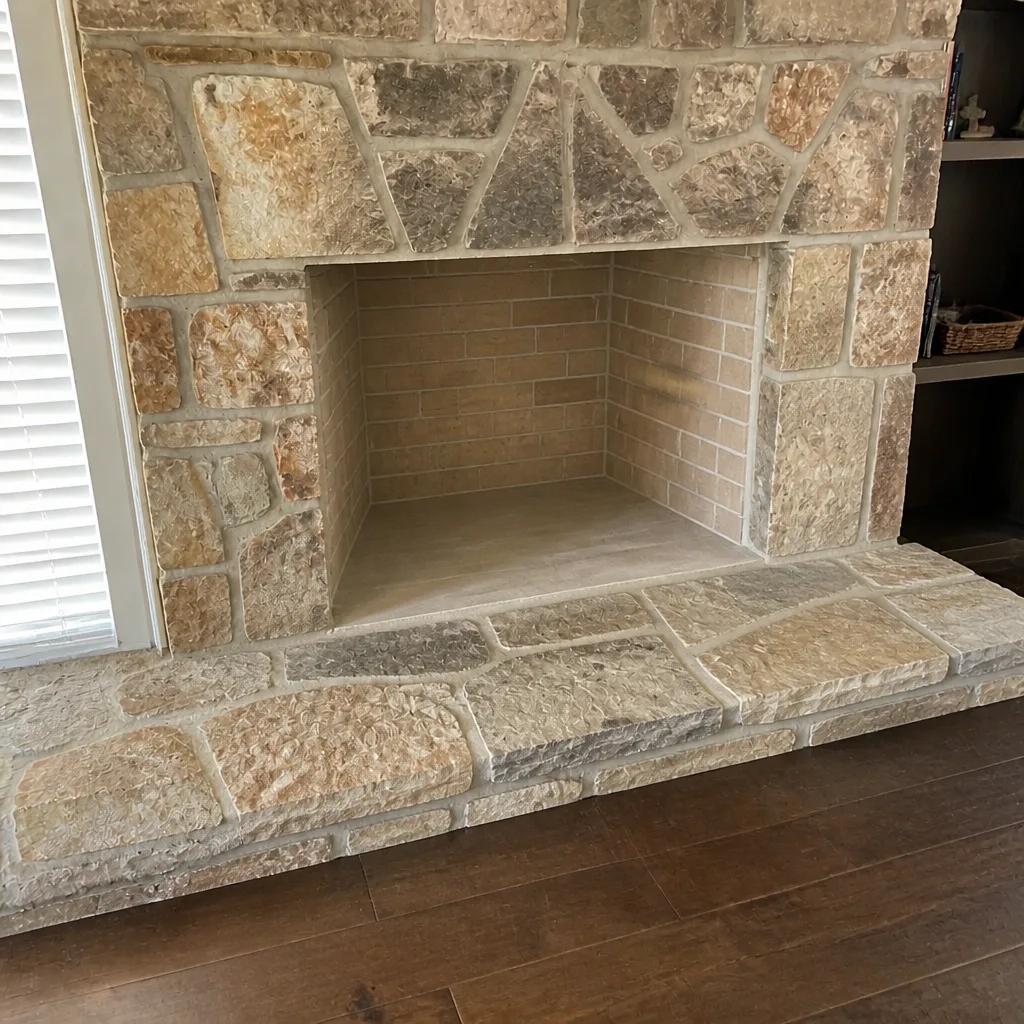 After
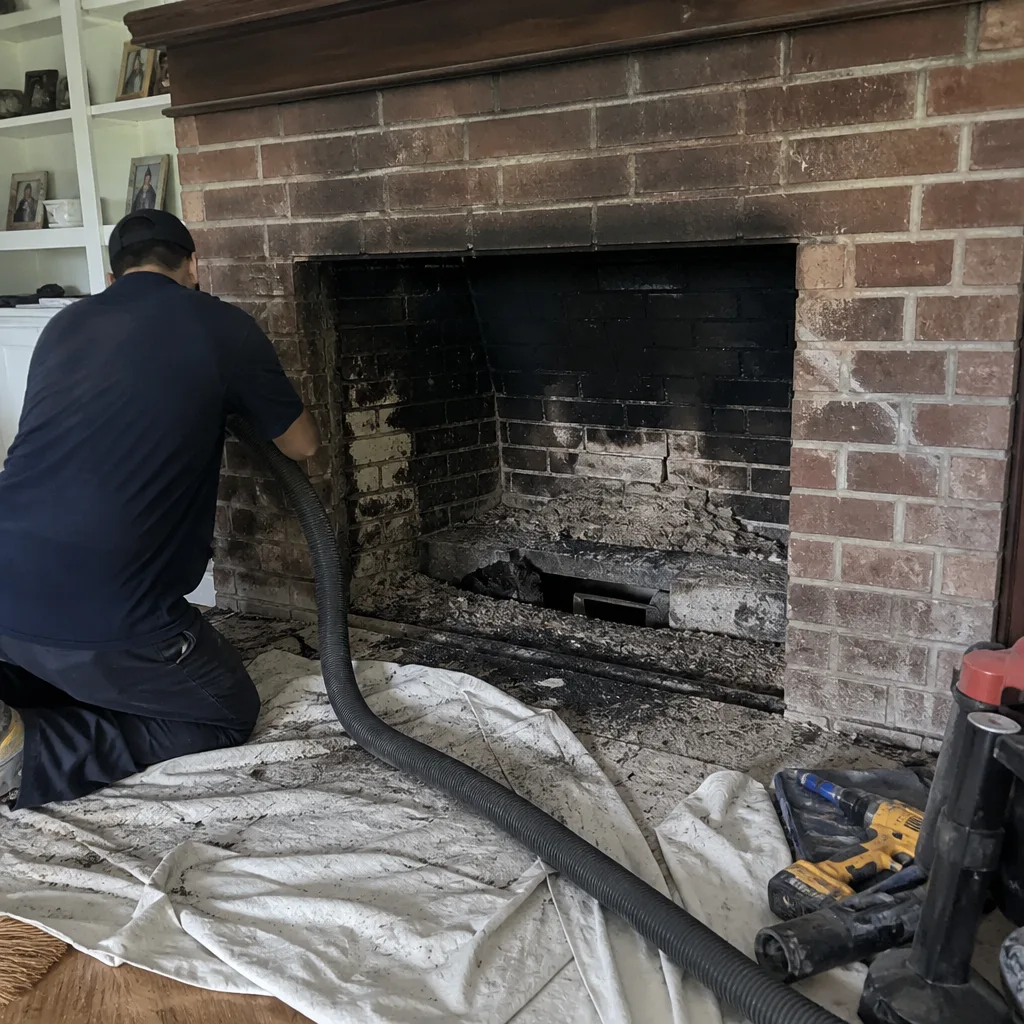 Before
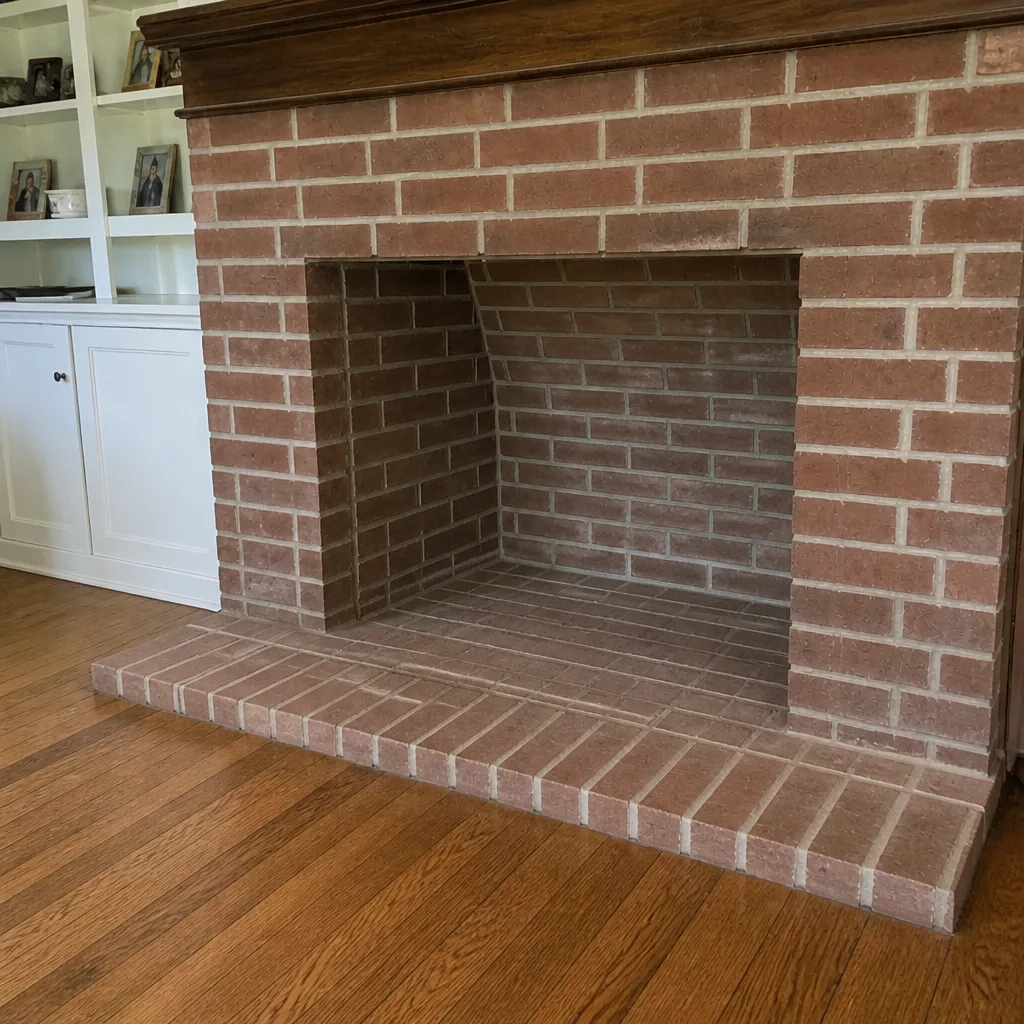 After
Frequently Asked Questions
A standard chimney sweep in Sugar Land typically runs in the low-to-mid hundreds, with the exact figure set by the written estimate after we see the flue. Repairs like a cap replacement or HeatShield resurfacing run higher, and a full reline is a larger project. Every quote is free, and the written estimate locks the price before work starts. Call (866) 809-2352 for an exact quote – estimates are free.
Not always. In our experience, many flues that get quoted for a full reline can be restored with HeatShield ceramic resurfacing, which repairs the existing liner without full replacement. The decision should come from a camera inspection you can see for yourself, not from a guess. If the liner is intact, we’ll tell you that and recommend nothing. Call (866) 809-2352 for an exact quote – estimates are free.
Once per season of use is the general rule for a wood-burning fireplace. In Sugar Land, where the season is shorter, many households get by with a sweep and inspection once a year, before the first fire. If you burn a lot of wood or use the fireplace frequently, an inspection mid-season is worth it. Call (866) 809-2352 for an exact quote – estimates are free.
The creosote buildup continues, and the risk of a chimney fire or carbon monoxide backup grows. In the mildest case, you’ll notice a smoky, slow-burning fire; in the worst, a flue fire. Skipping a season isn’t automatically dangerous, but skipping several without a look is how emergencies start. Call (866) 809-2352 for an exact quote – estimates are free.
We fix what we find. Crown repair, cap replacement, mortar repair, firebox repair, HeatShield resurfacing, and DuraFlex liner installation are all handled by our technicians. That means a finding from an inspection doesn’t get passed to a second contractor. Call (866) 809-2352 for an exact quote – estimates are free.
Yes. Lint is flammable, and a blocked vent traps heat that can ignite the lint. Dryer vent cleaning reduces that risk and takes one visit when it’s bundled with a chimney sweep. Call (866) 809-2352 for an exact quote – estimates are free.
The Bottom Line
Chimney emergencies in Sugar Land usually begin with something quiet: a storm-damaged cap, a cracked crown, a slow creosote buildup, a partially blocked flue that leaks carbon monoxide into the room. Recognizing the pre-emergency is the whole game. Check the cap and flashing after every major storm, get the flue swept and inspected before the first fire of the season, and know the difference between a chimney fire in progress (call 911) and a creosote smell you can book a sweep for. Handle the dryer vent on the same visit. When something looks wrong, call and get a free estimate: the written estimate sets the price, and we can usually fix what we find on the same project. If you’re in the middle of a Sugar Land storm season and want a professional look at the top of your chimney, we’re ready.
Call (866) 809-2352 for a free estimate. We answer 24/7. Fast dispatch from 7am to 7pm, Sunday through Friday. Our team serves homeowners throughout Sugar Land and the surrounding area, and we’re here to help you prepare before the next emergency, not after it. Our technicians have up to 9 years of experience, and we’ll always show you what we find on camera before recommending any repair. If the flue is fine, we’ll tell you so.
Written by the team at Sugar Land Chimney Cleaning.