
Last updated November 15, 2026
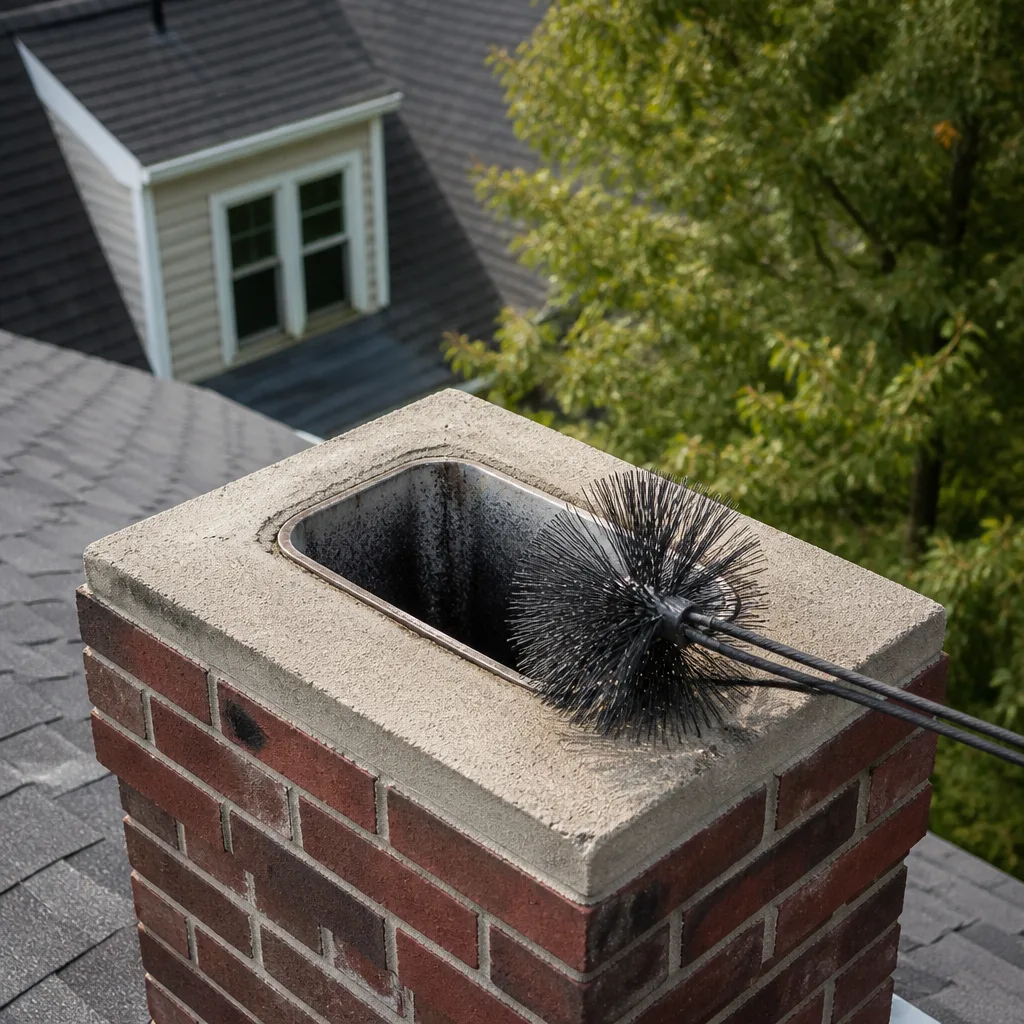 Sweep & inspection
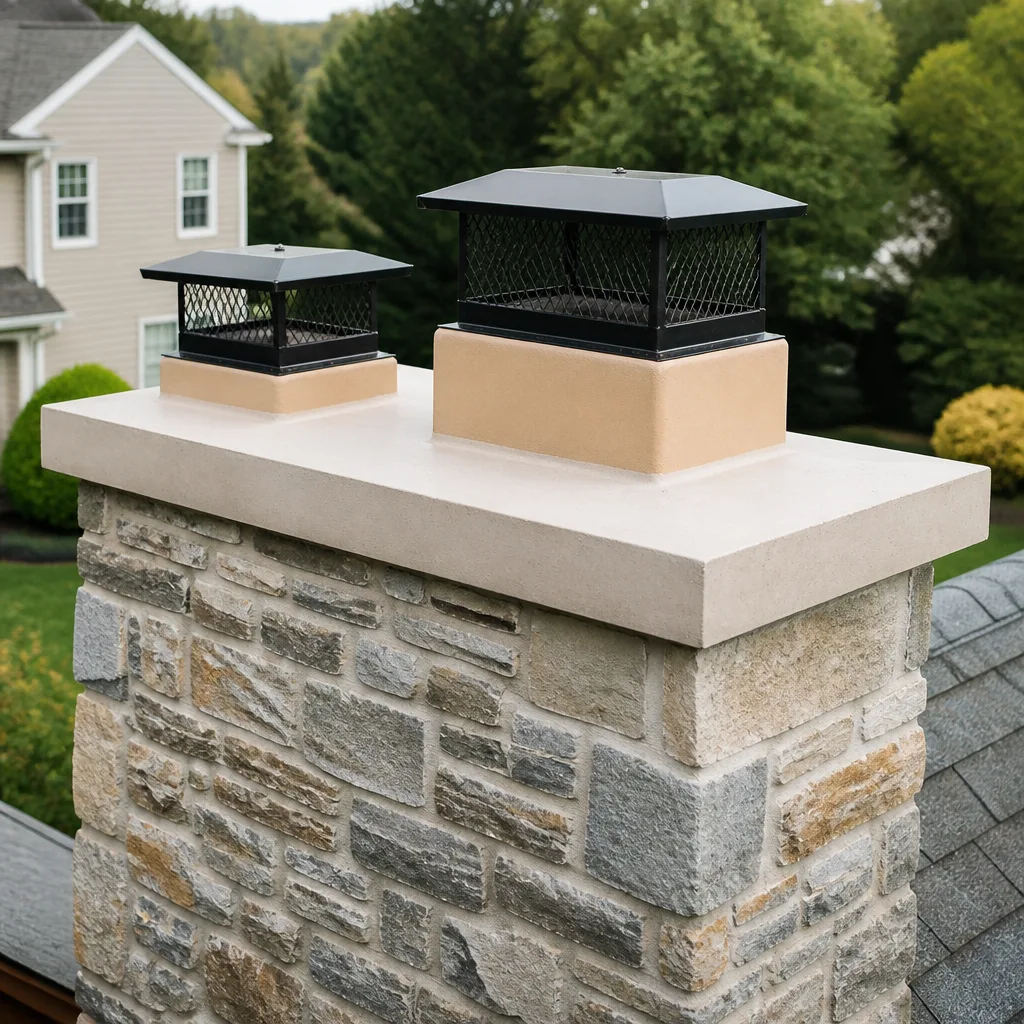 Caps & crowns
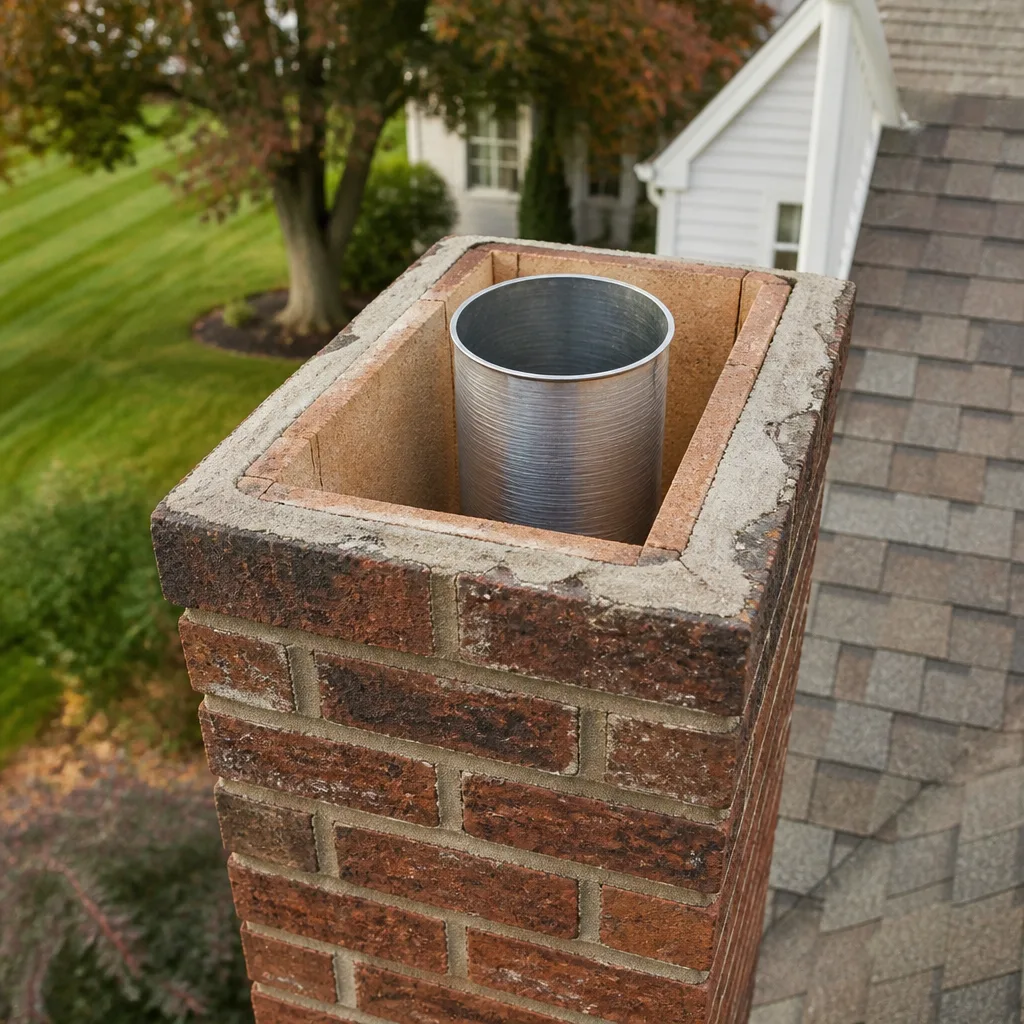 Flue relining
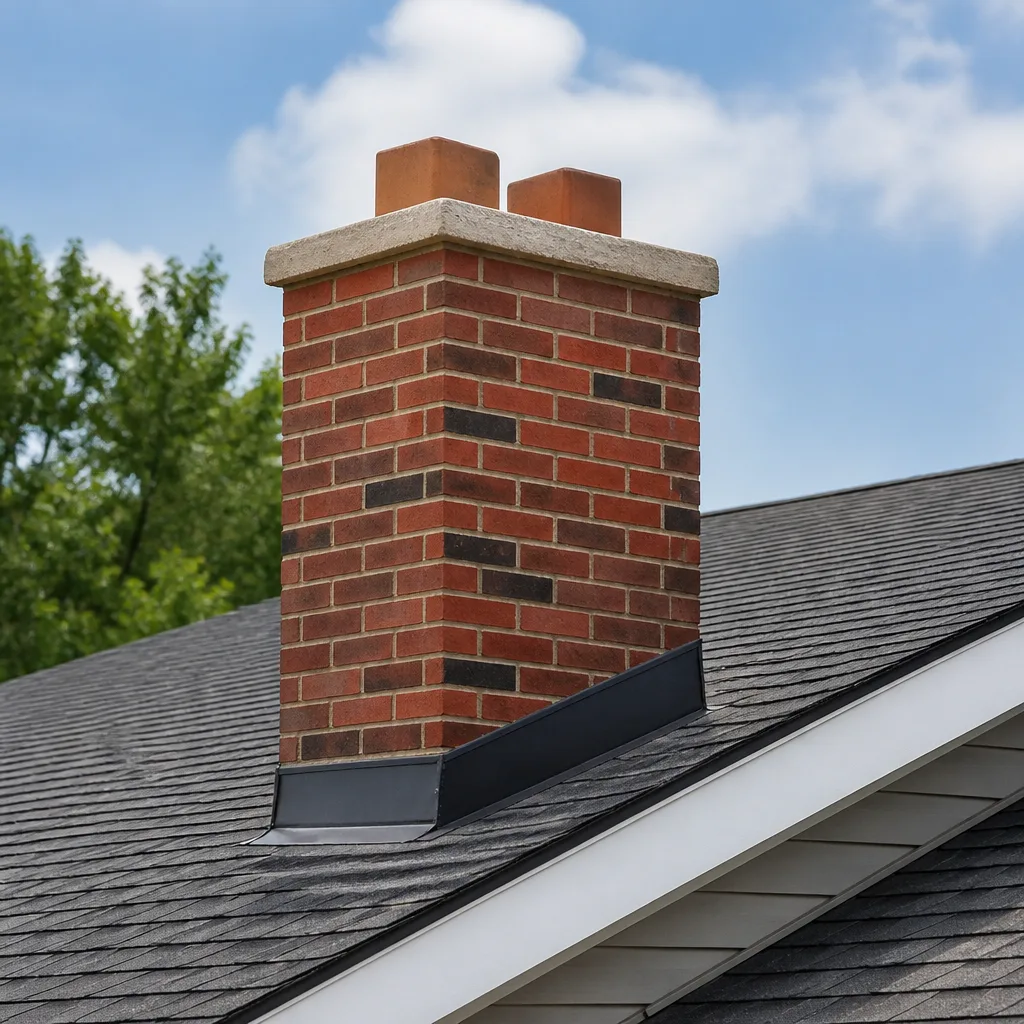 Masonry repair
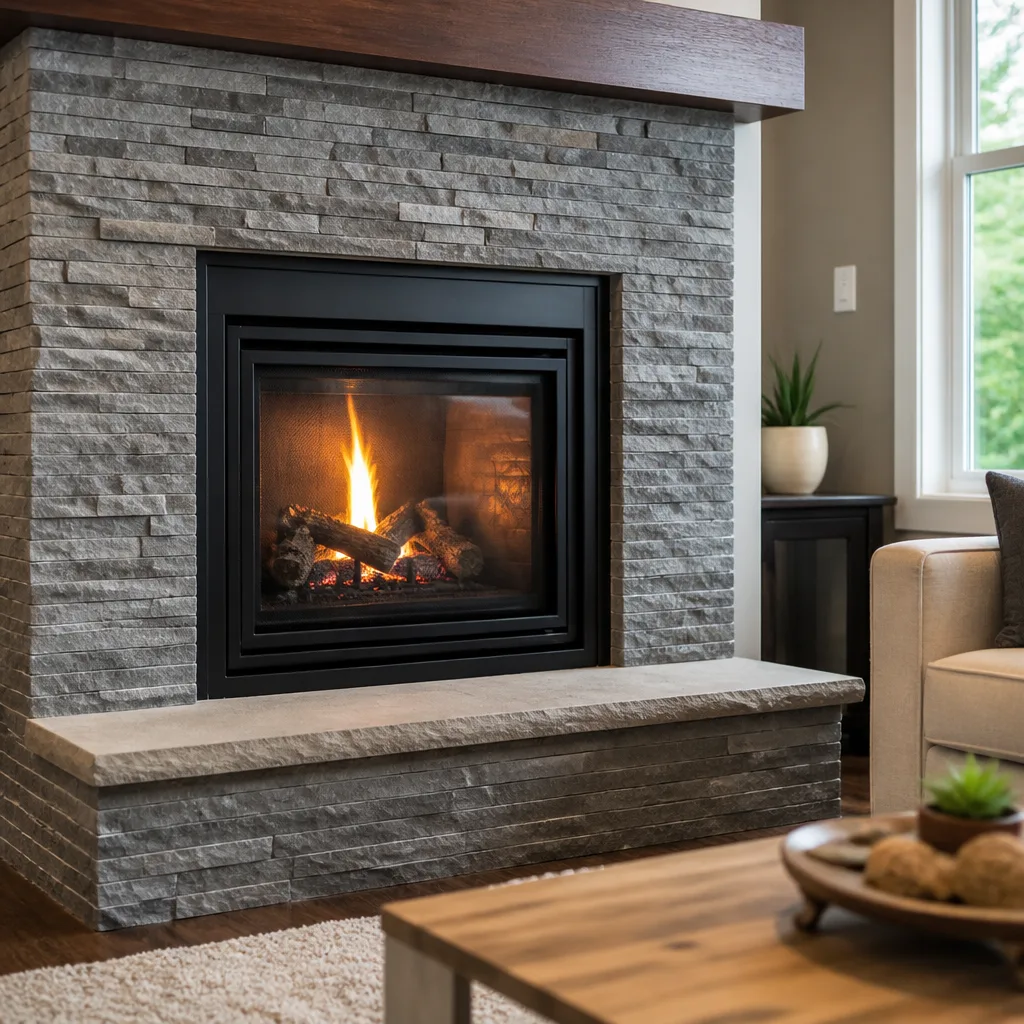 Gas fireplace service
Level 1 sweep and inspection to the NFPA 211 annual standard - flue, crown, cap, and flashing checked and photographed
Chimney sweep logs do not sweep chimneys. They loosen some creosote - which then falls where a brush and vacuum still have to collect it.
DIY vs Professional Chimney Cleaning: The Sugar Land Homeowner’s Decision Guide
The brush and rod kits you can buy online will remove light soot deposits. That part is true, and we won’t pretend otherwise. What a rod kit won’t tell you is whether your flue tile is cracked, whether your liner has an offset the brush skipped past, or whether your cap is quietly directing rainwater into your crown. That gap between cleaning and understanding is where the whole debate actually lives. In this guide, we’ll walk through which chimney tasks a Sugar Land homeowner can realistically handle, which ones need professional eyes and equipment, and how to use DIY upkeep to stretch the time between professional visits without trading away safety.
Quick Answer
Light firebox cleanup, ash removal, and a visual check of the cap and damper are reasonable DIY maintenance tasks for most homeowners. Full flue cleaning, liner inspection, and any evaluation of cracks, offsets, or water damage should be handled by a professional with rotary equipment and camera inspection. In Sugar Land’s humid, storm-prone climate, that professional inspection matters more than in drier parts of the country because moisture damage to masonry and liners rarely shows visible symptoms from the ground.
Styles & brands we work with
- Sweep & inspection
- Caps & crowns
- Flue relining
- Masonry repair
- Gas fireplace service
Table of Contents
- Why DIY Cleaning Is Both Overrated and Underrated
- The Honest Task-by-Task Breakdown
- What Professional Chimney Equipment Actually Consists Of
- When DIY Cleaning Carries Real Risk
- Why Sugar Land’s Humidity and Storm Season Change the Equation
- How to Use DIY Strategically Between Professional Visits
- How to Tell Whether You Actually Need a Sweep
- Common Mistakes to Avoid
- When to Call a Professional
- Frequently Asked Questions
- The Bottom Line
Why DIY Cleaning Is Both Overrated and Underrated
The chimney cleaning debate tends to split into two camps, and both get it partly wrong. One camp treats every chimney task as professional-only, which pushes homeowners away from simple tasks they could genuinely handle. The other camp treats a rod-and-brush kit as a full chimney service, which misses the entire point of what a professional inspection delivers.
Here’s the distinction that actually matters. A consumer rod kit cleans the accessible parts of the flue. It doesn’t diagnose. A professional sweep in Sugar Land cleans the flue and simultaneously inspects the entire system: the firebox, the damper, the smoke chamber, the flue liner, the cap, the crown, and the exterior masonry. Those two activities produce completely different information for the homeowner.
That means the question “should I DIY my chimney cleaning” has a more precise answer than most guides give. It depends on what you’re actually trying to accomplish.
If you’re trying to remove light soot between fuel loads, a brush kit works fine. If you’re trying to know whether your chimney is safe to use this winter, a brush kit tells you nothing about that. That’s the crux of it, and it applies whether you live in Sugar Land or anywhere else.
What homeowners often assume
- That a clean-looking firebox means the flue is clean (the flue is where creosote accumulates, not the firebox).
- That a rod kit reaches the same surfaces as a rotary sweep (it doesn’t reach offset flues or irregular masonry).
- That a visual peek up the flue equals an inspection (without camera access, most of the flue interior is invisible).
- That chimney maintenance is mostly about fire prevention (it’s equally about water damage, liner integrity, and CO venting).
None of those assumptions are unreasonable. Most homeowners don’t deal with chimney internals day to day. But each one is worth correcting, because they’re the basis for most of the DIY decisions that end badly.
The Honest Task-by-Task Breakdown
Instead of arguing the general question, break the chimney down into individual tasks and evaluate each on its own. Some genuinely belong in a homeowner’s hands. Others don’t, regardless of how handy you are.
- Firebox sweepout and ash removal. DIY appropriate. A stiff brush and a shop vacuum handle this well. Empty the firebox when it’s cool, bag the ash, and don’t let it sit through a humid week in Sugar Land where it can turn into a damp, corroding layer against the firebox metal.
- Damper check. DIY appropriate. Open and close the damper and confirm it moves freely without warping or visible rust-through. If it binds or won’t seat, that’s a professional call.
- Cap visual inspection. DIY appropriate from the ground with binoculars or from a stable ladder at the roofline. Look for missing mesh, tilted caps, or debris buildup. Do not climb onto a steep roof yourself.
- Flue cleaning above the firebox. Professional territory. Even a flexible rod kit can damage soft clay tile if used aggressively, and it can skip past offsets in the flue that most Sugar Land homes built in the 1980s and 1990s have.
- Creosote stage assessment. Professional territory. Distinguishing stage one (light soot) from stage two (flaky) from stage three (glazed) creosote requires seeing the full flue, and stage three needs chemical treatment, not a brush.
- Liner inspection. Professional territory. Cracks and gaps in flue tile or a stainless liner aren’t visible with a flashlight from the firebox, and they’re what matters most for carbon monoxide safety.
- Crown and flashing evaluation. Professional territory. Water intrusion at the crown is the leading cause of masonry chimney failure, and it’s nearly invisible from the ground.
- Smoke chamber and smoke shelf. Professional territory. This is the transition zone above the damper where creosote collects heavily and most DIY kits never reach.
- Exterior chase and siding inspection. Professional territory above roof height. Visible from the ground gets you partway, but a chase cover leak or a hidden masonry crack rhymes directly with water damage below.
- Dryer vent cleaning. DIY-possible with a short vent, professional recommended for any vent that runs longer than a few feet or has bends. Lint accumulation in a long horizontal run is one of the leading residential fire hazards in this part of Texas.
If you read that list carefully, you’ll see that four of the ten tasks are DIY-friendly, and all four are quick visual or cleanup tasks. The other six are the ones that actually keep the chimney safe. That’s the honest split.
What Professional Chimney Equipment Actually Consists Of
A rod-and-brush kit is one tool. A professional sweep uses a system. Understanding the difference explains why professional cleaning produces different information than DIY cleaning, even on the same chimney.
- Rotary chimney systems. Instead of a fixed brush on a rod, a rotary system spins a whipping brush head driven by a power drill or purpose-built motor. The spinning action flexes through offsets, scrubs glazed creosote, and reaches corners a straight push-pull brush slides past.
- Camera inspection equipment. A chimney camera on a flexible wand runs the length of the flue and shows the technician (and you) the actual interior condition, tile by tile. Cracks, gaps, offset joints, and liner defects show up clearly. Consumer kits provide none of this.
- HEPA-filtered industrial vacuums. A shop vacuum will pull some soot but the fine particulates overwhelm most consumer filters. Industrial HEPA units contain the dust so it doesn’t drift through the house. In a Sugar Land home with the AC running, that difference matters for indoor air quality.
- Chemical creosote removers. Stage three glazed creosote doesn’t respond to a brush alone. Professional sweeps use targeted chemical treatments to break it down before removal, which is a step no consumer kit addresses.
- Masonry repair materials and liners. When inspection turns up a cracked crown, missing mortar joint, or damaged flue tile, professional sweeps can diagnose and address it with professional-grade materials. This is where products like HeatShield ceramic resurfacing come in, restoring a damaged flue without the cost of a full liner replacement when the damage is moderate.
The camera is the piece that changes the conversation the most. When you see the inside of your own flue on the technician’s monitor, the decision about what needs fixing stops being a sales pitch and becomes a documented finding. That’s why we include a camera inspection and photo report on every visit: you see what we see, and you keep the record.
When DIY Cleaning Carries Real Risk
Most DIY chimney cleaning isn’t dangerous. It’s just incomplete. But there are specific situations where it crosses from incomplete to risky, and those situations aren’t always obvious from the firebox.
The first risk is tool breakage inside the flue. A consumer rod kit is thin and flexible. If it snaps mid-flue or wedges into a flue tile seam, extracting it usually requires disassembling part of the chimney or calling a professional anyway. The second risk is soft clay tile damage: older Sugar Land chimneys often have clay tile flue liners, and aggressive rod work can crack them, which is far worse than leaving the soot.
The third risk, and the biggest, is that DIY cleaning creates a false sense of safety. If you brush the flue and the fire burns clean, you may assume the chimney is fine for another season. But the actual risk factors (cracked flue tile, a degraded cap, a weakened crown that will let in the next Sugar Land downpour, a glazed creosote layer) remain exactly as they were. Cleaning without inspection is cleaning blind.
Safety note
If you ever smell a sulfur or rotten-egg odor, notice soot stains around the firebox, or your carbon monoxide alarm sounds, stop using the fireplace and call a professional. Do not try to diagnose any of those symptoms with a rod kit. Those are flue integrity and venting issues, and they need trained eyes on the actual liner, not a homeowner with a brush.
Where DIY is genuinely fine
To keep this balanced: DIY maintenance between professional visits is a reasonable practice, and we’d rather you do it than nothing. Ash removal, a damper check before the first fire of the season, and a binocular pass over the cap and roofline after a big storm each take ten minutes and catch real problems early. They extend the interval between professional sweeps and they give you a clearer picture of what to mention when you do book one.
Why Sugar Land’s Humidity and Storm Season Change the Equation
Chimney advice written for a dry western climate doesn’t fully apply to Sugar Land, and this is where local knowledge earns its keep. Our humidity runs high for most of the year, our storm season brings wind-driven rain at an angle, and our freeze events (even the mild ones) are hard on masonry because brick and mortar hold moisture.
Three things follow from that, and none of them are visible with a consumer rod kit.
- Crown cracking accelerates here. A crown is a concrete or mortar cap on top of the chimney designed to shed water. In Sugar Land’s humidity, small hairline cracks grow faster than in dry climates because the masonry is wetter for longer. Once the crown cracks, water enters the masonry below and, over time, degrades the mortar joints and the flue tile.
- Caps fail quietly in wind. A storm-damaged cap lets water and animals into the flue. From the ground this looks fine. From a camera looking up the flue, it’s obvious.
- Liner damage is harder to notice. Humid air and repeated wet-dry cycles at chimney joints accelerate corrosion in older stainless liners and soften older clay tile. Neither shows any symptom from inside the firebox until it’s already a venting problem.
That’s the practical difference for a Sugar Land homeowner: the exterior inspection and the liner camera are more valuable here than they would be in a drier climate because our weather actively attacks the components that DIY cleaning doesn’t inspect. If you want a reason why we bring a camera to every sweep, that’s it.
The nearby areas around Sugar Land see the same pressure. If you’re on the west side near First Colony or toward Riverstone, the pattern is identical: house settles, water finds the crown, and the chimney’s been trying to tell you for two seasons.
How to Use DIY Strategically Between Professional Visits
Here’s where the DIY-versus-professional question stops being binary and starts being a schedule. Professional chimney sweeps aren’t cheap, and no homeowner should feel obligated to book one more often than their burning habits justify. DIY upkeep extends the interval safely if you do it in the right order and stop where the professional’s job begins.
Here’s a simple annual routine for a Sugar Land homeowner who burns through the winter:
- Before the season (late September to October). Before your first fire of the year, empty the firebox, run the damper through a full open-close cycle, and do a binocular check of the cap and roofline. Note anything that looks off.
- During the season. Empty ash weekly while the firebox is cold. Don’t let it sit in the firebox between burns; in Sugar Land’s humidity it turns into a corrosive paste against the firebox metal.
- After a major storm. Do a quick ground-level look at the cap, crown, and roof flashing. If anything has visibly shifted, don’t wait for your bookmarked sweep date. Call and move it up.
- Schedule one professional sweep per year of active burning. If you burn two or three fires a week through the winter, one annual sweep is standard. If you burn daily in season, consider twice. If you burn three fires a year for ambience, the interval can stretch, and we’ll tell you honestly at the sweep that you don’t need to come back next year.
- Book the dryer vent alongside the chimney sweep. Both are ventilation fire hazards and both get worse with lint and creosote buildup over time. Handling them in one appointment is more practical than chasing two contractors.
That schedule covers the four DIY tasks where they belong and gets professional eyes on the six that matter at the right cadence. It reduces your annual spend without trading away inspection coverage. When we recommend the interval, we base it on the creosote stage we actually found and your burning habits, not on a fixed number we bill every year. If the chimney doesn’t need the sweep yet, we’ll tell you that too.
How to Tell Whether You Actually Need a Sweep
Most homeowners book a chimney sweep based on a hunch. Here are the specific indicators that should actually trigger a booking, and the ones that mean you can wait.
Book now if:
- You’ve burned more than a cord of wood since the last sweep, or you burn regularly and can’t remember the last sweep.
- Soot or dark staining appears at the top of the firebox or on the firebox masonry, which suggests draft problems and possible creosote buildup higher up.
- You smell smoke in the room with the damper open and the fire going, which points to a draft or blockage issue.
- Your carbon monoxide detector has triggered, or any fuel-burning appliance near the chimney has venting problems.
- It’s been two or more years since the last professional inspection, regardless of burning habits.
- A storm has visibly disturbed the cap, chase cover, or roof flashing.
You can likely wait if:
- You had a professional sweep last season and burned only a handful of fires since.
- The chimney is a decorative gas unit (this doesn’t eliminate inspection needs, but the creosote timeline is longer).
- Everything is dry, capped, and clean, and no live burning happened during the off-season.
If you’re not sure which column you fall into, a call resolves it quickly. We answer 24/7 at (866) 809-2352, and we can usually tell from a short conversation whether a sweep is worth booking.
When we do arrive for a chimney sweep in your part of Sugar Land, we sweep first and inspect second. If we find nothing that needs immediate attention, we’ll say so and recommend an interval. If we find something (a hairline crack in the crown, a loosened liner joint, an early-stage cap failure), we document it with photos so you can decide whether to address it now or plan it for the following season. That’s the whole point of the visit: know what’s actually going on in the flue.
Common Mistakes to Avoid
- Cleaning the firebox and calling it a chimney sweep. The firebox is where the fire sits; the flue is where the creosote collects. Brush-kit cleaning addresses the firebox and the lower flue but skips the smoke chamber and the long run above the damper, which is where most of the risk accumulates.
- Treating a light soot layer as proof of no creosote. Stage one creosote is powdery and harmless; stage three is glazed and flammable. You can’t tell them apart from inside the firebox. If you don’t know which stage you have, you don’t know whether to book a professional.
- Skipping the exterior inspection entirely. In Sugar Land’s humidity and storm pattern, the crown, cap, and flashing are where damage shows up fastest. A homeowner who cleans the flue but ignores the roofline is watching one side of the equation.
- Using a shop vacuum on chimney soot without HEPA filtration. Fine soot particulates pass through standard shop vac filters and end up distributed through the house. If you’re vacuuming ash out of the firebox, use a HEPA-rated unit or sweep it into a bag with a hand brush.
- Going up on a wet or steep roof to “check things personally.” The most common chimney-related injuries are falls, not fires. If the roof is wet (common after our afternoon storm pattern in Sugar Land), leave it. Binoculars from the yard or a camera-equipped professional are safer.
- Delaying a professional sweep because you “cleaned it yourself.” Self-cleaning extends the interval but doesn’t replace it. If it’s been two years since a camera went down the flue, that interval has expired regardless of how much you brushed in between.
- Ignoring the dryer vent because chimney cleaning already happened. The two systems share the same fire-risk category. If your chimney’s in good shape but your dryer vent has a long horizontal run, you’ve addressed half the ventilation hazards in the house. Combined service is the practical answer.
When to Call a Professional
Here’s the short version of when to hand the job to a trained technician: any time the task requires camera access, rotary equipment, chemical creosote removal, or roof access. Add to that list any situation where you can’t tell from the firebox what’s happening inside the flue, and any situation involving a masonry, liner, cap, or crown concern.
Practically speaking, that’s most situations that begin with the words “is my chimney safe?” DIY cleaning removes soot; it doesn’t answer that question. A professional sweep with a camera does.
Our technicians have up to 9 years of experience across hundreds of chimney systems, and the work covers chimney sweep, chimney repair, and dryer vent cleaning so a finding from the inspection can be addressed without bringing in a separate contractor. That matters most when the finding involves a liner (HeatShield resurfacing and DuraFlex flexible liners are the two paths we most often recommend) or a masonry repair (crown, cap, mortar).
Sugar Land Chimney Cleaning offers free estimates in Sugar Land. Call (866) 809-2352 and we’ll walk through the details before booking anything. Estimates are free, and if the chimney can safely wait another season, we’ll tell you.
Frequently Asked Questions
Typical residential chimney sweeps in the Sugar Land area run in the range most professionals quote for a standard single-flue sweep with inspection, and the written estimate sets the final price for your specific home. Homes with multiple flues, heavy creosote buildup, or a chimney that needs repair work first will price higher than a standard sweep. Call (866) 809-2352 for an exact quote. Estimates are free.
A new liner is only justified when the camera inspection shows specific damage: cracked or missing flue tile, a failed liner joint, or a size that’s wrong for the appliance. If you see the camera footage and the damage is there, the recommendation is legitimate. If the recommendation comes without camera evidence you can see for yourself, ask for the footage before agreeing. Moderate damage can sometimes be addressed with HeatShield ceramic resurfacing rather than a full reliner, which is a real cost difference. Call (866) 809-2352 to book an inspection with documentation you can review at your pace.
Most wood-burning chimneys need a sweep once a year during active burning season. That’s the baseline. Homes that burn daily in season may need a second sweep; homes that burn a handful of fires per year can often go two years between sweeps if the inspection shows nothing concerning. What matters more than the calendar is what the inspection finds: stage two or stage three creosote accumulation moves the schedule up regardless of how recently you swept. Call (866) 809-2352 if you’re unsure where you land.
The two main risks are chimney fires from creosote ignition and carbon monoxide exposure from a compromised flue. Neither announces itself in advance. Creosote builds up silently layer by layer, and flue tile cracks don’t produce symptoms until combustion gases start venting into the home or a fire finds the crack. Skipping a sweep doesn’t mean something will happen this winter; it means you’ve removed your ability to know. Call (866) 809-2352 for a sweep and inspection so you’re not guessing.
Yes, for the specific tasks that don’t require specialized tools: firebox ash removal, damper checks, and a binocular look at the cap and roofline from the ground. Where DIY crosses a line is any task that needs access to the full flue, the smoke chamber, or the exterior above roof height. In Sugar Land’s humid climate, the exterior inspection is where the earliest signs of damage appear, and that’s the one task a homeowner genuinely can’t do from the ground. Call (866) 809-2352 if you’d rather have the whole system looked at once.
Yes, and it’s the more practical way to handle both. Dryer vent cleaning addresses one of the leading causes of residential house fires, and lint buildup in a long horizontal run is easy to overlook until it’s a problem. Combining the two services gets both ventilation systems inspected and cleared in one visit. Call (866) 809-2352 to book them together and get a single estimate.
Don’t try to fix it yourself with mortar patching compound, and don’t ignore it either. A cracked crown lets water into the masonry below, and in Sugar Land’s humidity that water doesn’t dry out quickly, which accelerates the damage. Photograph what you see from a safe vantage point and call (866) 809-2352. Crown repair is a professional masonry task, and doing it right the first time costs less than repairing the water damage from a bad patch. Estimates are free.
The Bottom Line
DIY chimney cleaning and professional cleaning aren’t competing answers; they’re different tools for different jobs. The four tasks that belong in a homeowner’s hands are ash removal, damper checks, cap visual checks, and a post-storm roofline look. The six that don’t are the flue, the smoke chamber, the liner, the crown, the flashing, and the exterior chase. That split doesn’t change based on how handy you are. It changes based on what you can see and reach.
Sugar Land’s humidity makes the professional side of the equation more valuable than it would be in a drier climate, because the damage that shows up fastest here (crown cracks, cap failures, liner corrosion) is exactly the damage a rod kit can’t reveal. Use DIY maintenance to extend the interval. Use professional sweeps with camera inspection to know what you’re actually dealing with. Those two practices work together cleanly. Our technicians have up to 9 years of experience with the equipment and the local conditions that make the professional visit worth the booking, and we’ll tell you honestly when a sweep can safely wait.
Contact
If you’ve read this far and you’re still not sure whether your chimney needs a professional visit this season, the fastest way to resolve it is a phone call. Sugar Land Chimney Cleaning can schedule a sweep, camera inspection, dryer vent cleaning, or chimney repair as a single-service visit or combined, and we’ll give you a written estimate before any work begins. Nothing is recommended without camera evidence you can see for yourself. Call (866) 809-2352 for a free estimate. We answer 24/7. Fast dispatch from 7am to 7pm, Sunday through Friday.
You can also read more about our work across Sugar Land and the surrounding area, or start at the Sugar Land Chimney Cleaning home page to see the full scope of chimney, dryer vent, and repair services.
Written by the team at Sugar Land Chimney Cleaning.
See the difference
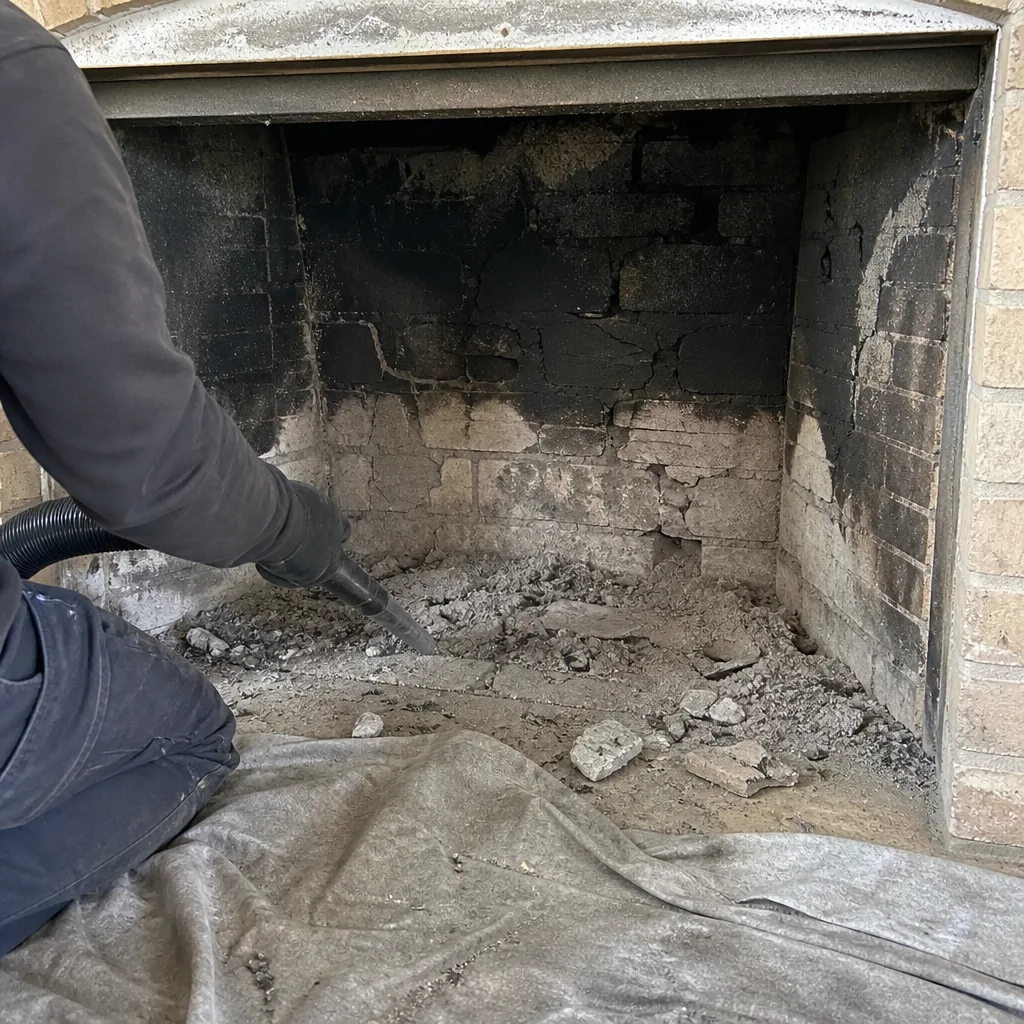 Before
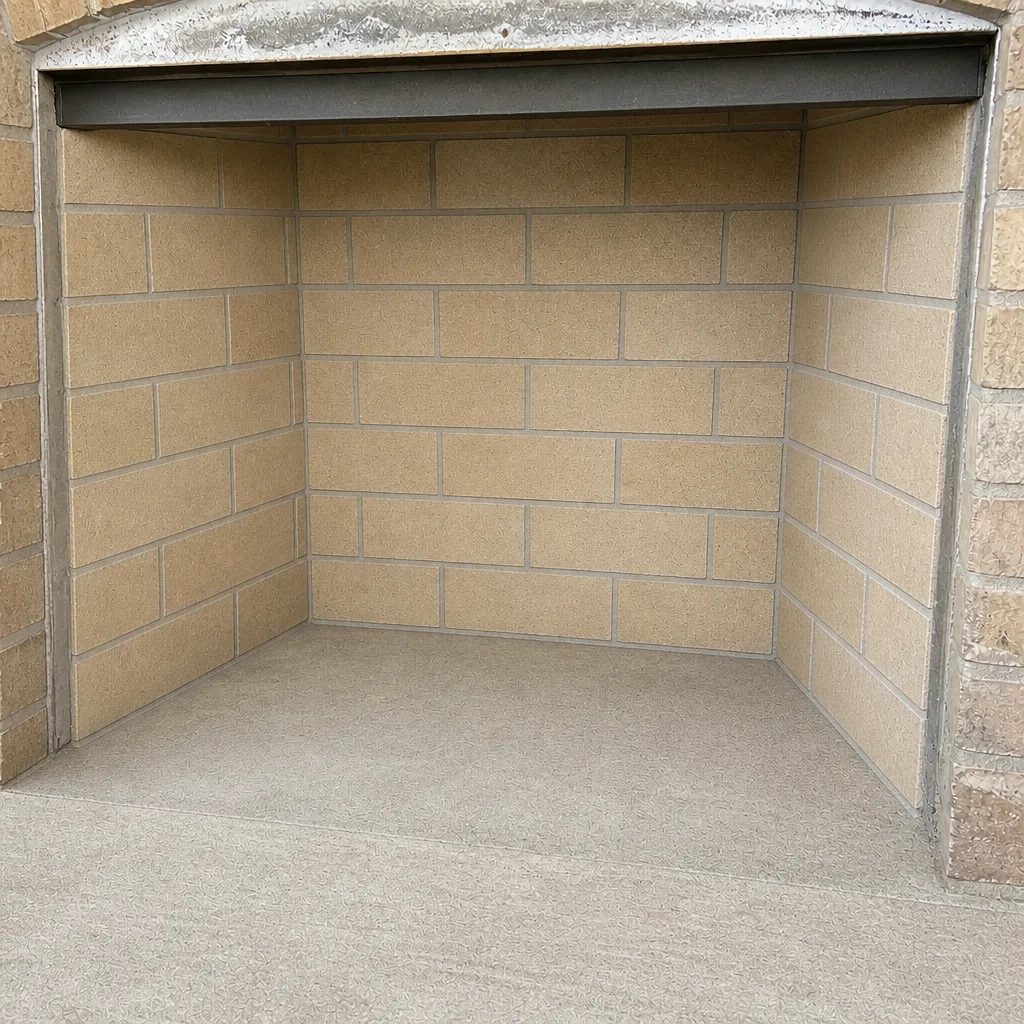 After
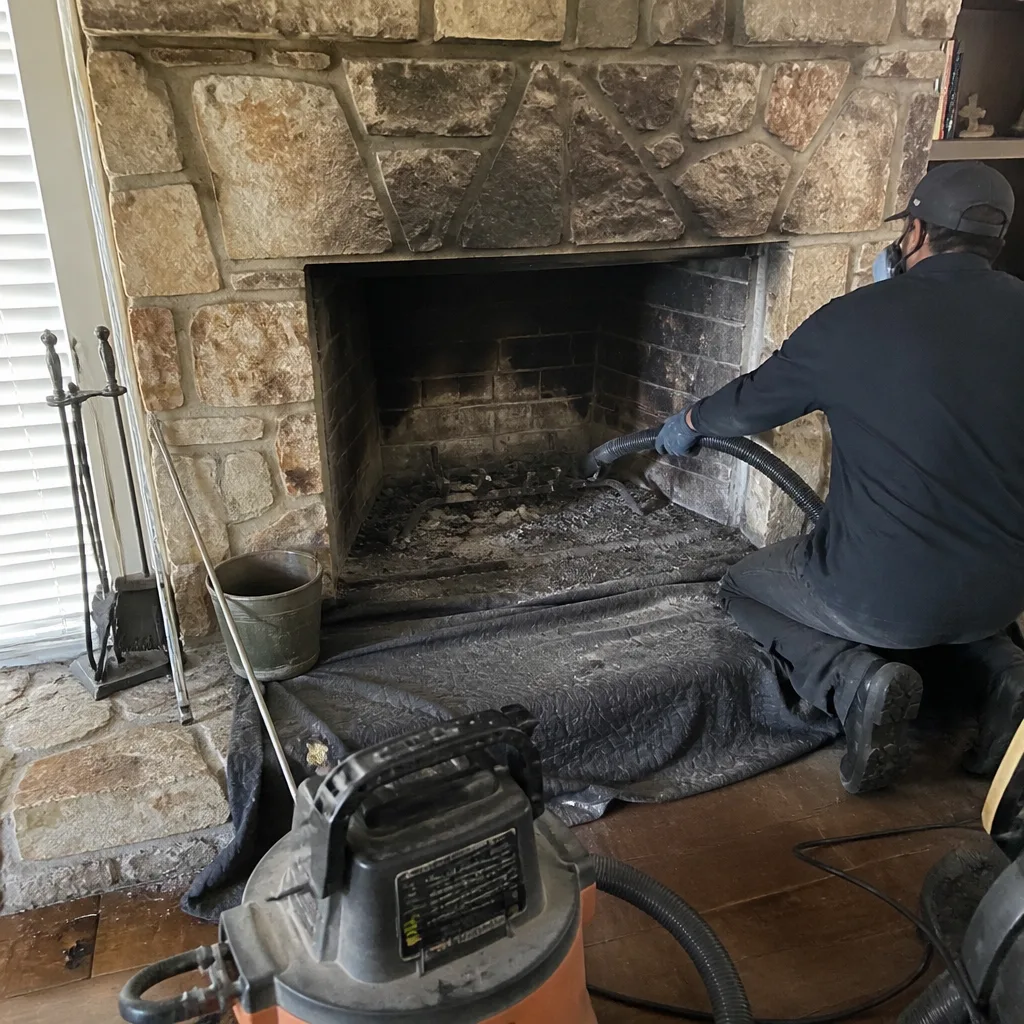 Before
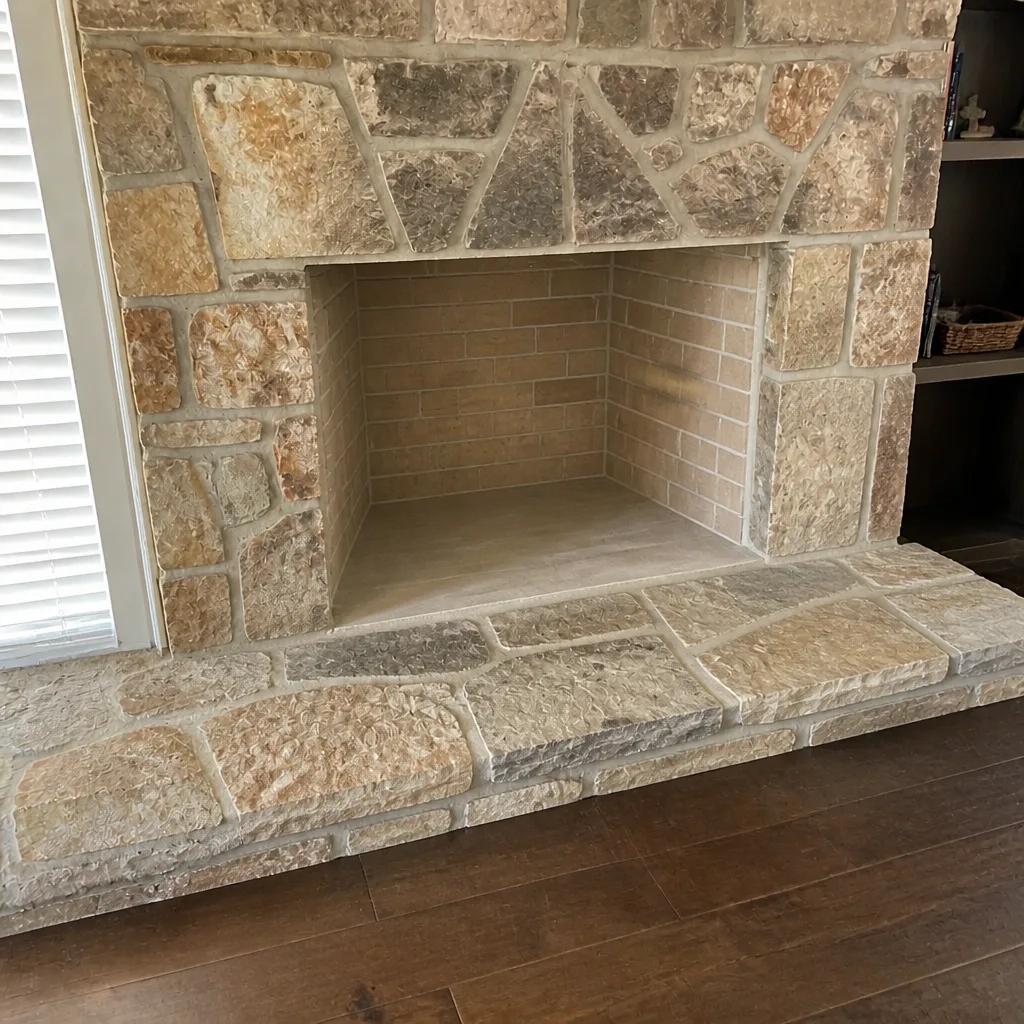 After
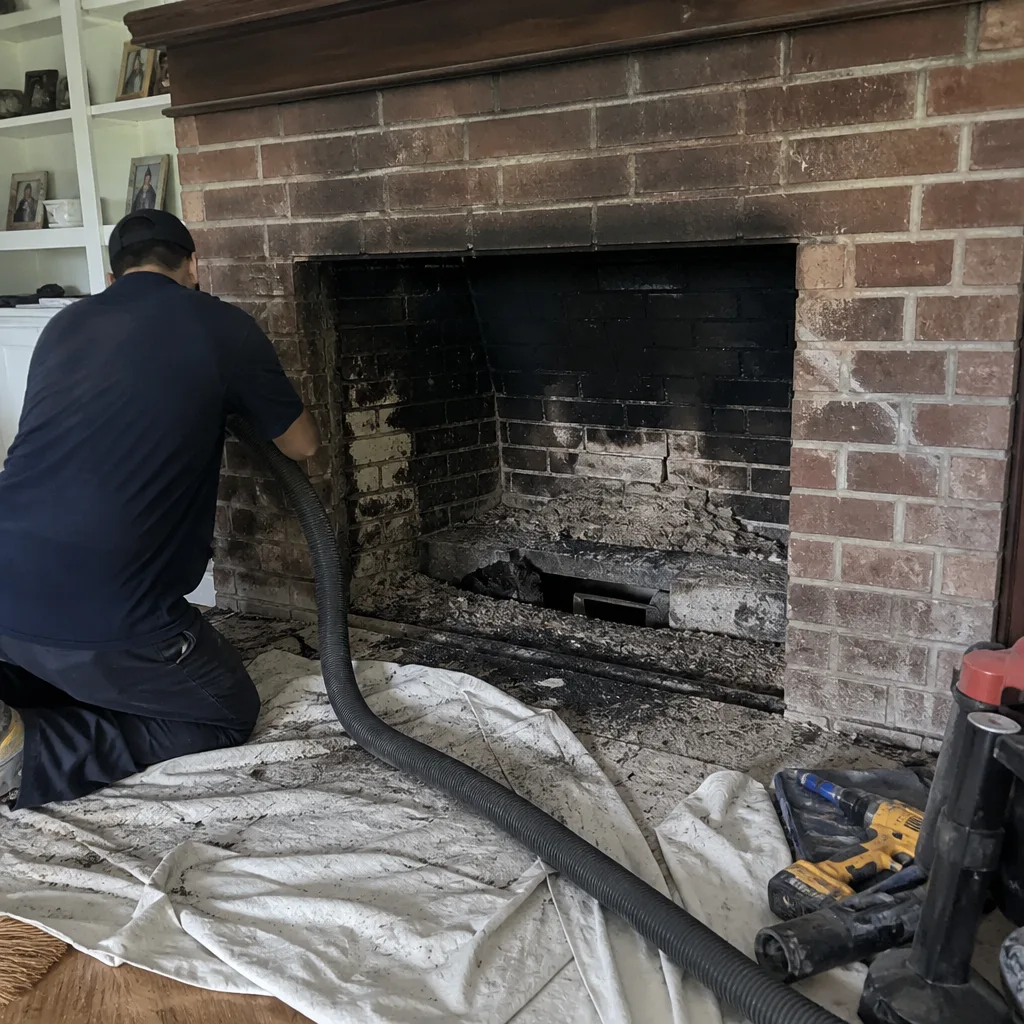 Before
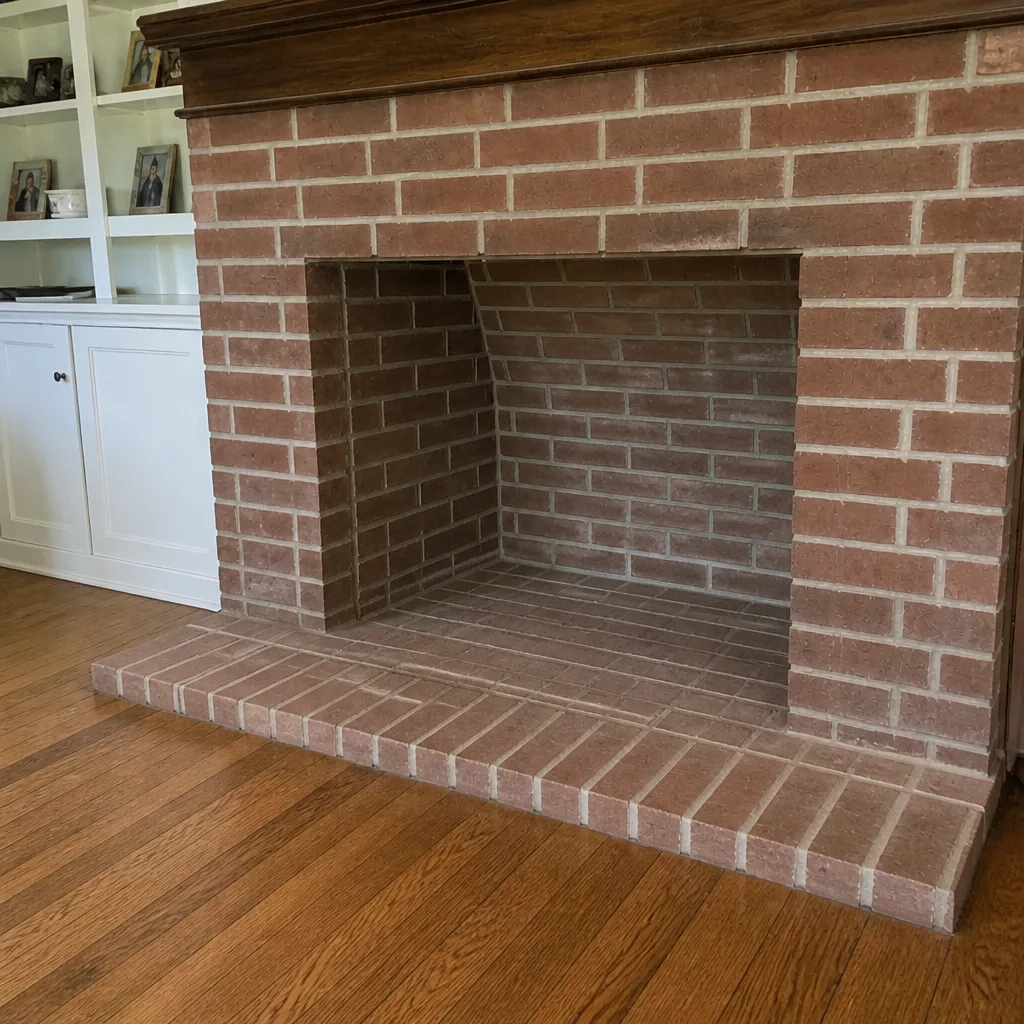 After