
Last updated November 15, 2026
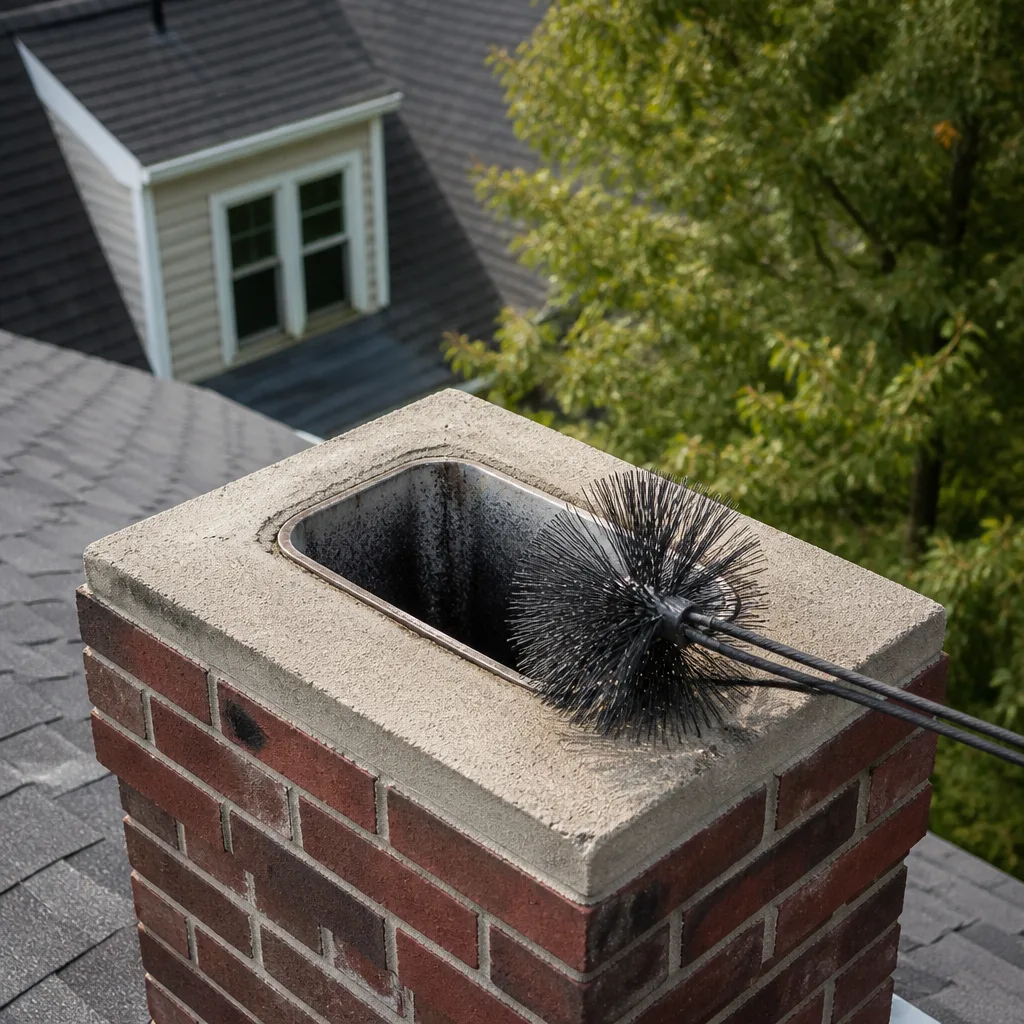 Sweep & inspection
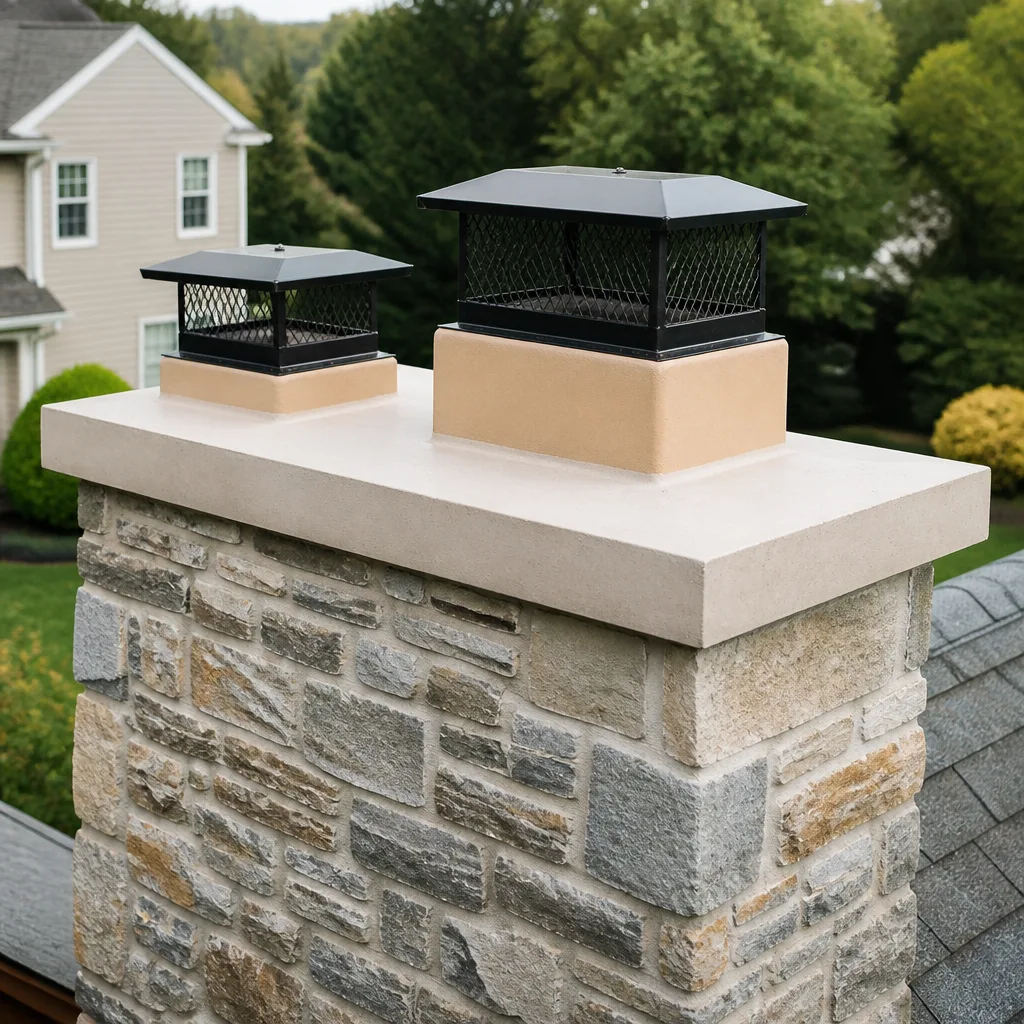 Caps & crowns
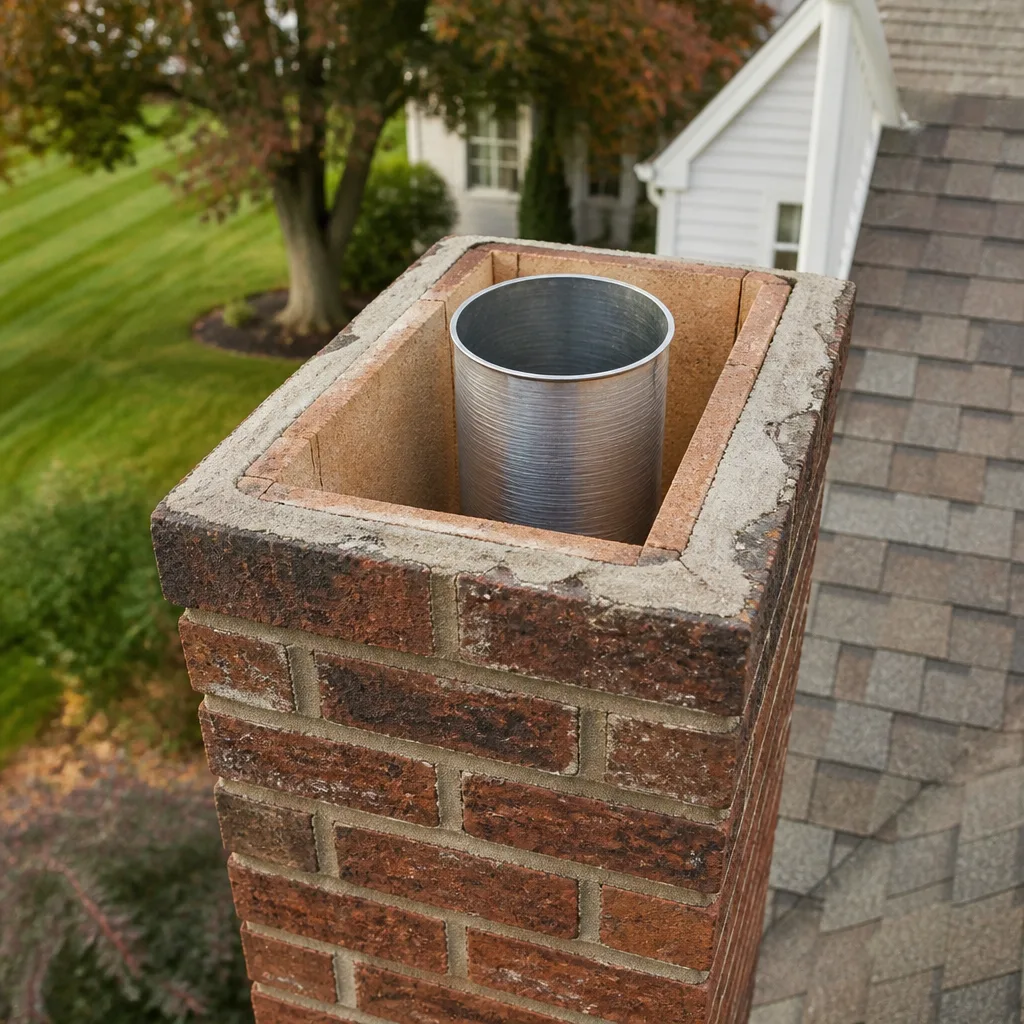 Flue relining
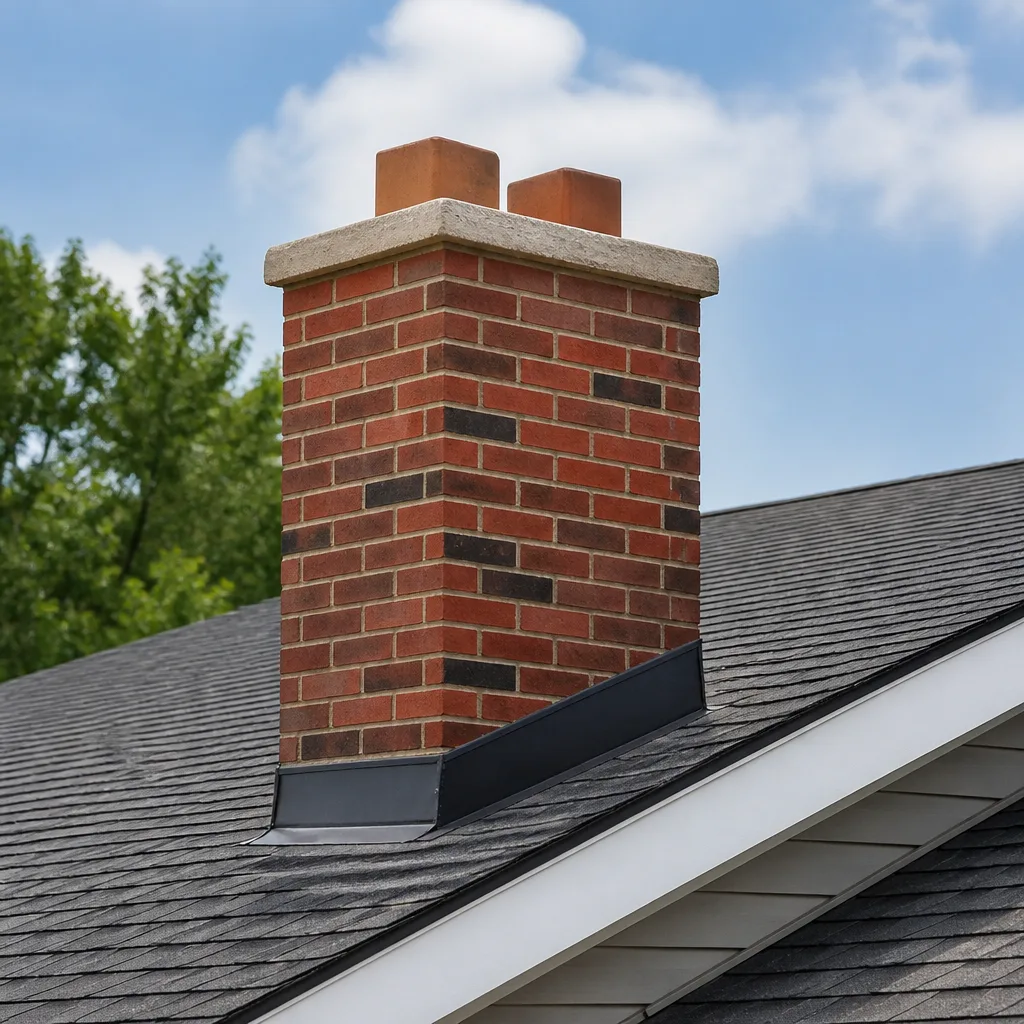 Masonry repair
 Gas fireplace service
Level 1 sweep and inspection to the NFPA 211 annual standard - flue, crown, cap, and flashing checked and photographed
Chimney sweep logs do not sweep chimneys. They loosen some creosote - which then falls where a brush and vacuum still have to collect it.
Seasonal Chimney Cleaning Care for Sugar Land: Year-Round Homeowner’s Guide
Most homeowners think about their chimney twice: once when they light the first fire and once when something smells wrong. That schedule leaves the chimney unwatched for the eight months when the real damage happens. The months your fireplace isn’t being used, roughly March through October in Sugar Land, are when the most preventable chimney damage actually occurs. Moisture works on mortar, heat builds inside the chase, and pests look for an open door. None of that announces itself. It quietly accumulates until the first cold snap, when you find out all at once. This guide walks through both halves of the year, the burn window and the dormancy period, and explains what to check, when to act, and what can safely wait.
Quick Answer
Year-round chimney care in Sugar Land means two separate routines: a post-season closing after your last fire to keep moisture and pests out, and a pre-season opening in October or November before the first burn. In between, Gulf Coast heat and humidity work on the chimney structure in ways cold-climate advice never addresses. A sweep and camera inspection once a year, plus a properly fitted rain cap, prevents most of the damage homeowners end up paying to repair later.
Styles & brands we work with
- Sweep & inspection
- Caps & crowns
- Flue relining
- Masonry repair
- Gas fireplace service
Table of Contents
- Why Sugar Land Has Two Chimney Seasons, Not Four
- What to Do After the Last Fire of the Season
- How Gulf Coast Heat Affects Chimney Components
- Chimney Swifts, Squirrels, and Wasps: What You Can and Can’t Do
- The October/November Startup Check
- Rain Caps and Damper Seals: The Off-Season Fix
- How Often Does a Sugar Land Chimney Really Need Sweeping?
- Don’t Forget the Other Vent in Your House
Why Sugar Land Has Two Chimney Seasons, Not Four
Most chimney advice on the internet was written for places with real winters. It assumes frost, snow load, and freeze-thaw cycles are the main threats to masonry. Sugar Land doesn’t work that way. We get a short, intense burn season from roughly December into February, then a long warm dormancy where the air stays humid and the attic gets brutally hot. The threat profile flips completely between those two phases.
During the burn window, the concerns are what you’d expect: creosote buildup, draft problems, and the need for clean flue gases to leave the house safely. Once you stop burning, the concern is entirely different. A dormant chimney is an empty vertical shaft on your roofline, exposed to rain, ambient humidity, and whatever wildlife wants to move in. That’s the period when small problems become expensive ones.
Thinking about the year in two phases changes what you do and when:
- Burn season (roughly December to February): Monitor draft, burn dry wood, watch for smoke spillage, and know the signs of excess creosote.
- Dormancy (roughly March through October): Keep water out, keep animals out, keep airflow moving, and use the quiet months to get repairs done.
There’s also a practical advantage to treating dormancy as repair season. Any structural work, liner replacement, or crown repair you need is easiest to schedule when you’re not trying to light a fire. If a chimney sweep in Sugar Land finds a cracked crown in February, you’re choosing between repair and fire. If it’s found in June, you have time to weigh the options and do the job properly.
Our technicians have up to 9 years of experience, and most of the repair calls we handle trace back to something that could have been caught in the off-season. A chimney that stays dry and pest-free through summer usually starts the winter ready to burn.
What to Do After the Last Fire of the Season
The single most useful thing you can do for your chimney is to close it down properly after the last fire. This takes an afternoon, costs little, and prevents the majority of off-season damage. Do it once you’re confident you won’t burn again until fall.
- Sweep before you close up. Have the flue cleaned after your last fire of the season, not before your first. Creosote and soot left sitting through a humid summer absorb moisture and turn corrosive. A clean flue sits dormant harmlessly. A dirty one slowly eats at the liner.
- Remove ash from the firebox. Wood ash is alkaline and holds moisture against the firebox floor and walls. Leave a thin layer if you like, but clear the bulk of it out and dispose of it safely in a metal container.
- Check the damper closes fully. A damper that’s stuck partway open lets humid summer air rise into the flue and lets cool air spill into the room. It’s also an open invitation for wasps and birds.
- Inspect the firebox for cracks. Look at the mortar joints and firebrick. Hairline cracks in the firebox aren’t automatically a problem, but open gaps let heat and moisture reach the surrounding structure.
- Look up the flue and down from the roof if you can safely do so. Check for visible water staining, a missing cap, or obvious debris. Never climb a steep or wet roof yourself to check; that’s a job for a trained professional with proper fall protection.
- Confirm your rain cap is intact. This is the one item that does the most work all summer. A cracked or missing cap is the difference between a dry chimney and a wet one.
- Close the firebox doors or glass. This keeps humid indoor air from drifting up the flue and keeps pests from finding a way in from the room side.
If you handle the closing checklist yourself, you’ll catch the small stuff. The one step worth leaving to a professional is the cleaning and inspection, because a camera in the flue sees things your eyes can’t reach. A yearly sweep gives you a photo record of what’s actually happening inside the chimney, so the repair conversation in autumn starts from evidence rather than guesswork.
How Gulf Coast Heat Affects Chimney Components
Chimney materials in Sugar Land are exposed to something cold-climate chimneys never face: attic and chase temperatures that can climb well above 150°F in summer. That heat does its own kind of work on the components, and it’s worth understanding because the symptoms look nothing like winter damage.
Here’s how the heat treats different parts of a chimney system:
- Masonry and mortar: In a factory-built or masonry chimney, the heat inside the chase expands the outer structure slightly. Over many summers, that expansion can open mortar joints and hairline cracks in the crown. Those cracks become the entry point for the next rainstorm.
- The crown: The concrete crown at the top of a masonry chimney takes direct sun. Over time, sun exposure and thermal expansion cause it to crack and separate from the flue. A cracked crown is the number one way water gets into a chimney structure.
- Metal liners: Flexible stainless liners handle heat well, but their top plate, cap, and the seal at the top can degrade faster in a hot, humid climate than in a cold one. The seal is usually the first thing to go.
- Dampers and their gaskets: Heat softens and ages the seal material around top-sealing dampers. A seal that’s worn won’t close tightly, which brings us right back to keeping out summer humidity.
- Chase covers and siding: On a factory-built chimney, the chase cover at the top is a metal or painted surface taking direct sun and rain. Rust and seam separation are common in a humid climate, and both let water in.
The practical takeaway: when a technician inspects your chimney in Sugar Land, the crown, the top plate, and the chase cover belong on the list every time, even if the flue itself is clean. Heat damage lives at the top of the chimney, and it’s exactly the part you can’t see from the ground.
This is also where a full-service approach earns its keep. When we find a cracked crown or a failing chase cover, we can repair it rather than hand you a report and send you looking for someone else. We stock and install professional-grade products from lines like Olympia Chimney and Copperfield, and we use DuraFlex flexible liner systems for retrofits where a rigid liner won’t fit an offset or irregular flue. You get a fix, not a referral.
Chimney Swifts, Squirrels, and Wasps: What You Can and Can’t Do
An uncapped chimney in Sugar Land is prime real estate between March and October. Three pests come up again and again, and each comes with its own legal and practical rules. Knowing the difference keeps you out of trouble and saves you money.
Chimney swifts
Chimney swifts are small, fast-flying birds that migrate north to nest. They’ll build a nest inside an open flue, and gotcha: once a nest is in place with eggs or chicks, it’s protected. Removing an active swift nest during the nesting season can run into federal protections for migratory birds, so the right move is to wait until they’ve fledged and then clean the flue out thoroughly. Chimney swift nests are also notoriously flammable, which makes cleaning before the next burn season non-negotiable. The long-term fix is a proper cap: swifts won’t nest in a capped flue.
Squirrels
Squirrels squeeze through small openings and will nest in the smoke shelf or on top of a damper. They also gnaw, so an uncapped chimney can lead to chewed seals, insulation, and nesting material. Squirrel nests are a fire hazard and can block the flue entirely. The best defense is again a cap sized to the flue, plus sealing any gaps around the top. Removing a squirrel or its nest won’t stop the next one; blocking the opening will.
Wasps and hornets
Paper wasps and mud daubers build inside chimneys and behind caps through the warm months. A small mud dauber nest on the flue walls can restrict draft. Wasp nests in the firebox or on the damper are a genuine hazard if you open things up in the fall without checking. The good news: a well-fitted cap with adequate airflow reduces nesting dramatically, and a pre-season inspection in autumn catches what got in over the summer.
The pattern here is that all three pests are a symptom, not the disease. The disease is an opening on the roof. A cap properly installed on every flue solves the problem for all of them, and it’s why we consider the cap the single most important piece of hardware on your chimney. There’s no legal workaround for an open flue that beats simply closing it off.
The October/November Startup Check
Before the first fire of the season, there’s a short checklist that separates a smooth winter from an annoying one. Do this in October or November, before you need heat, so that any fix has time to happen. Our goal with every customer is that they know exactly what’s going on with their flue before they light the next fire, and this check is how you get there.
- Look at the cap. From the ground with binoculars, or from a safe vantage point. Is it intact, or did summer storms loosen it? Is it rusted, bent, or missing fasteners? A damaged cap is the highest-priority item on the list.
- Open and close the damper. It should move freely and seat fully. If it’s stiff or won’t close, a professional should look at it before you start burning.
- Shine a light up the flue. Look for obvious obstruction, nesting material, or visible water staining. Don’t reach up into the flue or try to clean it yourself; leave that to the sweep.
- Smell the chimney. A strong creosote smell or a musty odor is a sign you need a cleaning before the first burn.
- Check your smoke and carbon monoxide detectors. Chimneys are one of the combustion appliances in the home, and the detectors are your early warning system. Test them and replace batteries at the same time every year so it becomes routine.
- Consider the creosote load. If you burned a lot last winter and haven’t had the flue cleaned since, don’t light a fire until it’s been swept. Creosote buildup is the fuel for a chimney fire, and glazed creosote doesn’t come off with a brush you use at home.
- Schedule the sweep. Pre-season is the busiest time of year for chimney work in Sugar Land. Getting on the schedule in October, rather than right before the holidays, means any problem that turns up has time to be fixed before the first cold night.
The startup check isn’t a substitute for a professional inspection. It’s a way to catch the obvious issues early so the sweep can focus on the parts you can’t see. If the checklist turns up nothing unusual, you’re in good shape. If it turns up a cracked crown, a stuck damper, or a strong creosote smell, you now have a month to deal with it.
The schedule at Sugar Land Chimney Cleaning is built around the fact that the burn window is short and intense. Use the dormancy months to get repairs done, so the pre-season check is mostly paperwork instead of a scramble. Call (866) 809-2352. We answer 24/7. Fast dispatch from 7am to 7pm, Sunday through Friday.
Rain Caps and Damper Seals: The Off-Season Fix
If you do only two physical things to your chimney for the off-season, make it a rain cap and a tight damper seal. Together they eliminate the vast majority of off-season intrusion problems specific to humid subtropical climates. In a place like Sugar Land, where summer heat and humidity work on the chimney for eight months straight, this isn’t a small upgrade. It’s the whole ballgame.
What a rain cap actually does
A rain cap covers the flue opening while leaving enough gap for gases to escape and draft to work. It blocks direct rain, deflects wind, keeps birds, squirrels, and wasps out, and stops the “chimney smell” problem that shows up on humid days. A simple flue cap on top of each flue is the minimum. On a factory-built chimney, a full chase cover that seals the entire top of the chase handles the job better than individual caps, especially where the manufacturer’s original cover has started to rust or separate.
We see a lot of caps in Sugar Land that were added decades ago and never checked. Rusted cap screens, bent top plates, and missing fasteners all defeat the purpose. A cap that’s still bolted down but no longer sealed is almost worse than none, because it gives the false impression of being covered. During an inspection, the cap belongs on the report every single year.
What a proper damper seal does
A top-sealing damper is a cap and damper combined at the top of the flue. It seals closed on its own when you’re not burning, which keeps out two things a standard throat damper never really stops: summer humidity rising into the house and conditioned air leaking up the flue. It also keeps pests out at the top. When the seal gasket is new and seated properly, most homeowners notice less dust and less “stale chimney” smell in the warm months.
The trade-offs are worth knowing. A top-sealing damper needs its seal checked annually and the cable mechanism kept in working order. Heat and time wear the gasket. But the payoff is that you’re actually sealing the chimney, not just counting on a metal plate at the bottom to keep the weather out. For a humid subtropical climate, that’s the difference between a chimney that stays dry and one that doesn’t. A rain cap and appropriate damper seal together handle the majority of off-season intrusion issues this region throws at a chimney. If your cap is missing, damaged, or more than a few decades old, this is the repair to prioritize.
How Often Does a Sugar Land Chimney Really Need Sweeping?
Once a year is the standard answer, and for most Sugar Land homeowners who burn regularly through the winter, once a year is right. Sweep after your last fire of the season, then inspect again before the first fire. That timing gives you a clean flue going into dormancy and a known condition going into the burn window.
But “once a year” is a starting point, not a rule that fits every house. The right interval depends on how much you burn and how you burn. Here’s how it shakes out in practice:
- Light use (occasional evening fires): Annual sweep and inspection.
- Regular use (fires most cold nights through the winter): Annual sweep, and a second look at the flue mid-winter if you notice strong creosote smell or reduced draft.
- Burning green or unseasoned wood: More frequent sweeping, because unseasoned wood produces far more creosote per cord burned. Dry, seasoned wood is the single best thing you can do for your flue.
- A house that’s new to you: Sweep and inspect first, before you burn anything. You have no idea what the previous owners did or didn’t do, and an unknown flue is an unsafe one.
A sweep is more than a cleaning. In our work, the sweep and the inspection are one visit, and the inspection includes a camera look at the flue so you can see what we see. That camera matters because the question homeowners genuinely worry about is being told they need thousands of dollars in liner or masonry work they can’t verify. We won’t recommend liner or masonry work without camera evidence you can see for yourself, and we’ll say plainly when a repair can safely wait. You should never feel pushed into a job you don’t understand.
For a detailed walkthrough of what the cleaning involves, visit our chimney sweep page, which covers the tools, the inspection steps, and what you’ll get in the report. Sweep and repair under one call means that if the inspection finds a problem, the fix happens without a second contractor and a second appointment.
Don’t Forget the Other Vent in Your House
Chimney care is one half of a bigger job. The other half is the dryer vent, and it’s easy to overlook because it’s not on the roof and doesn’t smoke. A clogged dryer vent is one of the leading causes of residential house fires nationwide. Lint builds up, restricts airflow, and turns a normal dryer cycle into a heat problem behind the wall. The same seasonal logic applies: you want the vent clean before the heavy winter laundry load, and you want the duct clear of the nesting material squirrels and birds bring in over the summer.
We handle dryer vent cleaning as part of the same visit as the chimney work, which addresses both of the most common combustion-related household fire hazards in one appointment. That’s a practical benefit in Sugar Land, where long cooling seasons mean the dryer runs year-round. A dryer that takes two cycles to finish a load, or feels hot to the touch on top, is telling you the vent is restricted.
The dryer vent conversation also ties back to the pest section. A vent that terminates outside with a proper flap is closed to birds and rodents. A missing or stuck-open flap is an open door. When we check the chimney cap, we also check the dryer vent termination, because both are openings in the building envelope that should be sealed and functioning.
If you’re not sure whether your vents are in good shape, that’s exactly the kind of question a single inspection answers. You should know exactly what’s going on with your flue and your dryer vent, not find out the hard way. For more on the neighborhoods and homes we serve around Sugar Land, visit our Sugar Land page.
Common Mistakes to Avoid
- Skipping the flue sweep after the last fire and doing it before the first fire instead. Creosote and soot then sit through the entire humid summer, absorbing moisture and turning corrosive against the liner. Sweeping at the end of the burn season protects the flue during dormancy; sweeping right before winter leaves it exposed all summer.
- Leaving the flue uncapped. In Sugar Land, an open flue is an invitation for chimney swifts, squirrels, and wasps, plus a straight path for rain. The cap is the cheapest repair with the highest payoff, and skipping it means paying for a pest removal or masonry repair later.
- Burning unseasoned wood because it’s what’s available. Wet or green wood produces far more creosote per fire than dry, seasoned wood, and in a short three-month burn window that buildup happens fast. Buy wood early and let it dry properly before winter.
- Ignoring the dryer vent because it isn’t the fireplace. Lint buildup in the dryer vent is one of the leading causes of residential fires, and it has nothing to do with whether your chimney is clean. Both vents need attention in the same annual routine.
- Writing off a cracked crown or damaged cap as cosmetic. Water getting into a chimney structure through a crack is the origin of most masonry damage, and it works slowly enough to go unnoticed for years. A cracked crown is a repair to schedule, not a detail to set aside.
- Burning before the pre-season check because “it’ll be fine.” A blocked flue doesn’t announce itself until smoke backs up into the room, and by then a carbon monoxide risk may already exist. The October/November startup check is the moment to catch problems while they’re still small.
- Hiring a sweep without a camera in the flue. A cleaning without a camera inspection leaves the actual condition of the liner unknown. You want to see the flue, not hear a summary of it.
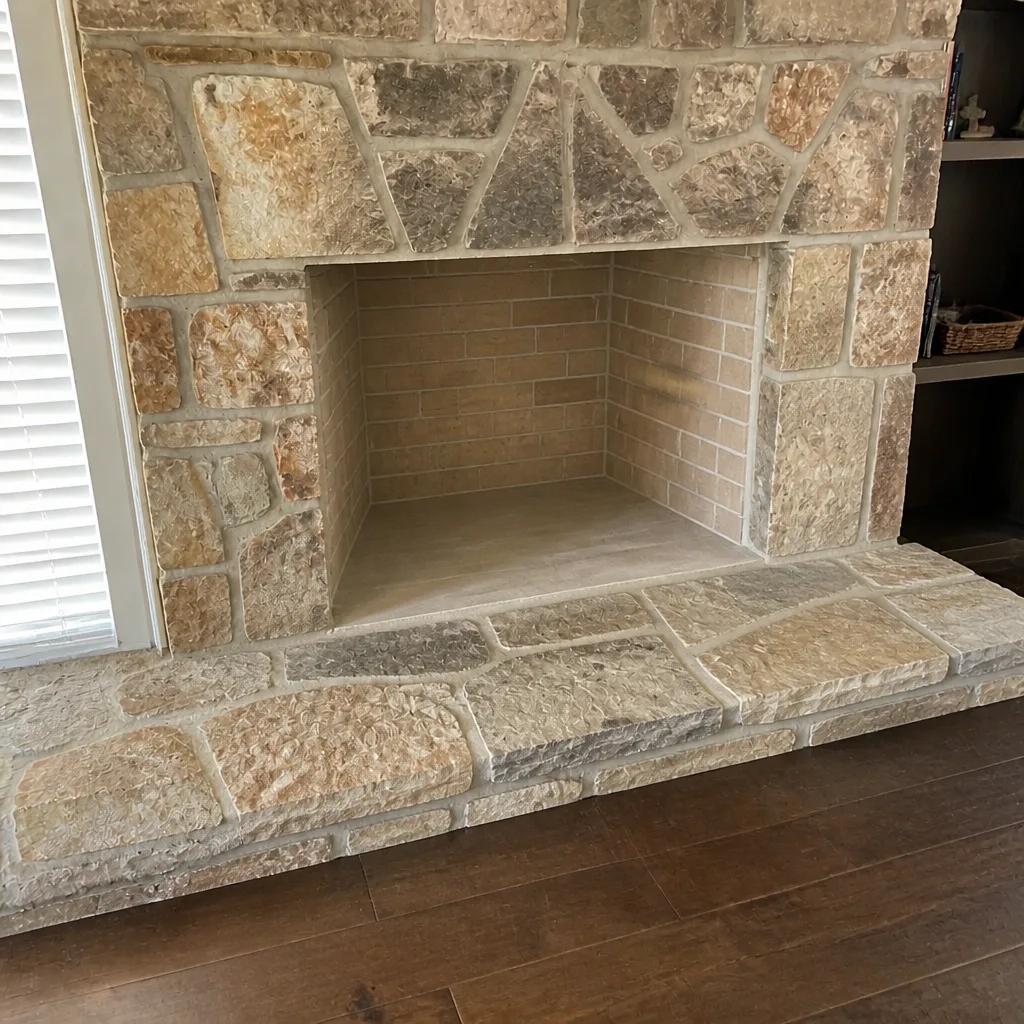
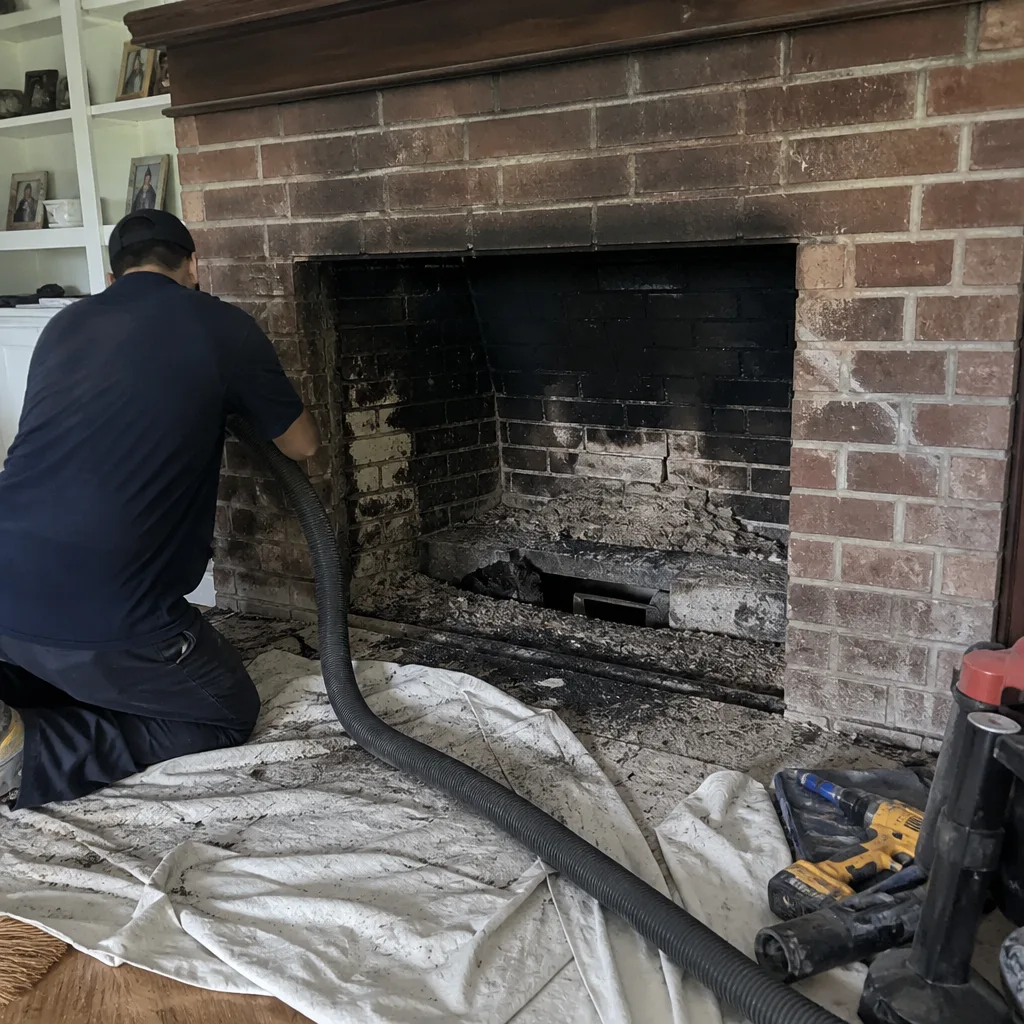
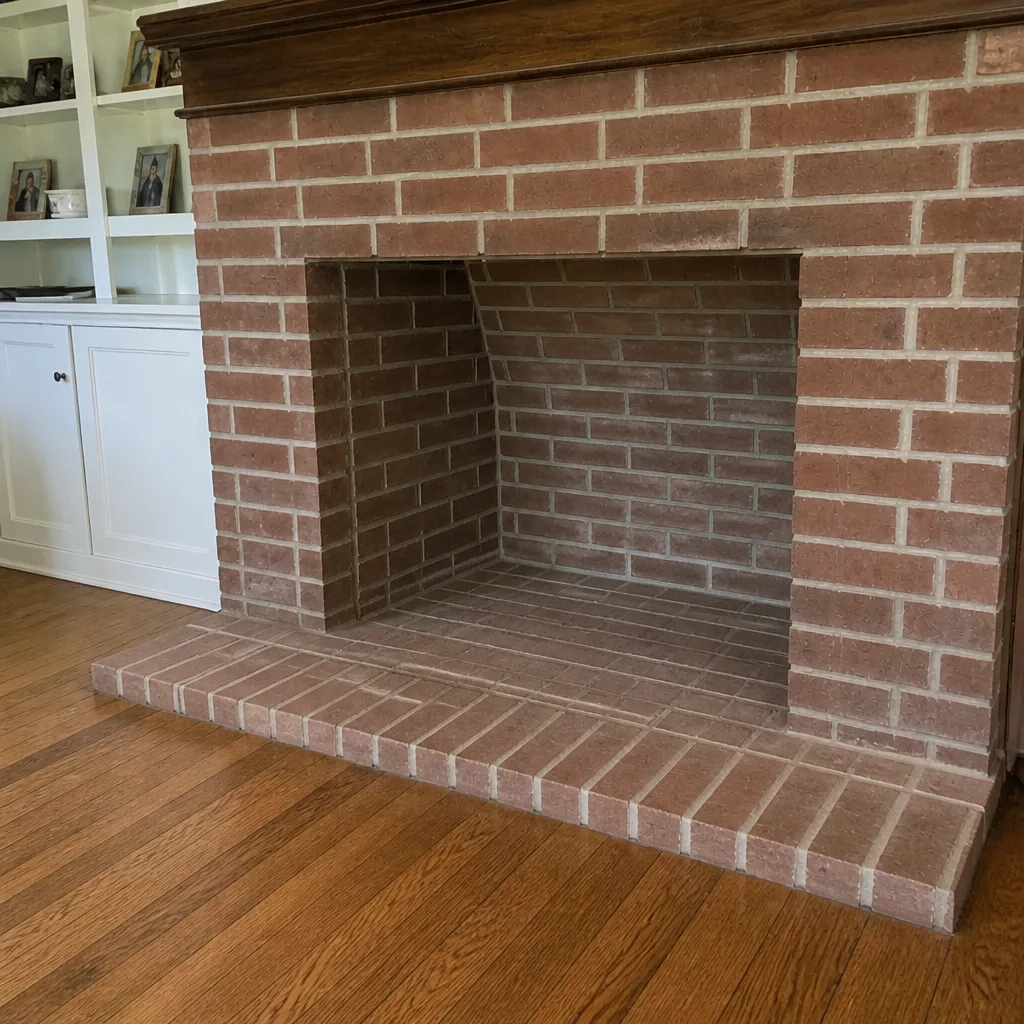
See the difference
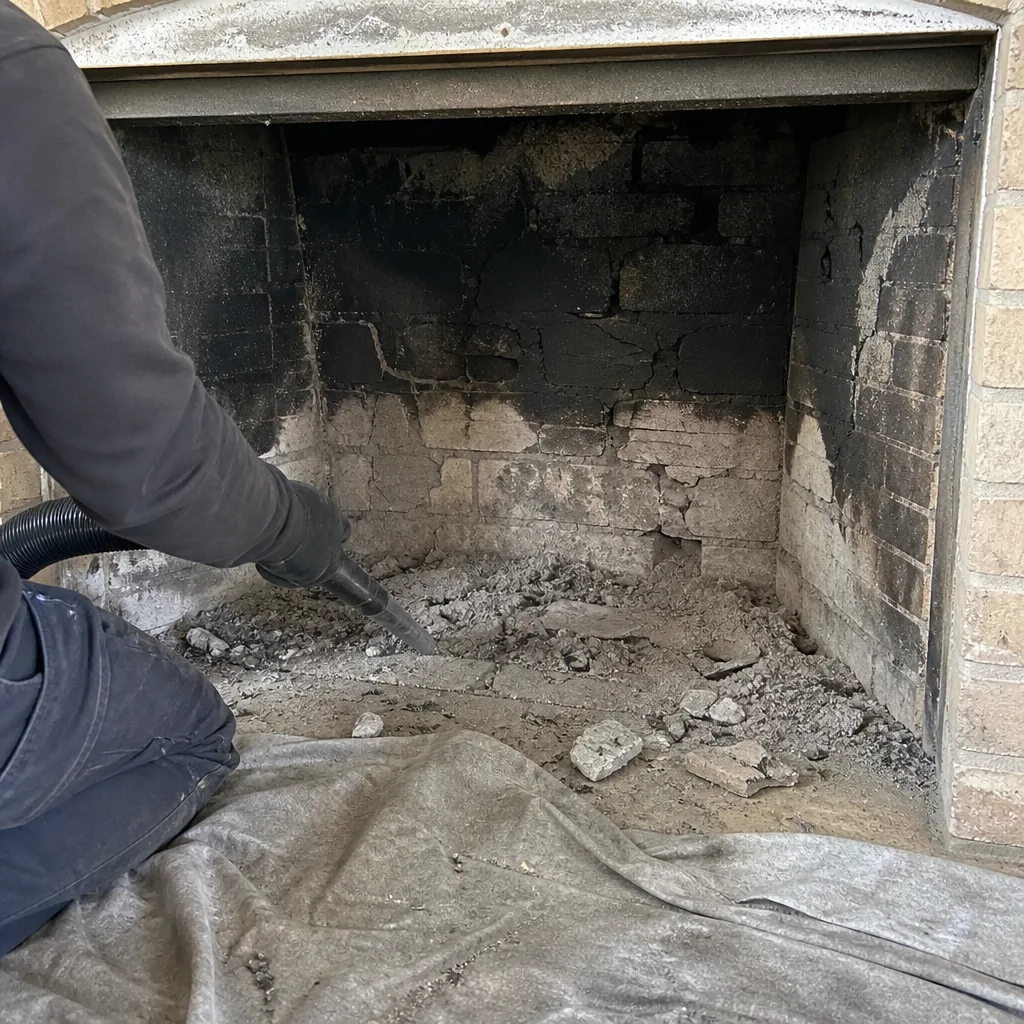 Before
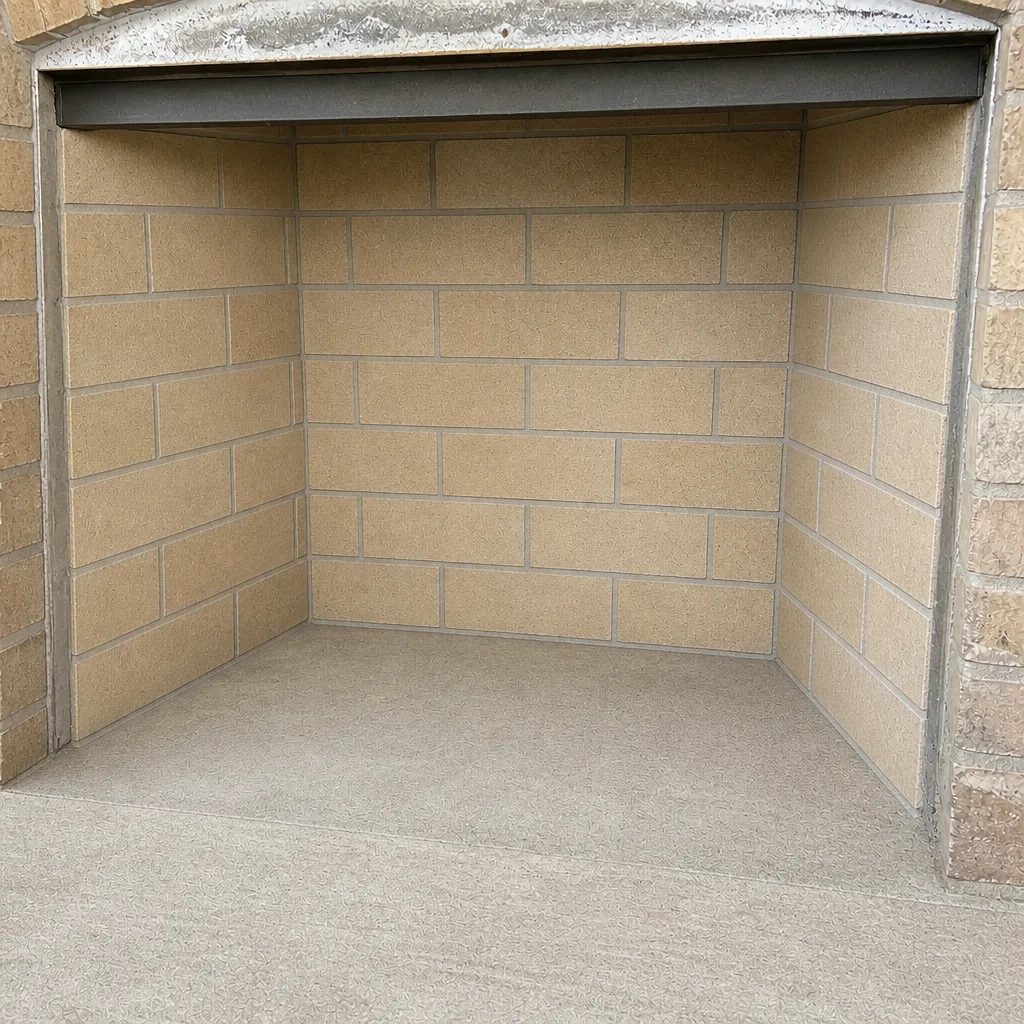 After
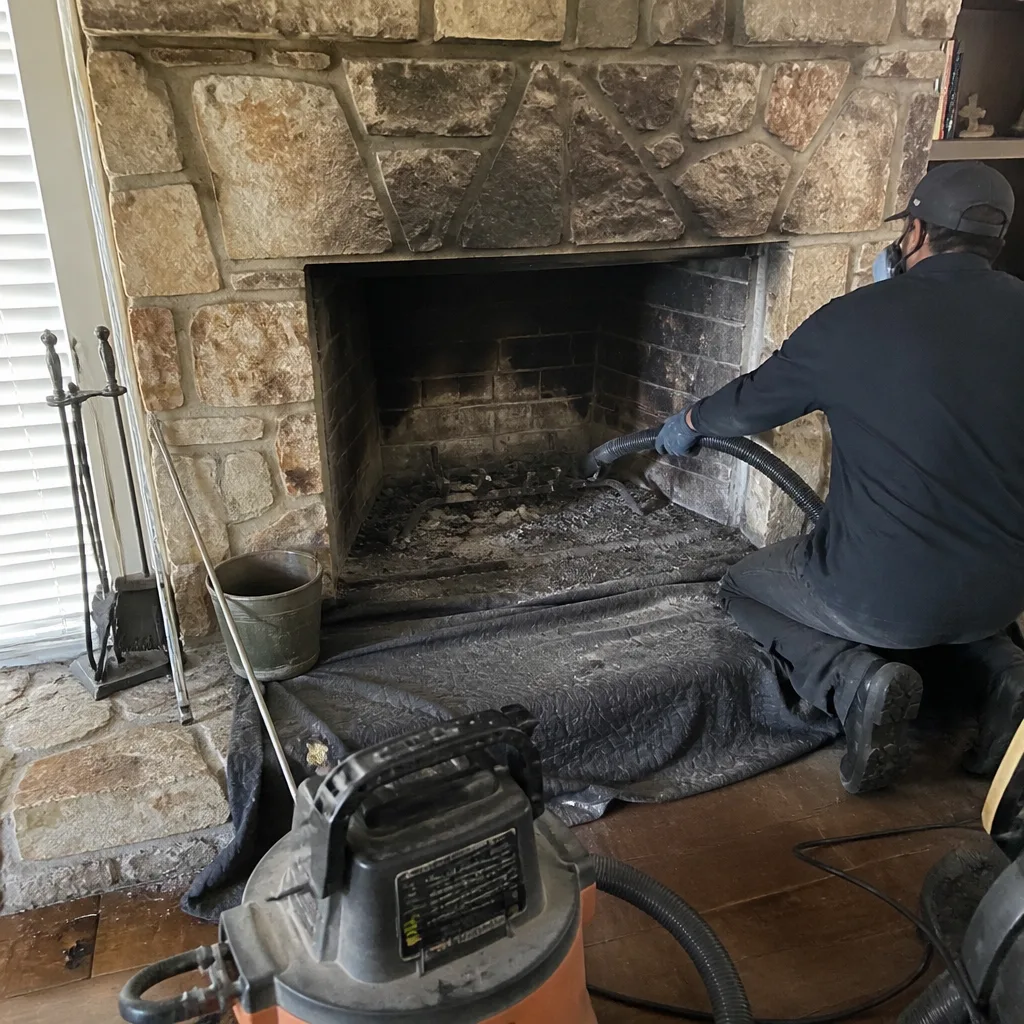 Before
 After
 Before
 After
When to Call a Professional
Some of this guide you can handle yourself: open and close the damper, remove ash, look at the cap from the ground, test the detectors. The moments to call us are the ones involving the flue interior, the roof, and anything combustion-related. Call a professional if you smell creosote or musty odors coming from the fireplace, if the damper won’t seal, if you see staining on the chimney or water marks around the firebox, if the cap is missing or visibly damaged, if you hear birds or animals in the flue, if you’ve had a chimney fire, or if you’re moving into a house and don’t know the flue’s history. Also call before the first burn of the season if you haven’t had the flue swept since last winter; a pre-season cleaning and inspection with a camera report takes the guesswork out.
Sugar Land Chimney Cleaning offers free estimates in Sugar Land. Call (866) 809-2352. We answer 24/7. Fast dispatch from 7am to 7pm, Sunday through Friday. A call outside dispatch hours is booked into the next opening, Sunday through Friday, 7am to 7pm. We’re closed Saturday.
Frequently Asked Questions
Once a year for most homes, and the best time is right after the last fire of the burn season, so the flue sits clean through the humid months. Homes that burn hard through the winter or burn unseasoned wood may need more frequent cleaning. Call (866) 809-2352 for an exact quote – estimates are free.
Not always, and you shouldn’t accept a liner recommendation you can’t verify. A chimney liner typically needs replacing when a camera inspection shows cracking, separation, or a size or material mismatch with the appliance. When the flue is cracked but not fully failed, HeatShield ceramic resurfacing can restore it without a full replacement reliner, which often saves significant cost. We show the camera footage and explain the options before any work is scheduled. Call (866) 809-2352 for an exact quote – estimates are free.
Moisture and pests get the time they need. Rain entering a cracked crown or through a missing cap soaks into masonry and mortar, and over the humid Sugar Land summer that moisture corrodes liners and works into the structure. Chimney swifts, squirrels, and wasps move into an open flue, and the dryer vent clogs with lint in the meantime. None of it announces itself, but it all shows up in the autumn inspection. Call (866) 809-2352 for an exact quote – estimates are free.
Sweep pricing in Sugar Land depends on the flue size, the amount of buildup, and whether the visit includes a dryer vent cleaning or repair. The written estimate sets the final price, and the estimate is free. Call (866) 809-2352 for an exact quote – estimates are free.
Yes. A damper at the throat or top of the flue controls airflow, but an unprotected flue opening still lets rain, birds, and wasps in. A rain cap and a tight damper seal work together, and in a humid subtropical climate like Sugar Land’s, they’re the most effective two-part defense against off-season water intrusion. Call (866) 809-2352 for an exact quote – estimates are free.
Yes. The dryer vent and the chimney are the two most common combustion-related hazards in a home, and we handle both so you’re not booking two appointments. The dryer vent cleaning catches the lint buildup that leads to many residential fires. Call (866) 809-2352 for an exact quote – estimates are free.
The Bottom Line
Sugar Land doesn’t have four chimney seasons, it has two: the short winter burn window and the long dormancy where moisture, heat, and pests do their work. Year-round care means closing the chimney down after the last fire, keeping it capped and dry through the humid months, and running a pre-season check before the first burn. A sweep, a camera inspection, and a properly fitted rain cap handle the majority of what can go wrong. Repairs found in the off-season have time to be done right. Handle both phases and the annual routine stops being a chore and becomes the reason your chimney stays safe.
Ready to get your chimney on the right schedule? Call Sugar Land Chimney Cleaning at (866) 809-2352 for a free estimate. We answer 24/7. Fast dispatch from 7am to 7pm, Sunday through Friday.
Written by the team at Sugar Land Chimney Cleaning.